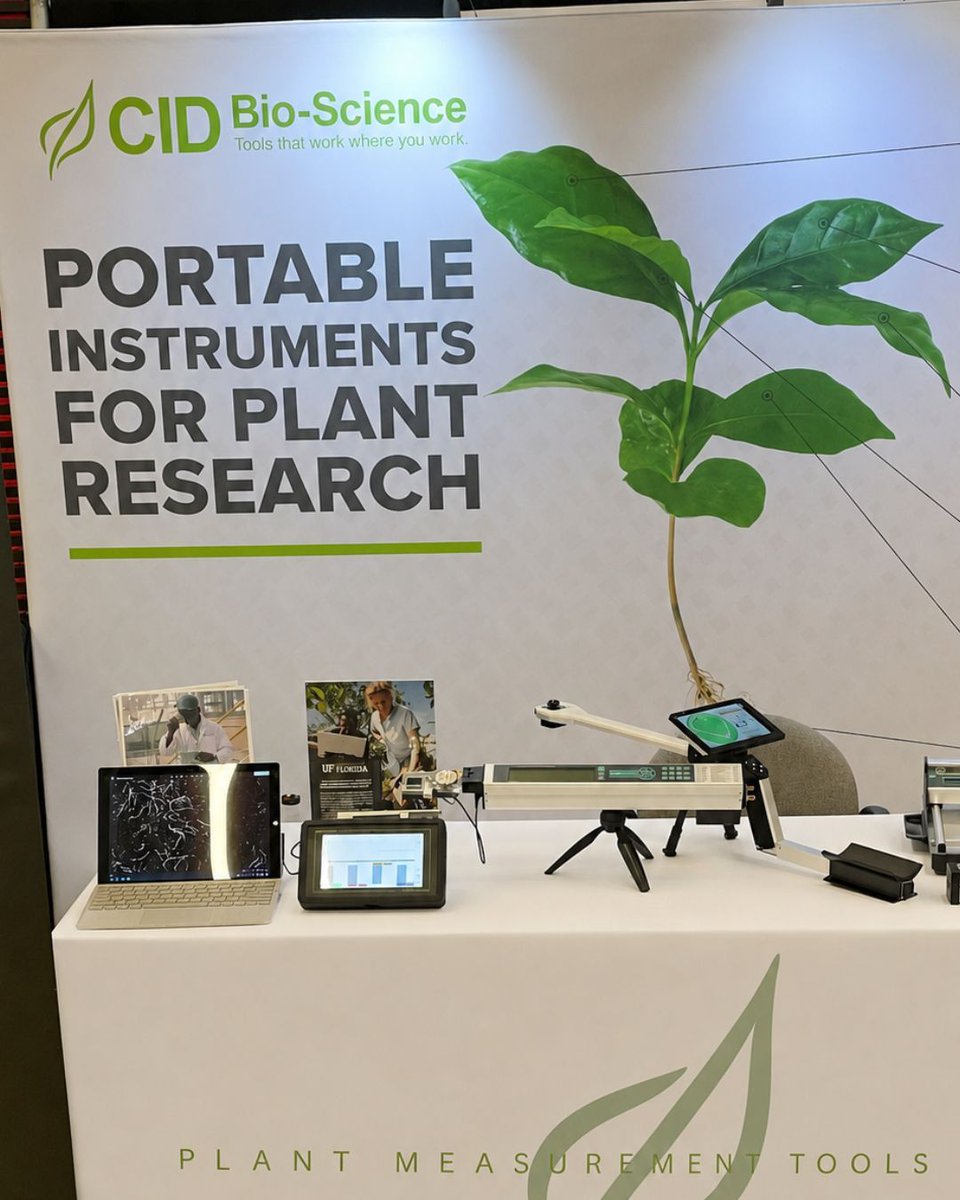
CID Bio-Science is heading to CANVAS 2026 in Portland, OR, Nov. 1-4! Just a short drive from our hometown of Camas, WA. We're bringing some exciting new technology and can't wait to share it with you!
#CANVAS2026#CIDBioScience#PlantScience
October is Manufacturer Month!
For CID Bio-Science, that means highlighting the hands-on work behind the tools researchers and production professionals use every day. From assembly and calibration to final testing, our team ensures each instrument is ready for measurement.
How are alpine roots responding to a warmer, drier climate? 🌱
Research points to shifts toward smaller, longer-lived roots and more drought-tolerant strategies.
Read the article to see what these changes could mean for plant adaptation: https://t.co/F3LhWSQAhH
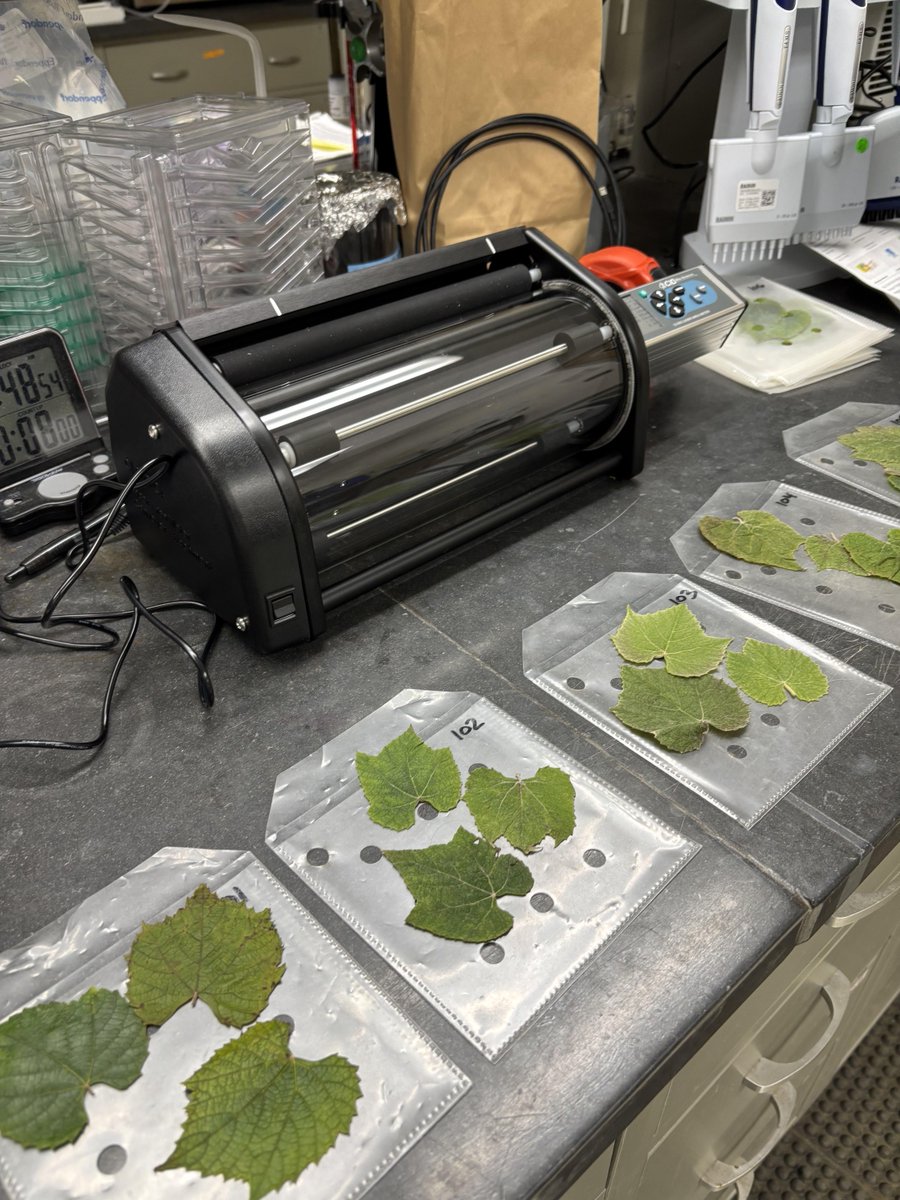
“At Cornell University, the CI-203 conveyor system is being used to measure average leaf area across individuals in a grapevine population, helping process plant samples efficiently and consistently.”
Are roots adapting to climate change?
As alpine environments get warmer and drier, plants are shifting toward smaller, longer-lived roots built for drought tolerance.
See what researchers are finding belowground.
https://t.co/8Js7IPHkF2
A little extra nitrogen can change plant productivity more than you might expect, with global biomass increasing by an average of 55.6% in one analysis.
Our latest article makes it easy to see which plants benefit most.
Read here: https://t.co/UHudIM58fQ
Sometimes the best measurements are the ones you can take without bringing the plant back to the lab. 🌱
Here, the CI-203 Handheld Laser Leaf Area Meter is being used right in the field to measure leaf area quickly and non-destructively.
Pretty great work happening at the University of Minnesota 🌱
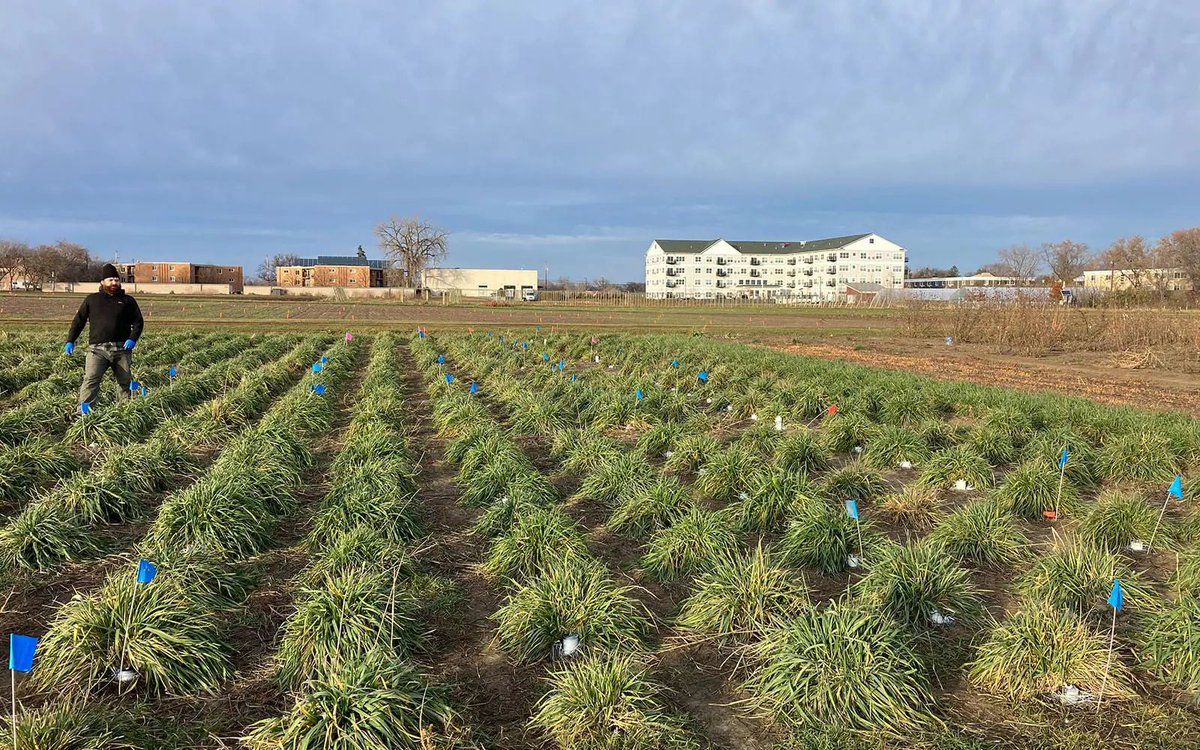
Researchers are using root imaging to see how Kernza grows underground and what that could mean for better yields, healthier soils, and carbon storage.
read the full story here: https://t.co/voJnA1DGmq
We just wrote an article exploring how nitrogen deposition influences plant productivity and which plant attributes shape the strength of that response.
Read the full article:
https://t.co/MzMAzxfKG3
What is your plant actually doing with the light it receives?
The CI-340 Handheld Photosynthesis System measures leaf gas exchange to give researchers a clearer look at how plants are responding in real time!
For #WorldPhotographyDay, we’re giving the CI-600 In-Situ Root Imager its moment behind the lens, capturing detailed images of roots as they grow underground.
#RootImaging#PlantScience
Could rising nitrogen deposition be changing plant growth before the effects are obvious?
Moderate levels may boost photosynthesis, but excess nitrogen can disrupt nutrients, damage leaves, and reduce plant health.
See what researchers should measure: https://t.co/N5V3Rxnid9
Nitrogen deposition can boost leaf growth and photosynthesis, but only to a point.
At higher levels, it can acidify soils, disrupt nutrients, and weaken plant health.
See how the effects shift across species and ecosystems: https://t.co/5pF1NL2206
What plant measurement challenge is slowing down your research?
CID Bio-Science is heading to ASPB Plant Biology in Ottawa, July 18–22!
Stop by the CID Bio-Science booth to meet our team, see our instruments, and talk through your next research project.
#PlantBio2026#ASPB
Climate change is also affecting forests below ground.
Shifts in mycorrhizal fungi may influence tree health, nutrient cycling, and carbon storage.
Read more: https://t.co/p9X57PRzcN
What if crop residue could help manage weeds and boost yield?
This week’s #WRR: corn straw mulch reduced weed pressure in foxtail millet, while CI-340 photosynthesis data showed why 6000 kg/ha delivered the best yield response.
Full research here: https://t.co/GNzTKpETC7
Climate change is reshaping forests below the surface.
Mycorrhizal fungi help trees move nutrients and carbon, but warming, drought, fire, and nitrogen deposition can shift which fungi dominate.
The full article explains why that matters.
Read it here: https://t.co/GL22ZC34Xx
Healthy soil starts with healthy root interactions.
Mixed-species systems can improve nutrient uptake, soil biology, and crop productivity by changing how roots grow below the surface.
See what the latest research found: https://t.co/38gKHSFaYc