🧠 Think it through
March’s Think eNewsletter is out now a 10-min read on #HumanFactors shaping safer, smarter futures.
From water safety and workplace design to sport, healthcare robots & policy, explore how people-centred thinking improves performance and protects lives.
The difference? Whether the trade off feels worthwhile and tolerable.
What’s the best or worst example of “necessary but irritating” design you’ve seen?
#UX#HumanFactors#Ergonomics#Design
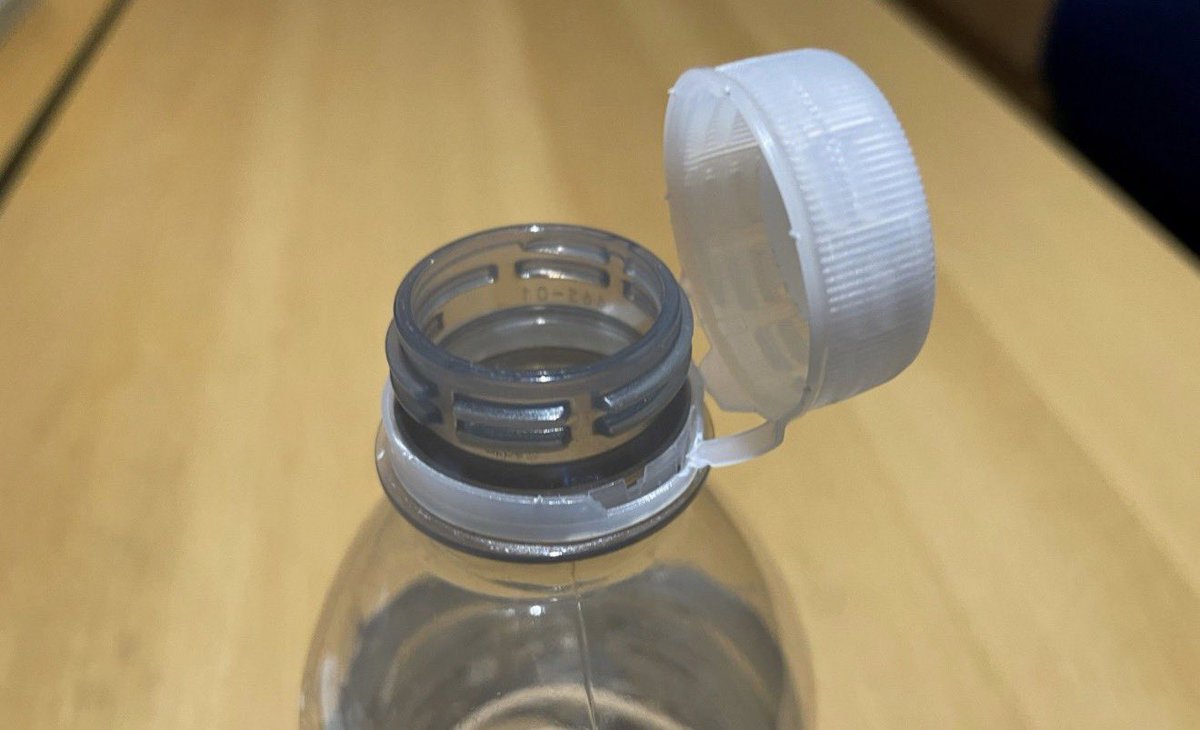
BOTTLE TOPS & OTHER DESIGNS
Some designs fail because they’re too annoying to tolerate (Google Glass, impossible CAPTCHAs, over-strict passwords). Others add friction by design to change behaviour and mostly work (attached bottle tops, wooden cutlery).
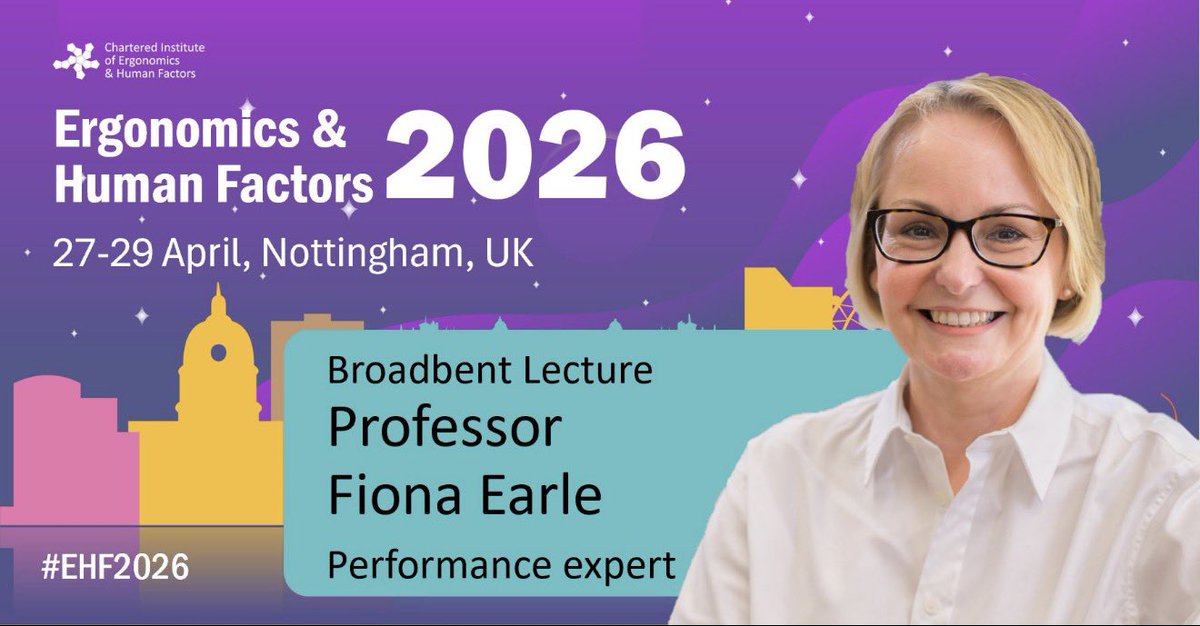
🎤 Keynote announced!
Professor Fiona Earle joins EHF2026. A Chartered Occupational Psychologist with 25+ years’ experience, her work explores stress, fatigue, workload and performance under pressure across critical sectors.
📍 Nottingham | 27–29 April
Three days of papers, keynotes, masterclasses and conversations that shape real-world practice.
Explore the programme 👉 https://t.co/tbF0t19LKZ
#HumanFactors#Ergonomics#EHF2026
📢 EHF2026 programme announced!
What does the future of work, tech and human performance really look like? Our Ergonomics & Human Factors 2026 programme explores fatigue, safety, human, AI interaction, healthcare, transport and more.
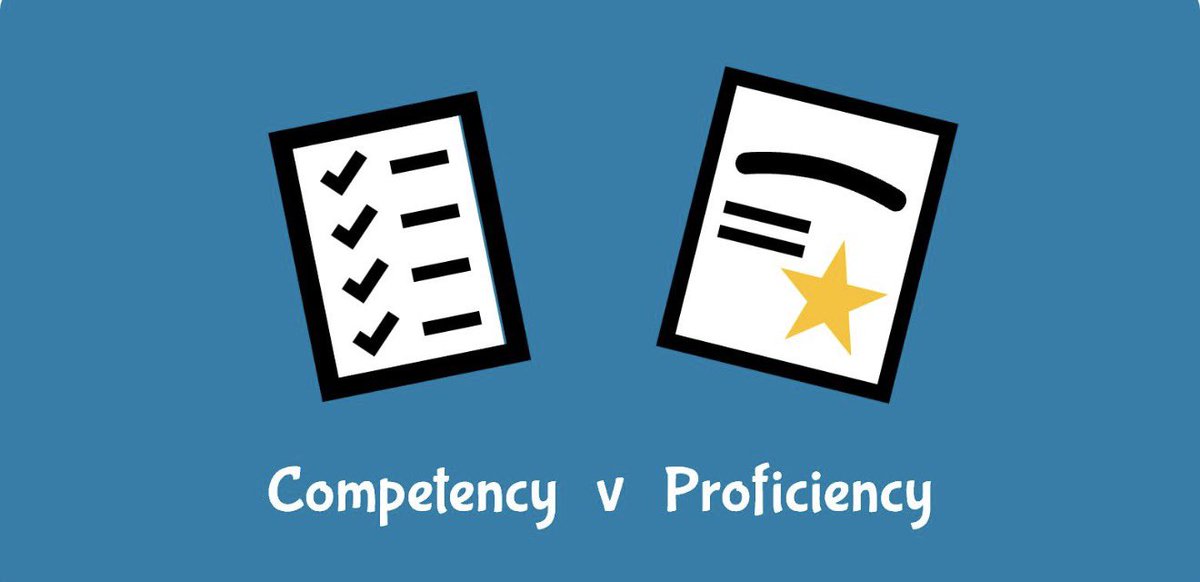
🧠 1-Minute Insight: Competency vs Proficiency
Competency = I can do it.
Proficiency = I do it well, even when things change.
Competency meets the standard. Proficiency brings judgement, adaptability and consistency, and that’s what drives real performance and resilience.
Competency is about meeting the standard. Proficiency is about consistency, judgement and adaptability and it’s what really drives quality and resilience.
Where are you right now?
🧠 1-Minute Insight: Competency vs Proficiency
Competency = I can do it.
Proficiency = I do it well, even when things change.
#HumanFactors#Ergonomics#CIEHF
Good measurement isn’t just numbers — it’s about relevance, context and meaning. The PCC helps you reflect on what you measure, how you measure it, and what it really tells you.
Explore the PCC 👉 https://t.co/anVooSfNfa
📏 Measuring up
Core Competency 4 of our Professional Competency Checklist focuses on measurement: choosing the right data to understand human performance, safety and wellbeing.
#HumanFactors#Ergonomics#CIEHF#PCC
🧠 Think it through
January’s Think eNewsletter is out now. A quick read on people-centred design, from smarter prosthetics and safer work to sustainability and future tech insights from CES 2026.
Read more 👉 https://t.co/CwQyIYTowb
#HumanFactors#Ergonomics#CIEHF
🅰️ Fonts & fatigue
Fonts aren’t just style, they’re ergonomics. The right choice depends on context:
• Serif: better for long print reads
• Sans-serif: clearer on screens
• Wearables: clarity beats aesthetics
• Code/data: monospaced for accuracy (use sparingly)
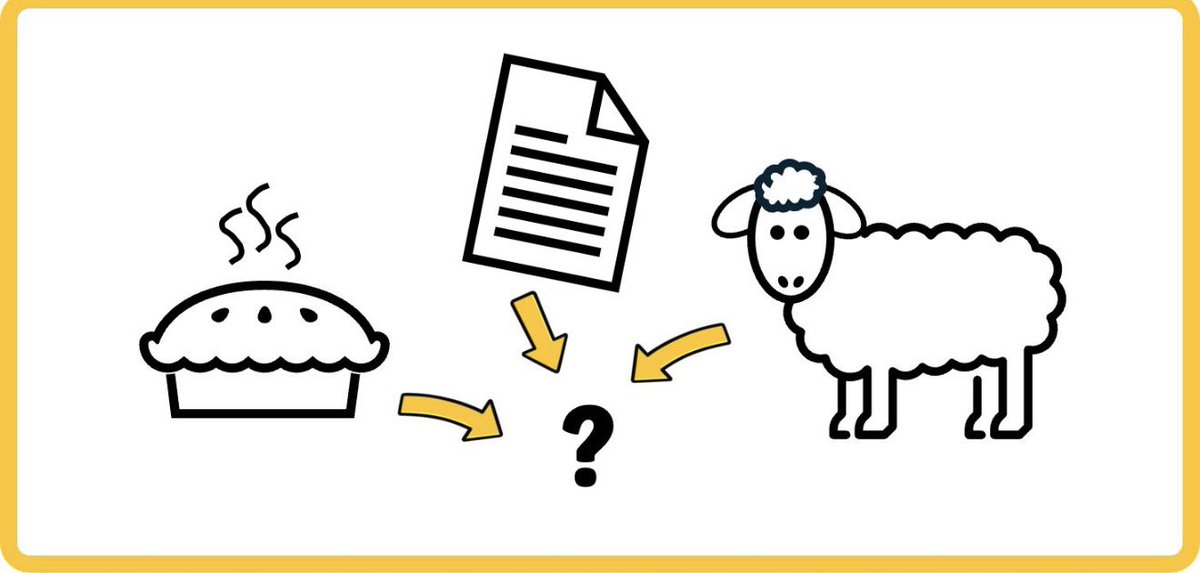
🥧📄🧶 What links pies, paper & wool?
Ergonomics solutions that design out musculoskeletal risk.
From bespoke tools to smarter processes, UK organisations are showing how workplace risk can be tackled at source, with real benefits for safety and wellbeing.
🏅 Olympic insight at #EHF2026
Fresh from the 2026 Winter Olympics, Natalie Dunman (Performance Director, British Bobsleigh & Skeleton) and elite athlete Amelia Coltman join us for a fireside chat on performance under extreme pressure.
#HumanFactors#Ergonomics#WinterOlympics