Mental wellbeing in early years affects a child's future, it is important to be aware and support them together as a community.
#WeAreWithYou An initiative by the CIMA Students' Society to create awareness on often overlooked Mental Wellbeing of Children.
#MentalHealthAwareness
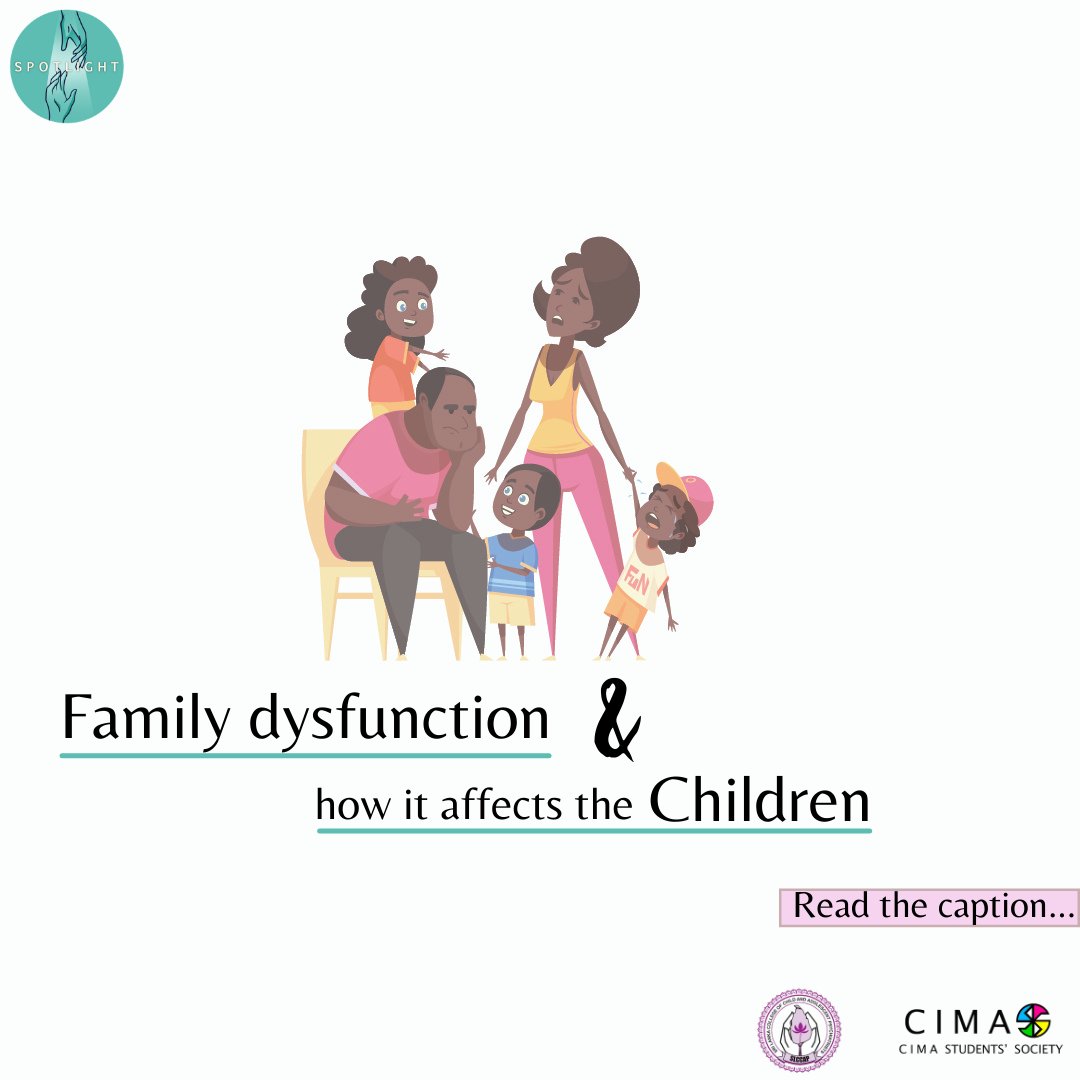
Negative family relationships can cause stress, impact mental health and even cause physical symptoms.Parents play a central role by providing support and care that is crucial to their child's recovery. Children are likely to be worried, anxious & afraid, just like many adults.
Parenting has been consistently associated with the child’s depression & anxiety.When a child faces a difficult challenge such as violence in the family it affects them negatively. An adverse experience at home it heightens a child’s future risk of mental health problems.
Sometimes parents may not be able to support their children, thus parents to seek help from professionals to avoid prolonged effects.Encourage your child to talk about their feelings & concerns they have & actively listen & reassure your child that they will get the support.
Shehani sees Kasun playing music happily at the music class.She's happy to see Kasun becoming his usual self.Kasun confesses to her that going for therapy had helped him.He's happy that their was someone who would listen to him, and understand what he is going through.
Taking care of our mental health is as important as having a healthy body. It’s also helping them connect with others,getting involved in physical activities,helping others,getting enough sleep & making sure they stay positive.Let your child know that It’s okay to not be okay.
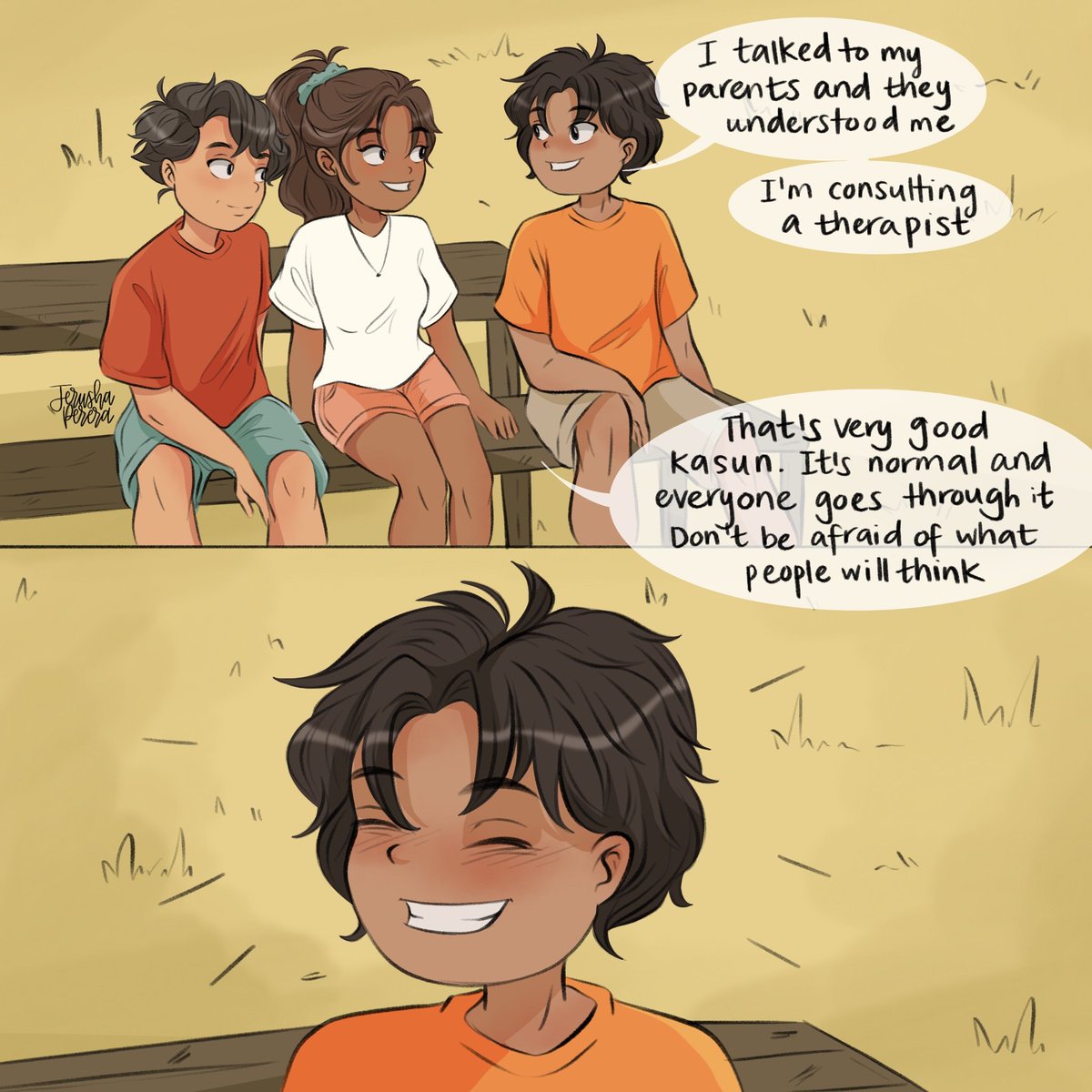
Shehani had advised him to open up on what he was going through.Later Kasun spoke to his parents about it & his parents decided to take Kasun to a therapist.When Kasun tells this to Shehani, she appreciates it & sayss that it's normal to go through these types of situations.
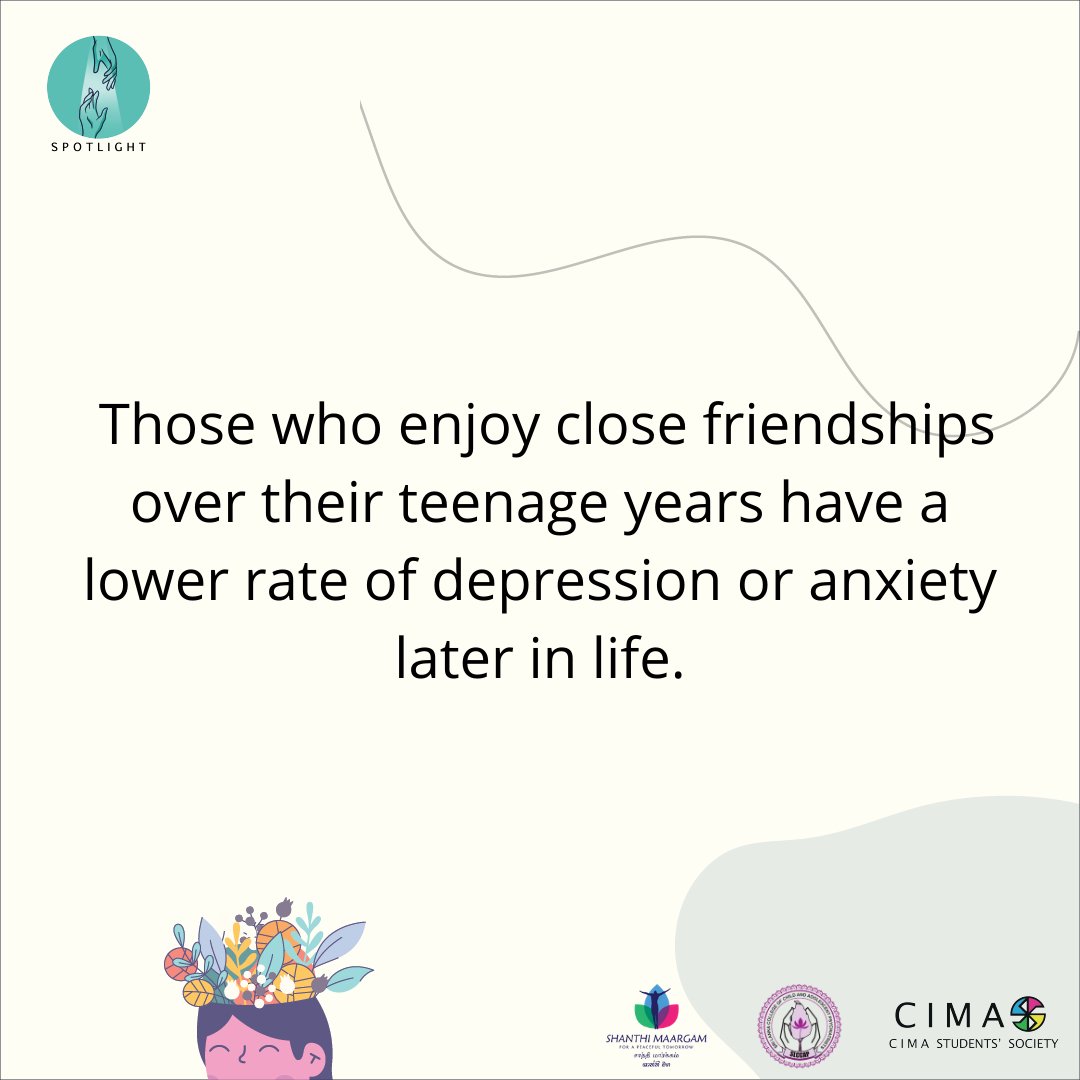
If you feel that your friend is going through a hard time make them feel like they’re not alone.Knowing that they’re not alone can help them feel less lonely & more hopeful.Children find it easier to talk to their peers first before they talk to family members or professionals.
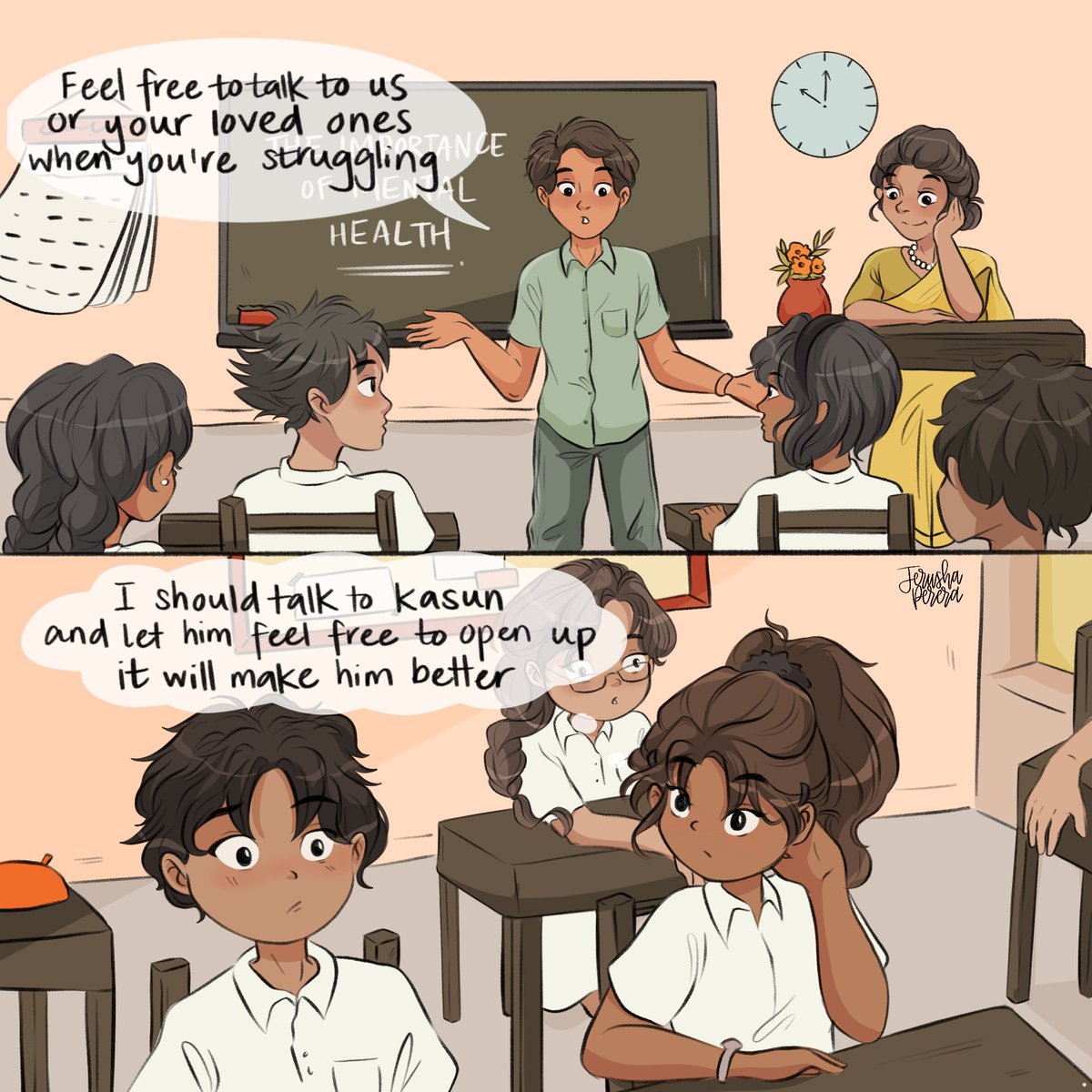
One day, a counsellor comes and addresses the class on the importance of mental health & he speaks on how to help those who are experiencing mental health issues.Shehani remembers that she discouraged Kasun to open up & decides to speak to Kasun and to encourage him to open up.
Children with supportive friends & family have better mental & physical health than those who lack these https://t.co/SRUqBkbOsJ's important to have healthy friendships to turn to in times of need.Friends can be that shoulder to lean on & nonjudgmental perspective that we need.
The best relationships start with transparency! It can be tough to decide when it’s time to reach out for help for your child. Even if a problem is just temporary or a phase, psychotherapy can help children during a really difficult time and make it less painful to deal with.
Many young people struggle with how they feel since they tend to have problems with friends and family & are anxious,angry/ scared and need to talk to someone, but find it difficult to talk to people they know.Psychotherapy can help them to talk things through& support them.
Mentally healthy children are more successful in school & life. Students who receive social–emotional, mental and behavioral health support achieve better in academics. School climate, classroom behavior, engagement in learning &students’ and well-being improve too.
Shehani,Kasun and their friends are playing badminton.Shehani & her friend notice that Kasun isn't his usual self.Kasun who is a keen badminton player, doesn't perform well.She realizes the seriousness of the situation and decides to talk with Kasun before the situation worsens.
Children with psychiatric disorders are often isolated out of their peer groups. That leads to self-stigma, when an individual internalizes the societal beliefs and prejudices it results in low self-esteem, limited aspirations, secrecy, anxiety and treatment avoidance.
The presence of a mental disorder may negatively influence the relationships between the child and his/her peers. The discrimination received from peers can have negative consequences for the development of young children's sense of self and social identity.
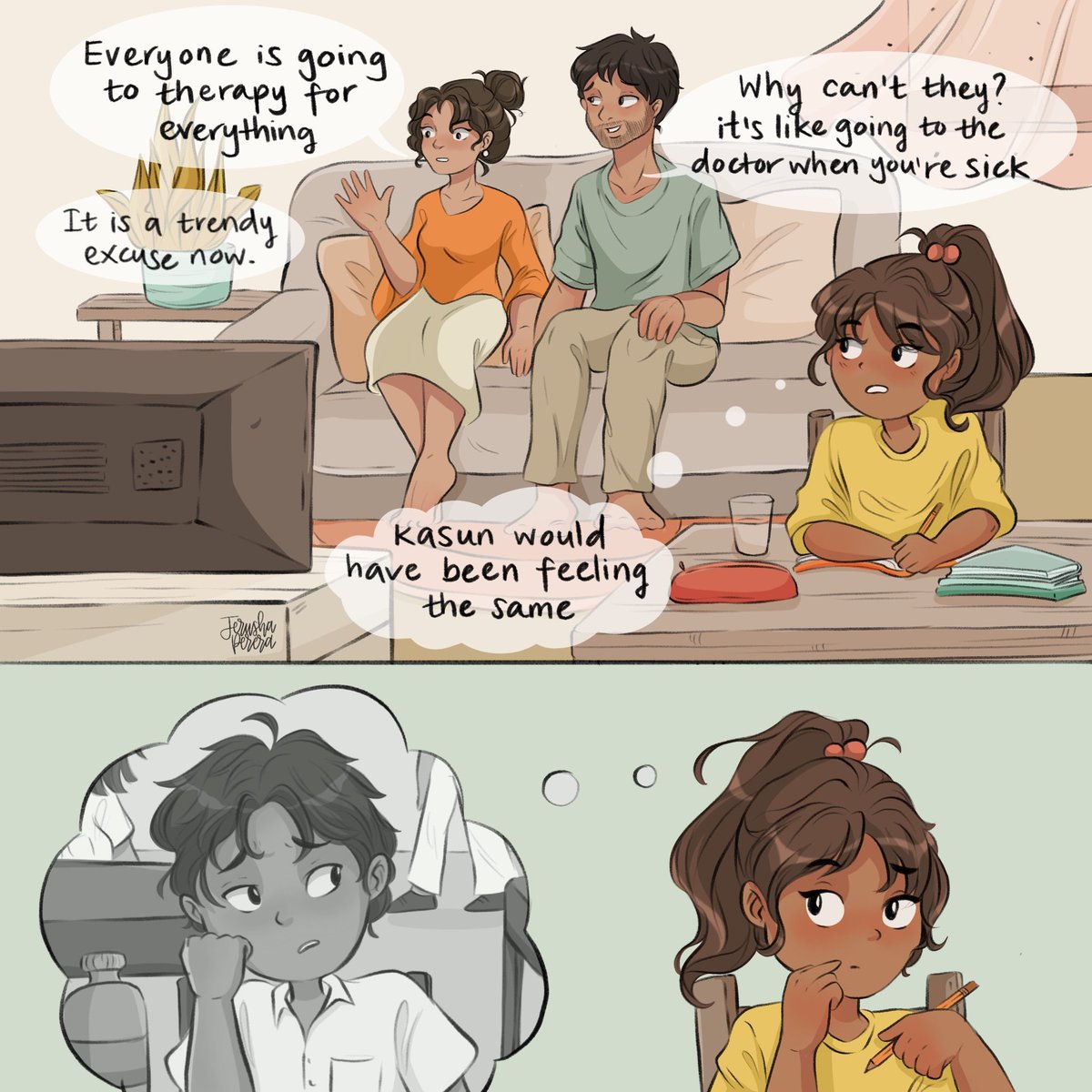
Shehani's parents are watching a TV programme.Shehani hears the conversation between her parents. Her mother finds the mental health problems a fake trend and her father tries to normalize it.Shehani realizes that Kasun is finding it hard to open up because of the stigma.
Starting in infancy, children mimic their parents’ actions, speech and beliefs, whether good or bad. Same goes for parents’ stigma about mental health. Their attitudes toward seeking mental health treatment are a factor in their child’s intentions to pursue psychological help.
Many children have mental health issues that interfere with their normal development and functioning.However,they tend to experience negative reactions from their family and friends towards having emotional difficulties which makes it difficult to express what they’re feeling.
Shehani and Kasun are in the classroom.Kasun feels low and opens up to her.He is confused on why he feels so.She admits that she has experienced the same, but discourages Kasun to open up.Stigmas surrounding mental health affect children too and make it hard for them to open up.