An open letter to federal colleagues & collaborators from CIRES Director Waleed Abdalati: https://t.co/2YekJ4cgg6
"While the value of what you do may not be obvious to some, it benefits all. Your work is so important, and it is a true privilege being on the same team as you."
Stay up-to-date on CIRES news, announcements, and more — follow our other social media platforms!
🦋 Bluesky: https://t.co/dmAYmKzCOQ
📸 Instagram: https://t.co/tFv0DTI1EU
💼 LinkedIn: https://t.co/RwHsk6n3WS
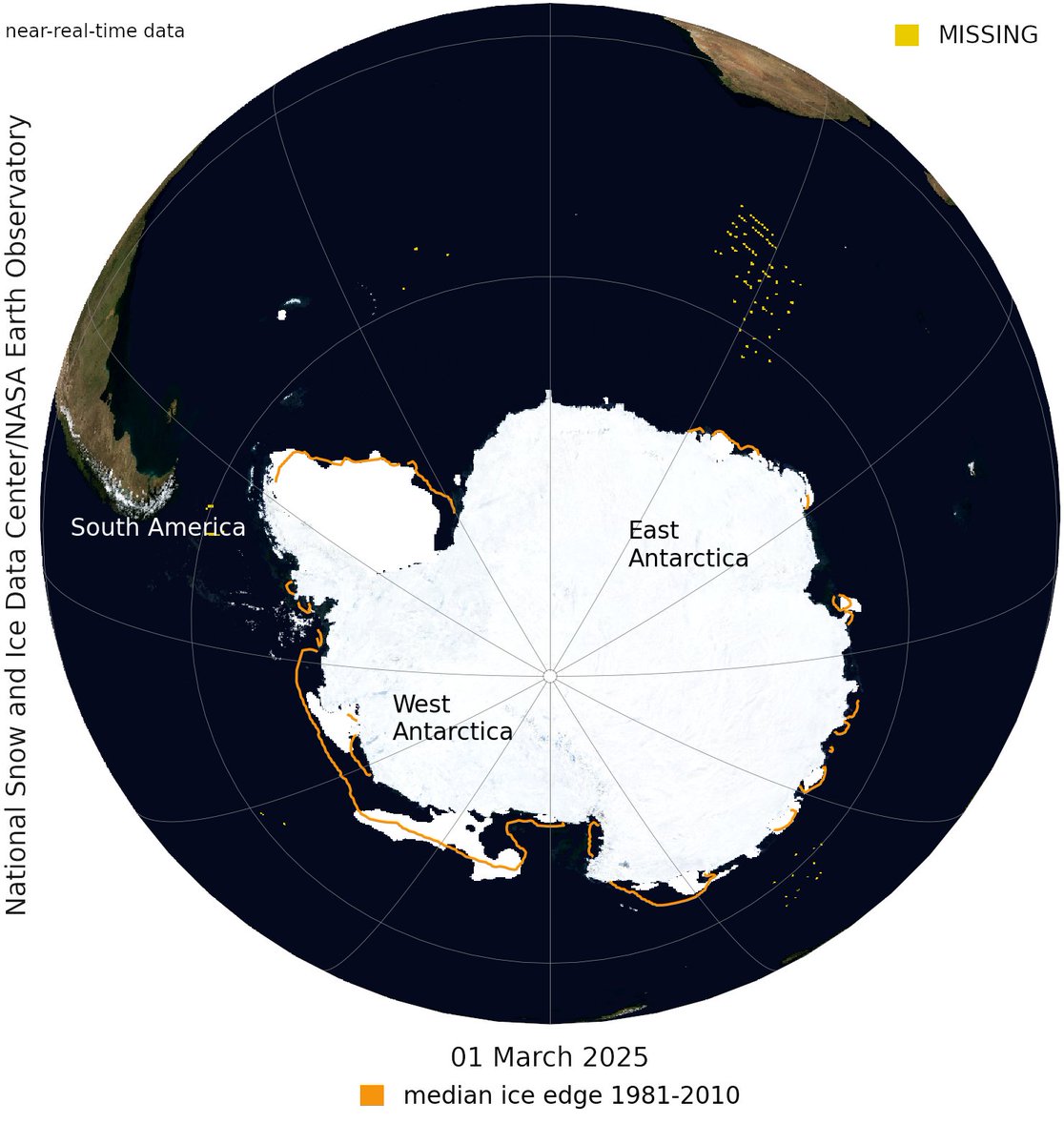
Antarctic sea ice has likely reached its minimum extent for the year, at 1.98 MM sq km (764,000 sq mi) on 3/1. The 2025 minimum is tied with 2022 & 2024 for second lowest in the satellite record. The last 4 minimums have been the lowest on record.
https://t.co/ttWfXwVl0C
Today on KUNC, CIRES' Kari Bowen emphasized the vital role @NOAA plays in weather and climate science — and public data access. "She says NOAA, and the data from its weather satellites, are something many of us use every day."
https://t.co/CQQBrEbIUT
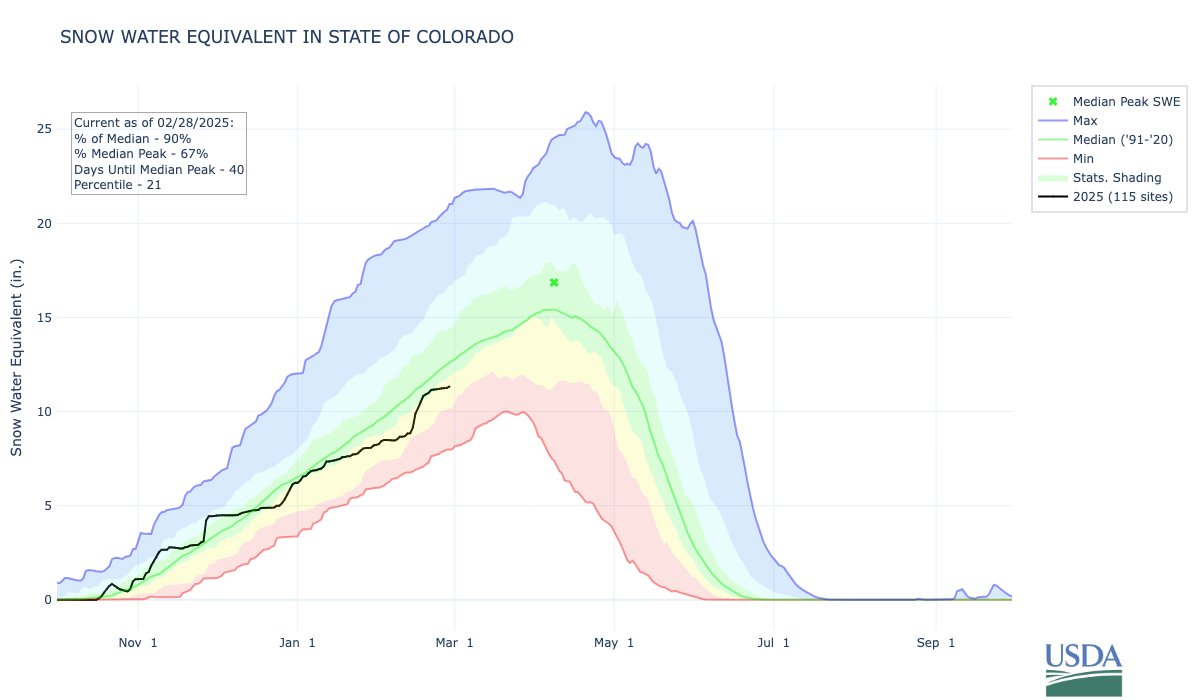
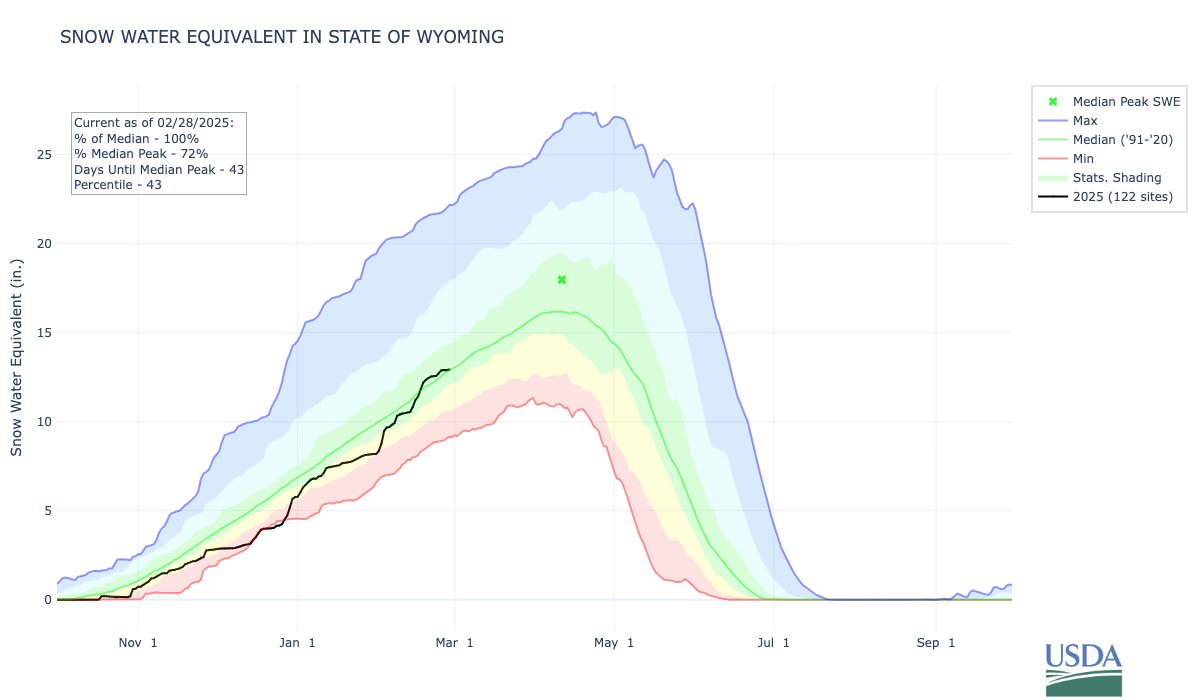
March Western U.S. Snow Drought Update
Abysmal Snowpack Defines Winter for Arizona and New Mexico (even with the coming storms)
Get the full update: https://t.co/dCWUWkl0eP @NOAA@DRIScience@CIRESnews@NWS@WWAnews@NOAANCEI
Dangerous wildfires in South Carolina forced some people to flee their homes over the past few days. Stay up-to-date on how the wildfires are progressing, see where smoke is going, and learn about impacts on air quality: https://t.co/CMhwBGMqbw
New @CUBoulder research found sea otters, an important keystone species, play a vital role in kelp forest recovery — but their level of influence depends on what other species they interact with in salty Pacific Ocean waters.
Read our story: https://t.co/2spoFcPGW5
Watch and learn about social and behavioral science work @NOAA. The video was created by Cole Vaughn, a social scientist @NOAAGSL.
https://t.co/zoq14fwo3E
For today's #HumansOfCIRES, meet Cayla Jones, a travel specialist on the CIRES administration team. Cayla is a lifelong learner and artist — and her favorite vacation was the time she spent in Ireland during an undergraduate study abroad program.
https://t.co/EqB9H5HsyY
Twila Moon, deputy lead scientist @NSIDC and researcher at CIRES, shares the challenges U.S. polar scientists face with fewer NSF program officers to support their work.
https://t.co/6z5dAvtZo3
Our researchers put in years of software development engineering behind the scenes. Then, during Hurricane Helene, the weather forecast office in Charleston, South Carolina successfully tested the software to issue 67 warnings.
Read more ➡️ https://t.co/kFOrb8xd3H
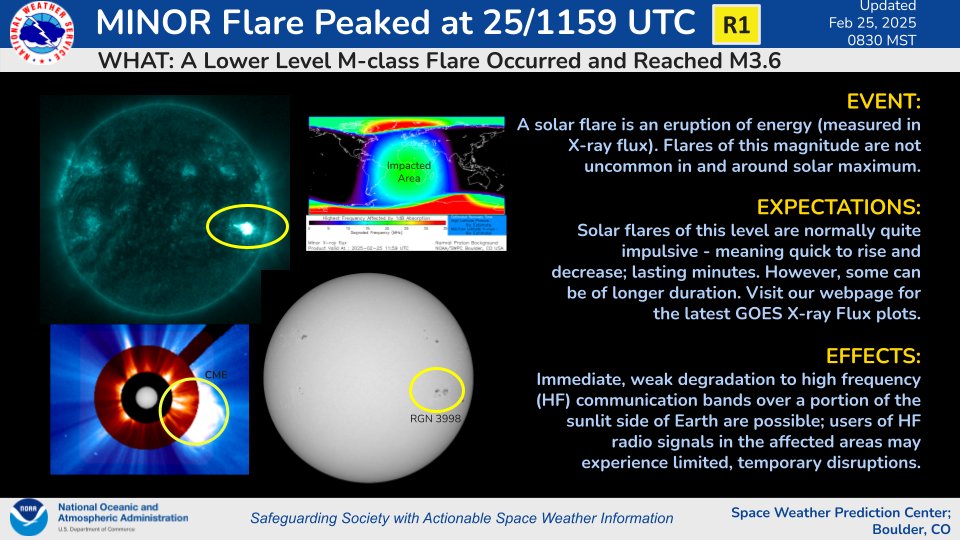
An M3.6 solar flare occurred early on 25 Feb at 6:59 am EST (1159 UTC) from the SW quad of the Sun's visible disk. The solar flare was associated with a CME. For the full story - visit https://t.co/fkQML683oN and visit https://t.co/TV7Yw6LXRw for the lates info and forecasts.
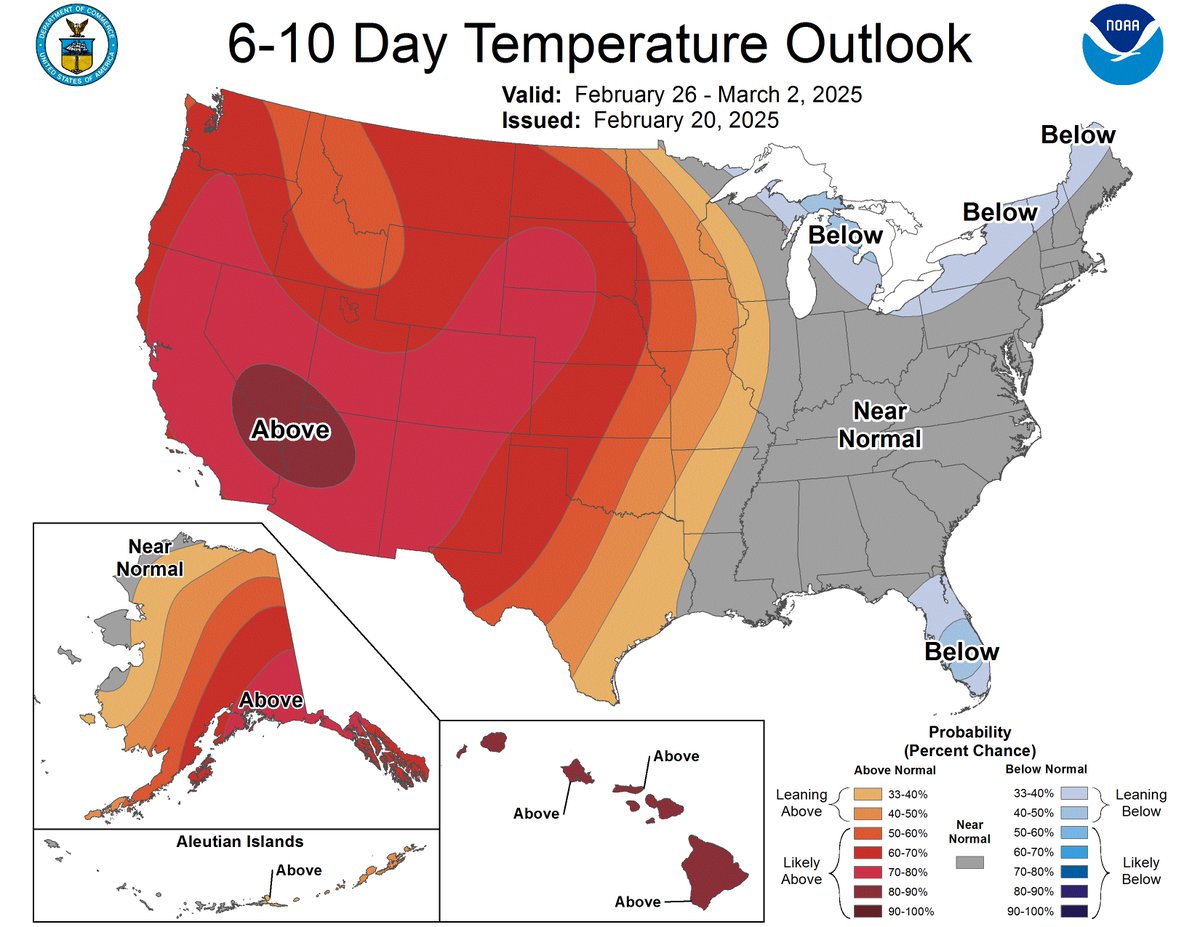
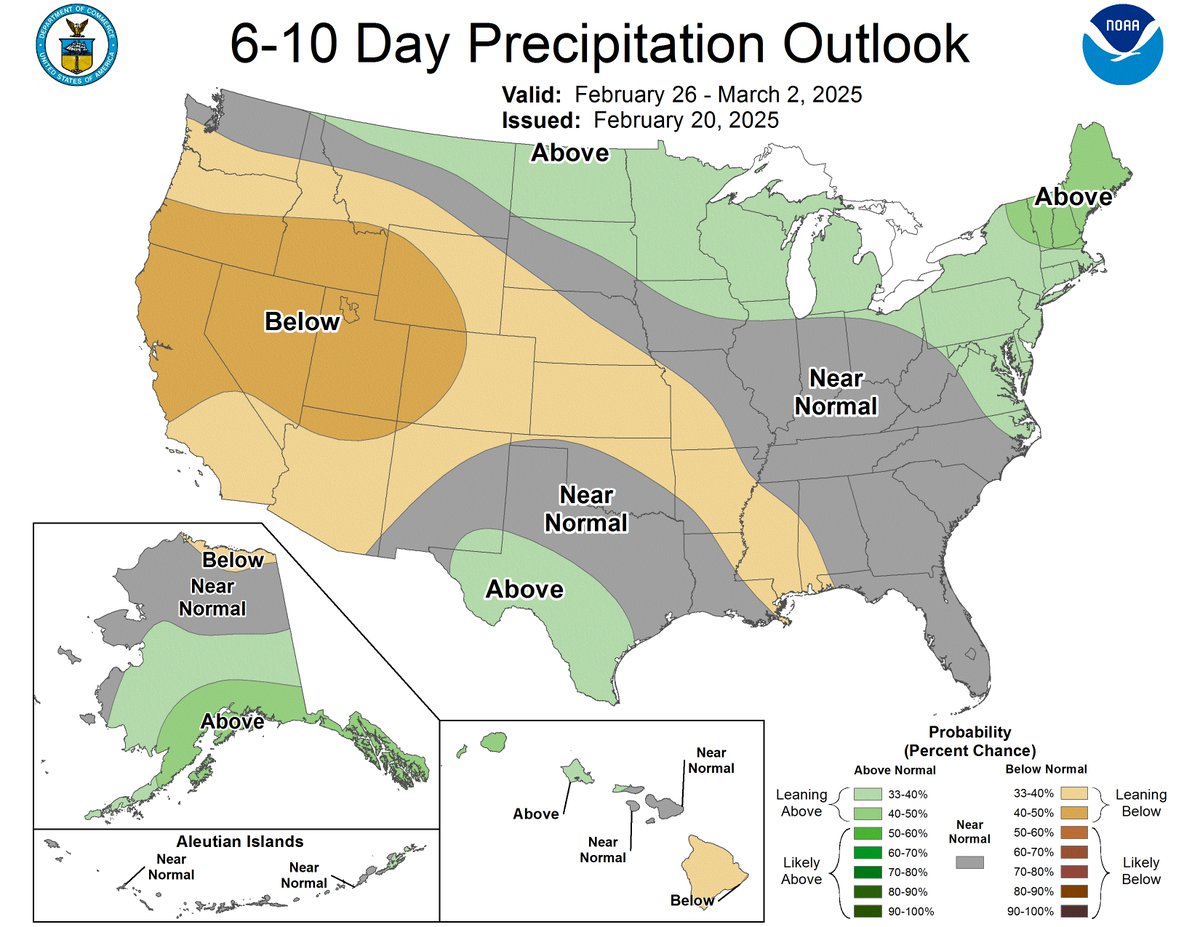
Next week, the region (CO, UT, WY) will likely see warmer and drier than normal conditions. Ridging over the western US favors increased probabilities for below normal #precipitation.
https://t.co/ddbmBkD743
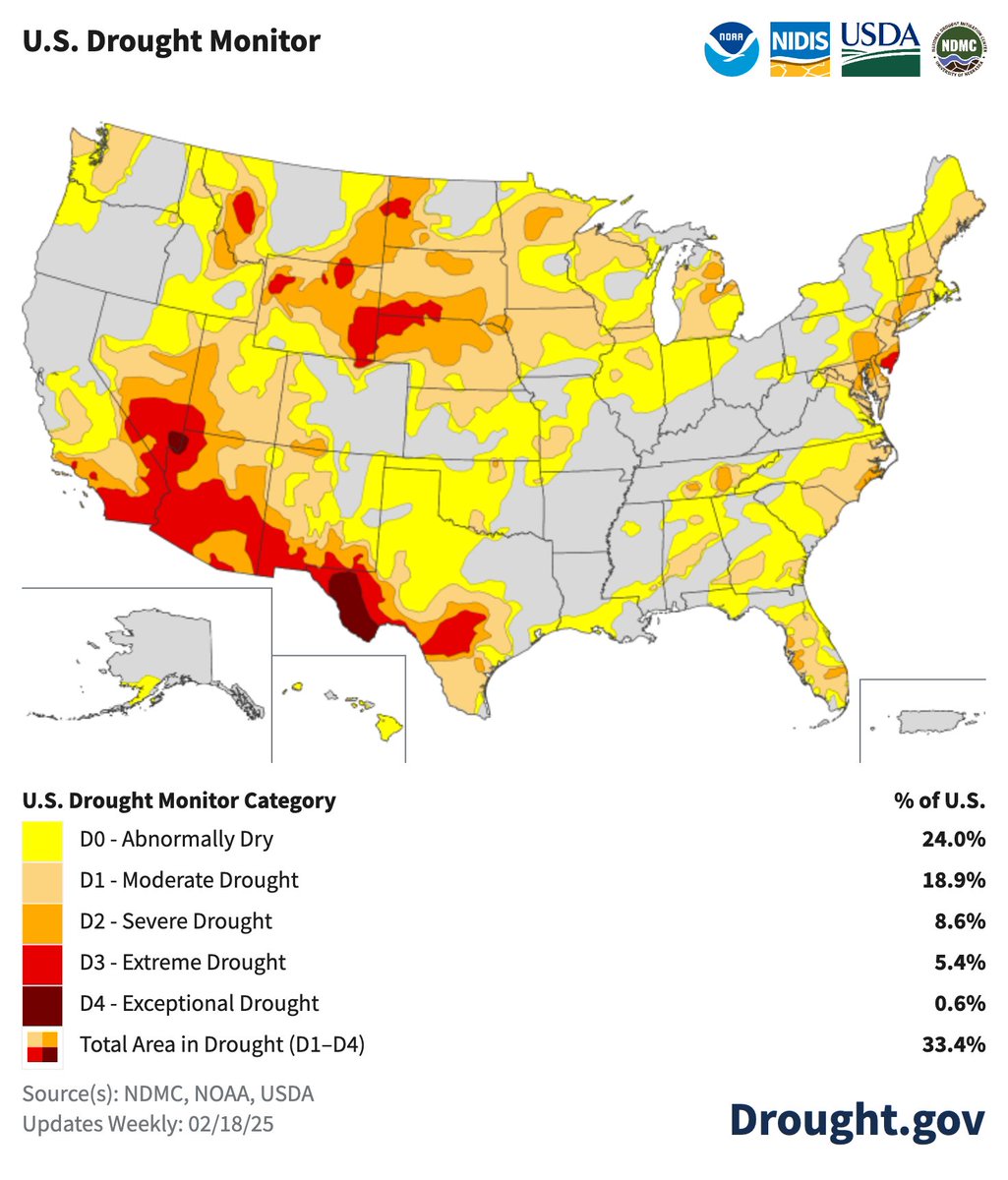
#DroughtMonitor 2/18: For the 6th week in a row, drought worsened in the Southwest, but less than previous weeks and a few improvements mixed in.
Large parts of CA, the South/Southeast, and Mid-Atlantic improved.
#Drought2025 Footprint: 33.4% of US
https://t.co/a7q2jKPfan @NOAA
“This paper is really, really important because it provides direct observations of how much water is not immediately making its way out to the ocean.”
Twila Moon, deputy lead scientist @NSIDC and researcher at CIRES, co-authored the paper featured in this story!
Researchers found pools of summer meltwater hidden deep within the Greenland ice sheet.
https://t.co/2M3T83UdTk
Read more in our March issue: https://t.co/AswyWHKhWp
What will the Arctic look like in 2100? ICYMI, a new review paper led by NSIDC senior research scientist Julienne Stroeve was published in Science last week, highlighting the changes that will occur in the Arctic by 2100 because of global warming. https://t.co/djTWFKA4ba
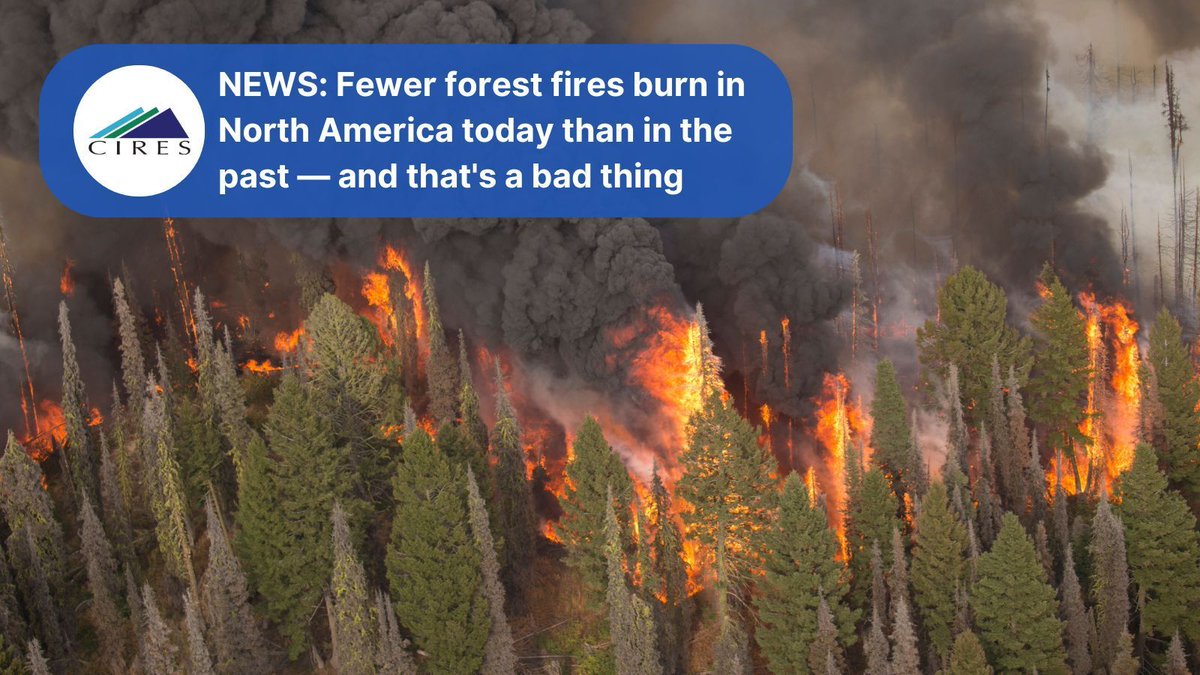
Fewer wildfires burn in North American forests today than in previous centuries, according to research led by @usfs_rmrs and CIRES. But that's not good news — less frequent fires cause fuel to build up, creating conditions for severe fires.
https://t.co/ec402cL2sH
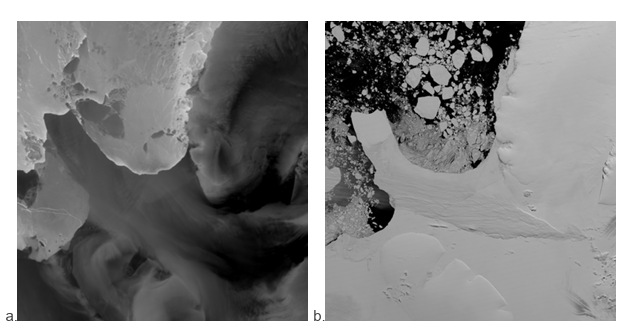
Images of Antarctic Ice Shelves is part of an effort to monitor major ice streams & outlet glaciers along the Antarctic coast, with a focus on the ice shelves considered the most susceptible to rapid change due to climatic warming. Check it out: https://t.co/keNEWrtGvv