"As the planet continues to warm, rare weather events like megadroughts are becoming increasingly common." Strategies for resilience are only becoming more critical as the West faces its driest period in over a millennium. Read about some of them: https://t.co/qCpY23BRKK
Yesterday's @usbr projections for the #CORiver in 2023 are a somber reminder that the future of hotter, drier conditions. We must act now to build climate resilience in the CO River Basin. Find out how at: https://t.co/rXkYgfHnof
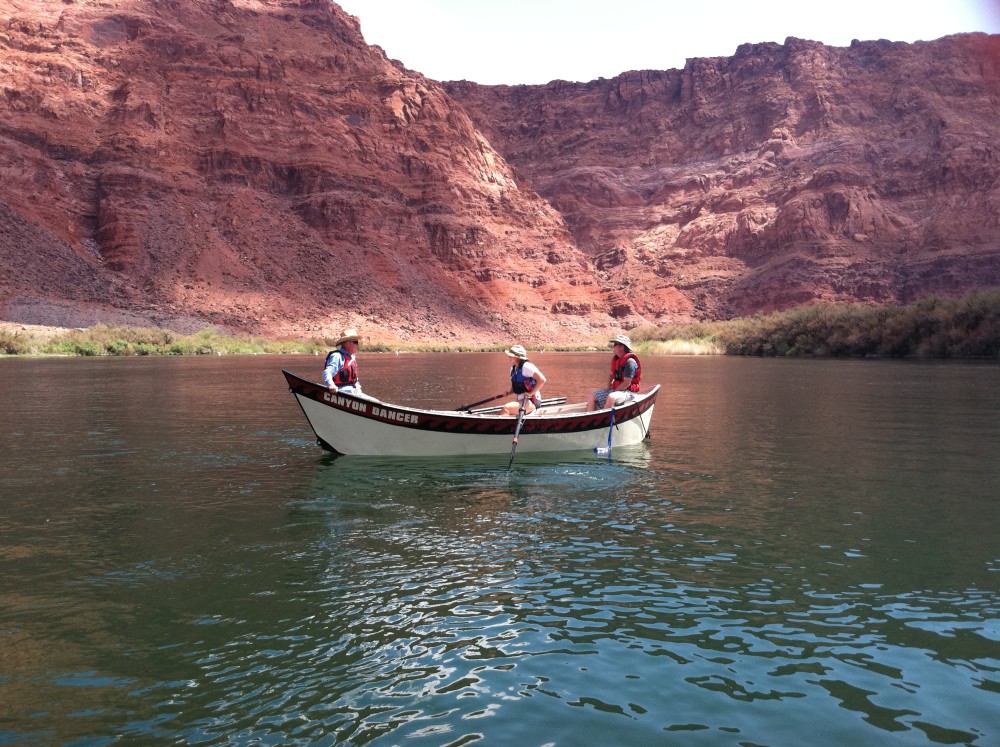
"I had a connection deep in my soul with the rivers – and a strong need to be on them and understand them.”
Growing up, Caroline Nash spent her summers rafting the #CORiver with her grandfather, a Grand Canyon guide. Now, she works to save the river. https://t.co/lGUu4kPTsy
"Rich learning occurs whenever new approaches to managing water are tried," according to a new report from @WaterCenterCMU. Read about insights gained by studying water conservation projects in the agricultural sector, and the win-win solutions available: https://t.co/bHM4jtEYo1
Is a 22-year historic western drought exactly the right time, or exactly the wrong time, to build a big new lake in a struggling Western Slope county? with @chrisoutcalt in @ColoradoSun#water https://t.co/MThxU9y9r8
Check out our SRF Implementation Memo - which will guide a collaborative partnership with states, tribes, and territories to deliver $43B in Water funding that communities desperately need. Please share far and wide!
First solar canal project is a win for water, energy, air and climate in California. Could something like this ever happen in Arizona? https://t.co/yVItiXxzyZ via @ConversationUS
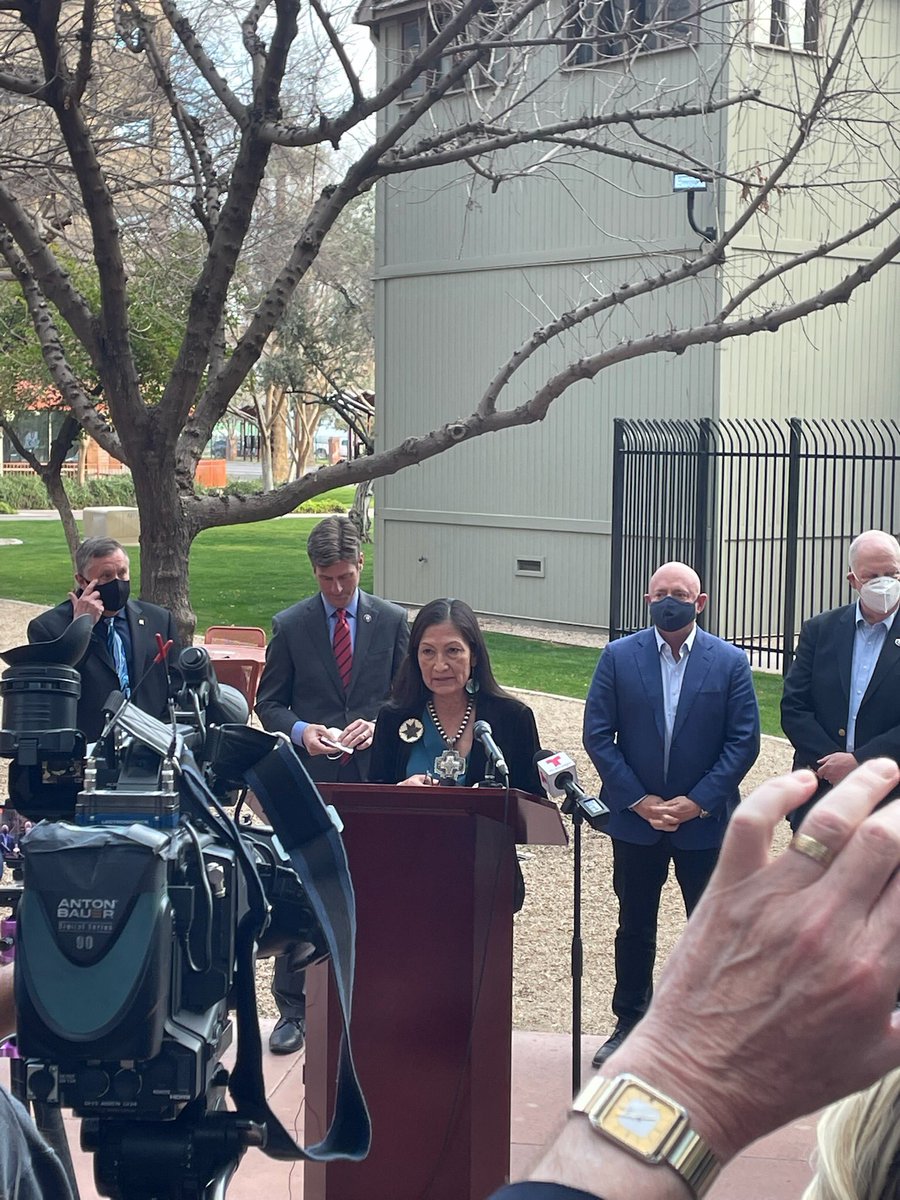
Incredibly generous of @SecDebHaaland & @AsstSecTrujillo to spend so much time in Arizona today: visiting tribes, utilities, NGOs & agencies to fully understand need and opportunity to best leverage incredible federal investment.
"The #1 issue facing utilities is climate change. It's where the rubber hits the road for water utilities."
Jeff Kightlinger is the former GM of the Metropolitan Water District of Southern California, the largest water utility in the US. @mwdh2o@8thGenCA
https://t.co/ovTii3ZNVv
.@MitchFound's board chair @katherinelorenz shares her opinion on why climate change should be a priority in @familygiving's blog: "Family Philanthropy Versus Climate Change: An Opportunity of a Lifetime and Beyond." https://t.co/j0ogMztB6F #SustainableSolutions
“One of the most valuable lessons that we as humans can learn from beavers is persistence. It’s not just that they are great engineers, it’s that they are persistent.” — Caroline Nash, hydrologist and geomorphologist with @CKBlueShift https://t.co/aw9o05BHIe
Healthy #Texas#rivers begin with healthy #groundwater. Learn about these inextricably connected resources and their importance to Texas by watching the @EnvDefenseFund's latest video! https://t.co/AveGo8WtUf
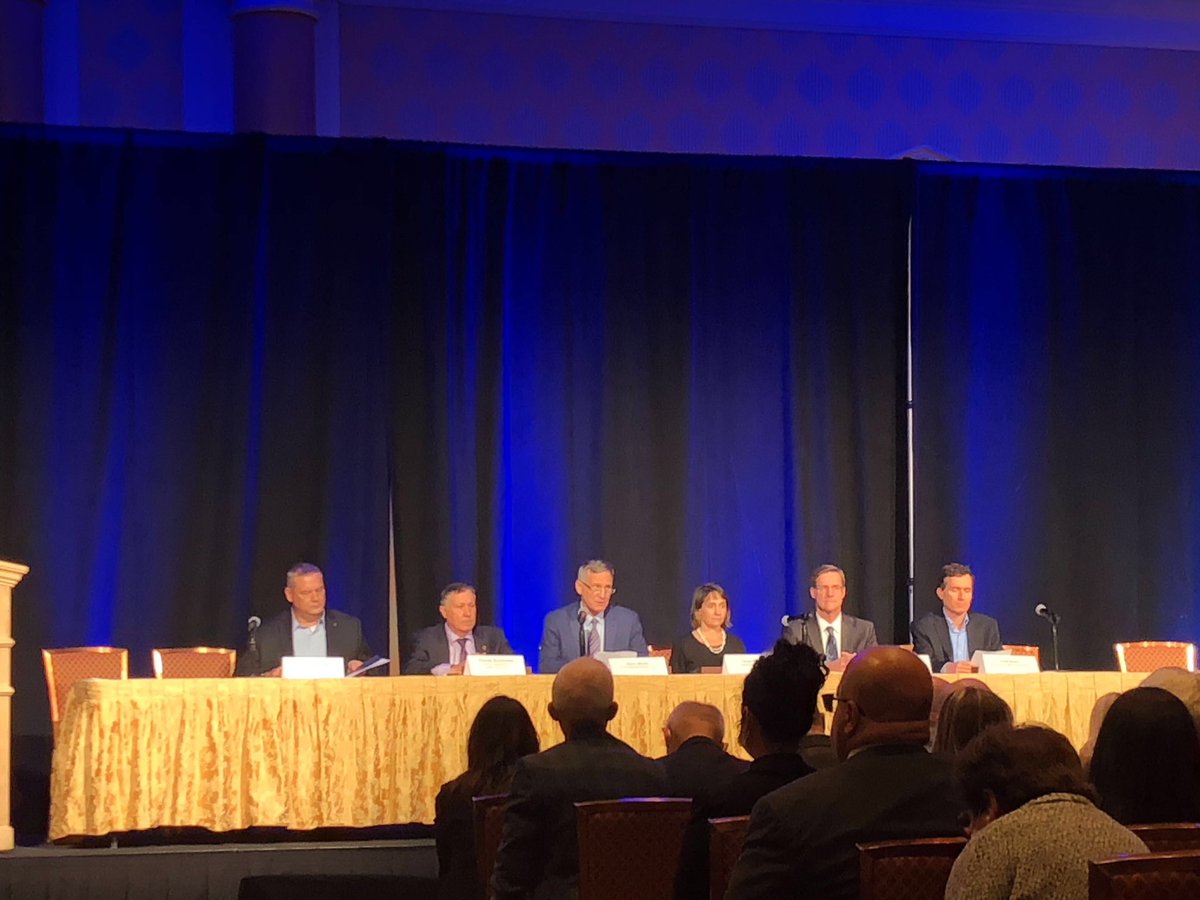
The need for action is clear. In working together w/ tribes, biz, utilities & NGOs we can address our shared water challenges. This resolution underscores our collective ability to scale up & expedite solutions to benefit communities, biz, & enviro Todd Reeve #CRWUA2021
The #500plusplan invites water users in the Lower #CORiver Basin to take temporary and voluntary conservation actions in addition to reductions required under the 2007 Interim Guidelines and #DCP that will be implemented in 2022 in the Tier 1 Shortage. #ColoradoRiver#CRWUA2021
Lower #CORiver Basin states, including @azwater, and several NGOs have signed a Resolution to take collective action to “improve the resiliency of the basin to a warmer and drier climate in order to protect the long-term sustainability of the Colorado River system.” #CRWUA2021
‘Warm snow drought’ (it rains, does not snow) is a term we will be using often in the years ahead. ‘Dry snow drought’ is what we used to think of when we thought of snow drought - and applies to everywhere here except PNW.
More details:
For Colorado River Lee Ferry 'Natural Flow':
2012-13 had 8.9 maf (107/116 years)
1999-00 had 10.5 maf (95/116)
1989-90 had 8.9 maf (106/116)
Last 22 years average about 12.3 maf or ~20% less than 1906-99.
The 3 comp years avg 9.5 maf or ~38% less than 06-99.