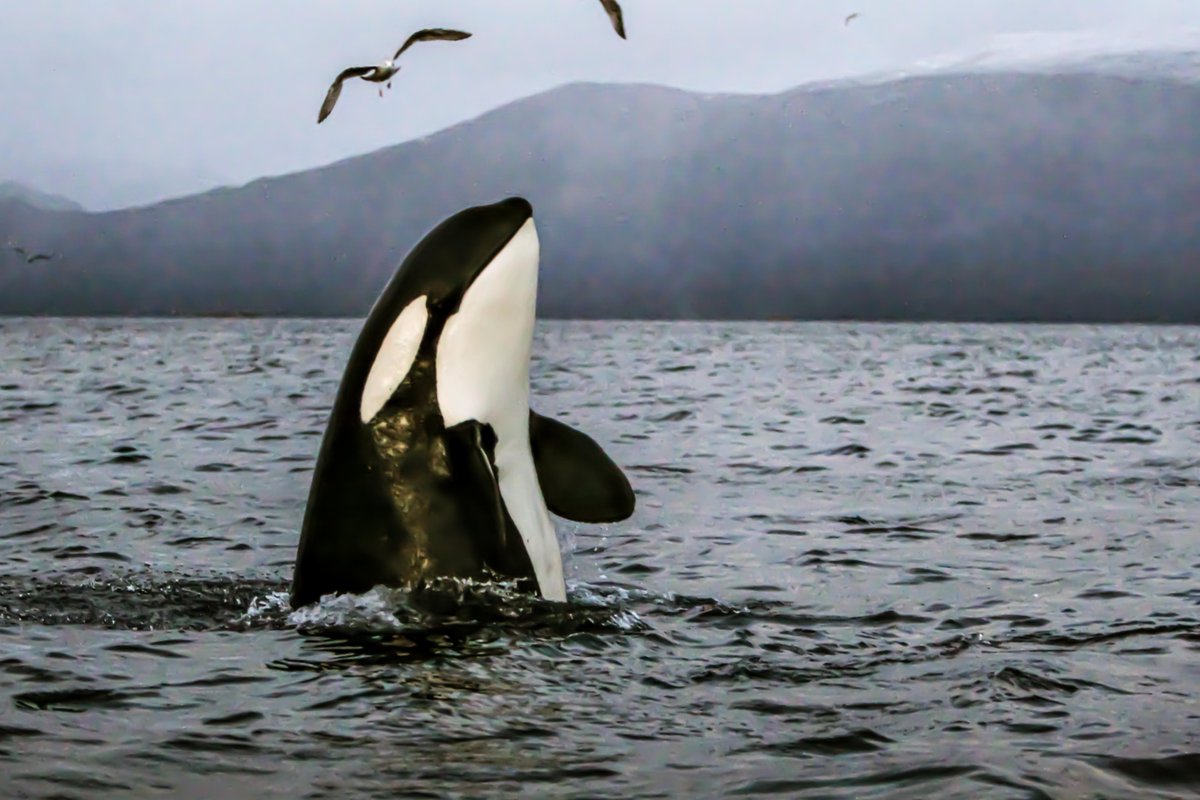
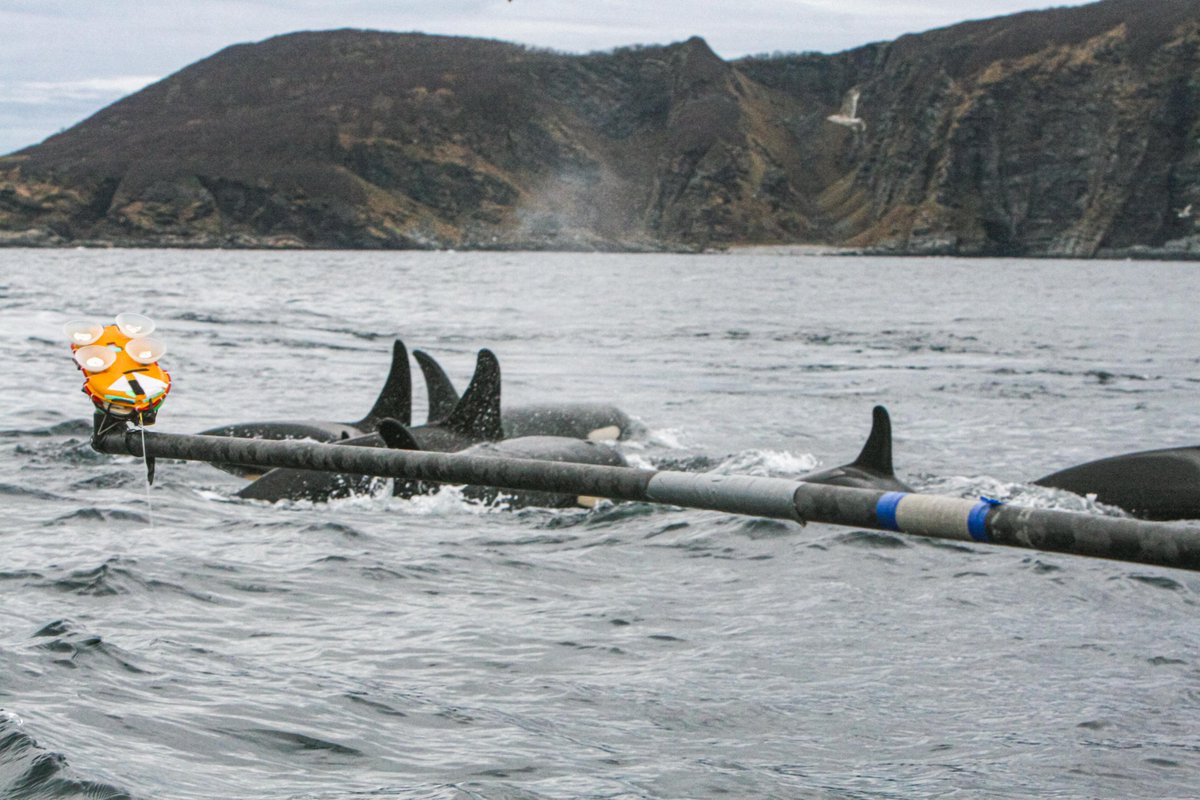
This fall, DRDC gathered data on the behavioural impacts of active sonar on orcas in a research trial in Norway with NATO Allies, to protect whales during operations.
#ArcticScience#DefenceScience
In the mood for a swim? Check out this clip from a recent sonar safety trial where we looked at how active sonar affects whales, ensuring the @CanadianForces can safely conduct marine operations.
#DefenceScience#ArcticScience
Meet Corporal (Cpl) Kassandra Lowe, from 12 Field Ambulance at Canadian Forces Base Esquimalt, who currently works in a Unit Medical Station (UMS) at #OpLENTUSBC.
Have a listen to hear me nerd out about sonar, acoustic monitoring of whales, what's known about impacts of sonar on whales, and how we plan to fill in some of the knowledge gaps to improve the safety and sustainability of sonar training. A collaboration with @SFortuneSea lab.
The same tech that @CanadianForces uses to detect submarines can also be used to watch for whales and keep them safe during DND/CAF operations. Researchers explain how we do it on the @Coastal_Routes podcast: https://t.co/Q4Ed2prkcJ
#OceanWeekCanada
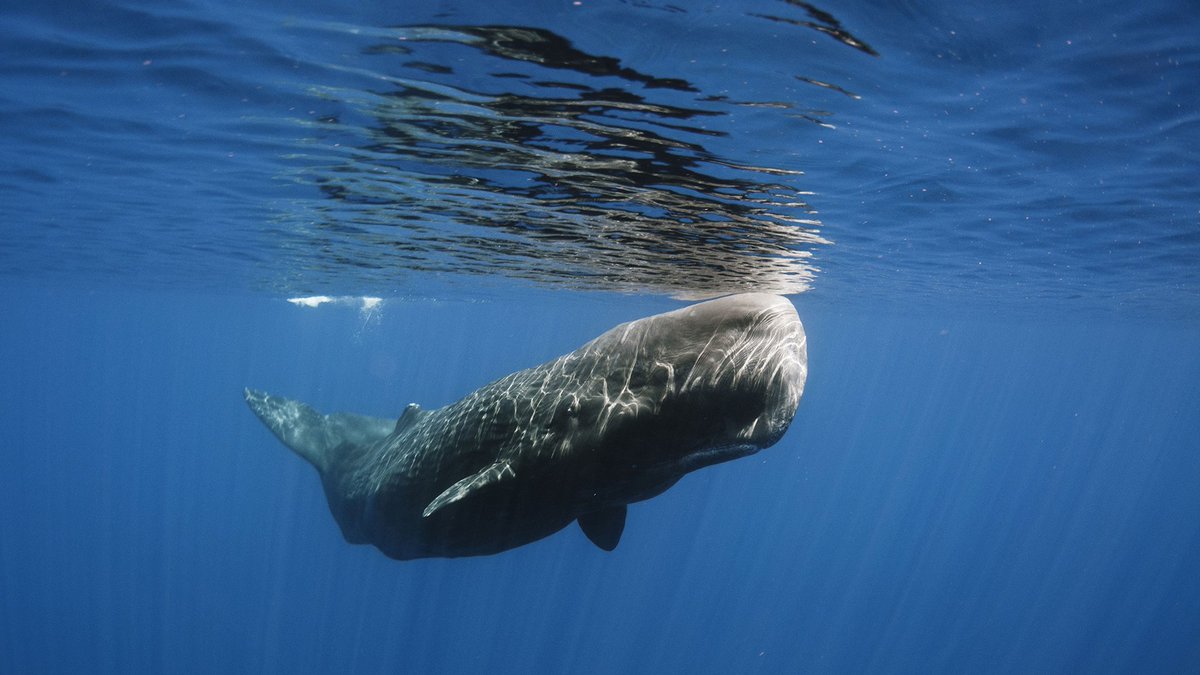
Did you know that the sonar developed for submarines can also help protect whales? We spoke with @DRDC_RDDC@CMBinder & @SFortuneSea to learn how Canada's Department of Defence is collaboratively working to protect whales from ocean traffic! #OceansWeek
https://t.co/KKUtXKATyN
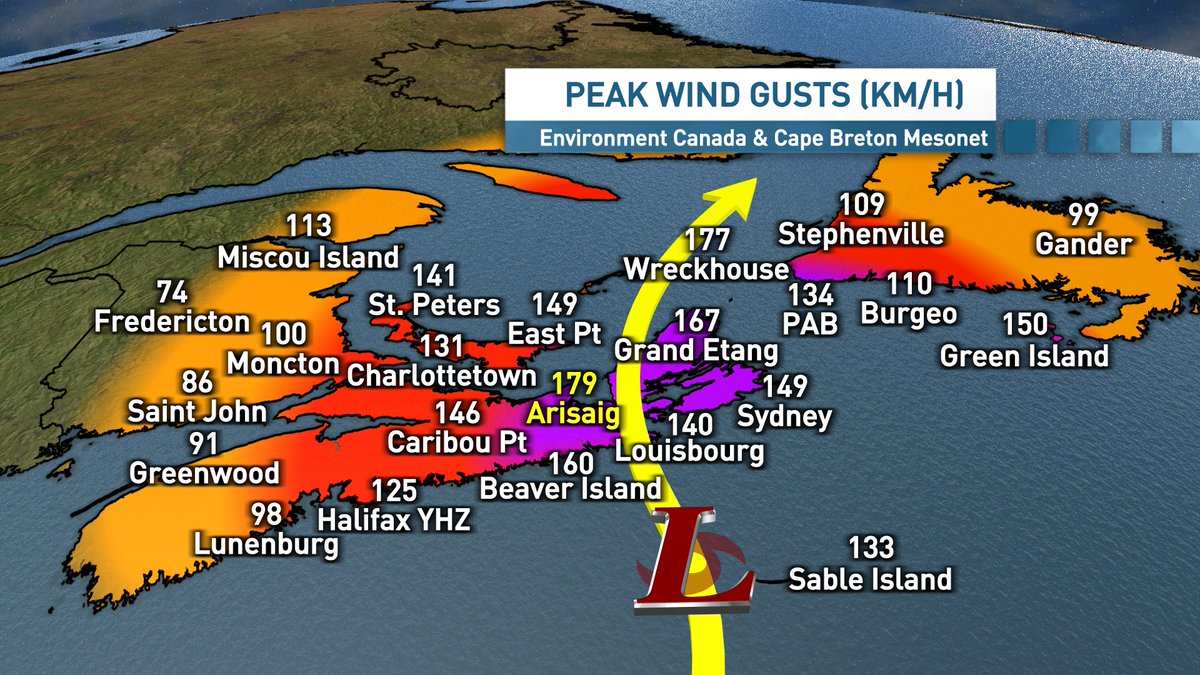
It wasn't just the strength of the winds, but the duration of the winds that made #Fiona such a devastating storm here in Atlantic Canada.
Near the path of the storm, many locations experienced gusts over 100 km/h for 6 to 10 hours, or even longer.
#nsstorm#pestorm#nlwx
Recently, we tested using hydrophones to locate whales and the direction they are headed based on the unique calls they make. This will help alert #CAF decision makers to plan exercises away from marine mammals. #DefenceScience#WorldOceansDay#RevitalizeTheOcean 🌊 1/4
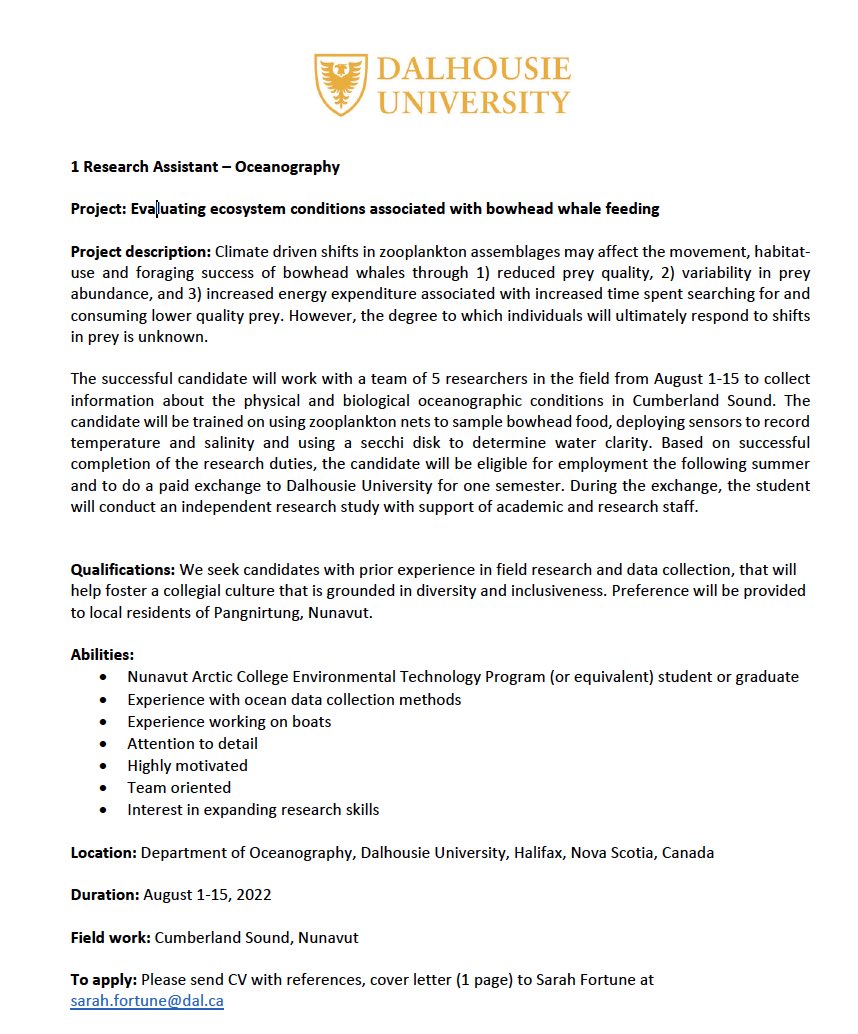
We’re #hiring a northern #research assistant to help with #ocean science in Cumberland Sound, Nunavut this August. Opportunities for future employment and an exchange to #Dalhousie University to conduct an independent research study available! Please RT 🌊🐋
It’s time to let your ideas shine! #DefenceIDEaS launched 4 new Challenges. Check them out and submit your ideas today! The deadline is May 31, 2022. https://t.co/xQCvlSIDQZ
I heard an #acoustics illustration today that blew my mind:
the difference in atmospheric pressure between your waist and the top of your head is about 10 Pa.
An audible tone with peak amplitude of 10 Pa corresponds to sound pressure level of 110 dB (crazy LOUD!!!) . . .
Excited about the work we're doing with the RCN and RCAF to develop and implement automated monitoring methods for whales to mitigate impacts of active sonar.
Dr. Carolyn Binder is developing automatic detection software that can recognize whale calls among a noisy ocean soundscape. This is an important piece in ongoing research to protect whales. #WomenInScience#DefenceScience
VIDEO: Fishing gear entanglements, big ships... whales off Canada's coastlines also face a risk from *sonar*.
The military is now using underwater gliders, solar-powered surfboards, and smart buoys to detect whales, and ensure their naval exercises don't disturb them.
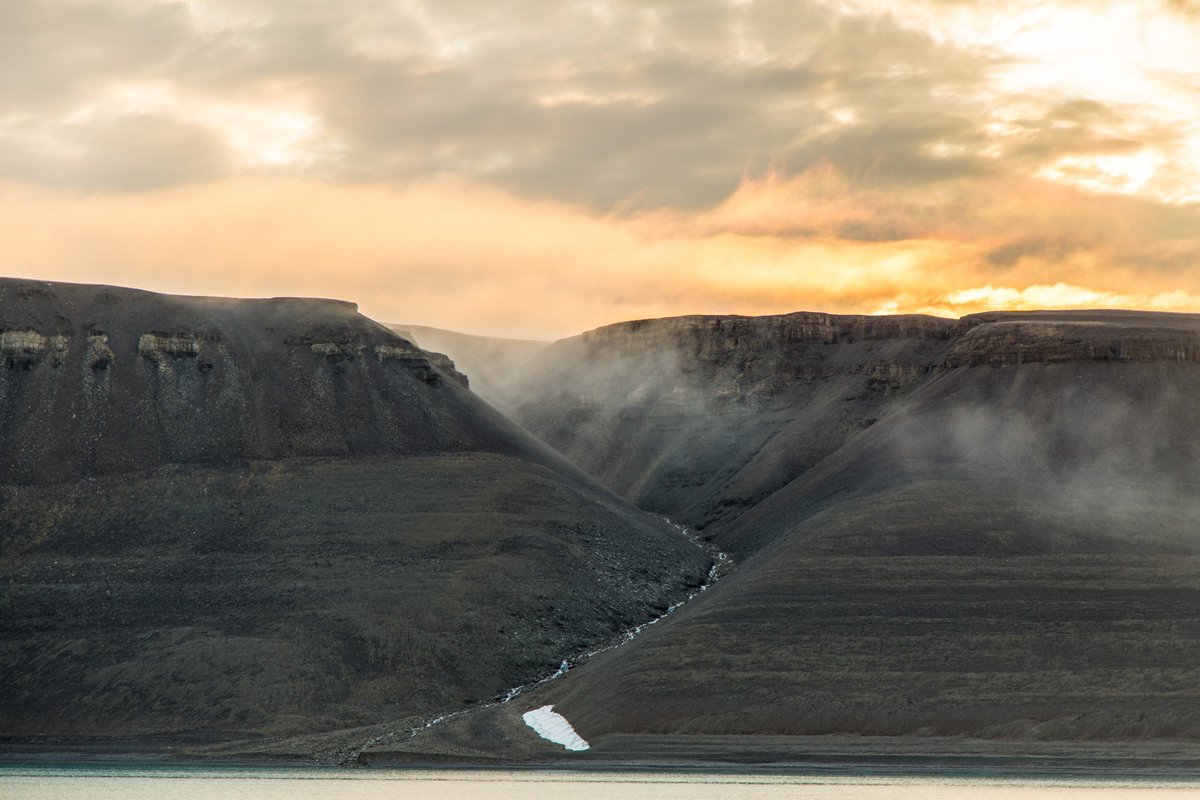
Taking in the stunning scenery in Canada’s Arctic while contributing to research supporting #CAF operational readiness is just one of the advantages to working for Defence Research and Development Canada. #ArcticScienceMonth#DefenceScience