We are streamlining our social media presence. Please follow our main Museum account, @goCMNH, if you would like to keep up with what our educators, scientists, and citizen scientists are up to!
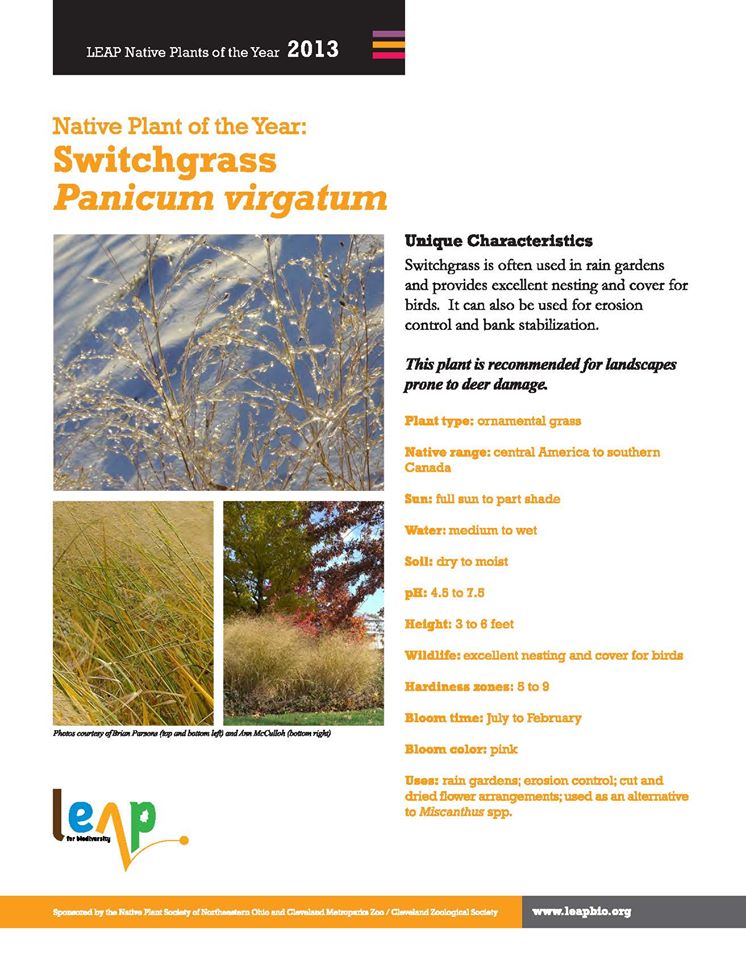
It's Day 9 of #OhioNativePlantMonth! Our #nativeplant for April 9th is... Switchgrass (Panicum virgatum)
Switchgrass is often used in rain gardens and provides excellent nesting and cover for birds. It can also be used for erosion control and bank stabilization.
Click here to learn more about #ProtectCLE and to view the variety of species that other #CitizenScientists have discovered, sometimes in their own yards! https://t.co/H6U8OoTxqD
Take part in our #CitSci initiative @goCMNH! #ProtectCLE, Protect Cleveland’s Living Environment, is an @inaturalist project that’s meant to catalog the biodiversity in Northeast Ohio. Read on below about what #CitizenScience is and why it is so important!
April is @CitSciMonth and we are welcoming it with wide open arms as it is a great activity to do while you stay at home and keep yourself and others safe from COVID-19! Why is that? Let’s start with what on earth citizen science is. https://t.co/mgu8syZrUf
Naturally found in low spots or moist areas in full sun, milkweed is also adaptable to drier conditions. The bright pink flowers are attractive from July to September.
https://t.co/6zhL23XL9e
#OhioNativePlantMonth#NativePlants
https://t.co/9pfv5SVTo4 (2/2)
This versatile shrub tolerates a wide range of soil and growing conditions, including drought and salt spray. Northern Bayberry should be planted in groups to ensure fruiting. (2/2)
https://t.co/6zhL23XL9e
#OhioNativePlantMonth#NativePlants
https://t.co/9pfv5SVTo4
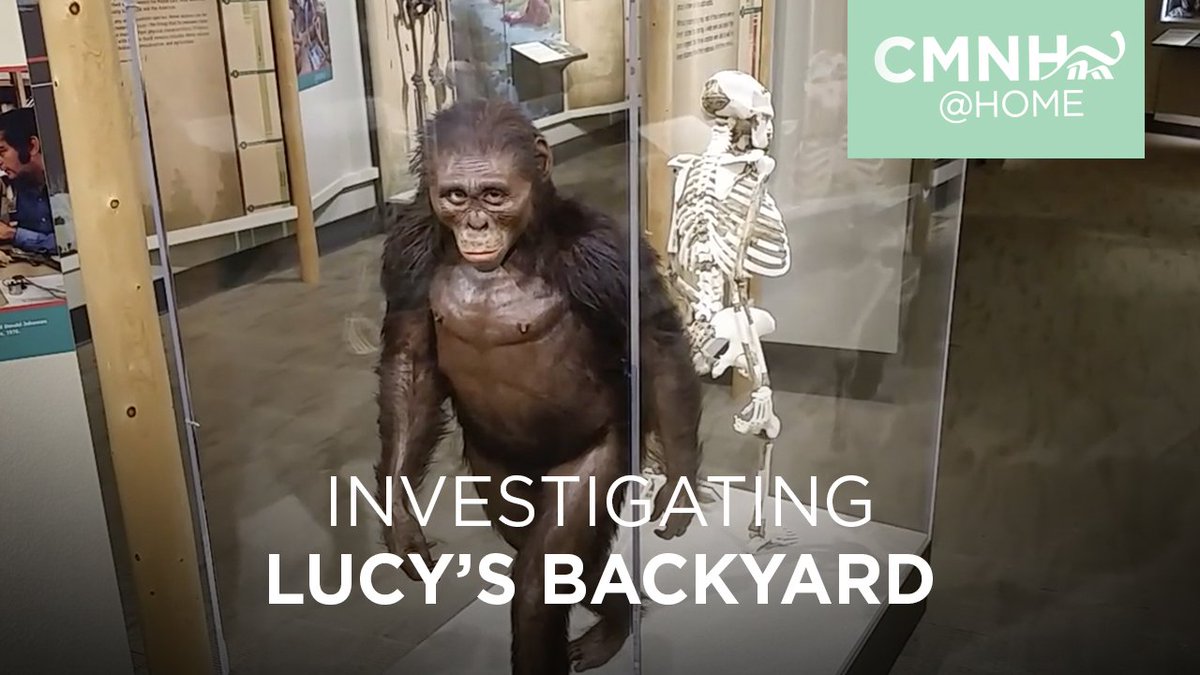
Did you catch today's #MuseumMondays?? We take a tour of the Hall of Human Origins and investigate everything there is to know about #LUCY! Head to our FB page or website to view the video series. Questions?? Contact @CMNHedu for more Lucy info! #goCMNH
https://t.co/Xz7c3IlB9c
This sheet will help students of all ages see the physical differences between #Lucy, Human, and Chimpanzee pelvi and femurs and realize just how important of an adaptation bipedalism was for our ancestors! https://t.co/TXVmbvo9st #MuseumFromHome
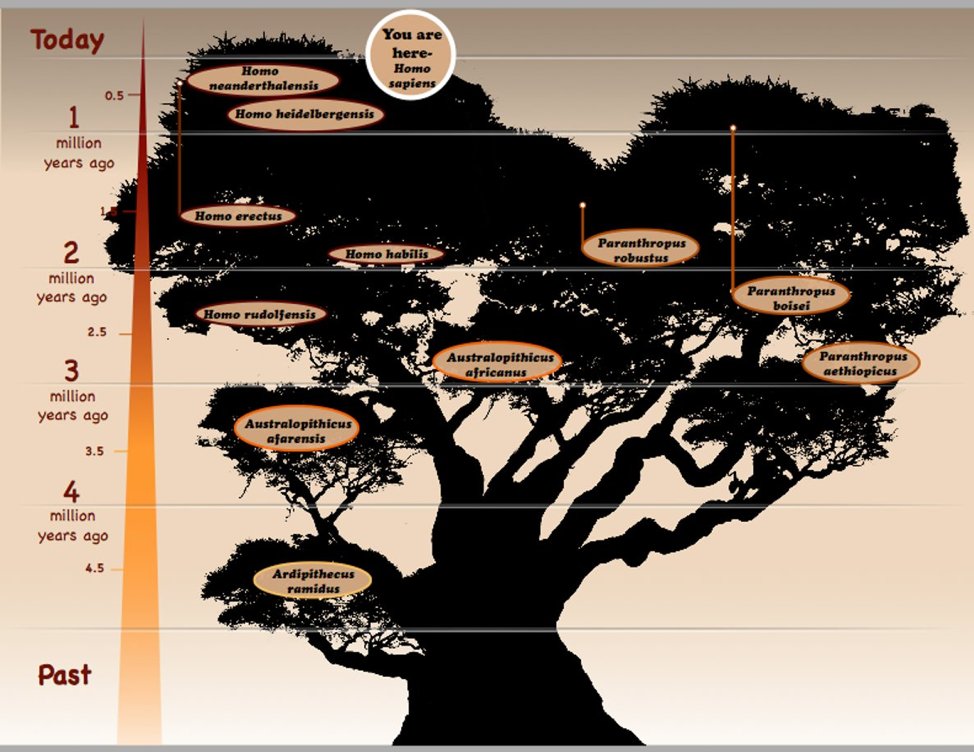
Today for Museum Monday, we discussed the human family tree. Click here to view the video resources we have on our website about human evolution: https://t.co/PYnQ98jJZp #MuseumMondays#MuseumFromHome
Did you catch today's #MuseumMondays?? We take a tour of the Hall of Human Origins and investigate everything there is to know about #LUCY! Head to our FB page or website to view the video series. Questions?? Contact @CMNHedu for more Lucy info! #goCMNH
https://t.co/Xz7c3IlB9c
Thanks for joining us on this Monday's edition of #MuseumMondays all about Lucy. We will be back next Monday to live tweet for you then too. In the mean time ask us any questions you might have about Lucy! #goCMNH#CMNHatHome
Human ancestors were a hugely adaptable which helped them branch out and be able to survive in many different environments. The family tree shows you what this family tree looks like #goCMNH#MuseumMondays#CMNHatHome
Woah I had no idea all primates had color vision. I thought that they had black and white vision! But it makes sense that they needed it to avoid toxic food #goCMNH#MuseumMondays#CMNHatHome
Lucy was a generalist. She used a lot of different environments & ate a lot of things in her environment. Chimps are specialists & mainly eat fruit. Are you a specialist or a generalist? #MuseumMondays#goCMNH#CMNHatHome
Then before it could dry, it started to rain as creatures stepped in it. So when it hardened the footprints were still there and got preserved! So cool! 2/2 #MuseumMondays#goCMNH @CMNHatHome
It’s getting kinda quiet here so let me tell you how these fossils formed! There was a volcano that blew up & the ash covered everything! #MuseumMondays#goCMNH#CMNHatHome 1/2