Since mid 1970s; none of the GDP growth in China has been down to productivity gains. It was all down to extraction of finite natural resources. It gives a clear account of how economic paradigm have been driving us towards unsustainability. China can not be singled out on this.
Cloud should not be limited to lower-value infrastructure services like storage, DWH & backups; it must become a core aspect of every business process & utilize all of the cloud’s PaaS & SaaS capabilities. SAP on Azure is the result of years of planning. https://t.co/HpooKQiYuE
The climate stripes illustrate the global average temperature for every year since 1850 in the form of a coloured stripe. Shades of blue represent cooler years and red, warmer years.Overall effect is a striking trend, result of human-caused climate change. https://t.co/8LUWJlYGhX
When an organization embarks on its data journey, it should be clear to everyone that transformation & data are not enough: the real power comes from adoption. Financial & ROI metrics are important but 2nd to adoption, where statistical proofing becomes part of decision making.
Once all cost savings endeavours are squeezed out of the analytics assembly lines; additional investment can be justified through strategic values alone. It takes time to earn credibility; project by project. Forced constraints / compromises reduce true abilities of analytics.
The most complex task of Analytics is to define, design & derive right set of KPIs. It takes effort from multidisciplinary team: functional, technical, operational, tactical & strategic. Analytics is a business investment, not technology investment. Outputs should be proactive.
Key measures for success of Data/Analytics team are: Operationally; SLAs involving data load window, quality of information and timely delivery of information. Functionally; quality of insights generated, translation to corporate actions, resulting business performance from it.
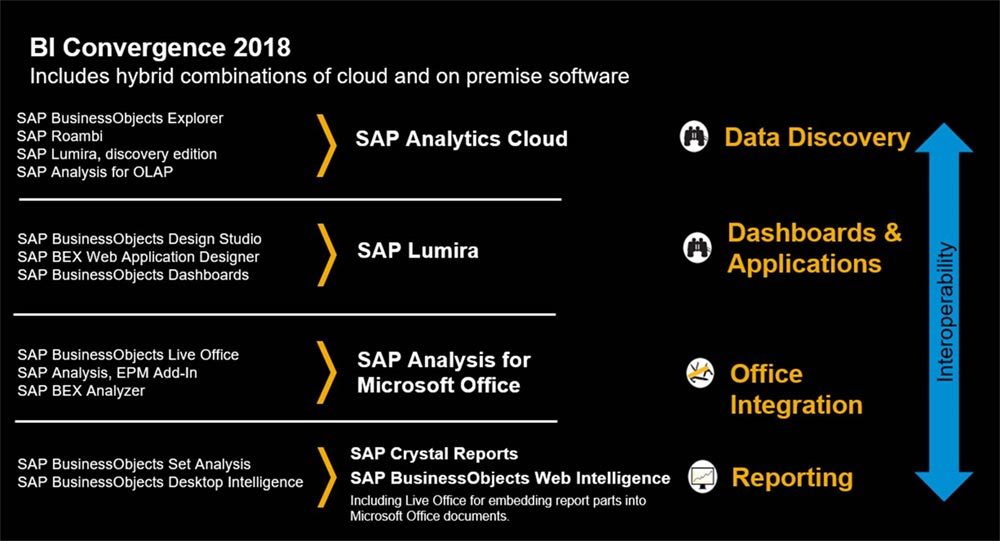
SAP analytics product strategy is focused on combining SAP Analytics Cloud & SAP BusinessObjects Enterprise into a hybrid solution (single subscription license); that leverages the strengths of both platforms, while enabling rapid innovation in the cloud. https://t.co/DHCuudfhj2
The most prolific sources of data is often customers. Together with data for suppliers, prod process, cycle time, equipment & throughput effectiveness, prod yield rate, order performance & return rate; it is possible to improve information flow within a manufacturing business.
There are some interesting punchlines; technology & consulting companies use while trying to sell their products or services. Most notable ones are “We Simplify” or “We delivery understanding”. What we deliver or speak has no value, unless understood by intended users (groups).
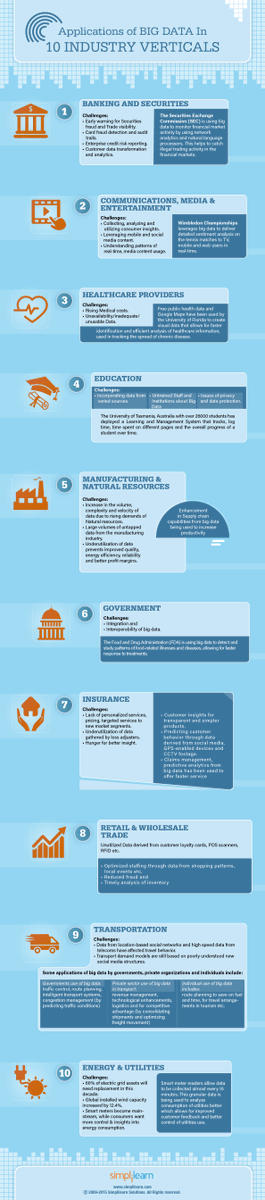
To capitalize on big data opportunities, it is imp to familiarise ourselves with industry-specific challenges; understand the data characteristics of each industry; match market needs with our own capabilities.
Vertical industry expertise is key to utilizing BigData effectively.
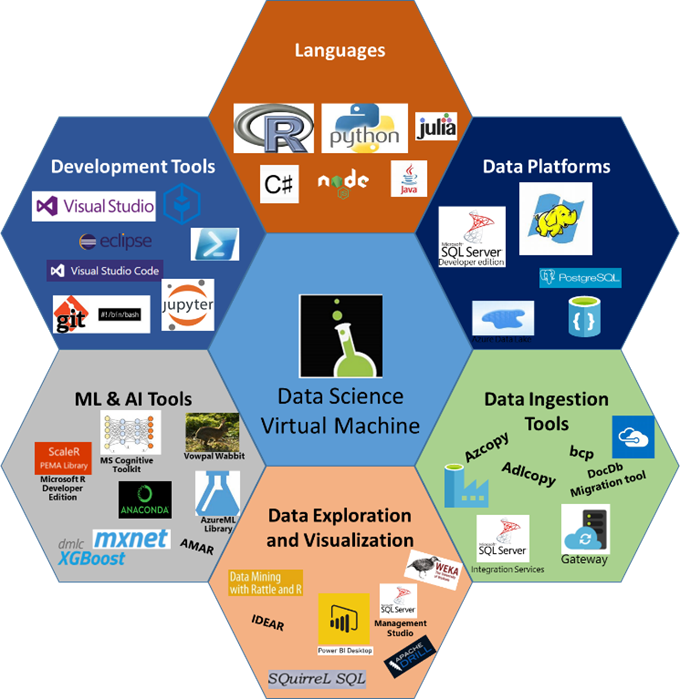
Open source tools for Big Data; are the most useful choice of organizations are making, factoring the cost and other benefits. These can be categorized based on: data stores, development platforms, development tools, integration tools, and analytics tools. https://t.co/M95Zwiysx4
Industry may be paying too much attention to just ideas; without validating ROI & how to measure it? For Ex: With added ease of creating reports, customers can save an average of 2 hours weekly with one customer saving an estimated 10 hours each month by automating daily reports.
Transformation strategies should be derived from processes that are inherent within an organisation. Having a better understanding of inefficiencies in underlying business processes can help to invest wisely in enabling greater internal efficiencies & external effectiveness.
Transformation strategies should be derived from processes that are inherent within an organisation. Having a better understanding of inefficiencies in underlying business processes can help to invest wisely in enabling greater internal efficiencies & external effectiveness.
Cloud service providers deliver an integrated suite of services that provide everything needed to easily build & manage data lakes for advanced analytics. These data lakes can handle the scale, volume, agility & flexibility; better than traditional BI/DWH. https://t.co/cSbRRXi98S
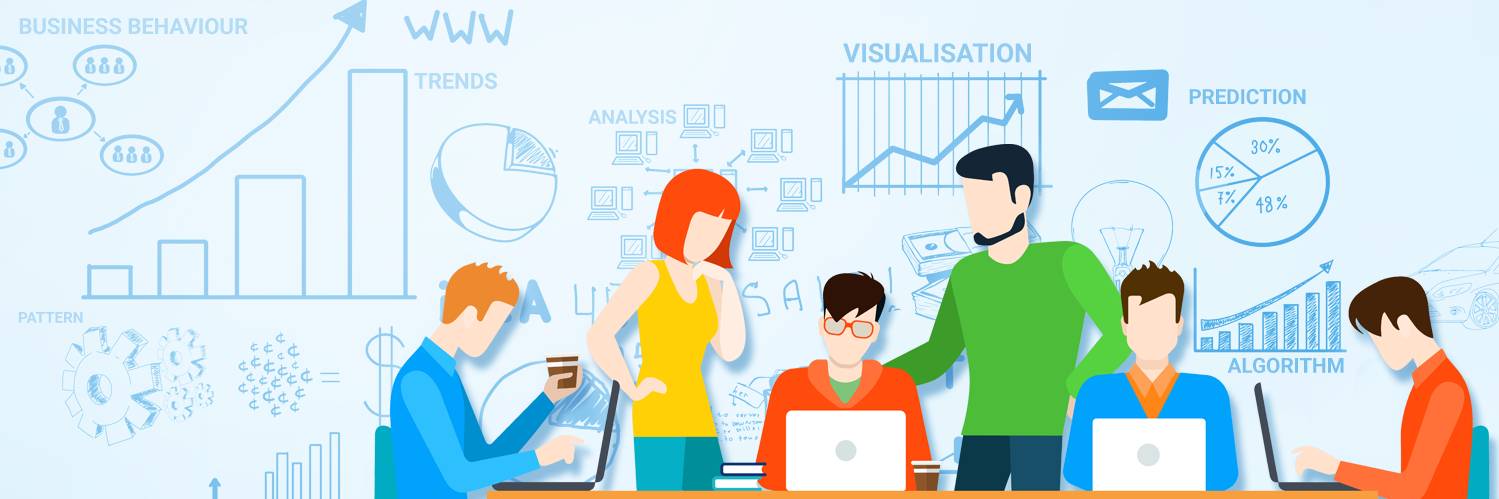
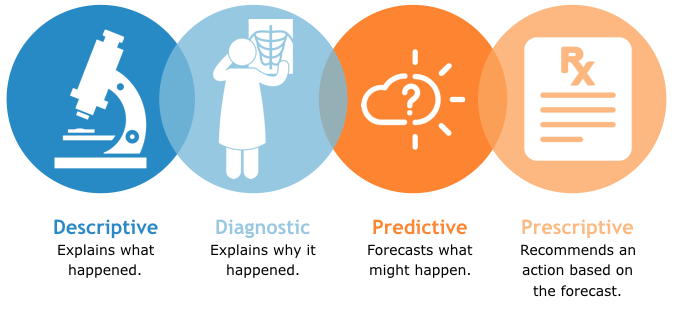
With analytics, companies are free to choose how deep they need to dive in data analysis to satisfy their business needs best. While descriptive and diagnostic analytics offer a reactive approach, predictive and prescriptive analytics make users proactive. https://t.co/Z2X6SOO19k
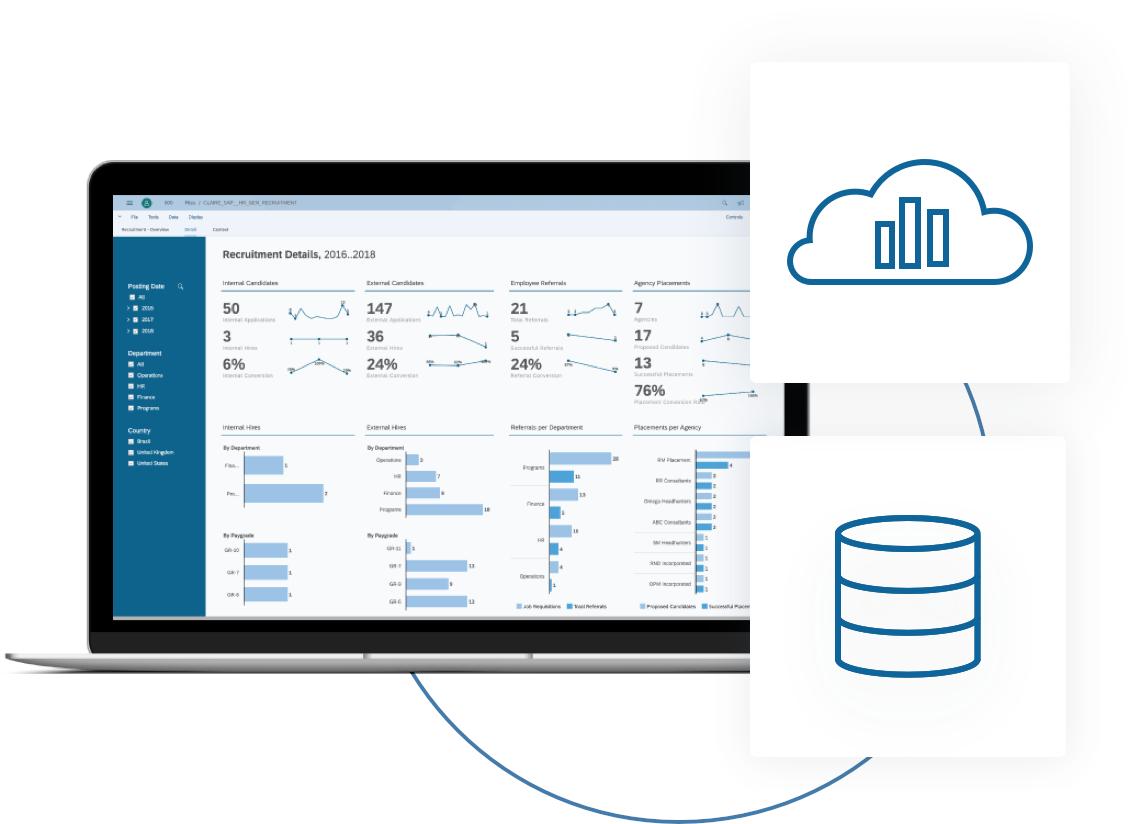
SAP Analytics Cloud is a SaaS offering that provides all the analytics capabilities in one product. 52% users chose SAP Analytics Cloud because of the high innovative capacity of SAP. 87% rate its price-performance ratio as excellent. 96% would recommend SAP Analytics Cloud ⛅️
Since analytics often deals with high-value information, companies have stayed on-premise because of concerns over information security.The Hybrid Cloud approach has benefit from the security of on-premise, and the flexibility of a Cloud-based environment. https://t.co/Tco3OzLqjP
Bad data costs US businesses alone $600b annually. By 2020, there will be >50b smart connected devices in the world, collecting, analysing & sharing data. A 10% increase in data accessibility will result in greater than $65m additional net income for typical Fortune 1000 company.