I have been asked by several people what I meant when I said “we are in a world war” in my most recent note. To be clear, I didn’t mean to convey that I expect a shooting war between the U.S. and China (or any of the great powers) anytime soon. What I meant is that we are in the phase of the Big Cycle when major powers are in military wars and that the various wars happening now are interrelated, hence we are in a “world war," with the sides lined up as I described and with the implications for each of the main players and the whole unfolding in relatively classic interrelated ways that I describe as a progression of the Big Cycle.
For example, it is now widely believed that if the U.S. fails to open the Strait of Hormuz to have free shipping and to protect its Gulf Allies from attacks, countries all around the world (most importantly in Asia) will conclude that the U.S. might not be the strong ally and countervailing force to China that they thought it would be. which will lead some to tilt economically and geopolitically more toward China in a number of ways - e.g. to buy less U.S. debt (which is what happened to the British in the Suez Crisis, bringing about the ultimate end of their Empire) - and it could lead others to build up their military capabilities. As I complete my nearly three-week trip in Asia, I can convey that what I am saying is based on a lot more than conjecture.
The reason I do not expect a U.S.-China military war soon, but I do expect a lot of brinksmanship, is because both nations realize that such a war would be devastating and that it would be impossible to fully win over the other, at the same time as they won’t want to give much. Also, each country believes in its own economic and political systems and that the outcomes of those systems will determine their relative powers. And both nations have critically important domestic issues to deal with. Some people in leadership positions, especially in China, believe that the relative health, wealth, and power levels between countries is not as important as their own absolute health, wealth, and power levels, and that helping each other build these rather than tear them down is most important. For example, they believe that the world will be a dangerous place if the U.S. and China don't have AI cooperations and controls, and they are concerned that AI can be weaponized. Most countries know that most wars in history were won by one of the sides secretly developing new technologically advanced weapons and showing them to their opponents.
So, I believe that both sides think that their wars will be non-military wars that will yield evolutionary changes in relative powers. As for how the Chinese will fight, and how the world order related to it will evolve, it will probably look more like the type of war described in the “Art of War” (which I suggest you read if you haven't), and for how the new international world order will evolve, to the extent that it is influenced by the Chinese, it will evolve to be more like the tribute system (which I suggest you understand if you don’t) than the existing world order.
At the same time, I expect that there will continue to be trade, capital, technology, cyber, and geopolitical influence wars between these great powers and that both will continue to have justifiable fears of being cut off from essential goods, services, and capital that will necessarily will greatly reduce imbalances and interdependencies as well as efficiencies in production and trade of goods, services, and capital. I also believe we will increasingly see these two powerful nations pressure each other because there is no other way to resolve disputes now that the rules-based multilateral world order has been replaced by a power-based, self-serving world order.
Said differently, I expect that China will be very strong in its defense without being very aggressive in its offense. That is not just for tactical reasons; it is also because China has strong cultural inclinations to be that way.
I hope this is helpful in clarifying my thinking and as always I'd be happy to answer any other questions or hear your thoughts.
Ray
I had dinner once with a top physicist and a top computer scientist and asked what they thought the probability was that we were in a simulation.
They answered simultaneously at 0% and 100% respectively. It was like a double-slit experiment, but with humans.
🌍 Top 10 contributors to global real GDP growth (2026)
1.🇨🇳 China — 26.6%
2.🇮🇳 India — 17.0%
3.🇺🇸 United States — 9.9%
4.🇮🇩 Indonesia — 3.8%
5.🇹🇷 Türkiye — 2.2%
6.🇳🇬 Nigeria — 1.5%
7.🇧🇷 Brazil — 1.5%
8.🇻🇳 Vietnam — 1.6%
9.🇸🇦 Saudi Arabia — 1.7%
10.🇩🇪 Germany — 0.9%
📌 China + India alone = 43.6% of global growth
📌 Asia-Pacific accounts for ~50% of total growth
Source: IMF
Touched down in Dubai for a power-packed day of high-impact meetings! Just wrapped up an inspiring session with my brother and H.E. Abdullah Lootah—a true leader in government excellence.
UAE Governance Lessons:
Studying UAE’s top practices in civil service reform. Their focus on efficiency, innovation, and accountability is reshaping public sectors worldwide.
Adapting for Pakistan:
Turning these best practices into actionable policies for Pakistan. Strong institutions are the bedrock of real economic growth.
Building Tomorrow:
Excited for partnerships that drive learning, reform, and delivery.
#Dubai #GovernmentExcellence #CivilServiceReform #UAEBestPractices #PakistanPolicy #Efficiency #Innovation #Accountability #PublicSector #LootahMeeting
دبئی میں ایک با معنی تعامل سے بھرپور دن کے لیے لینڈ کیا—اعلیٰ اثر رکھنے والی اہم ملاقاتوں کا سلسلہ! ابھی اپنے بھائی اور عزت مآب عبداللہ لوطاح کے ساتھ ایک نہایت متاثرکن نشست مکمل کی—حکومتی اعلیٰ کارکردگی میں ایک حقیقی رہنما۔
یو اے ای کی گورننس سے حاصل ہونے والے اسباق:
یو اے ای میں سول سروس اصلاحات کے بہترین طریقۂ کار کا مطالعہ۔ کارکردگی، جدت اور جوابدہی پر ان کی توجہ دنیا بھر میں عوامی شعبے کو نئی شکل دے رہی ہے۔
پاکستان کے لیے تطبیق:
ان بہترین عملی مثالوں کو پاکستان کے لیے قابلِ عمل پالیسیوں میں ڈھالنا۔ مضبوط ادارے ہی حقیقی معاشی ترقی کی بنیاد ہوتے ہیں۔
کل کی تعمیر:
سیکھنے، اصلاحات اور مؤثر عمل درآمد کو فروغ دینے والی شراکت داریوں کے لیے پُرجوش۔
#Dubai #GovernmentExcellence #CivilServiceReform #UAEBestPractices #PakistanPolicy #Efficiency #Innovation
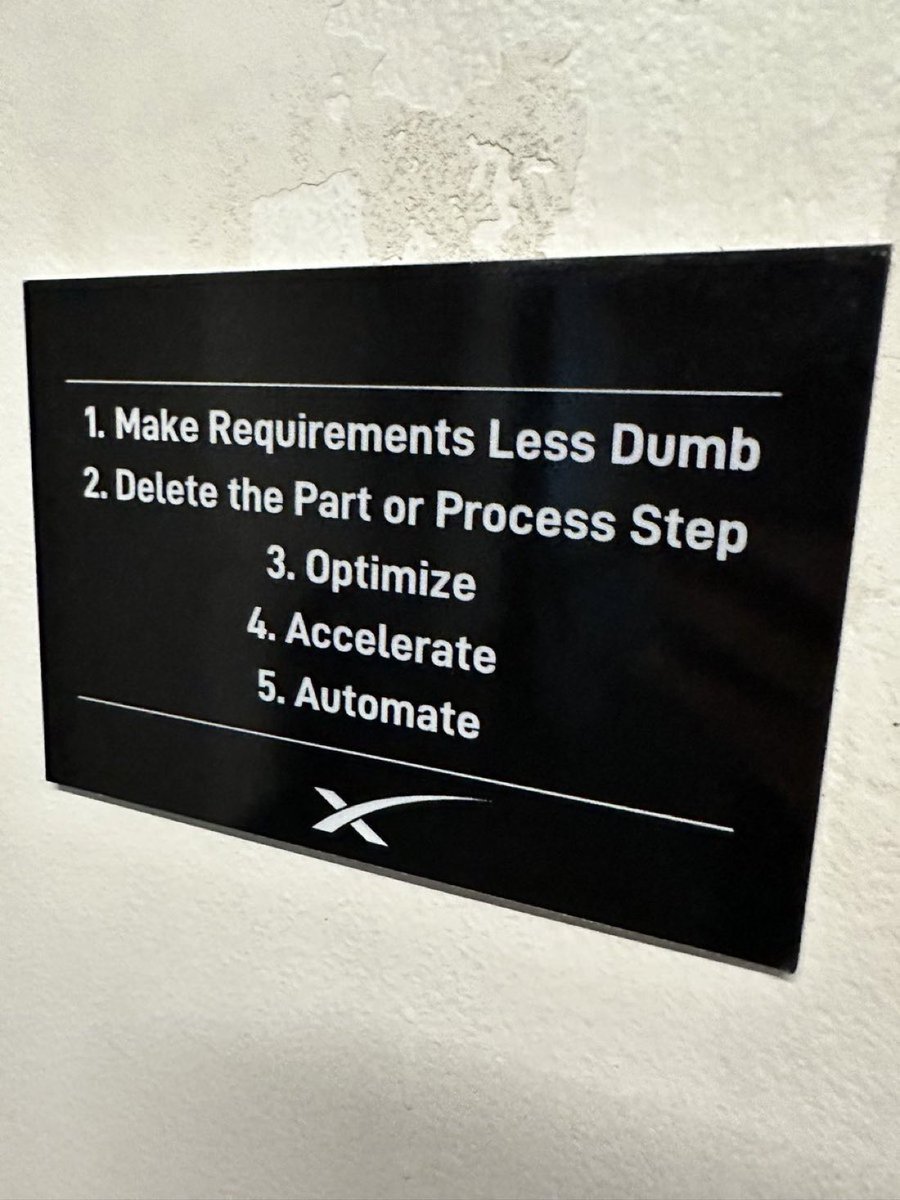
“Money is essentially an information system for labor allocation, so it has no power in & of itself. it's like a database for guiding people as to what they should do.”
— Elon Musk
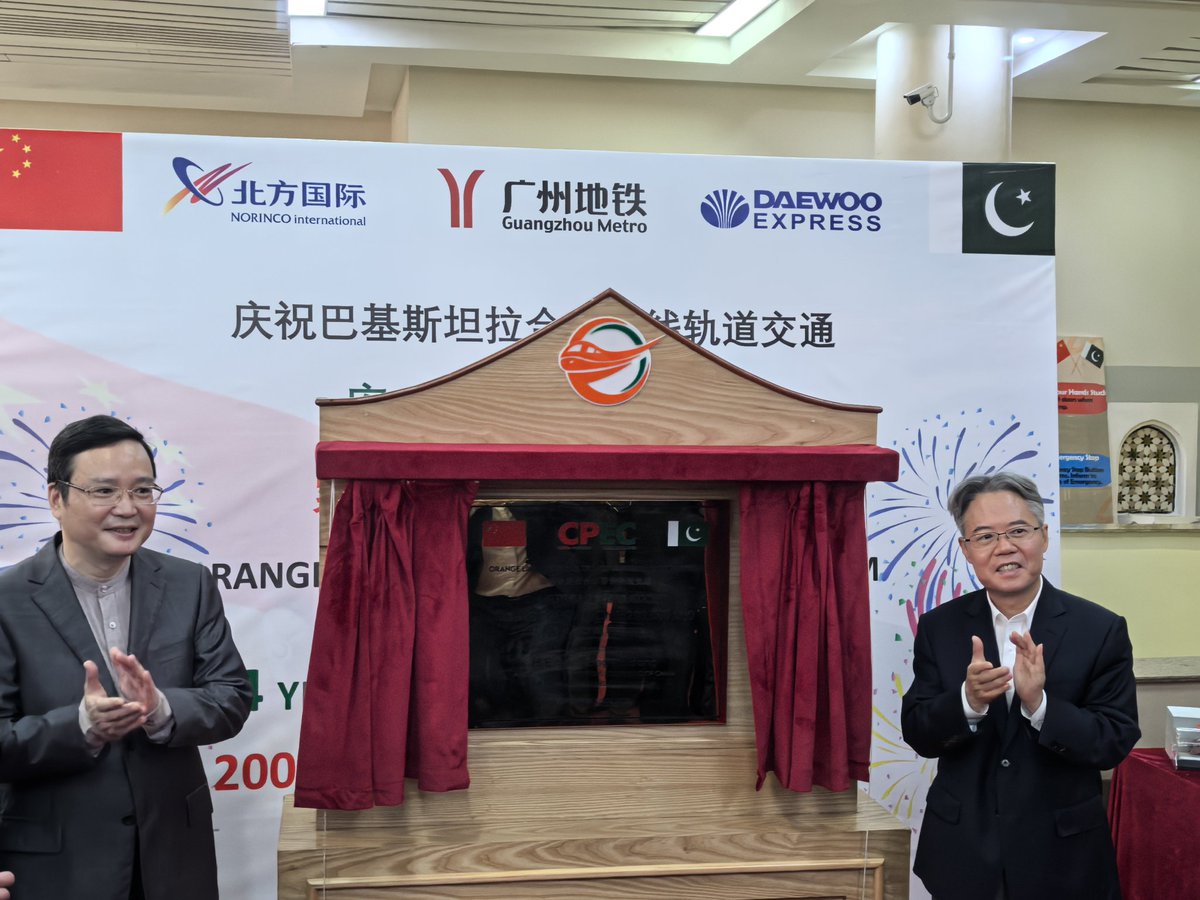
Chinese Ambassador to Pakistan, Jiang Zaidong, took a ride on the Lahore #OrangeLine together with local people! A total number of 200 million passengers have rode the Line since its inauguration, a milestone truly reflecting how #CPEC benefits Pakistani people! @betterpakistan
While we wait patiently for #ORCP action at COP 28, let's not forget about Thar Block VI. https://t.co/cOeY9X09Al
Once the railway is built, Thar VI becomes even more of a no-brainer. Plan B with K Electric looks much more likely (see RNS 16/05/2023). News within 6 months IMO.