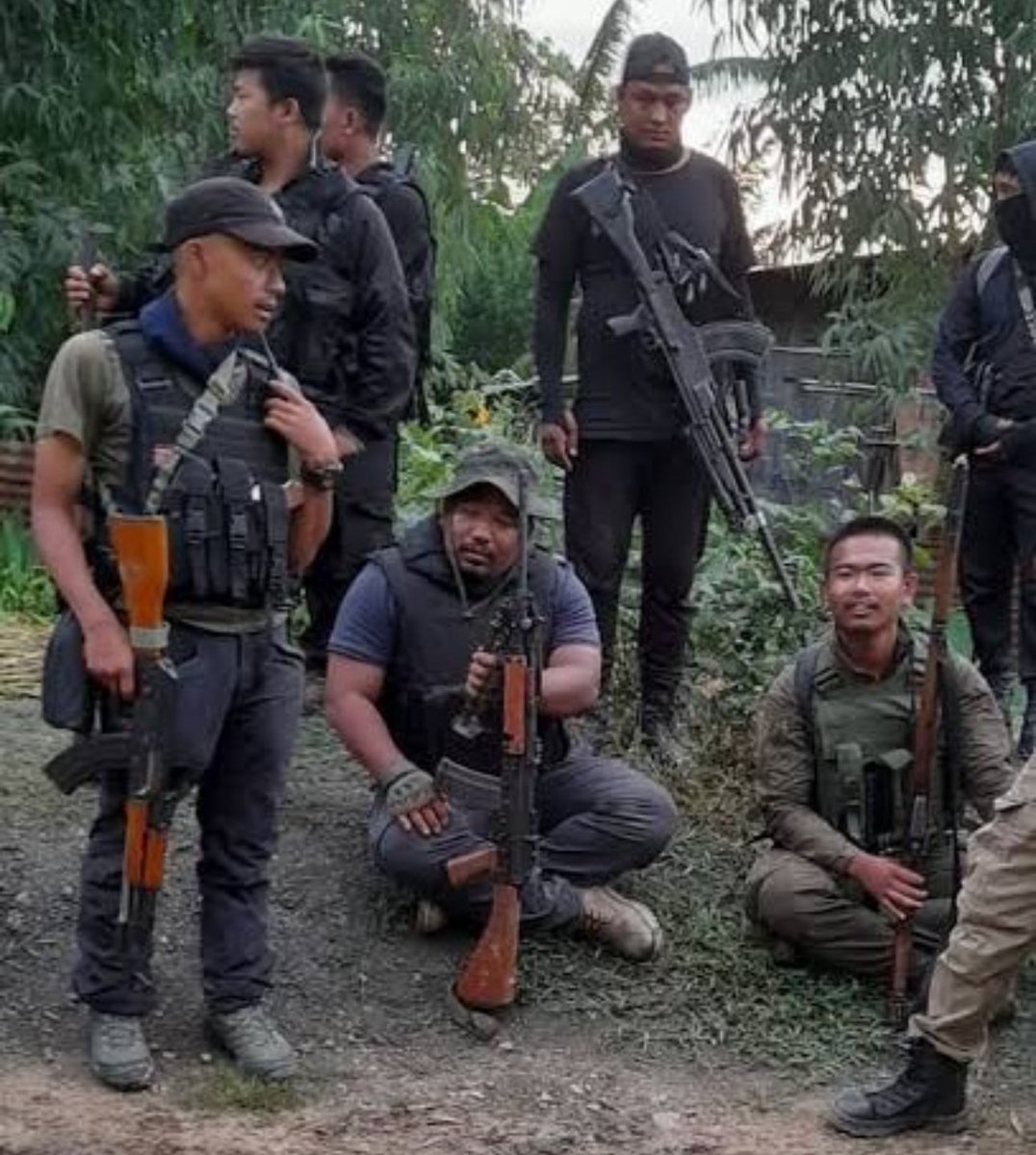
It was you and your mother’s stupidity idiot girl , who were distributing arms and ammunition to NIA wanted militants and now you want to blame PM for it .
Keep this drama for your climate change activism, which your con father runs.
#manipur
📍Manipur: 𝐆𝐨 𝐁𝐚𝐜𝐤 𝐂𝐞𝐧𝐭𝐫𝐚𝐥 𝐅𝐨𝐫𝐜𝐞𝐬.
Meiteis are a bunch of secessionists. Some have declared independence from India while others are fighting for sovereignty & the public is now openly rallying against Central Forces.
Act now @HMOIndia
The narrative being spread by certain groups in Manipur labeling the Kuki community as “refugees” is deeply hurtful and historically misleading. It is important to clarify that the Kuki people are not outsiders in places such as Kangpokpi, Tengnoupal, Chandel, Moreh, Jiribam, Saikul and other hill regions of Manipur. These lands have long been inhabited and governed by Kuki chiefs under the traditional village administration system, which functioned independently long before modern state boundaries were drawn.
Historically, the Kuki people lived across a continuous homeland that today falls within present-day India, Myanmar, and Bangladesh. The division of this ancestral land occurred due to colonial boundary demarcations, not because the people migrated as refugees into foreign territory. Like many indigenous communities in the region, the Kukis governed themselves through hereditary village chiefs and customary laws. They were not subjects created by modern governments; rather, modern borders separated them.
During military operations in Myanmar in the 1960s, many ethnic communities, including Kukis and Tangkhuls from the Somra Tract area, were displaced. Those who crossed into Manipur resettled among their own ethnic kin in existing villages. Being given refugee status in administrative terms does not erase their indigenous identity or ancestral connection to the land. It simply reflected the political situation created by international borders.
The attempt to label the Kuki community as foreigners in their own homeland ignores history, culture, and lived reality. The hills of Manipur have long been home to multiple indigenous tribes who were divided by arbitrary colonial boundaries. Political narratives should not be used to deny any community its rightful identity and heritage.
The Kuki–Chin–Mizo people share one cultural and historical family. They are connected by common bloodline, language roots of the Tibeto Burman family, traditional chieftainship systems, customary laws, and rich cultural practices such as festivals, folk songs, shawls, and oral histories. The majority follow Christianity today, which became deeply rooted in the community during the late 19th and early 20th centuries, though their traditional beliefs and customs remain an important part of their heritage.
They occupy areas across the hills of Manipur, Mizoram, parts of Nagaland and Assam in India; the Chin State and Sagaing Region in Myanmar and the Chittagong Hill Tracts in Bangladesh. Though separated by international borders, the Kuki–Chin–Mizo people remain one in culture, faith, and ancestry.
@DDNewsMizoram@wkzic@KukilandM77127@ITLFMediaCell@USEmbassyBurma@myammar@ChiefAdviserGoB@BJP4India@TOIIndiaNews@COTU_Kangpokpi@ThePrintIndia@Spearcorps
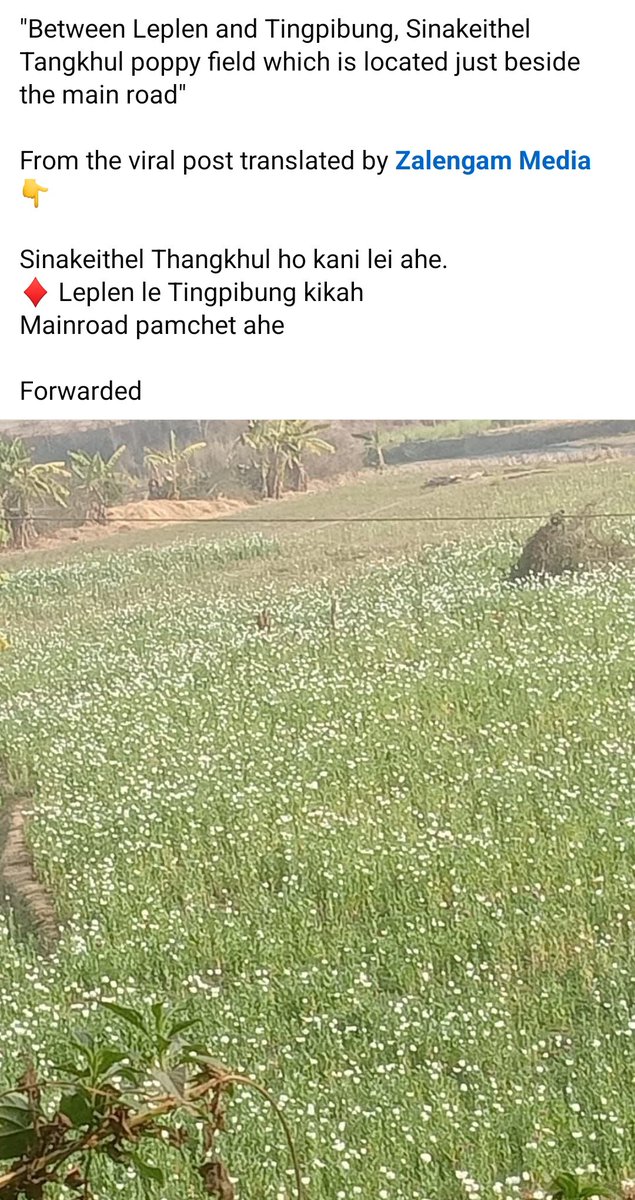
Manipur’s forests did not vanish due to poppy farming—as #BJP claims— sparking 3 yrs of conflict. @makesyoucakes & @jeegujja investigation using 24 yrs of satellite data + RTIs + reporting in 5 districts reveals it was preceded by logging with political support
🧵
1/10
https://t.co/ldkp79iJMF
Litan updates 16 Feb 2026
Arsonists are setting fire to the forest."
8th Day Litan Updates: Molotov cocktail thrown towards Kuki Village jurisdiction to burn down Kuki forest.