Novo artigo!
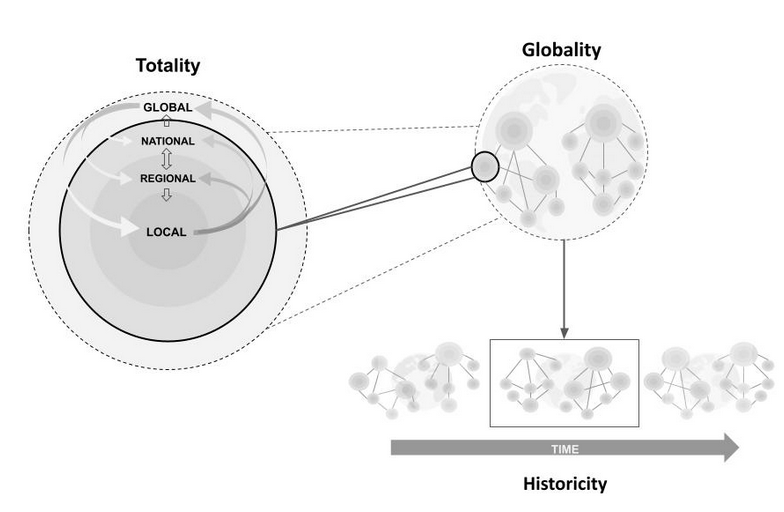
Applying the World-System theory in the conservation sciences to understand COVID-19 pandemic as a socio-environmental synergy
Neste trabalho incorporamos a Teoria do Sistema Mundo (TSM) nas ciências da conservação🧶⬇️
https://t.co/vJM8sucCxK
Avoid the reproduction of coloniality in decolonial studies in ecology
Discutimos na @NatureEcoEvo a necessidade de aprofundar o debate com e desde o Sul e sintetizamos conceitos chave usados nos estudos decoloniais
Aceso livre https://t.co/WeK49P42Cn
https://t.co/47aCGUGQPY
Ajudem a divulgar: vaga de doutorado em Ecologia 🌎 para cientistas negros, bolsa de 5 mil reais mensal, detalhes do processo seletivo nos links abaixo @PPGECOUFRN@ufrnbr#diversidadenaciencia
Olá pessoal, tenho o prazer de divulgar o link (https://t.co/5JGmtqSvu5) do artigo "Avoid the reproduction of coloniality in decolonial studies in ecology" que saiu hoje online na revista Nature Ecology & Evolution de autoria da minha aluna de doutorado Maria Clerici Hirschfeld
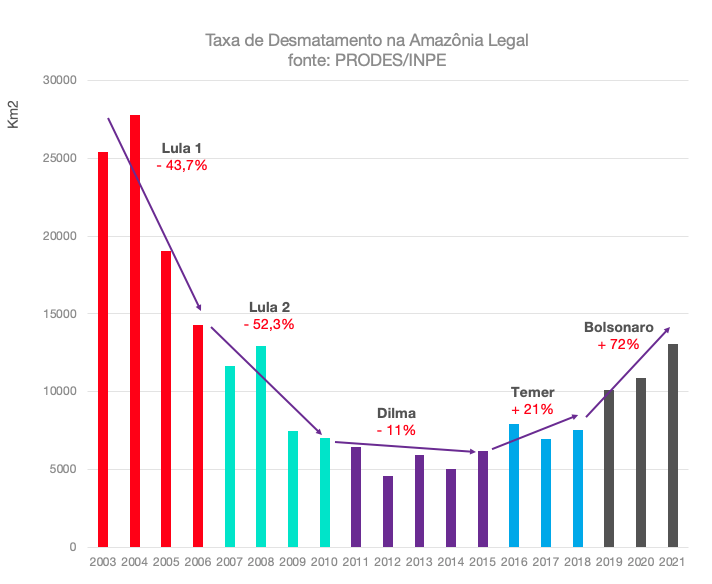
Antes de Lula a taxa de desmatamento estavava no espaço. @LulaOficial e @MarinaSilva reduziram estas taxas com políticas sérias. Em compensação este governo liberou geral e as taxas só estão aumentando.
Essa é a taxa REAL de desmatamento da Amazônia!
Bolsonaro MENTE descaradamente o tempo todo sobre TUDO, é desesperador!
Bolsonaro DEMITIU o diretor do INPE @ricardogalvaosp em 2019, simplesmente porque NÃO GOSTOU dos dados que mostravam um aumento recorde nos desmatamentos!
The Red Queen reigns across the plant kingdom with the help of insect herbivores. Plant species with more insect species feeding on them have more male-biased flowers, an indicator of outcrossing effort
(Ecology Letters)
https://t.co/gCapkC00hC
@TriversRobert
Somos 7!!! Atingimos a nota máxima na última avaliação quadrienal realizada pela Capes.
Parabéns aos docentes, discentes e egressos do programa. Este conceito é uma conquista nossa! Agradecemos o apoio da UFRN atrav��s da Pró-reitoria de pós-graduação #UFRN
Today we demonstrated that the Red Queen reigns across the angiosperms. Across species, the richness of insect herbivores that feed on a plant influence the maleness of its flowers. https://t.co/6nFlv7gTnO
Where to restore to safeguard Caatinga threatened plants in face of climate change? See our new article in J. Applied Ecology
Restoration priorities for Caatinga dry forests: Landscape resilience, connectivity and biodiversity value https://t.co/rsw40o5mpR
New paper alert! The Brazilian Caatinga protected areas: an extremely unbalanced conservation system, by Marília Gomes Teixeira, Eduardo Martins Venticinque, Marília Bruzzi Lion &
Míriam Plaza Pinto from @PPGECOUFRN ⬇️ https://t.co/3fF0tZGh7q
Divulgando uma entrevista que participei no podcast E TEM MAIS da CNN sobre os problemas ambientais da Caatinga e suas soluções
https://t.co/pNru29qcNu
#Amazonian_PAs that allow for sustainable exploitation come with a plus: they improve local wellbeing and access to services. These unintended gains contribute to people's willingness to stay on their land rather than migrate to cities. https://t.co/YHThiEG8QC @Campos_Silva_JV
25% of the conservation biology literature look for solutions, 75% describe environmental problems.
Do we need to change our research focus?
https://t.co/AZbl40wAT2
Jornal Tribuna do Norte chama atenção de nosso artigo "Conservation Biology: four decades of problem- and solution based research"
https://t.co/KbDinh1WJE
We just published the paper "Conservation biology: four decades of problem- and solution-based research", where we estimate that just 25% of the conservation articles are focused on solutions, while 75% are designed to describe the environmental problems.
https://t.co/AZbl40wAT2