Join us to unpack the challenges, tensions, and realities of the community sports coaching profession 25/04/2018. To access abstract submission details ⬇️
Finally got round to working on my @CRiC_2018 book chapter - focus on coach to mentor transitions within community sport settings. Feels good to get back to writing!!
Manchester Met and TeamKinetic 4th Annual Sports Volunteering Conference 2018 in Partnership with GreaterSport. Wednesday, 12th September 2018 (10am-4pm)
What can Sports Volunteering learn from the wider voluntary sector?
https://t.co/VYV5IxU649
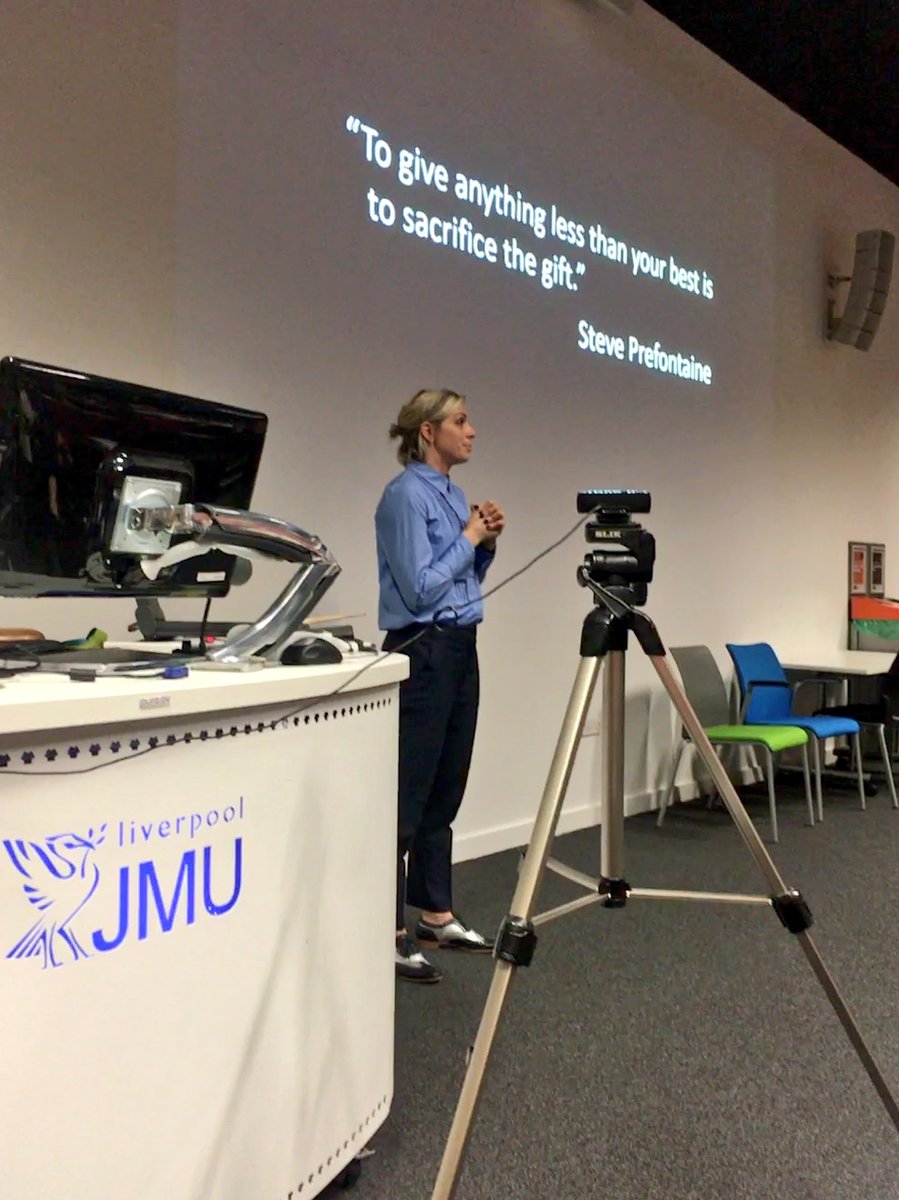
“To give anything less than your best is to sacrifice the gift” great summary from the @LJMUPower_Sport opening key note speaker @katewalsh11 🏑
We are ready to kick the day off.. up first in the Sport Coaching strand is Laura Swettenham - stress&coping in tennis 🎾 #PoS2018
Looking forward to this @LJMUPower_Sport next week presenting more of my early findings from my first ongoing phd study, following on from @CRiC_2018 last week https://t.co/cH43MZhLNI
Scott Bradley nailing the last presentation of the day with a superb evocation of becoming a strengths-based coach. Well done to all!! https://t.co/GUBnCydmsK
Good to see such a vibrant and engaged postgrad community within the @CRiC_2018 conference - definite links with @UKSDN2018 and @uksdn interests in sport policy, participation and local communities
... and the importance of not underestimating emotional labour, emotional investment and emotion management of sports coaching... https://t.co/ktZLSkGOOc
@RyanThomas2310 interrogating the relational nature of sports coaching. How do our interrelations with key stakeholder define areas of knowledge/influence social behaviour? @CRiC_2018 @MMU_Cheshire @mmucric
Really enjoyed presenting! Bourdieu/Hodkinson can help to show how learning to mentor is an embodied and social process #habitus https://t.co/HBdCu0ayTr
Our final presentation today @CRiC_2018 symposium by Scott Bradley is about why we should emphasise “strengths” as positive qualities when we work with children (and others) in community coaching environments ... Positivity ➡️ Happiness ➡️ 😃😃😃
@Quayle_LRJ highlights that coaches are reflective early in their careers as a “natural” form of ongoing learning. Yet, coaches in her study began to “overcomplicate” this process when asked to adhere to models / structures / frameworks during formal coach education.
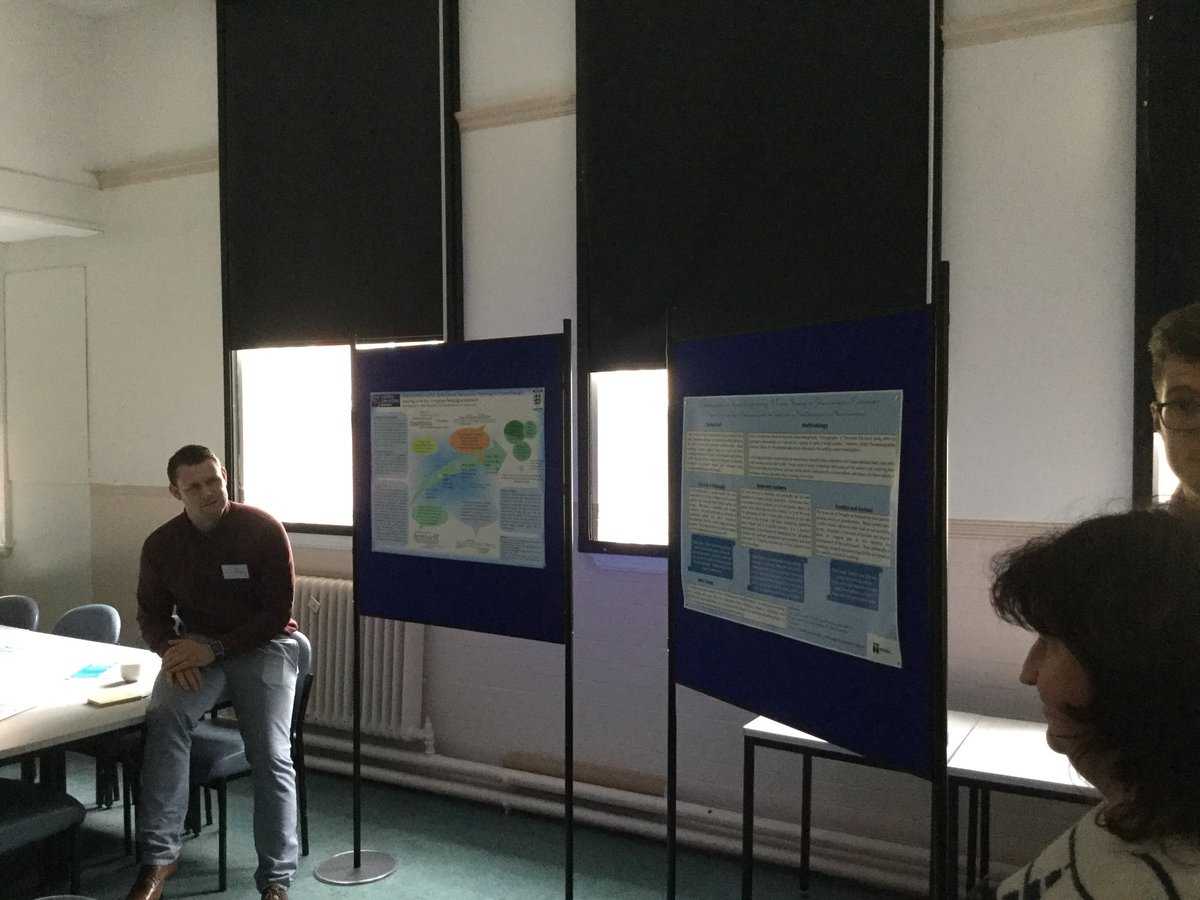
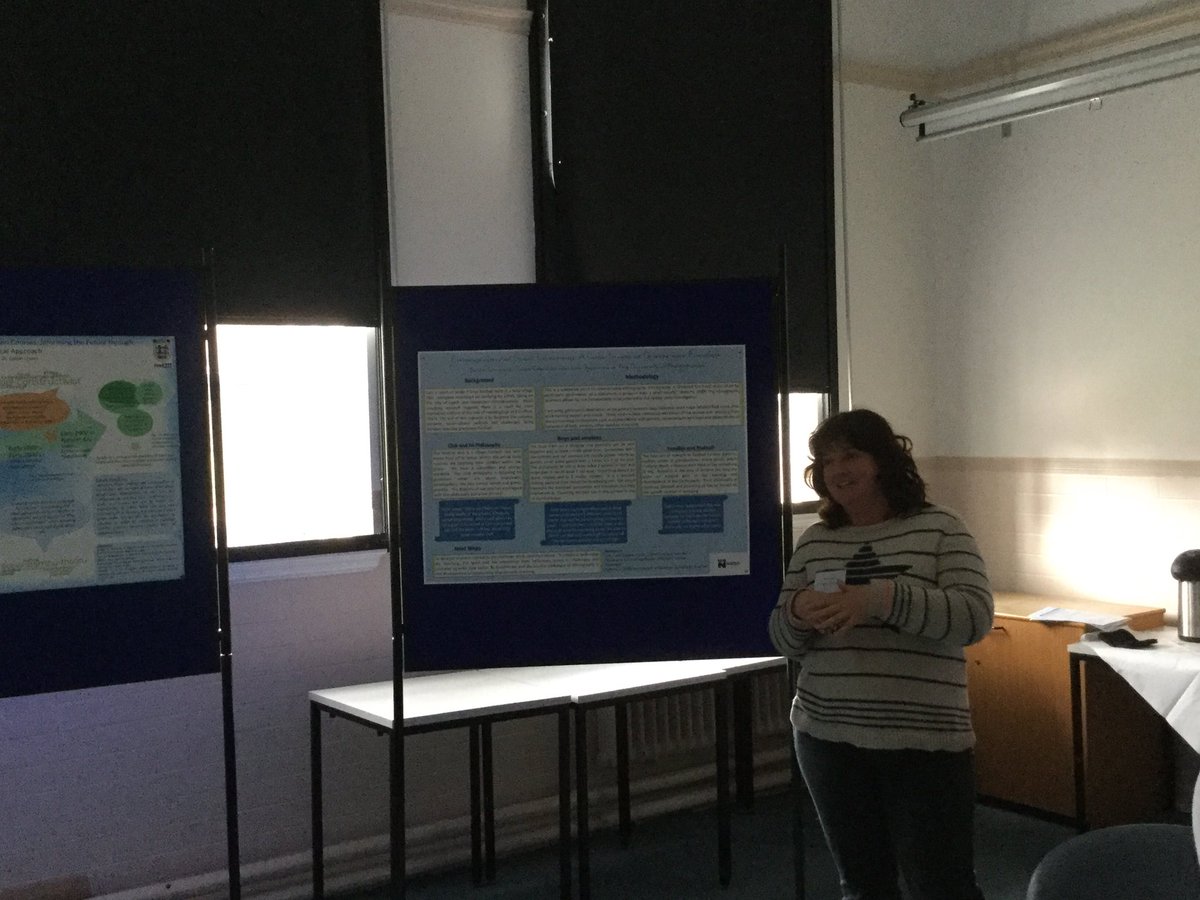
In his poster, @4_reece gives an insight into how FA formal coach education has evolved over time. Have we moved from viewing “coaches as empty vessels” to a social constructivist approach to learning?
@TomLeeder is drawing on Bourdieu’s theorisation to make sense of how FA coaches became mentors, how they perceived this process and associated responsibilities.
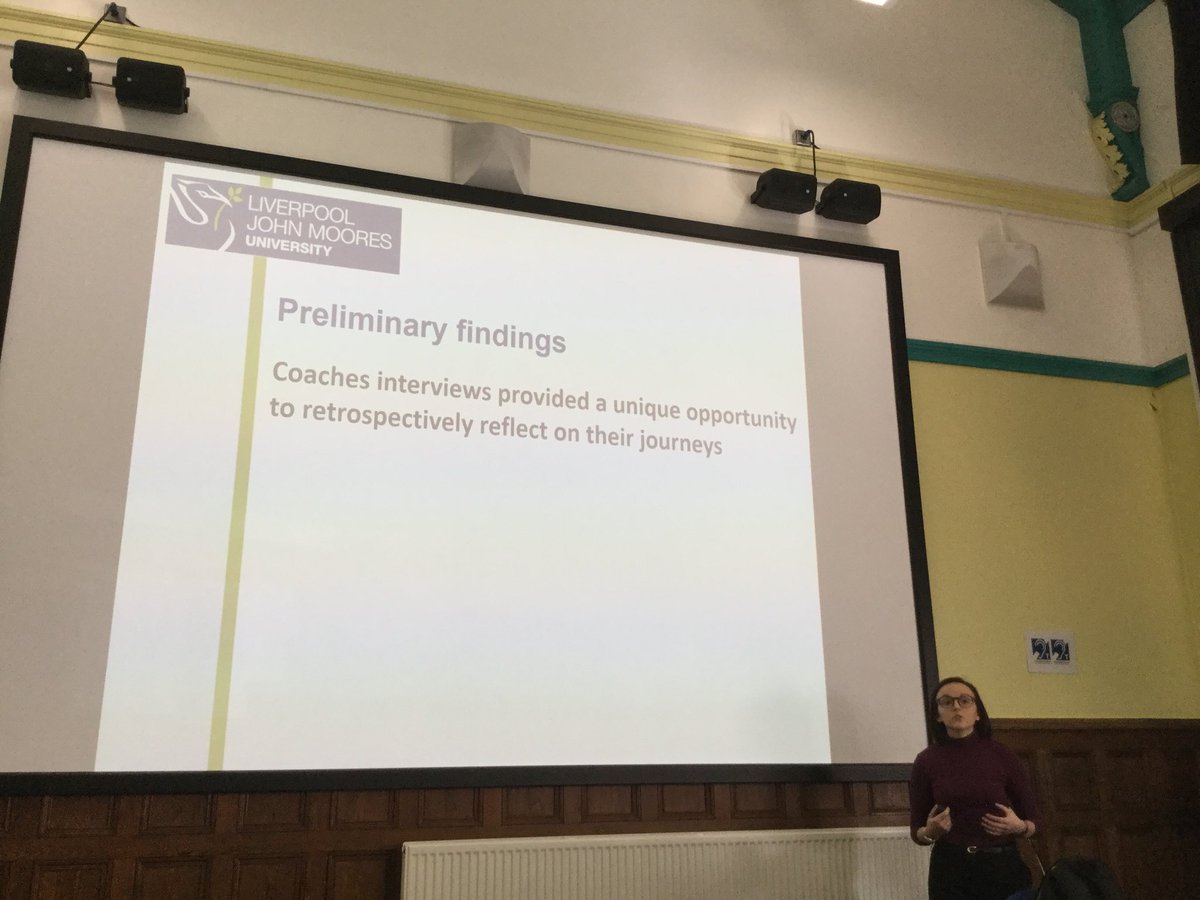
So, what is the process for FA coaches when transitioning to becoming mentors for other coaches? And how do they experience this? Today, @CRiC_2018, @TomLeeder is sharing some of his preliminary PhD findings with us. ⚽️