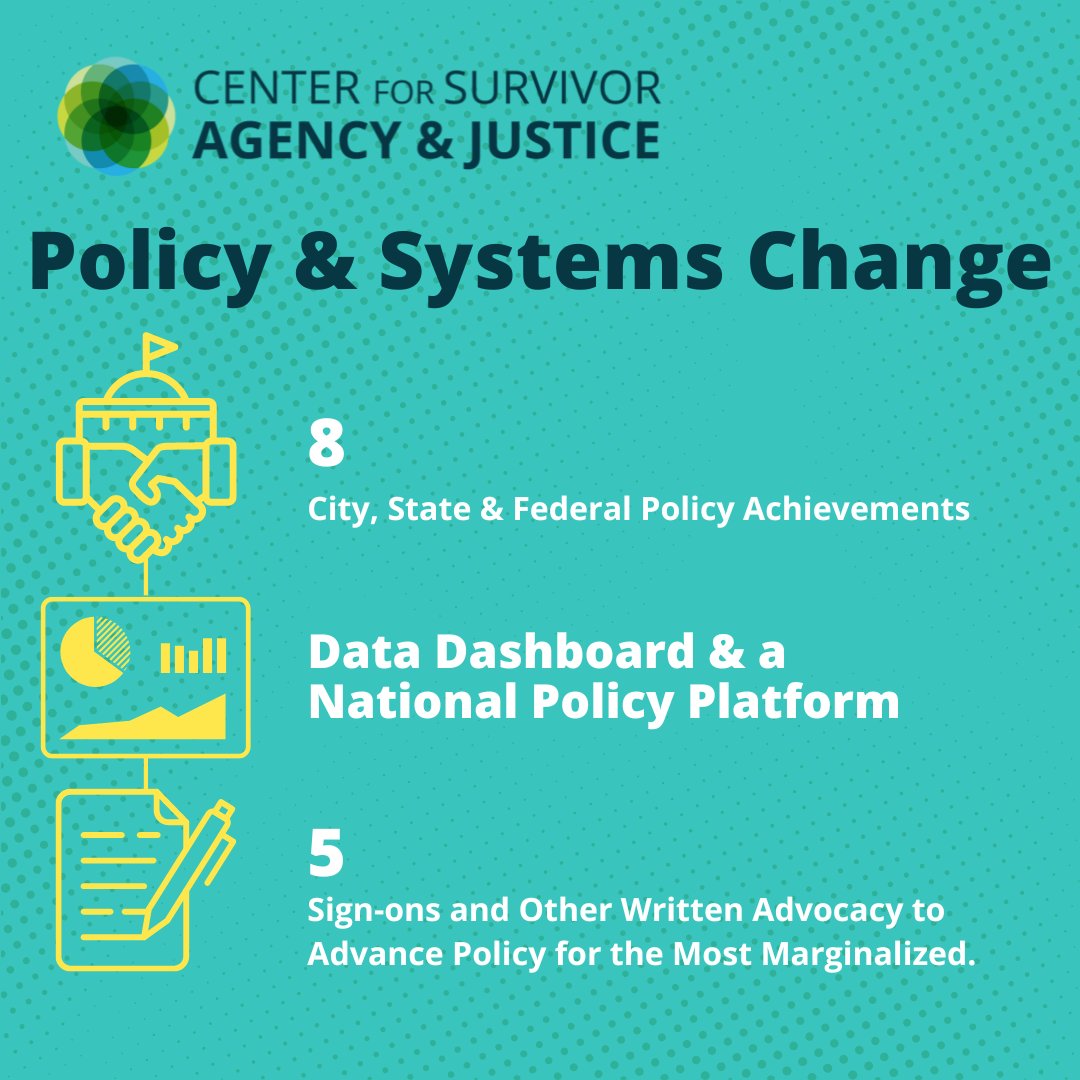
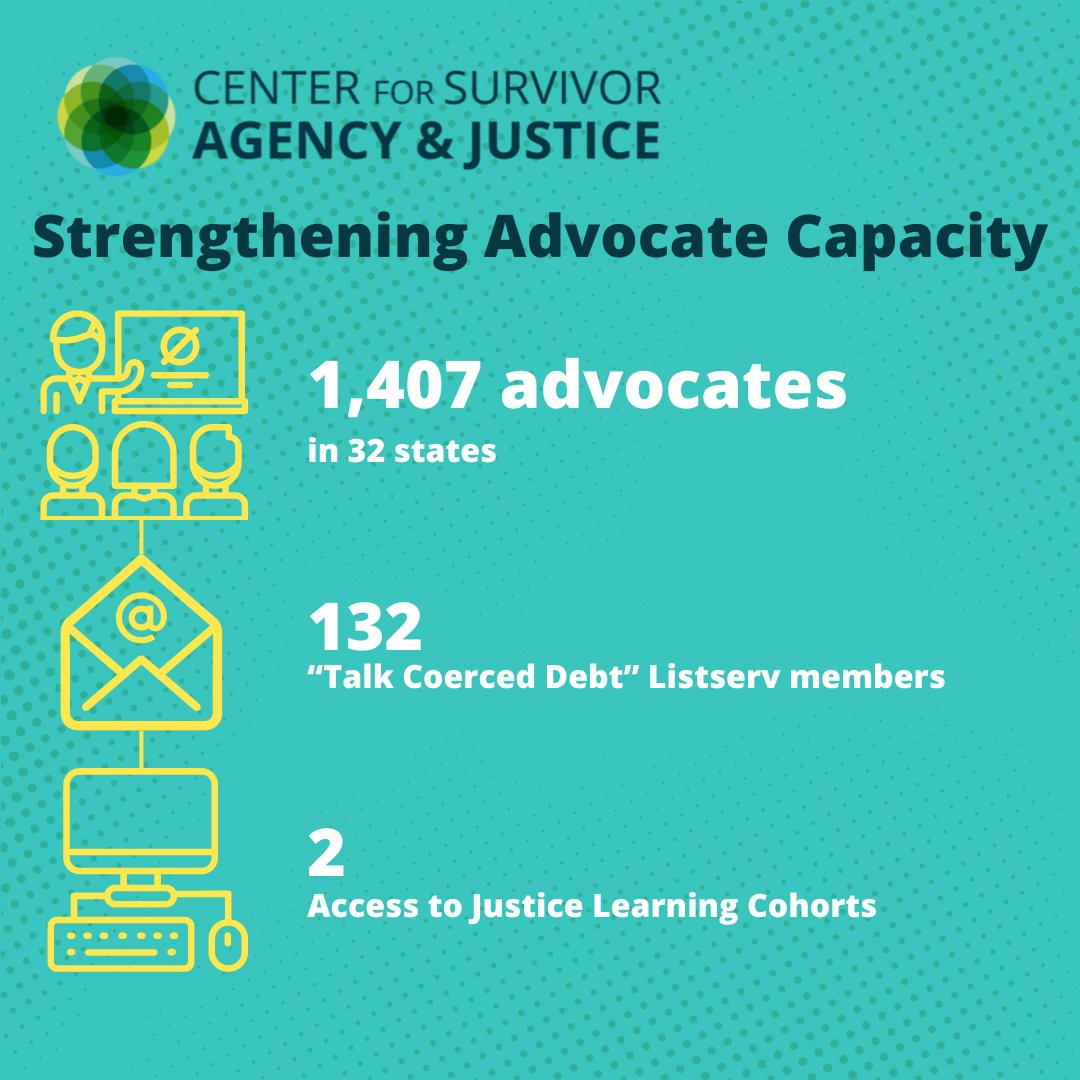
CSAJ is proud to announce our 2023 Annual Report! With your partnership and support CSAJ accomplished a lot, and we are excited to share it with you.
You can read our annual report here: https://t.co/j2K7FExMRQ
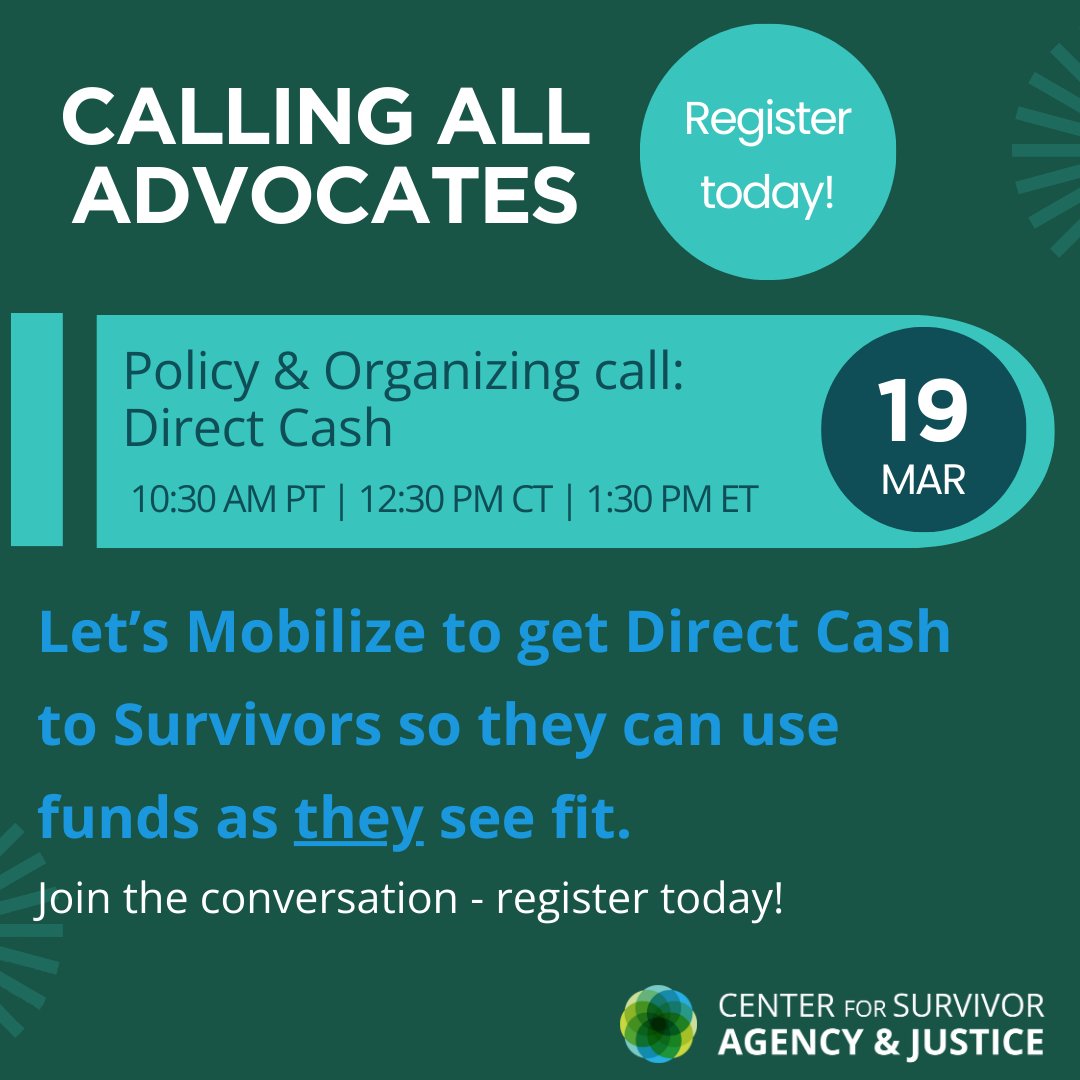
94-99% of survivors experience economic abuse. Let’s advocate for direct cash assistance
We need your voice - be part of the conversation!
March 19 @ 1:30 PM ET https://t.co/7ck0W4vSNe... #DirectCashForSurvivors#PolicyChange#DV#GBV#SurvivorEquity
‼️ Important Update ‼️
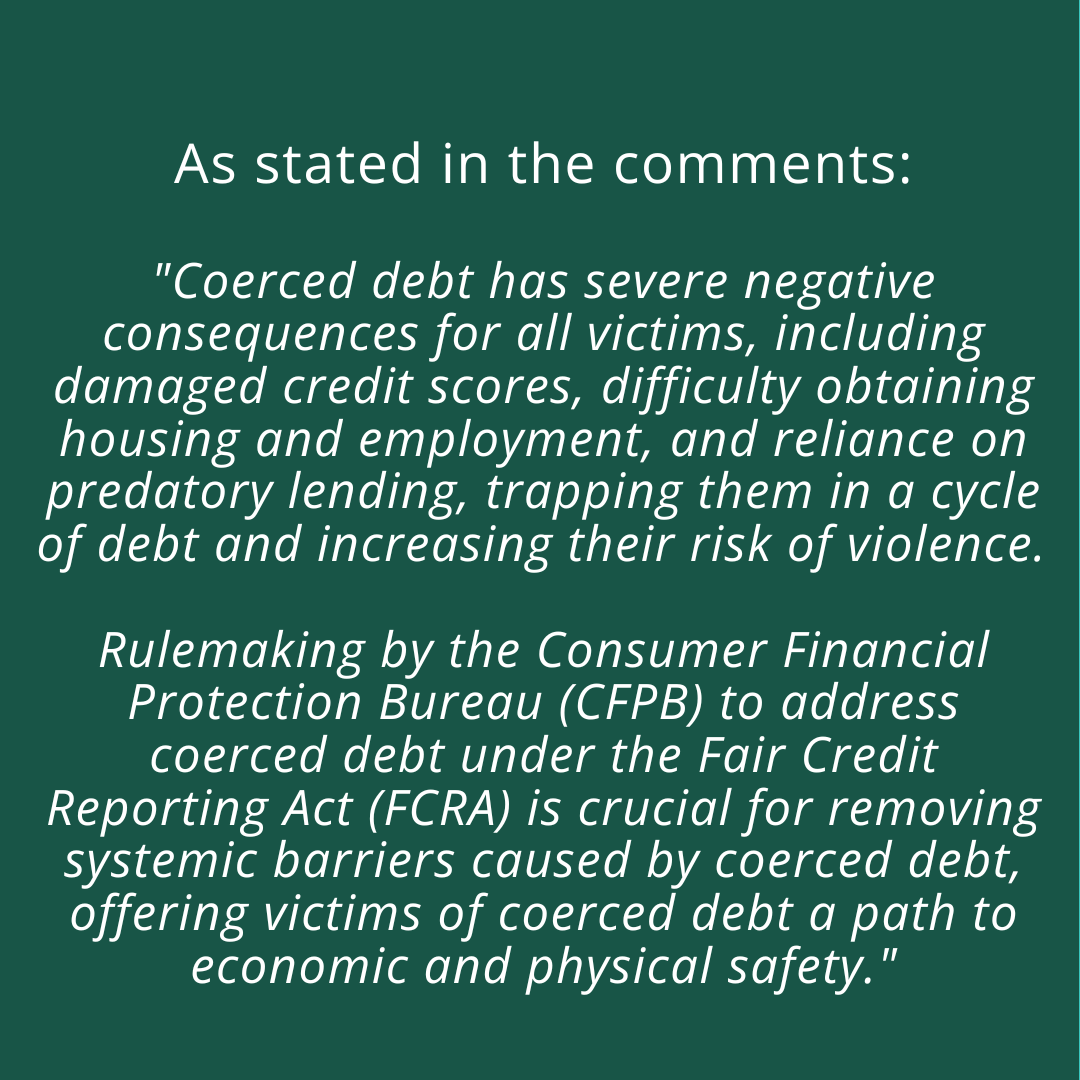
The Center for Survivor Agency and Justice, National Consumer Law Center, and the National Coerced Debt Working Group have submitted comments to the CFPB on their rulemaking to combat coerced debt. Learn more here: https://t.co/pocE6DC4Sv
The @GrameenFdn brought together voices to address how to better respond to financial abuse. Our CEO Erika Sussman spoke, highlighting: "We need financial institutions to address fraud in the context of unequal power." We’re proud to be part of these critical conversations
In 2016, Dr Nicola Sharp-Jeffs OBE, CF, FRSA came to NYC to study #CoercedDebt, connecting with Teal Inzunza through @CSAJNews. Nearly a decade later, they reunited at a @GrameenFDN roundtable on #EconomicAbuse. Proud to see this global work evolve! 💜 #EconomicJustice
Meet our Survivor Advocate Advisory Board! 💜 These incredible advocates are dedicated to strengthening the survivor-centered work we do. We’re excited to share their words with our community and can’t wait to embark on a year full of impact✨#SurvivorCenteredAdvocacy
Nurturing Change For Survivors created by @CSAJNews! This framework aims to inspire and equip advocates, organizations, and the movement to create sustainable, survivor-centered practices rooted in equity, healing, and liberation. https://t.co/0BgyYd82lB
Nurturing Change For Survivors created by @CSAJNews! This framework aims to inspire and equip advocates, organizations, and the movement to create sustainable, survivor-centered practices rooted in equity, healing, and liberation. https://t.co/0BgyYd82lB
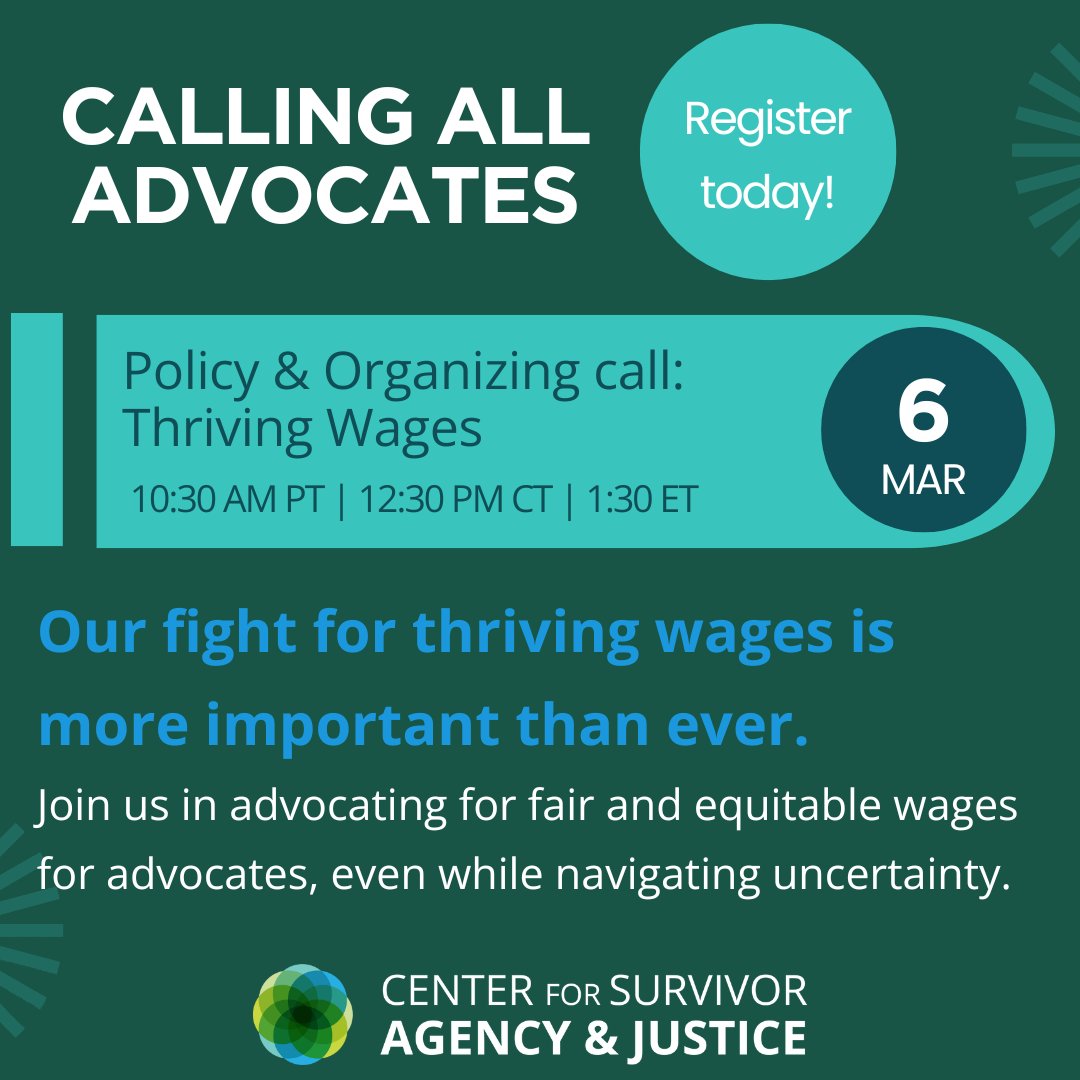
📣 Join us for the Policy & Organizing Call on March 6, 2025! At 10:30 am PT | 12:30 pm CT | 1:30 pm ET, we’ll dive into the shifting funding landscape and its impact on workers in the Gender-Based Violence field. 📷 Register now – https://t.co/G72LwLLrwA #AdvocacyInAction
Your Voice Matters
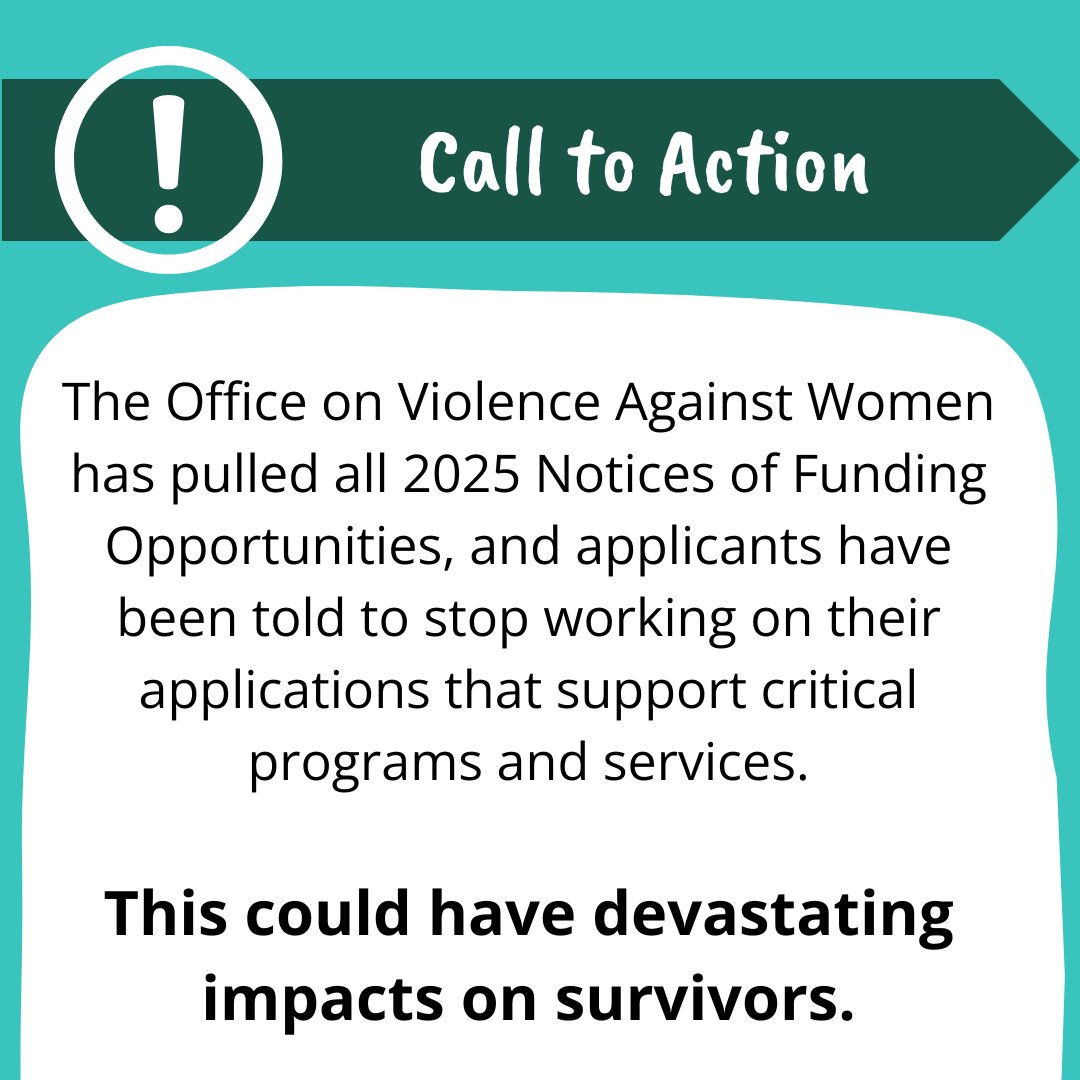
The Office on Violence Against Women has halted all 2025 funding opportunities, impacting critical programs that support survivors. This is devastating news, but YOU can help make a difference. 💙
By utilizing this tool, organizations can enhance their capabilities through People, Policies, and Process and contribute to a collective effort for economic equity, benefiting the field. You can find this new resource at: https://t.co/Y20U6cVcf3
Designed to empower organizations, this resource provides a structured guide for implementing best practices that support survivor-driven policy and systems advocacy.
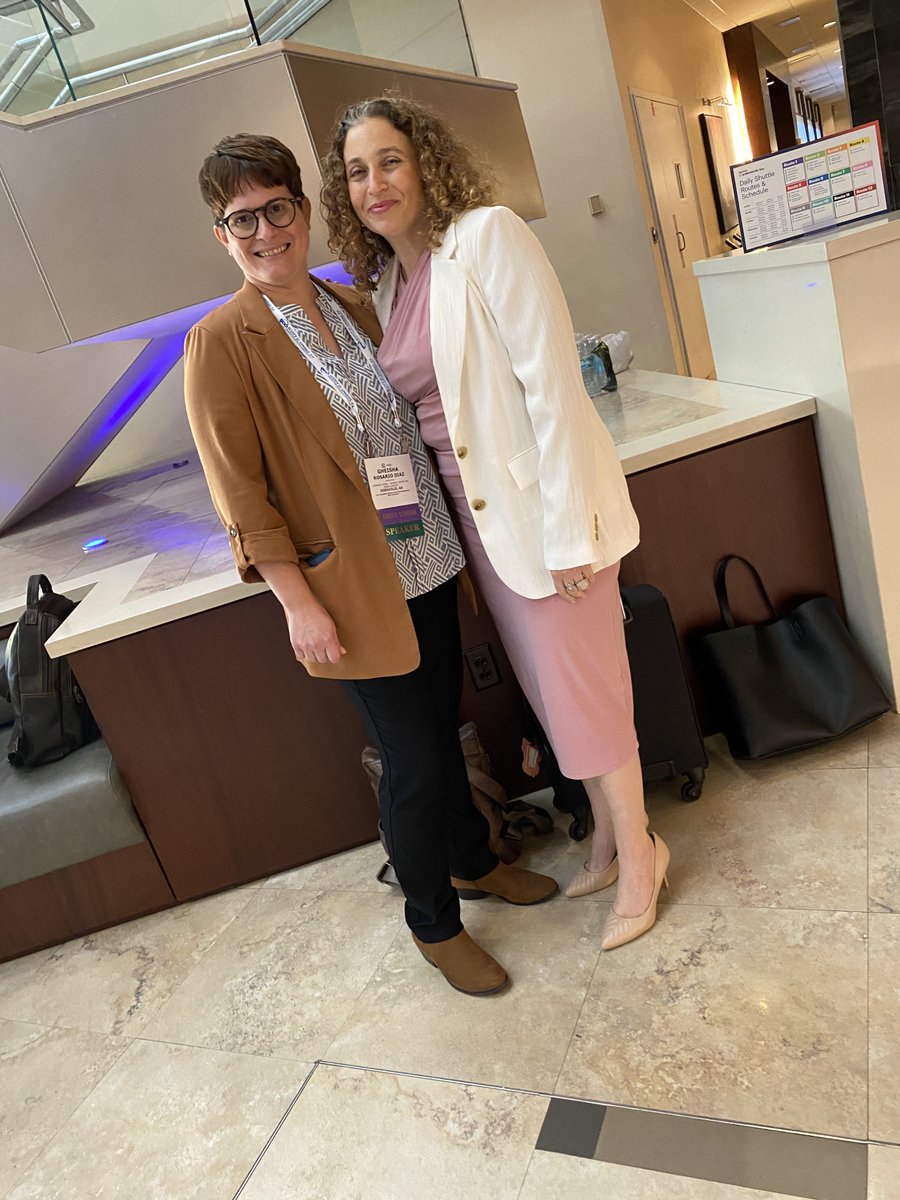
of the National Consumer Law Center in Orlando, Florida. The audience brought diverse advocacy expertise, cutting across consumer, immigration, and family law, making for rich conversation and creative strategizing.
Last Friday, CSAJ’s Executive Director, Erika Sussman, sat on a panel with Gheisha-Ly Rosario and Carla Leticia Sanchez-Adams on the topic of Consumer Rights for Immigrant Survivors of Domestic Violence at the Consumer Rights Litigation Conference-
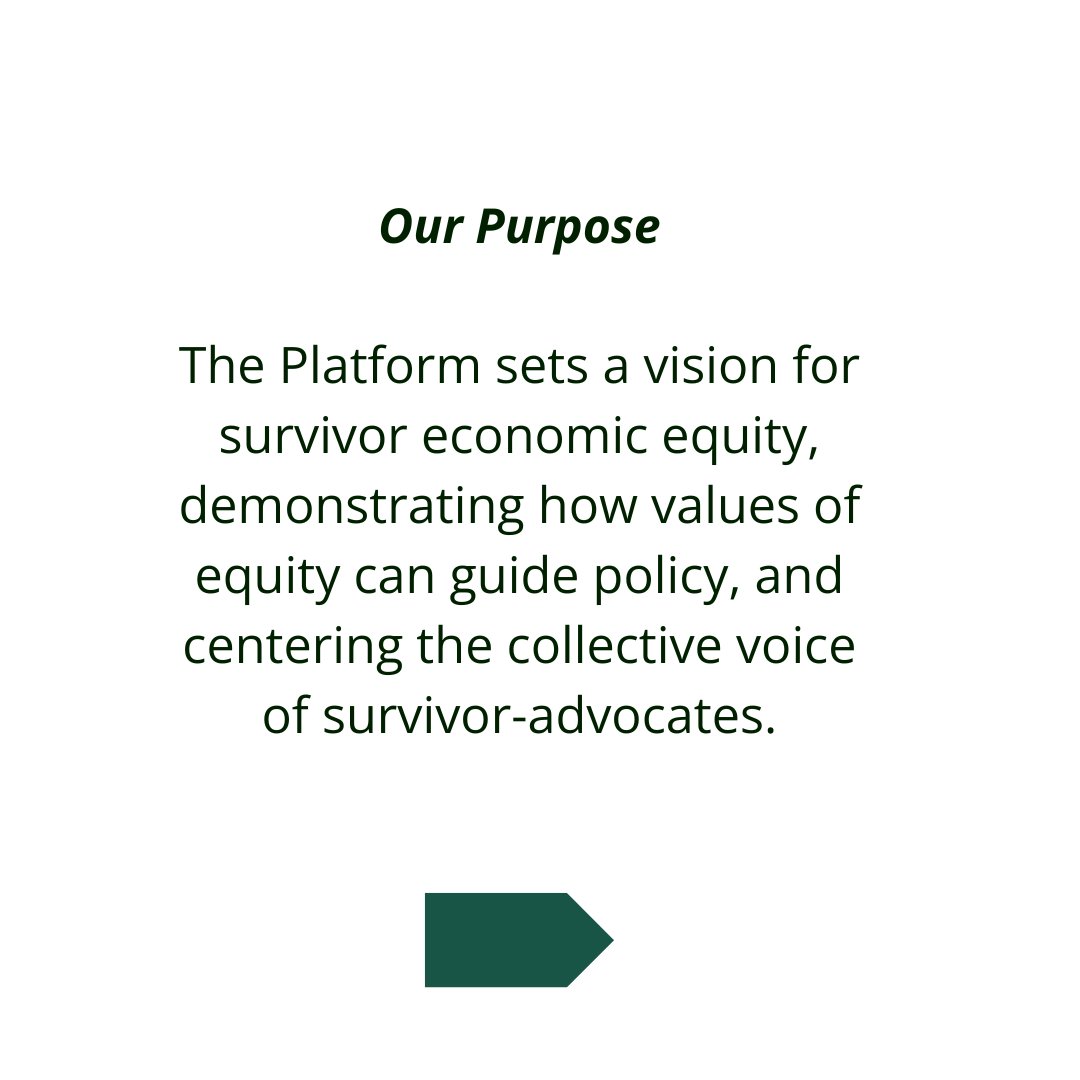
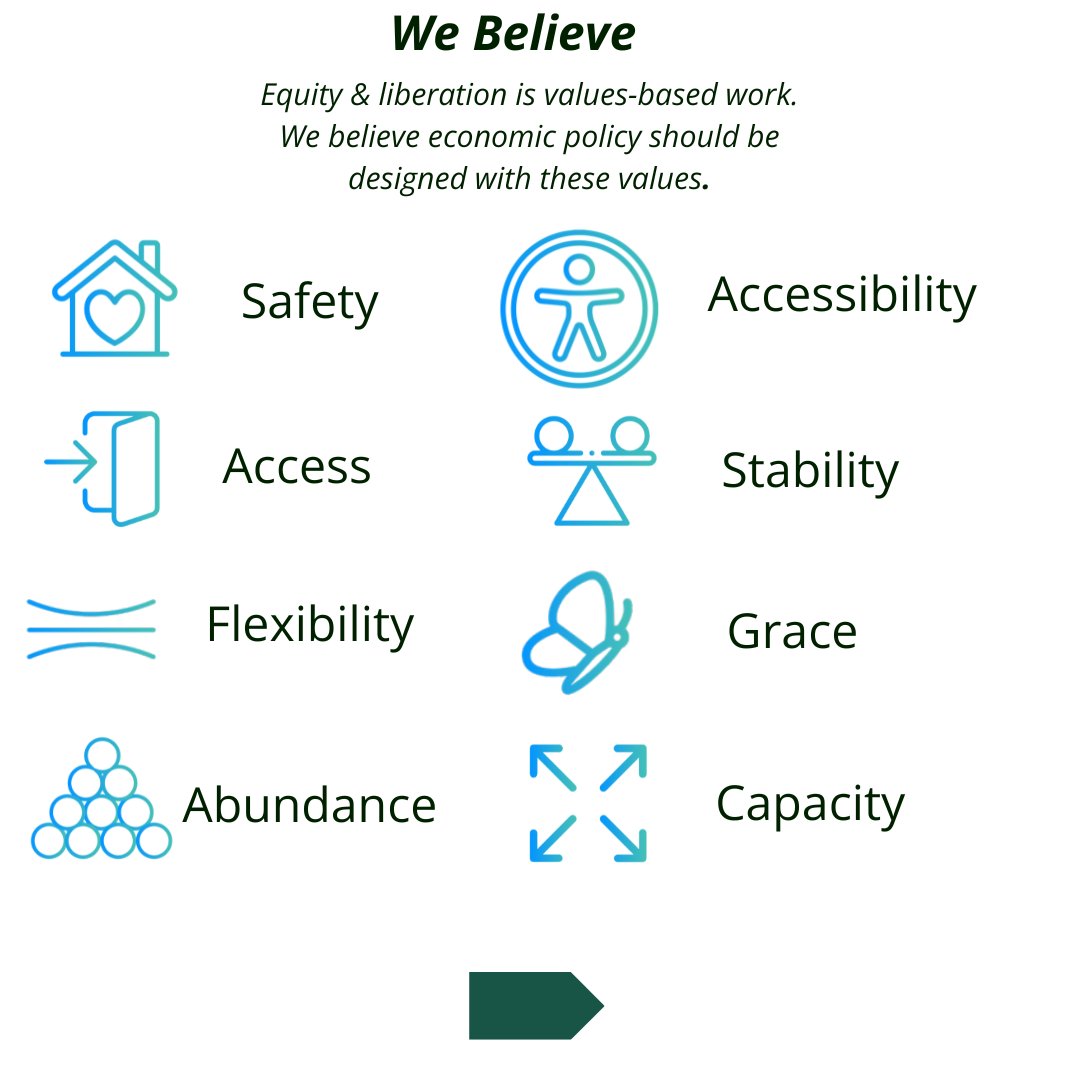
This #DVAM, check out the National Policy Platform for Survivor Economic Equity! The purpose of this Platform is to set a vision for survivor economic equity, demonstrate how values of equity can guide policy, and center the collective voice of survivor-advocates.
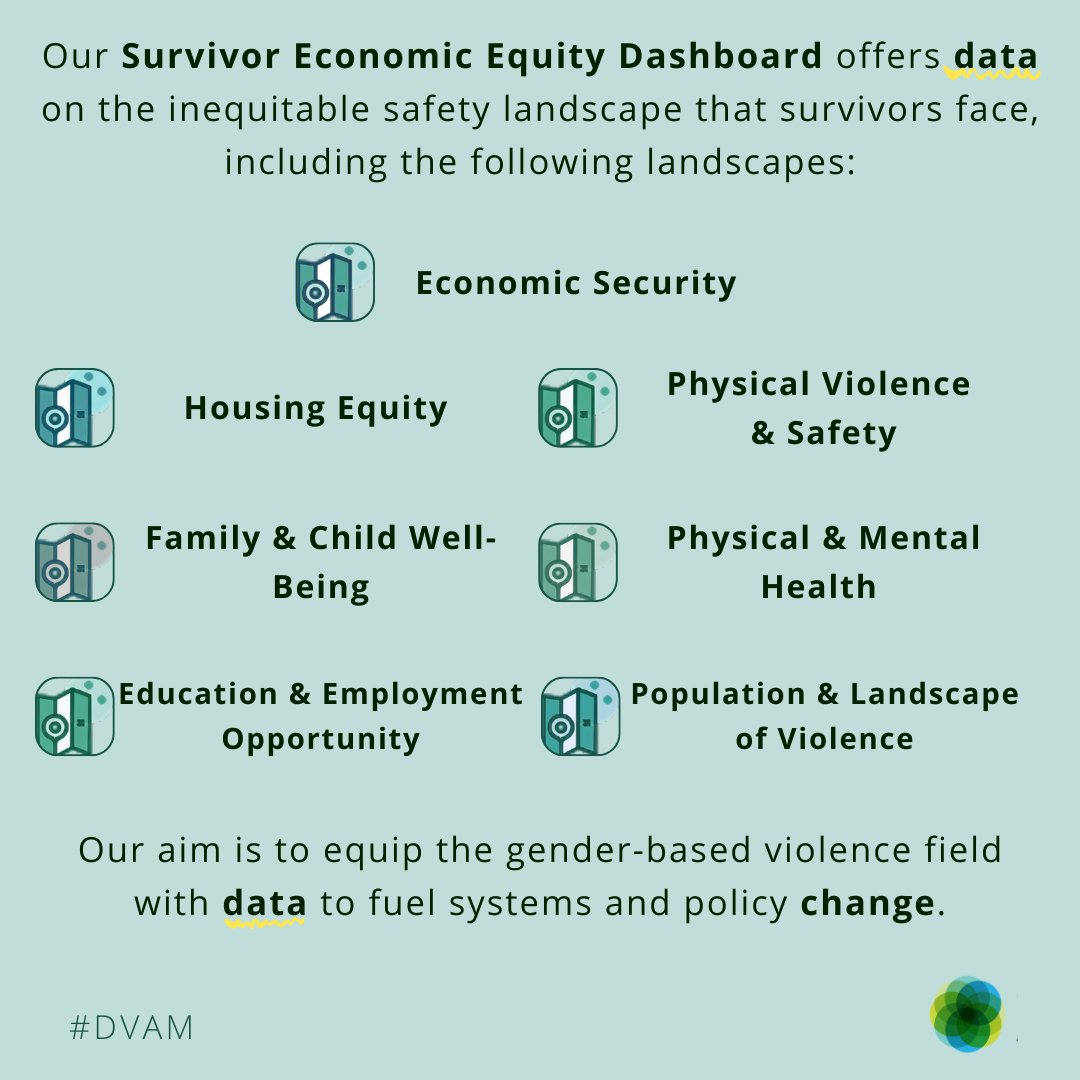
CSAJ’s Survivor Economic Equity Data Dashboard can help survivors, advocates, communities, and decision-makers answer and explore these questions. Our goal is to equip the GBV field with data to fuel advocacy toward systemic change.
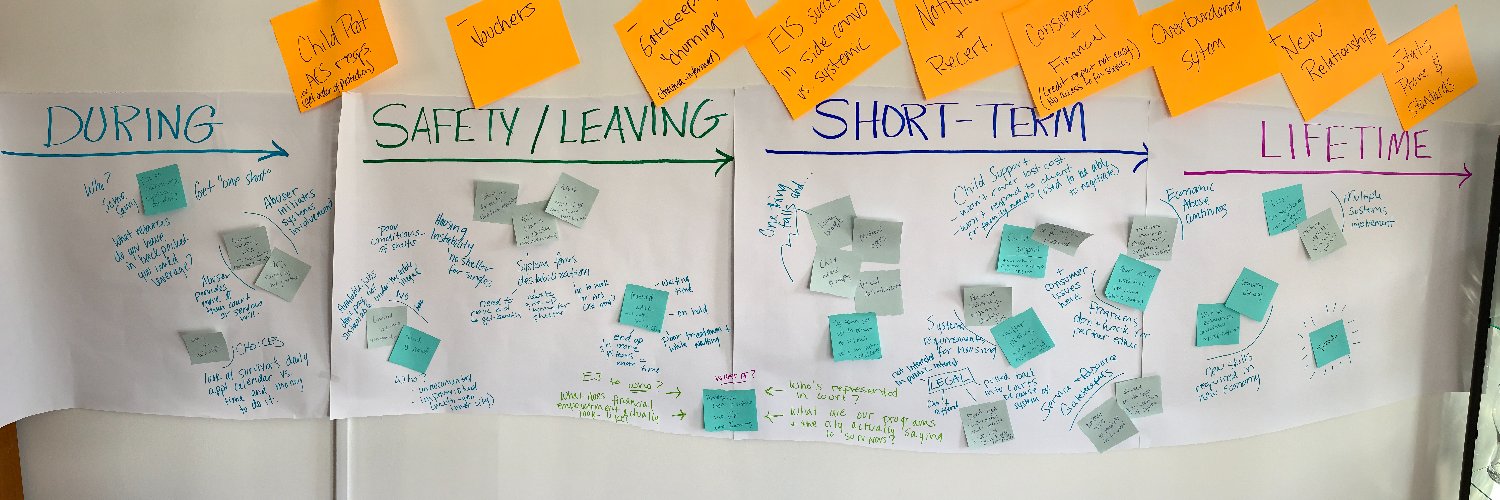
Visit our website to learn more about CSAJ’s Mapping and Advancing Equity for Survivors Project, a national project that builds the capacity of the domestic violence field to engage in systems change that addresses the racial and economic inequities facing survivors.