An interdisciplinary team of #MIT researchers working from the nanoscale up to reduce the energy footprint of the world’s most common #building material
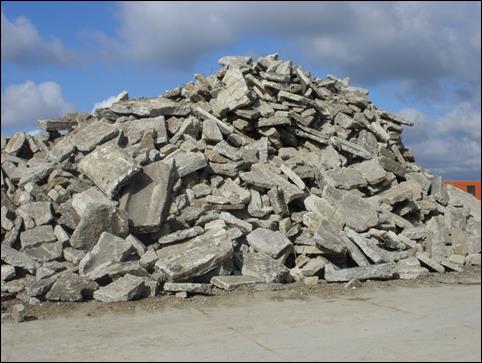
A new CSHub research brief explores how to optimize carbon uptake in crushed concrete. Increasing stockpiling time, decreasing particle size, and spreading the stockpile over a larger area can help. Read: https://t.co/SXOr0VpC57
On 5/29, 11am, join Drs. @hessam_aj, Soroush Mahjoubi, and Miaomiao Zhang for a webinar discussing our research on the emissions impacts of concrete's inherent strength variability, the necessary practice of overdesign, and prescriptive specifications. https://t.co/2gqFtZha7T
On 4/30, 12pm ET, Dr. Elizabeth Moore joins Dr. Marcos Miranda @CarbonSolnLLC to discuss their work on enabling cost-effective CCUS infrastructure for hard-to-abate sectors! Register for this webinar: https://t.co/R9jSrexda8
On 3/27 11am, join Dr. Elizabeth Moore (CSHub & @MIT Climate Project) and Dr. Marcos Miranda (@CarbonSolnLLC) as they review #carboncapture#CCUS#research on enabling cost-effective, scalable infrastructure for #HardToAbate sectors. https://t.co/HRosP0SFwp
#Concrete is typically designed stronger than required to account for natural variability. By narrowing this gap, we can cut excess material use and save more than 80kg CO₂e per cubic meter of concrete. Learn more: https://t.co/hPrxIkSqyI
Join Dr. Haoran Li and Dr. @hessam_aj on 2/27 11am ET as they discuss how the recently published Streamlined #Pavement#LCA Tool enables pavement design optimization and refines long-term performance forecasting. https://t.co/EgfHxkMul3
Natural hazards are expected to cost the U.S. ~$40 billion annually by 2075. CSHub Director Randolph Kirchain explains why the #Trump admin. & new #Congress must invest in stronger #construction to save lives, homes, and long-term spending. https://t.co/HYonlnqY5y
On 1/30 11am ET, join Drs. Beth Unger and Elizabeth Moore as they cover the findings of our special project on transforming the role of the concrete delivery professional. This research was funded by @ConcreteAdvFdn https://t.co/dqyEIFvRJU
Learn how pavement material choice can cool cities & provide environmental benefits in a new @DCN_Canada article featuring our research. @PCA_Daily https://t.co/a0iTsDHzU3
#Cement used in U.S. single-family homes can sequester enough carbon to account for ~40% of process emissions from the production of cement used to build them. Learn about our probabilistic #carbonuptake accounting framework in our recent webinar https://t.co/0OUKuhZVjE
#Carbon capture, utilization & storage (CCUS) will play a key role in the decarbonization of the #cement industry. This @CSHub_MIT report explores how the industry can enable widespread industrial CCUS adoption.
https://t.co/CPf6owLhOI
With extreme heat across much of the US in recent weeks, now is the time to think about what cities can do to mitigate the impact. @ClimateMIT shares strategies including green spaces & reflective pavements, both of which can reduce air temps. https://t.co/3nxYfK3LZC @CSHub_MIT
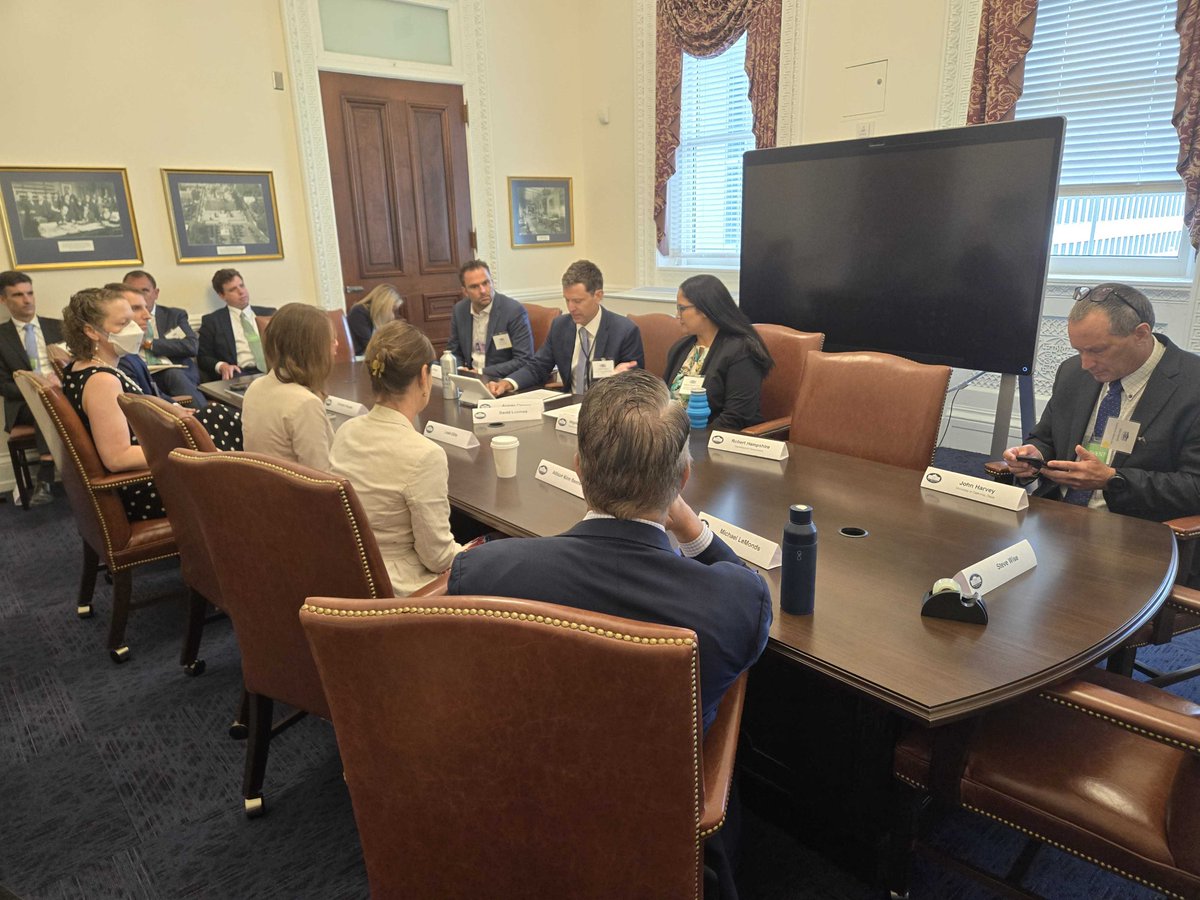
Concrete sustainability took to @WhiteHouse recently as leaders met for the #Concrete Innovation Summit. @hessam_aj participated in the summit, which discussed bolstering concrete as part of the #sustainability solution. @ConcreteAdvFdn @PCA_Daily https://t.co/Zr3dBvP1xK