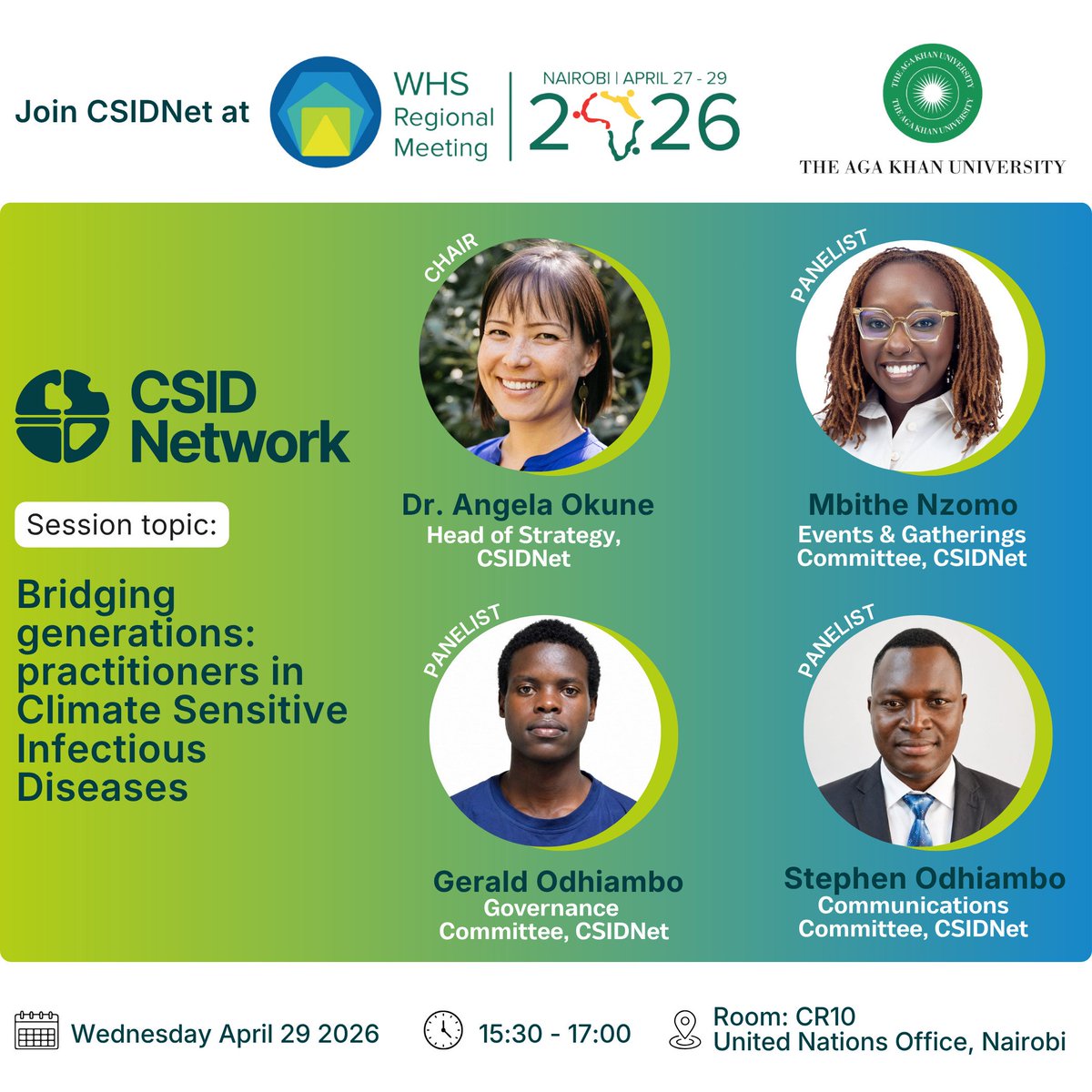
Bringing generations together to tackle climate-sensitive diseases 🌍
Join us in Nairobi as early-career and senior experts share real-world insights on collaboration, governance, and community impact.
🗓️ 29 April | ⏰ 15:30–17:00
#CSIDNet#WHS2026
Collaboration doesn’t happen by chance—it must be intentionally designed.
CSIDNet’s working group model shows how transparency and shared decision-making can strengthen climate and health research across countries.
The future impact is collective.
More https://t.co/lQLqrZ4KJ5
3/3 • Using real-time data for faster decision-making
Preparedness must replace emergency response.
The gap is no longer technical—it is institutional. Stronger coordination, local capacity, and sustained investment in health systems will determine whether data truly saves lives
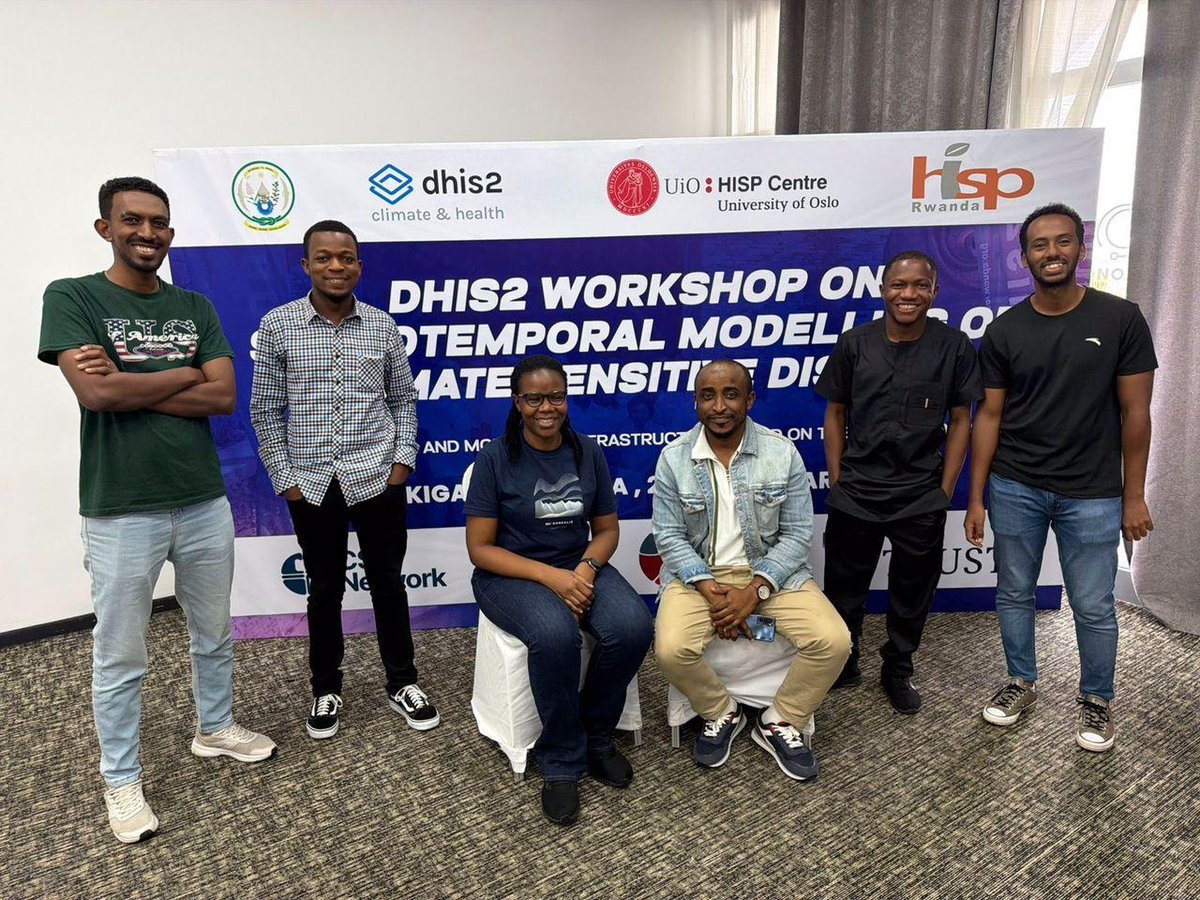
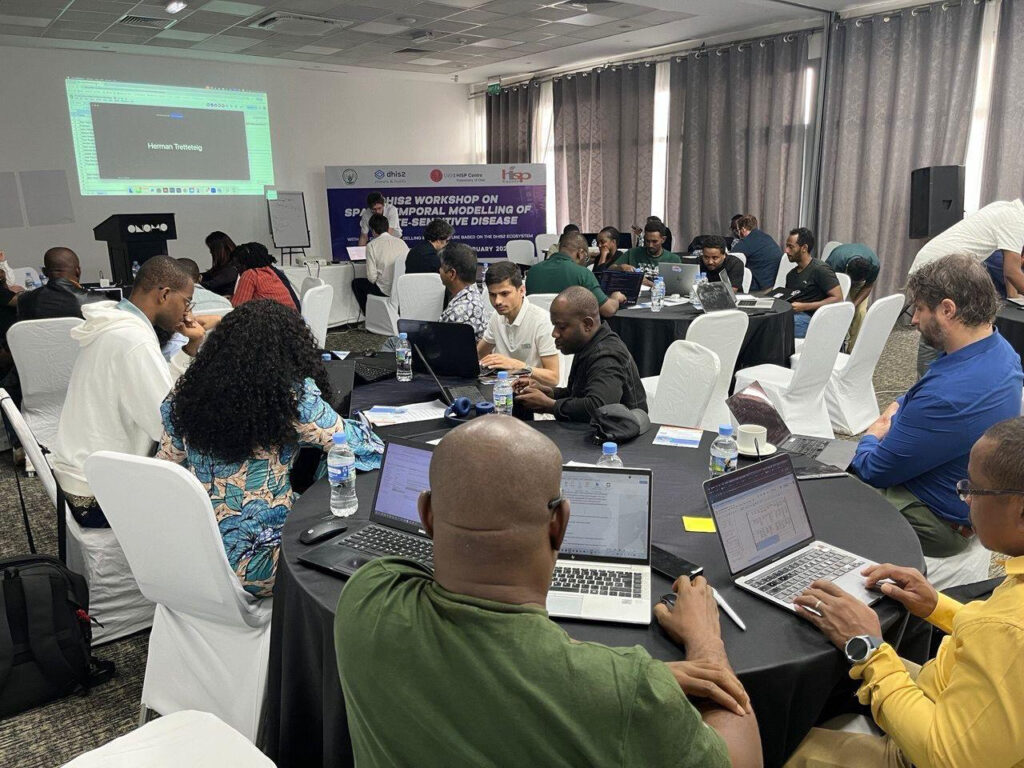
1/3 At the DHIS2 workshop on spatiotemporal modelling of climate-sensitive diseases in Kigali, experts from across Africa and beyond came together to rethink disease response.
From malaria after heavy rains to cholera during floods, these are predictable patterns—not coincidences
2/3. We now have the tools to forecast outbreaks. The priority is ensuring our health systems can act early enough to save lives.
Acting on forecasts means:
• Pre-positioning medicines and supplies
• Strengthening early warning systems at district level.
Today, CSIDNet members come together for our Community Townhall to explore new communication tools and strategies for the network.
🕙 10:00 UTC
Members, please refer to your email or calendar invite for details.