The Grower Representatives Elections happen on 24th November 2026.
Check your voter registration status in under a minute by sending your National ID number to 21892.
On election day, carry your original ID/passport + a valid cane payment record, supply statement, or permit (from the last 2 years).
Turn up and make your vote count!
Your vote. Your voice. Your representation.
#Tujiwakilishe
“Kenya by next year will start building surpluses for exports and requires such a platform to create new markets,” Chesire said.
Kenya exported 315.57T between January and September 2026, compared with 244.80T during the corresponding period in 2025.
Moving towards sustained exports would therefore require continued production growth, competitive costs and reliable domestic supply. International relationships could help identify buyers and their requirements translating to market access and sales.
A further area of engagement is ethanol and biofuels, with Chesire identifying Brazil as a country from which Kenya wants to learn.
“Conversations are now building up towards biofuels and ethanol production,” he said, adding that Kenya has started the process and is seeking to benchmark with established producers.
The relevance lies partly in the rising volume of molasses produced by Kenyan factories. Molasses can be processed into ethanol, offering an additional use for a by-product of sugar manufacturing.
National molasses production reached 307,617T between January and September, up 62.1% from 189,809T a year earlier.
Closing stocks rose to 65,384T, compared with 12,735T at the end of September 2025.
The growing stocks give commercial significance to discussions about additional processing capacity and demand. Developing ethanol production would require investment, suitable technology and dependable markets.
Chesire’s mediation at the ISO places Kenya in a stronger position to convene those conversations. The domestic figures establish why they matter: the country is producing considerably more sugar and molasses, importing less sugar overall and recording lower retail prices than a year earlier, while still facing the task of meeting its own requirements consistently.
KENYA’S SUGAR OUTPUT RISES 56.7%, 2KG PACKET PRICE FALLS KSH 32 AS CHESIRE BREAKS ISO LEADERSHIP DEADLOCK
Kenya produced 690,521T of sugar in the first nine months of 2026, a 56.7% increase from the same period last year, while average retail prices fell by KSh 16/kg compared with September 2025, bringing the equivalent cost of two kilograms down by KSh 32.
The improved national supply comes as @sugar_board CEO Mr. Jude Chesire, who chairs the @iso_sugar Council, helped resolve a leadership stalemate at the organisation a role Kenya is seeking to use to advance discussions on export markets, ethanol and investment in sugar processing.
Chesire initiated consultations among member states after three rounds of voting failed to produce a candidate with the required 2/3 majority for the Executive Director position.
The Council subsequently agreed that Devesh Devani of Mauritius would serve the first four year term, followed by Eduardo Leão de Sousa of Brazil for the succeeding four years.
The agreement followed inconclusive formal voting on September 22, 2026. It places Kenya in a convening role within the international sugar industry at a time when its domestic production is growing and attention is turning to how that growth can be sustained.
According to the Kenya Sugar Board CEO Jude Chesire, cumulative sugar production increased from 440,652T between January and September 2025 to 690,521T during the corresponding period in 2026. Kenya projects 900MT of sugar against a demand of 1M compared to a prpduction of 650,00MT last year.
That represents an additional 249,869T of locally produced sugar entering the national supply picture.
Factories processed 7.76M tonnes of sugarcane, compared with 4.97M tonnes a year earlier, an increase of 56.2%.
For consumers, the production gains coincided with lower retail prices compared with a year earlier, although the reduction was not uniform across outlets and counties.
The national average retail price stood at KSh 155/kg in September 2026, against KSh 171 in September 2025.
At those averages, two kilograms cost approximately KSh 310, compared with KSh 342 a year earlier. The KSh 32 difference offers some relief on a regularly purchased household commodity, particularly for families balancing food, transport and other daily expenses.
The national production increase was accompanied by a reduction in sugar imports.
Between January and September, Kenya imported 251,690T, compared with 364,486T during the same period in 2025, a decline of approximately 31%, or 112,796T.
The sharpest reduction was in mill white and brown sugar, whose imports fell by about 71% to 65,845T from 226,730T.
Refined white sugar imports, however, increased to 158,006 tonnes, from 137,756T. This indicates that the country’s supply challenge involves both the volume produced and the ability of local processors to meet demand for different sugar categories.
Local millers’ cumulative sales rose by 45.6% to 635,672T, compared with 436,593T in the first nine months of 2025.
Sugar stocks at the end of September stood at 70,773T, against 14,033T a year earlier, providing a larger inventory buffer than at the same point last year.
For cane-growing communities, the increased annual processing volumes mean more cane has passed through factories. Whether that translates into stronger household incomes also depends on farmers’ production costs, harvesting arrangements, cane prices and payment timelines.
Against that domestic backdrop, Chesire’s ISO role gives Kenya an opportunity to engage producing and consuming countries on market access, processing technology and diversification.
His intervention in the leadership dispute illustrates the practical function of the chairmanship: bringing member states together when formal voting fails to secure agreement.
It also gives Kenya a channel through which to build relationships before any substantial exportable surplus emerges.
KENYA INVESTS KSH18 BILLION IN FERTILISER SUBSIDY TO BOOST FOOD PRODUCTION
Kenya is stepping up efforts to strengthen food and nutrition security through increased investment in agricultural productivity, climate smart technologies and affordable farm inputs, with the Government committing KSh18B to the 2026/2027 National Fertiliser Subsidy Programme.
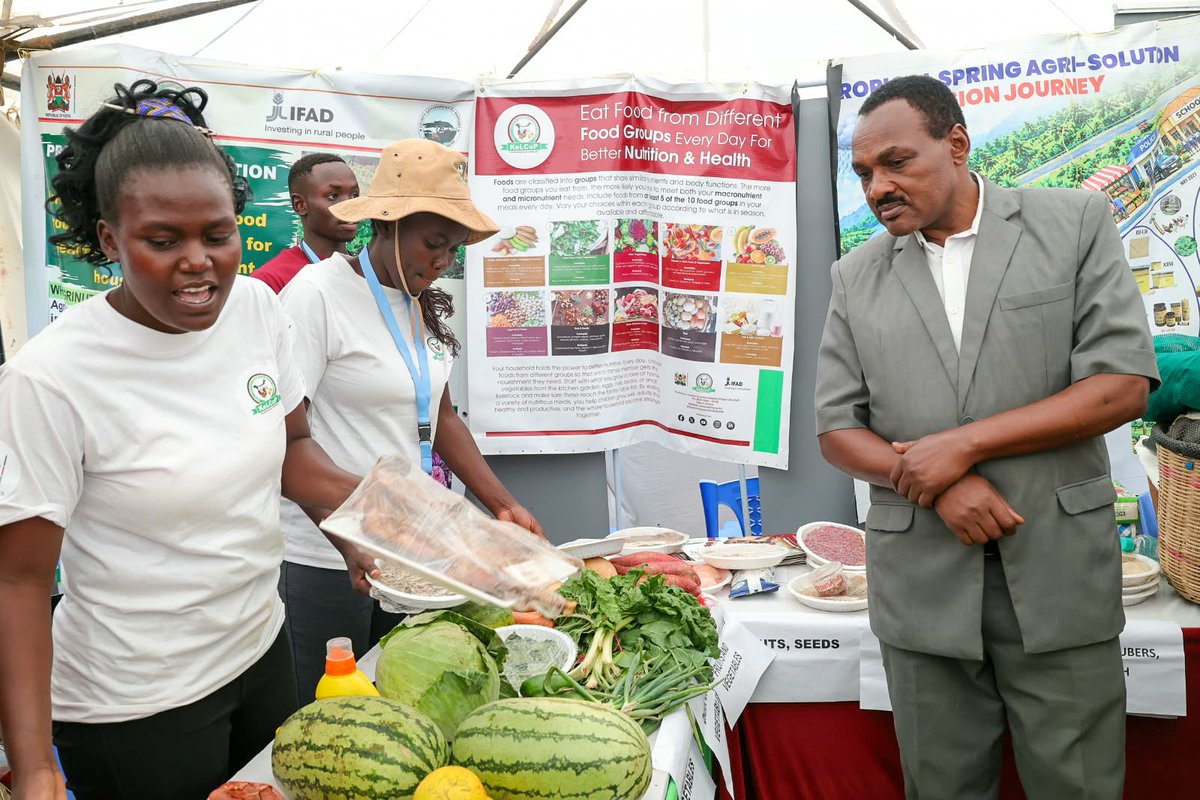
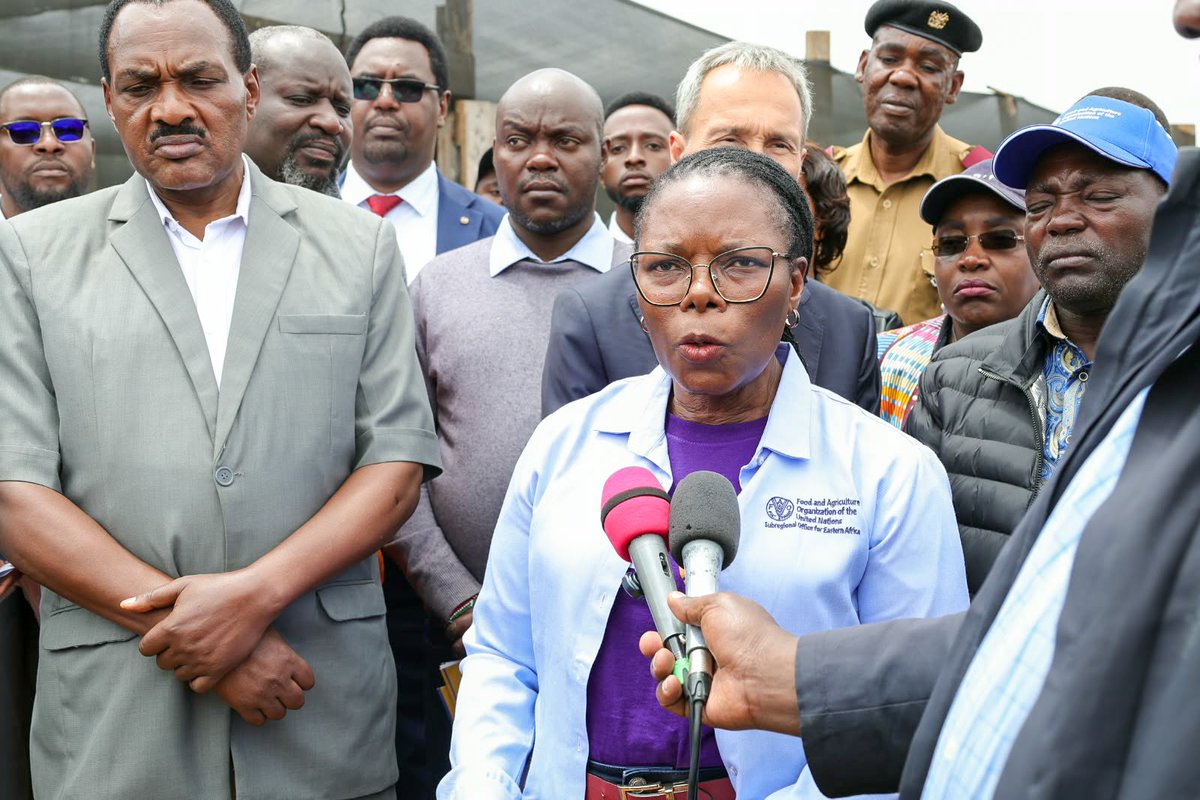
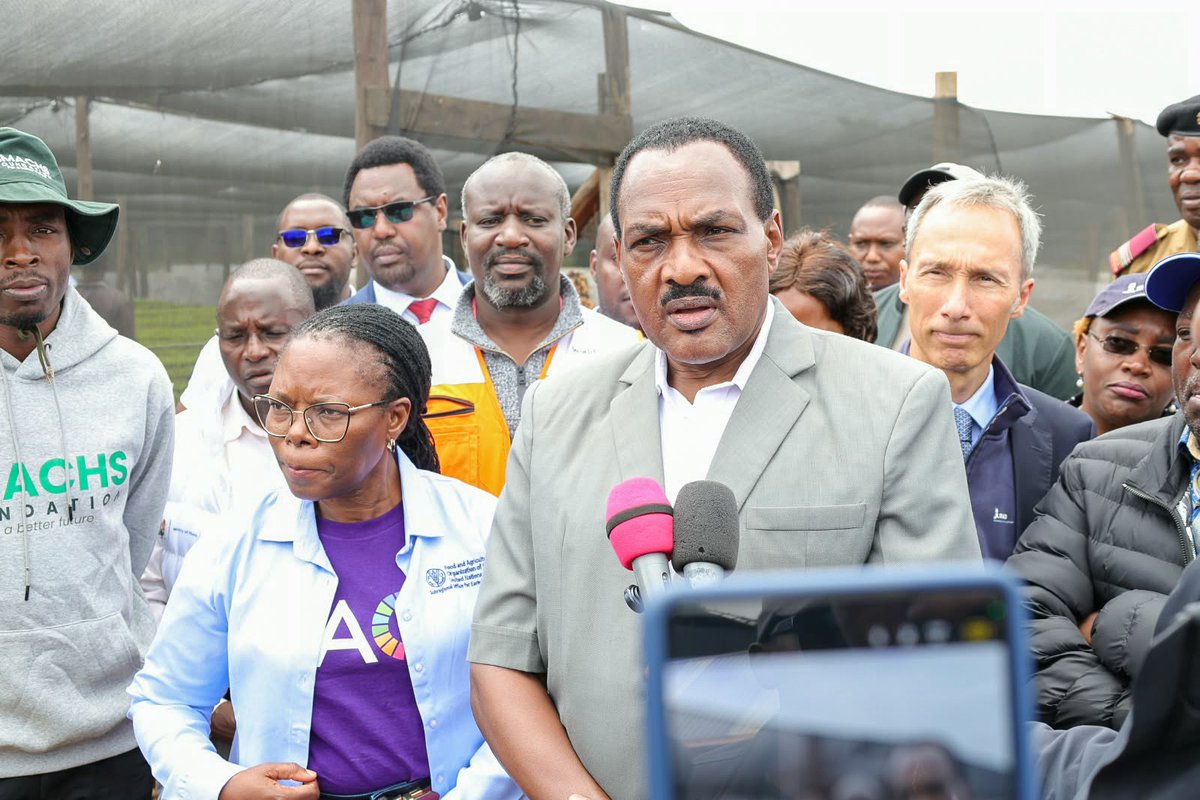
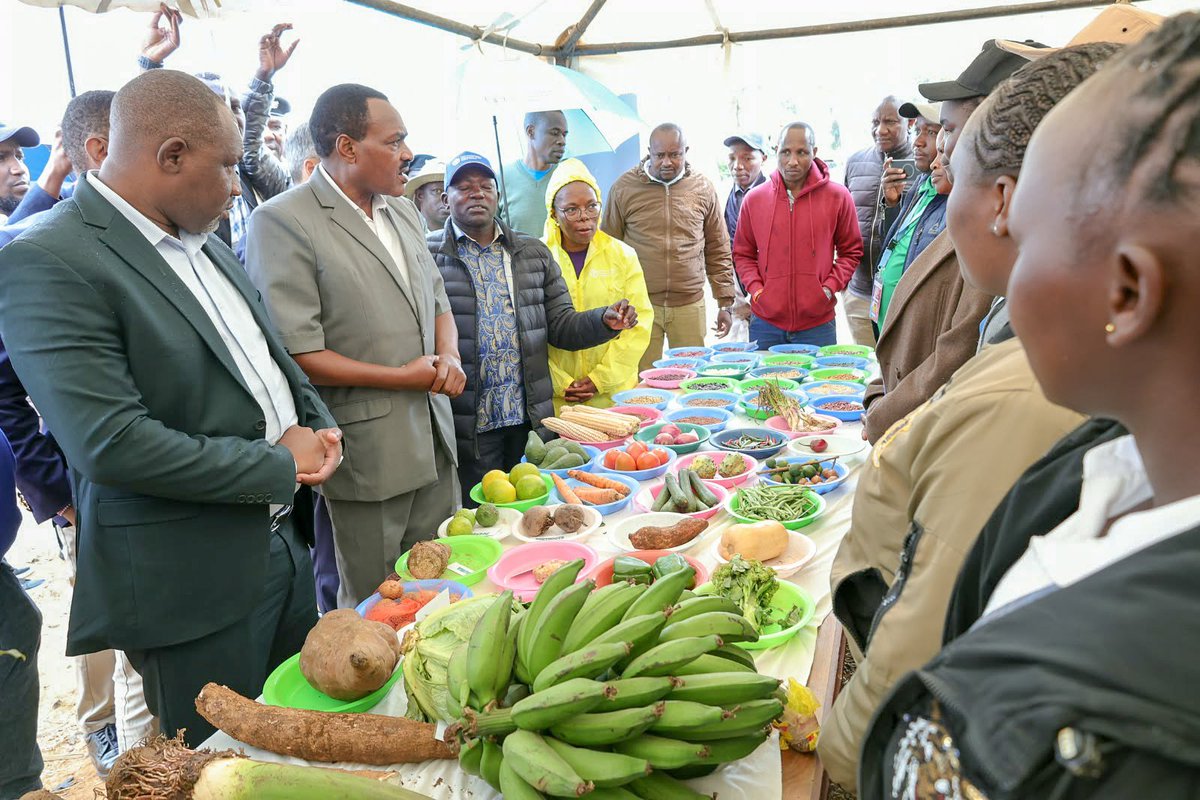
The investment, targeting 1.26M farmers, was highlighted during the 2026 World Food Day national celebrations held on Thursday at Tandare Integrated Agriculture Demonstration Centre in Laikipia County, under the theme “Innovate Today. Nourish Tomorrow.”
Speaking at the event, Ag Agriculture Secretary Mr James Wanjohi, representing CS Sen. Mutahi Kagwe, reaffirmed the Government's commitment to transforming food systems, increasing domestic production and ensuring every Kenyan has access to sufficient, safe and nutritious food.
He said the fertiliser subsidy builds on a programme through which the Government has subsidised more than 38M bags since 2022, reducing the price from approximately KSh7,500 to KSh2,000 per bag.
Mr Wanjohi also highlighted the 50% subsidy on certified maize seed, which has reduced the price from KSh300 to KSh150 per kilogramme to encourage planting and cushion farmers against rising production costs.
He noted that the country's food security agenda goes beyond affordable inputs to include expanded irrigation, improved livestock breeds, agricultural research, digital innovation, stronger markets and climate-resilient farming practices.
On livestock development, he cited the nationwide vaccination campaign targeting 22M cattle, 23M sheep and 35M goats as part of efforts to protect animal health, improve productivity and strengthen pastoral livelihoods.
Mr. Wanjohi commended the strong working relationship between the National Government and Laikipia County Government, noting that collaboration between the two levels of government was critical to the successful implementation of agricultural programmes.
The celebrations brought together Laikipia Governor @GVNJoshuaIrungu, @FAO Representative Farayi Zimudzi, @IFAD Country Director Matteo Marchisio, farmers, development partners and other agricultural stakeholders.
The AS later presided over the recognition and awarding of outstanding farmers who excelled in various categories, acknowledging their contribution to agricultural productivity and food security.
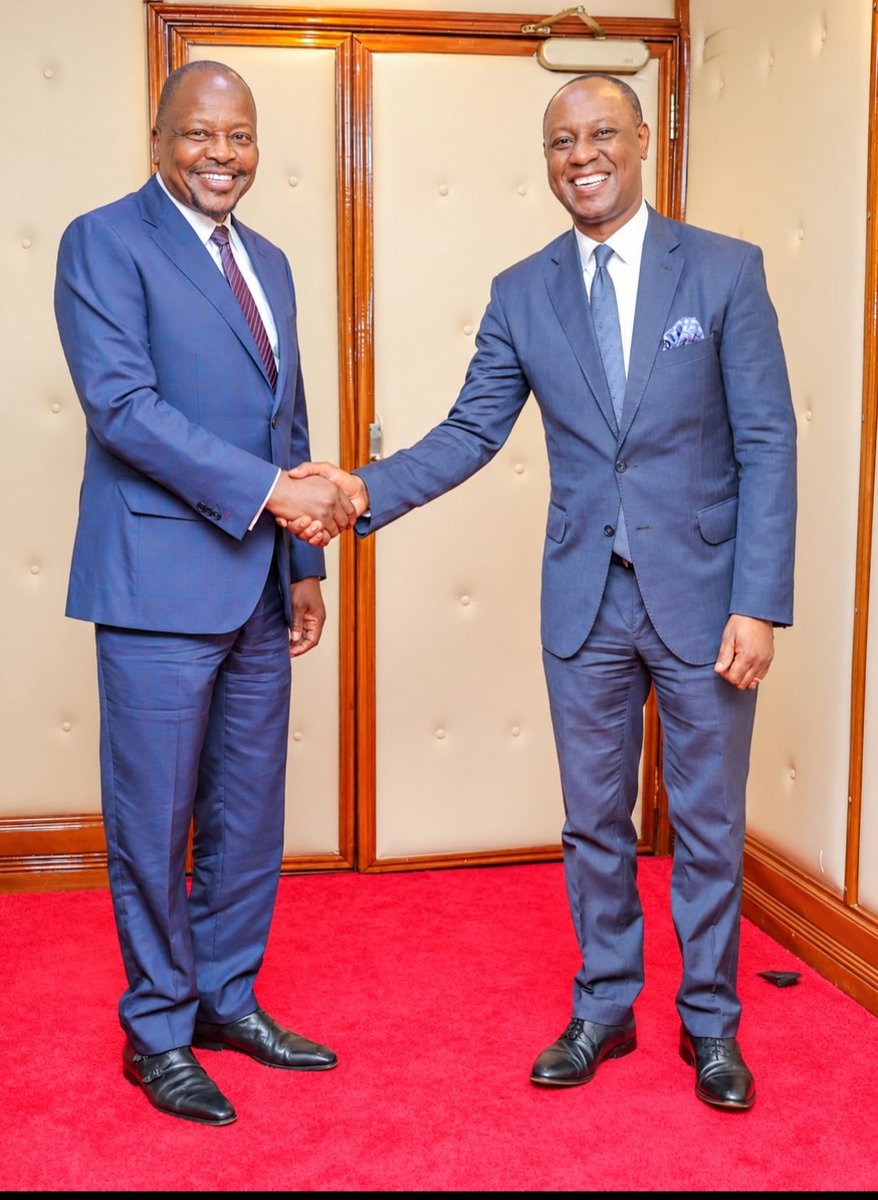
Happy 50th Birthday to my friend PS @jmueke!
They say life begins at 50, so I suppose we should prepare for even more energy, bigger ideas and longer meetings!
Congratulations on reaching this remarkable milestone. May the next chapter bring you good health, renewed strength, wisdom and many more years of service.
Keep the youthful spirit alive, bwana PS. After all, 50 is just 25 with 25 years of experience!
Happy Golden Jubilee!
KENYA, THAILAND MOVE TO DEEPEN AGRICULTURAL TRADE, ATTRACT INVESTMENT AND EXPAND FARMER EXCHANGES
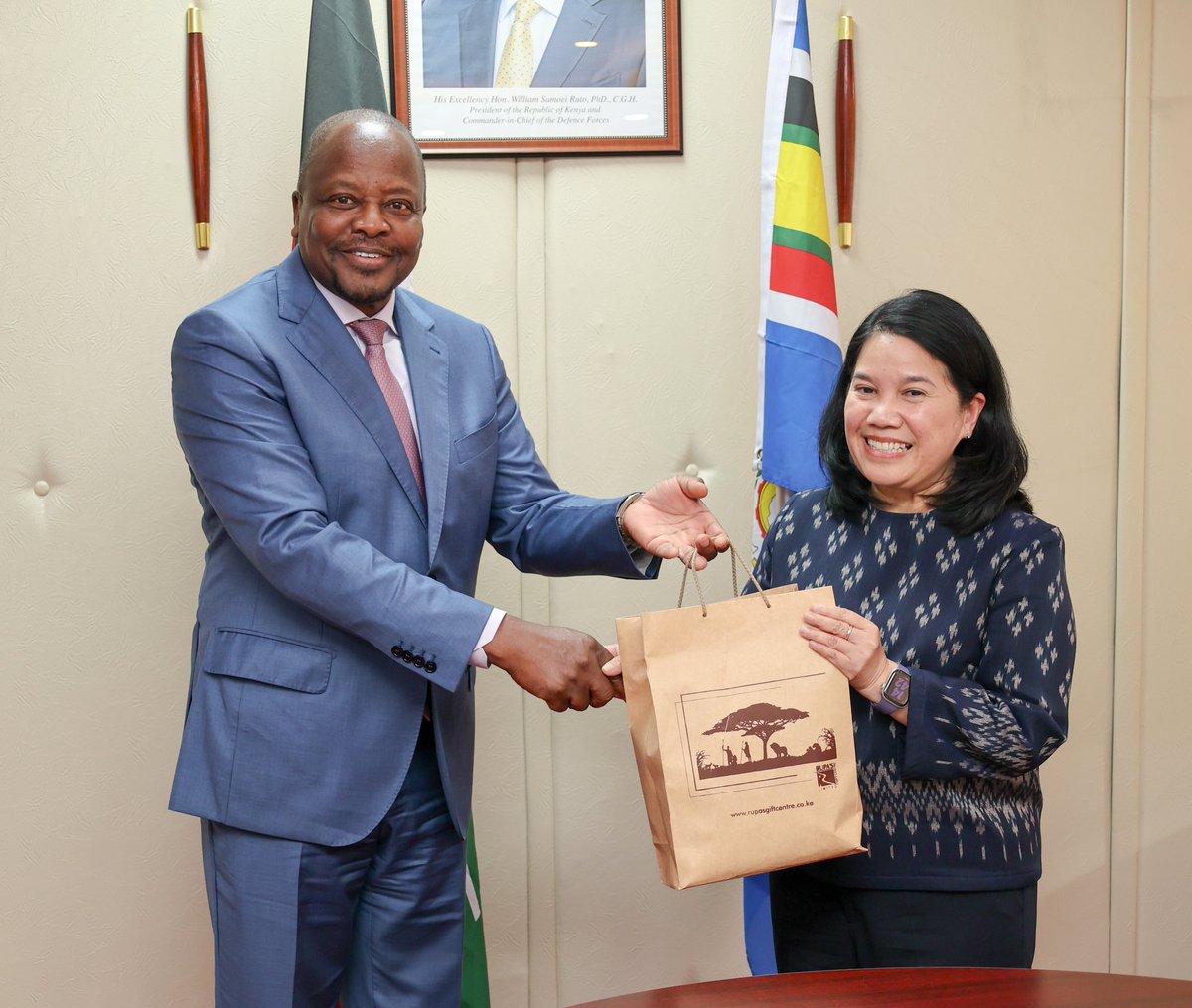
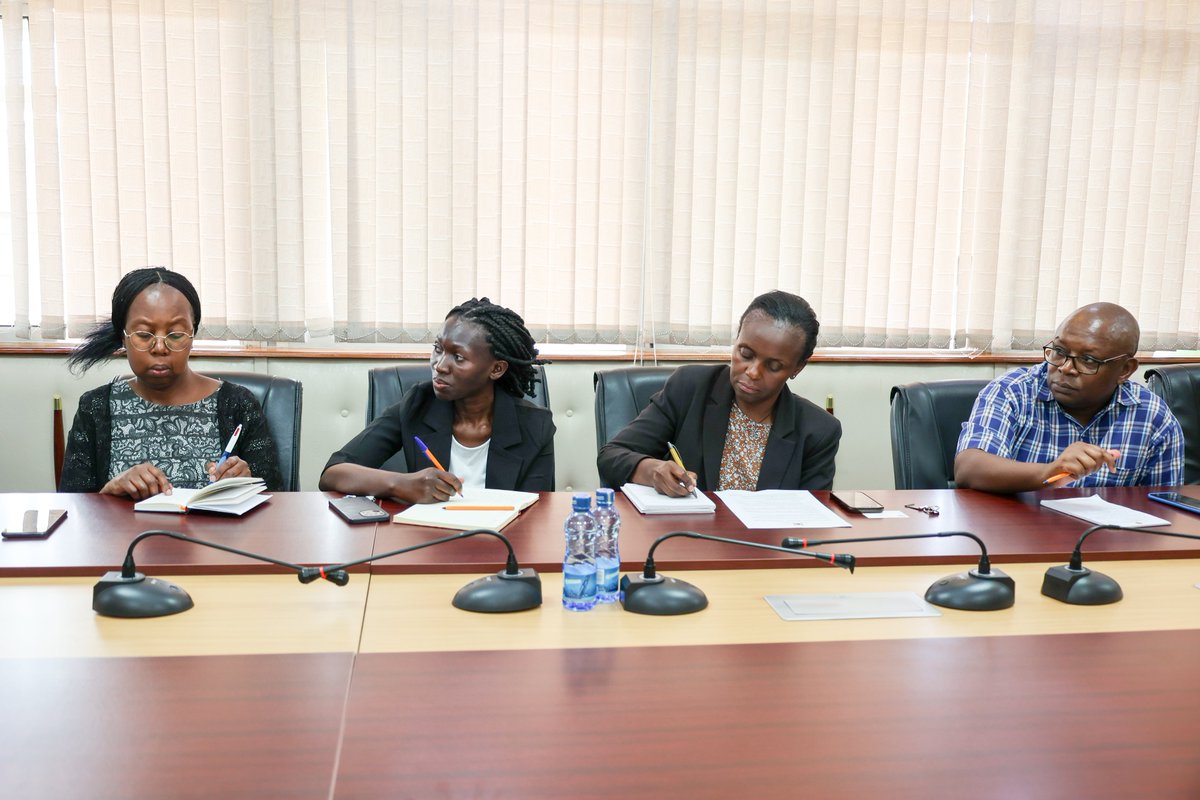
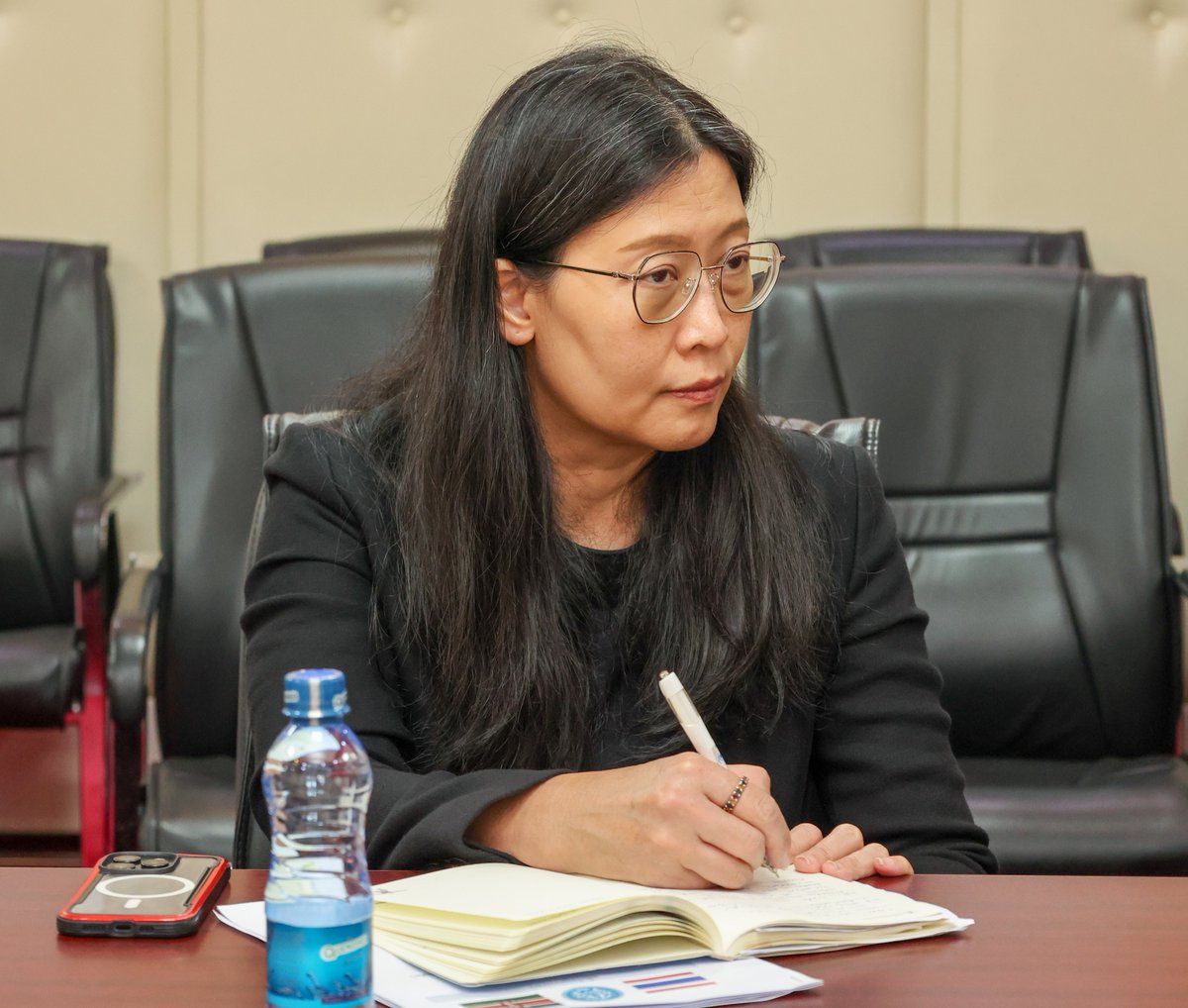
Kenya and Thailand are exploring an expanded agricultural partnership targeting increased bilateral trade, investment in agro-processing, skills development and stronger people-to-people exchanges, as the two countries seek to unlock new opportunities across their agricultural value chains.
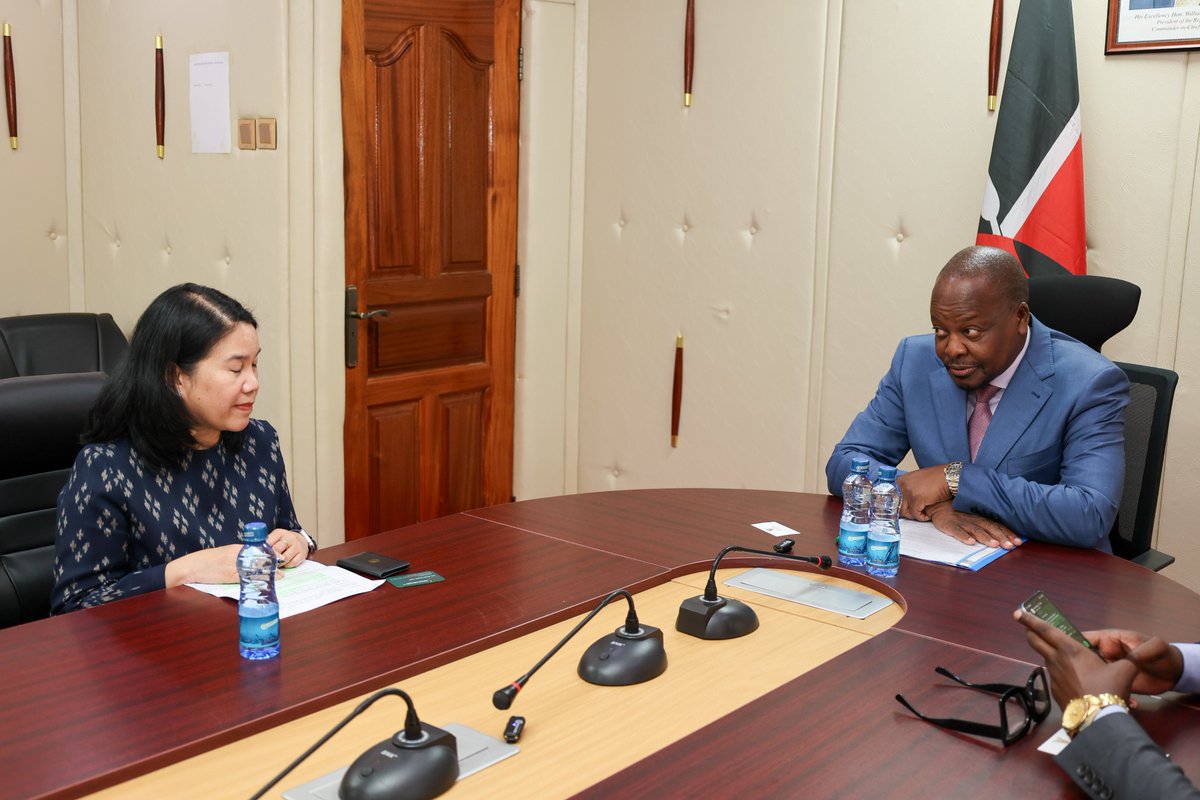
Speaking during a meeting with Thailand's Ambassador to Kenya, H.E. Ms. Jirusaya Birananda, Cabinet Secretary for Agriculture and Livestock Development Sen. Mutahi Kagwe called for a more ambitious partnership that goes beyond conventional trade to include value addition, technology transfer, institutional collaboration and direct engagement between farmers and agribusiness communities.
The CS identified coffee, tea and avocados among Kenya's priority export products, highlighting ongoing engagements involving the @KephisKe to open the Thai market to Kenyan avocados.
"We are interested in enhancing our tea exports. We are also introducing coffee, tea, avocado and other products into international markets. The idea is to give consumers choice," said Kagwe, emphasising the need to expand market access for Kenyan agricultural produce.
He challenged Thai investors to move beyond trading in raw agricultural commodities and establish value-addition enterprises in Kenya, positioning the country as a production and agro-processing hub for the wider regional market.
"We would like Thai business people to come here and start these businesses. If you are going to value-add and take our products to Thai supermarkets, we want that investment to happen here," he said.
On skills development, Kagwe called for an expansion of the existing agricultural training partnership between Kenya and Thailand, proposing institutional linkages between agricultural colleges in both countries, increased student exchanges and farmer-to-farmer learning programmes.
He said the partnership should move beyond exchanging one or two trainees to creating a broader programme with tangible impact at the farm level, including opportunities for Thai agripreneurs and students to work alongside Kenyan agricultural extension officers.
The CS also proposed short-term farmer exchange visits, drawing from similar programmes Kenya has undertaken with the United Kingdom, to expose farmers to new technologies, production systems and practical approaches to addressing shared tropical agricultural challenges.
"Instead of one or two people, we should have a bunch of people. That is when you begin to have real impact on the ground," Kagwe said.
Ambassador Birananda welcomed the proposed expansion, noting that agriculture presents significant opportunities for cooperation under Thailand's newly launched Thailand-Africa Initiative, which identifies Kenya as a strategic gateway for deeper engagement with the continent.
She called for stronger direct trade arrangements, observing that the actual volume of Kenyan agricultural exports to Thailand may be significantly underrepresented in official bilateral trade statistics because some products enter the Thai market through third-country trading hubs, particularly Dubai.
"Kenya coffee, tea and flowers are already in the Thai market. But when we look at the country of origin, sometimes it is recorded as Vietnam or Dubai because the products go through traders there. We need to find a way to do direct bilateral trade," she said.
The Ambassador singled out coffee as a particularly promising opportunity, noting that Thailand's domestic production is insufficient to meet the needs of its expanding coffee industry, creating room for quality Kenyan coffee to secure a stronger foothold in the market.
She also pointed to opportunities for Thai investment in Kenya, particularly in agro-processing and the wider agricultural value chain, including packaging, cold-chain infrastructure, logistics and transportation.
Birananda said Thai businesses were increasingly looking towards Africa as Thailand confronts an ageing population, rising labour costs and a less dynamic workforce, making markets such as Kenya attractive for future investment and business expansion.
She, however, emphasised that stronger trade and people to people relationships would be critical in building familiarity and confidence between the two business communities before moving towards larger investment commitments.
On agricultural training, the Ambassador disclosed that @kkunews and the @TICACThailand had agreed in principle to approve the second phase of cooperation with the @KSA_KEN.
The proposed second phase will prioritise capacity building for KSA personnel and students, water management and commercial farming. A Thai delegation is expected in Kenya by late November or December 2026 to advance discussions and define the next steps.
The engagement comes ahead of the 60th anniversary of diplomatic relations between Kenya and Thailand in 2027, presenting an opportunity for both countries to translate longstanding diplomatic ties into stronger commercial partnerships, agricultural innovation and mutually beneficial investment.
CS KAGWE PUTS SACCOs AT THE CENTRE OF KSH. 2.2 BILLION YOUTH AGRIBUSINESS FINANCING, DEMANDS SINGLE-DIGIT INTEREST RATES
CS Sen. Mutahi Kagwe has challenged development partners and financial institutions to rethink agricultural financing by placing Kenya’s cooperative movement at the heart of efforts to unlock affordable credit for farmers and young agripreneurs.
Speaking during a stocktake meeting with the African Development Bank (AfDB) and the Ministry’s project leadership, CS Kagwe insisted that financing models must reflect Kenya’s unique agricultural ecosystem, where SACCOs have demonstrated their capacity to mobilise savings, extend affordable credit and sustain agricultural enterprises.
“Why are we ignoring the biggest asset in financing in this country that we can use? SACCOs,” posed the CS, warning that lending to farmers at anything above single digit interest rates would undermine the very purpose of agricultural financing.
“Anything that is not a single digit interest rate is a waste of time,” he declared.
The meeting reviewed progress under three AfDB-supported interventions: the KSh. 5.4B Building Resilience for Food and Nutrition Security (BREFONS) Programme, the newly secured USD 20M Building Resilience for Food and Livelihoods (BREFOL) grant, and the USD 36.3M Empowering Novel Business led Employment (ENABLE Youth) Programme.
Under ENABLE Youth, KSh. 2.2B has been earmarked for on lending in the next phase, with SACCOs expected to serve as the primary financing channel. The framework also incorporates participating financial institutions, with a binding commitment to unlock an additional KSh. 60B for youth and women through risk sharing arrangements.
CS Kagwe called for a financing approach that moves beyond simply disbursing loans to identifying viable enterprises and supporting their expansion, drawing lessons from the NYOTA Programme, whose model prioritises scaling businesses that young people have already established.
“It's a demand for business, not a demand for money,” he emphasised, urging the Ministries of Agriculture and Cooperatives to work together with SACCOs to identify bankable agricultural ventures and accelerate access to affordable financing.
On implementation, BREFONS is already benefiting one million people against a target of 1.9M across seven ASAL counties: Baringo, Garissa, Isiolo, Marsabit, Samburu, Turkana and West Pokot. Its investments target water infrastructure, livestock productivity, market access, climate resilience and local value addition.
Meanwhile, ENABLE Youth has rehabilitated and equipped eight Youth Agripreneurship Incubation Centres, recruited and incubated 1,500 young people and supported 1,000 in developing bankable business plans.
The CS challenged the project teams to accelerate implementation with speed, innovation, prudence, accountability and sound corporate governance, while leveraging Kenya’s established cooperative heritage to deliver lasting impact.
The meeting was attended by AfDB Chief Financial Economist and Pan-African ENABLE Youth Lead Edson Mpyisi, Senior Agricultural Expert Onesmus Maina, Nixon Bugo, Lead Consultant – African Finance and Technical Assistance at AfDB, representatives of the Agricultural Finance Corporation (AFC), and the Ministry’s project coordinators Eng. Kennedy Makudiu (BREFONS and BREFOL) and Ms. Jacinta Ngwiri (ENABLE Youth), alongside Senior Technical Advisor to the CS, Hez Gikang’a.
KENYA CALLS FOR STRONGER REGIONAL COOPERATION TO COMBAT RED LOCUST THREAT
Ag. Agriculture Secretary Mr. James Wanjohi has delivered Kenya's call for stronger regional cooperation, surveillance and sustainable financing to combat red locusts and other migratory pests threatening food security and agricultural production across Central and Southern Africa.
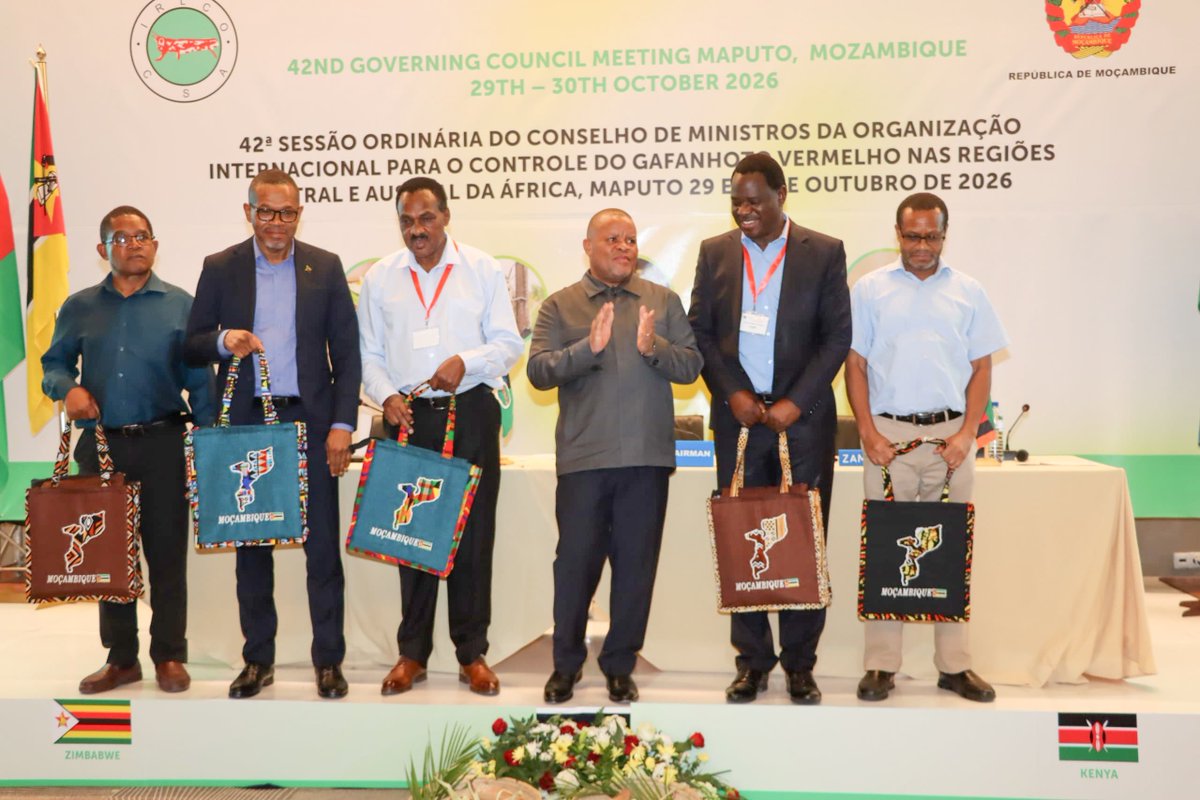
Mr. Wanjohi is representing CS Sen. Mutahi Kagwe, at the 42nd Regular Session of the Governing Council of Ministers of the International Red Locust Control Organisation for Central and Southern Africa (IRLCO-CSA), being held in Mozambique, where he delivered the CS address.
Held under Kenya's chairmanship, the session reviewed the Organisation's progress and identified key areas for action. Mozambique's Minister of Agriculture, Environment and Fisheries, Hon. Roberto Mito Albino, commended Kenya's leadership over the past year, citing remarkable achievements celebrated across the region. He attributed the Organisation's growth and positive trajectory to the hands-on leadership demonstrated under CS Kagwe.
In the remarks, CS Kagwe emphasised that migratory pests are a regional challenge requiring coordinated action. He urged member states to strengthen cross border surveillance, research, information sharing and early warning systems to detect and contain outbreaks before they spread.
He noted that early detection and preventive interventions are more effective and less costly than responding to widespread outbreaks, particularly amid growing climate-related uncertainties.
In the remarks the CS also called for responsible pesticide use to protect human health and the environment, alongside predictable financing and stronger institutional capacity for IRLCO-CSA.
He challenged member states to translate their deliberations into practical, adequately funded programmes with clear implementation timelines and accountability mechanisms.
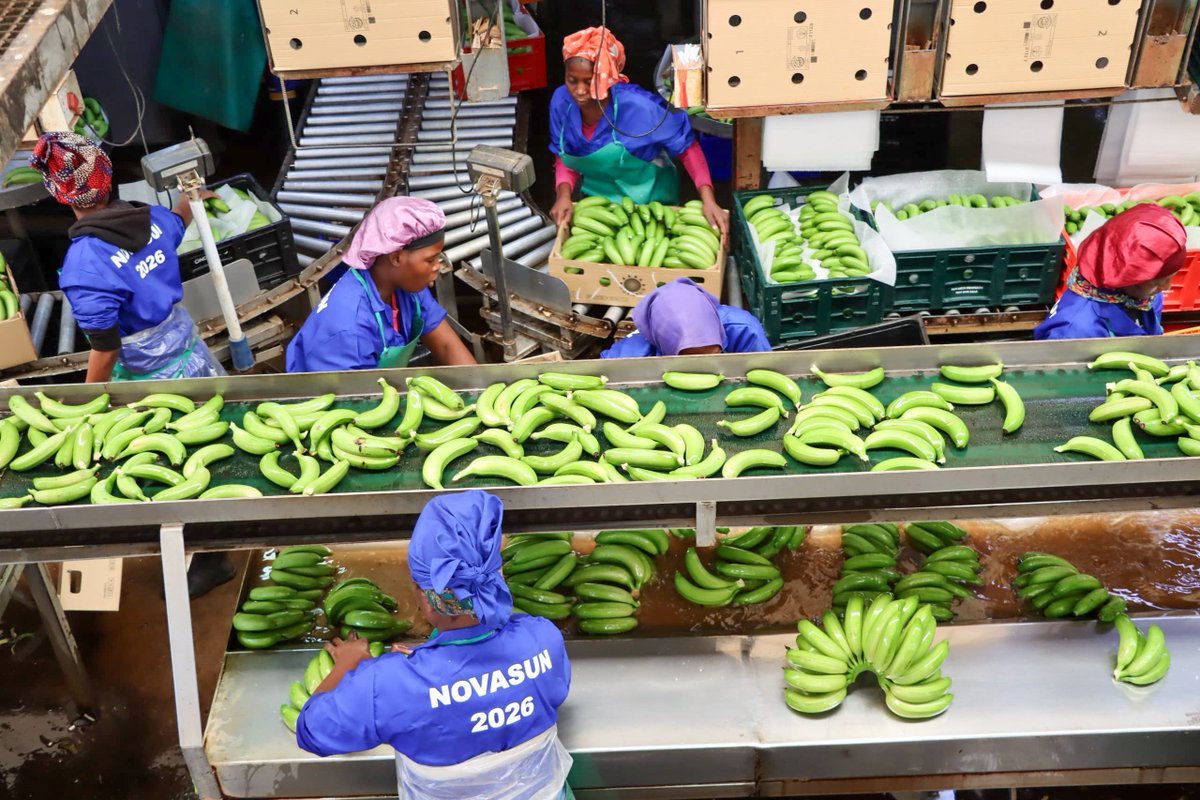
The delegation also undertook a field visit to priority value chains aligned with Kenya's Agenda, showcasing advanced technologies deployed by the private sector to produce high-value export products. The visit highlighted the potential of crops such as bananas, macadamia, avocados, mangoes and oranges in driving agricultural value addition, regional trade and export growth across Central and Southern Africa.
KENYA, AUSTRALIA EXPLORE NEW PARTNERSHIP TO BOOST LIVESTOCK RESEARCH, VACCINE PRODUCTION AND YOUTH SKILLS
Kenya and Australia are exploring new areas of cooperation in agricultural research, livestock technology and youth skills development, in a partnership aimed at strengthening productivity, innovation and the competitiveness of the agricultural sector.
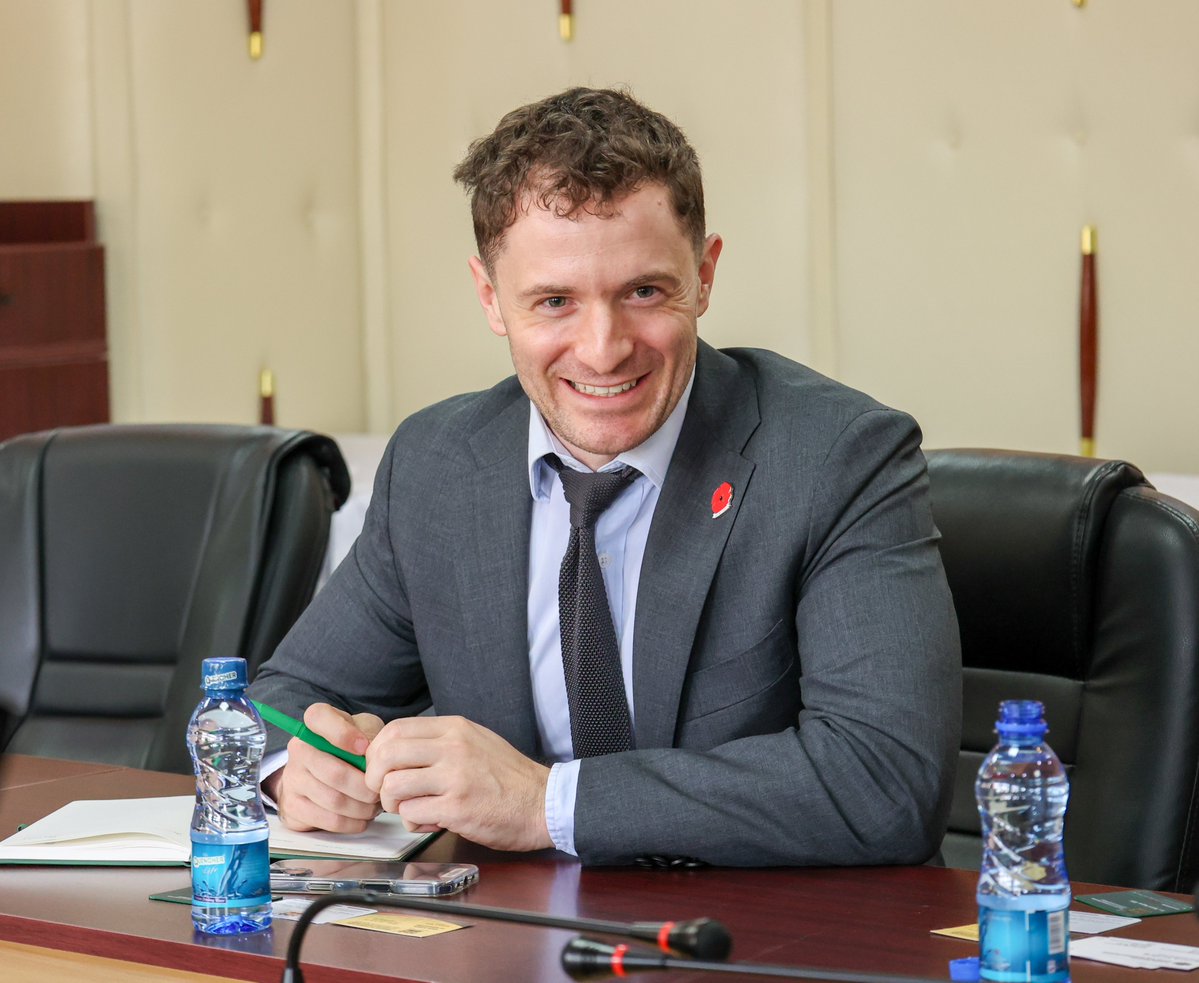
CS Sen. Mutahi Kagwe, has received a delegation from the Government of the Commonwealth of Australia, led by Ag. High Commissioner Andrew Barnes, to discuss opportunities for bilateral collaboration.
Discussions focused on strengthening livestock research through partnerships with leading Australian research institutions, particularly in crop and livestock development, as well as benchmarking international best practices.
The two sides also explored collaboration in vaccine development and sexed semen technology. The CS highlighted ongoing partnerships with a British organisation that have supported the production of vaccines and sexed semen for export to 13 countries.
However, demand continues to outstrip production capacity, with Uganda alone having received 11M vaccine doses. On youth capacity development, the discussions explored opportunities to leverage Agricultural Training Centres (ATCs), alongside existing UK supported training and internship programmes, to equip young people with practical agricultural skills and encourage greater youth participation in farming.
The engagement highlighted opportunities to deepen Kenya-Australia cooperation in research, technology transfer, skills development and innovation, supporting the modernisation of agriculture and the development of a more productive and competitive agricultural sector.