In Variant Bio's most recent blog post, my colleague Paloma Guzzardo describes her recent experience at a "virtual conference" in a very sobering context: https://t.co/JvggjdDP5G.
Check out VariantBio's latest blog post by one of my great colleagues, Sarah LeBaron von Baeyer, PhD: "An Anthropologist’s Perspective on COVID-19: Q&A with Dr. Adia Benton" https://t.co/NYBxzrLlrv
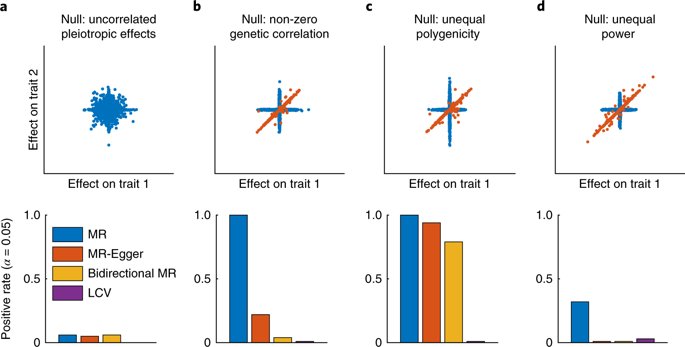
Amazing work in the UKBB illustrating how horizontal pleiotropy impacts genetic architecture of many human phenotypes. #bioRxiv#UKBB https://t.co/8lrXlorlGd
The gnomAD preprint is out! We aggregated 125,748 exomes and 15,708 genomes into a public resource of >240M high quality variants, available at https://t.co/Gr5SW9v3A0 (1/5). https://t.co/EYb5pFzkp1
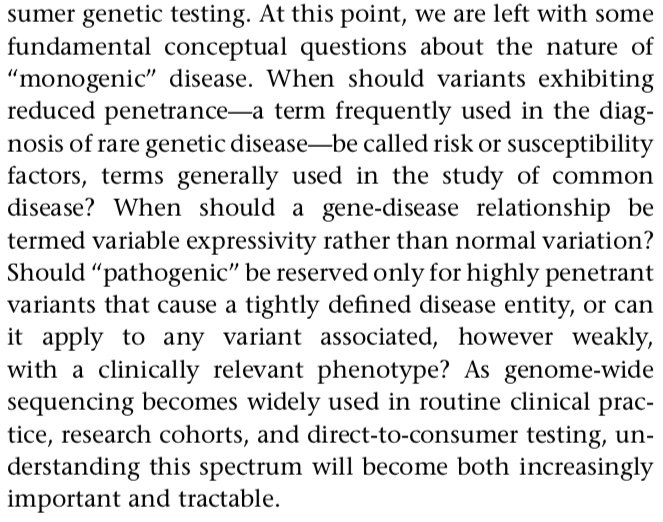
Significant inflation of ‘mendelian’ mutation effect size appears quite common. Beautiful genetics from @mnweedon! I’ve already added it to my syllabus for next year. https://t.co/VwtEohjveA
An update to the pLI/constraint work: LOEUF ("loss-of-function observed/expected upper bound fraction"). This is a more direct measure of effect size since it measures the actual depletion of expected LoFs.
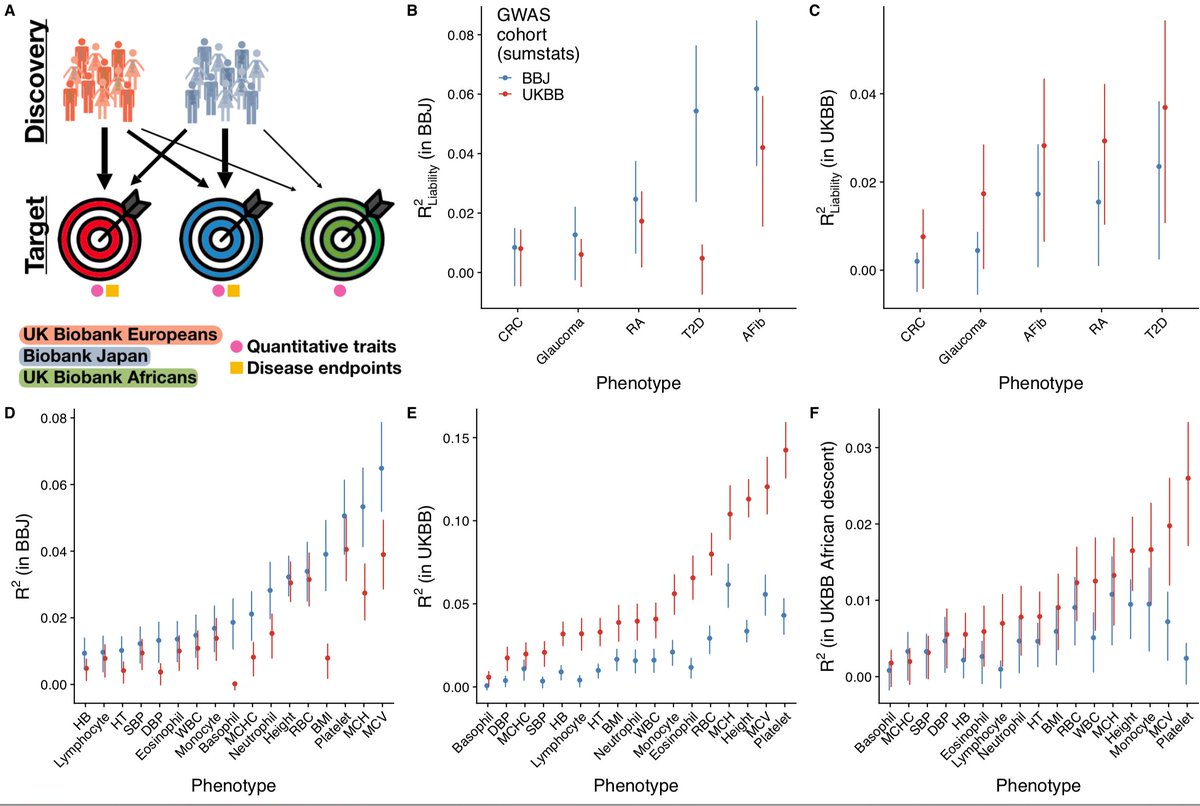
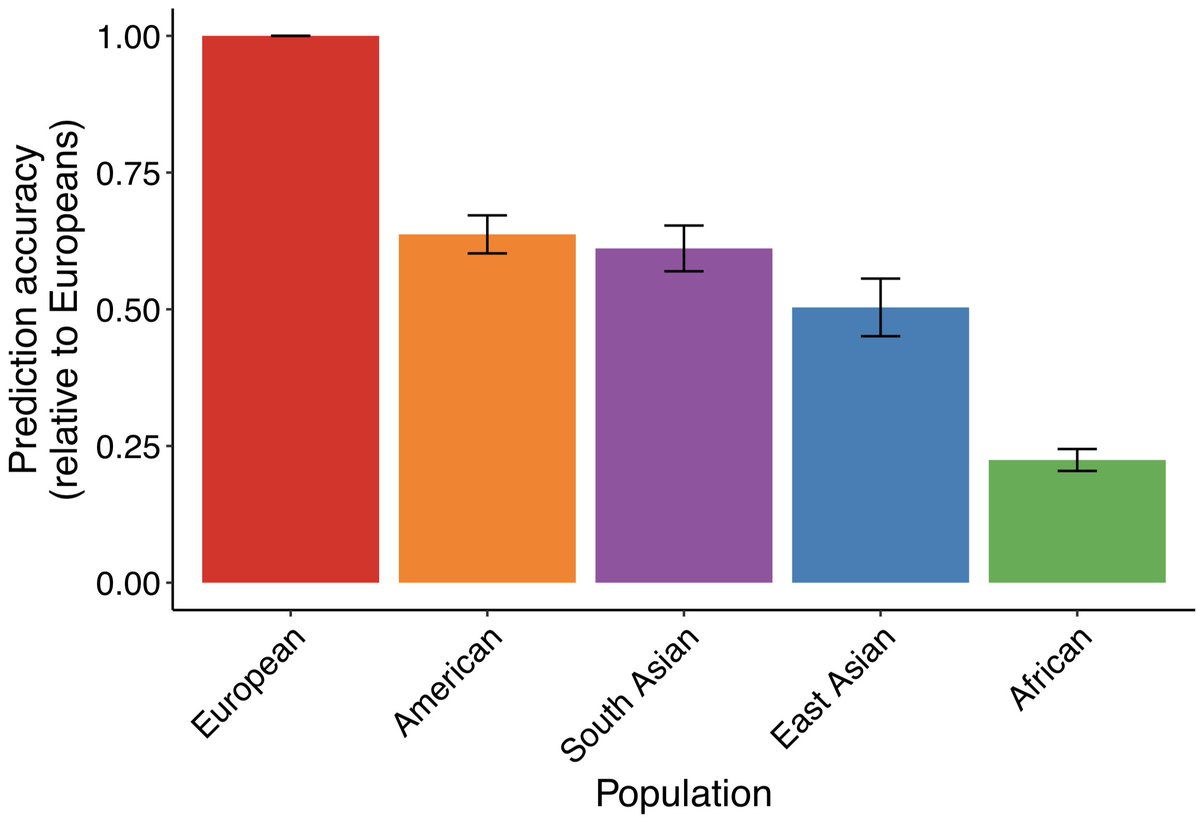
Update! A revised version of our preprint is up now: https://t.co/vTsqH4Hyo4. Biggest changes: we compare polygenic risk score accuracy across global population in UK Biobank, we assess prediction accuracy for five diseases here + Biobank Japan, and text re: evening imbalance.
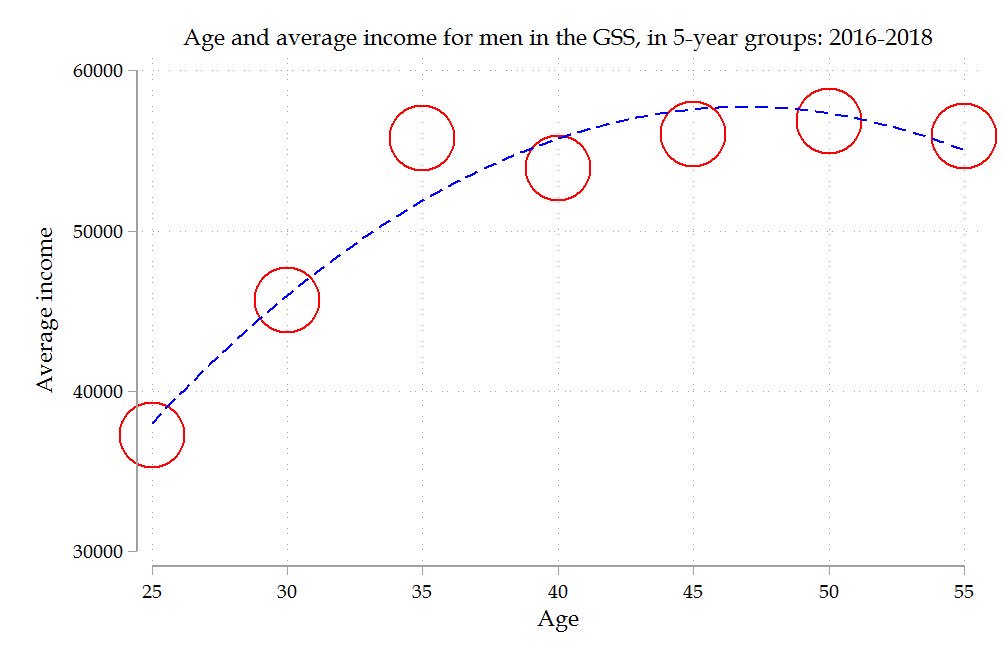
Yes! Small samples generate false positives. And idea that a result from an under-powered study is somehow STRONGER evidence that it must be real, is completely false.
Great animation to see that trying to look for meaning in small samples' differences is often staring at random noise.
Raincloud plots with sample size N=50 (left) and N=200 (right). No difference between the two conditions.
By @ajstewart_lang
amazing resource from @LudeFranke lab. cis- and trans-eQTL analysis in blood from 31,684 individuals. summary stats https://t.co/I83FMMPUxp; preprint https://t.co/yhIOBFlRW4