C-THRU is a research project which aims to deliver carbon clarity in the global petrochemical supply chain.
@Cambridge_Uni @UniofBath @UTAustin @ucsantabarbara
Hi, Joanna here! It’s my last day so things may go a bit quiet on here. Hopefully our website will keep running, so do check https://t.co/b1nDs95vTI. I’ve had a brilliant ~3 years with the group & very proud of how much we’ve grown over the years. Good luck to the whole team! 🌻
This knowledge helps policymakers to target strategic locations or companies for emissions mitigation.
🔗 Read the full deep dive here: https://t.co/l37spXuY1K
A network analysis of the petrochemical industry reveals the complexity and interconnectedness of the sector and indicates how changes made in one plant or location would have implications elsewhere.
Another Deep Dive from our latest C-THRU report looks at:
➡️ The Economic Context ⬅️
We need to consider the potential wider economic impacts of climate change mitigation actions taken within the petrochemical sector.
Therefore, we have developed an integrated macroeconomic model that combines both material and economic flows.
The model is calibrated for the US context so that it represents the real-world stocks and flows of mass, energy, population, and money.
Here, we demonstrate the use of semantic web technologies, which allow us to navigate multiple levels of detail and aggregation with the same tool.
This has not been possible before now.
🔗 Read more here: https://t.co/RkiEdH7bId
#petrochemicals
Our next Deep Dive from our latest C-THRU report looks at:
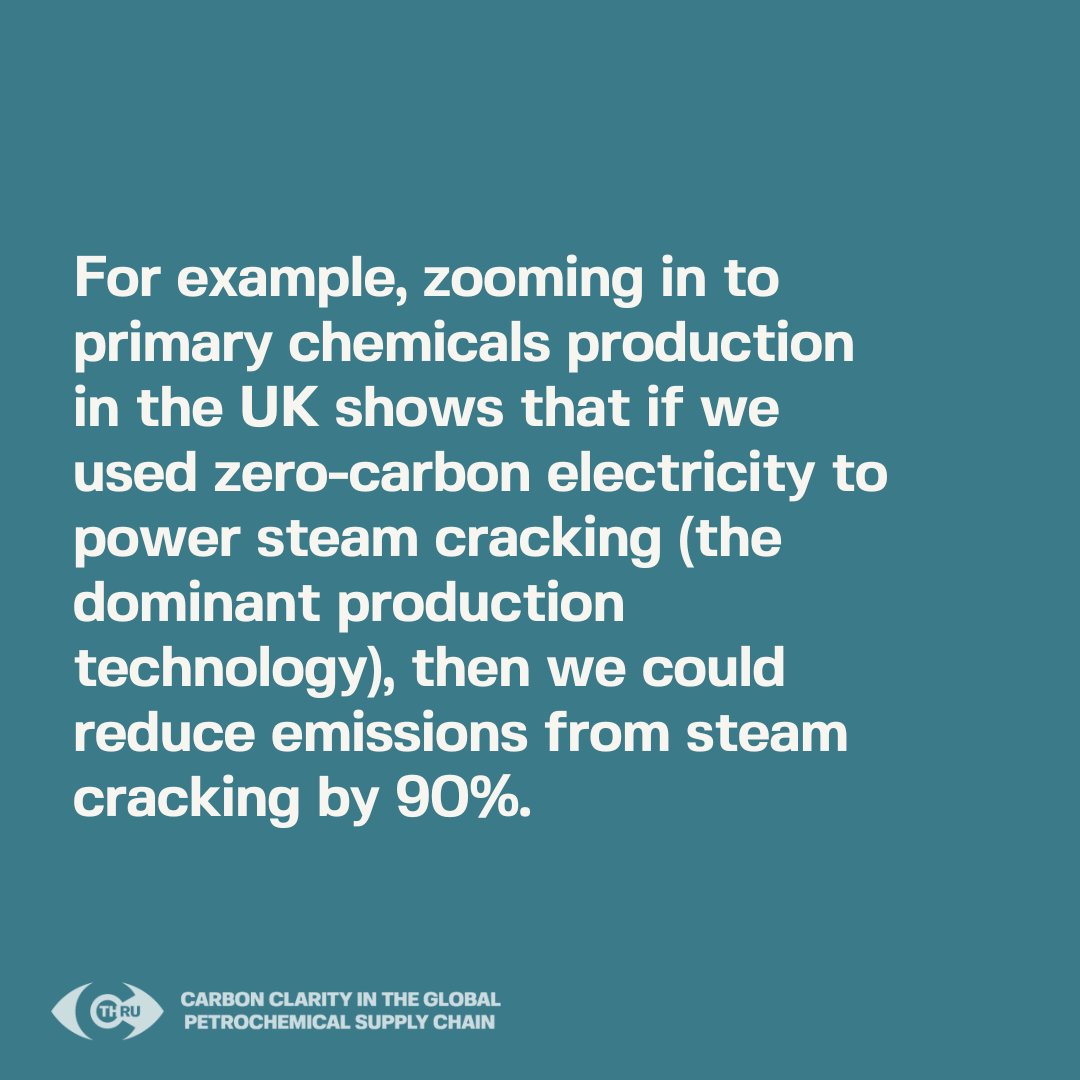
➡️ Material flow analysis of petrochemicals production in the UK ⬅️
We use a new methodology to map the emissions and energy use of the petrochemical sector in greater detail than existing studies.
An effective, targeted emissions mitigation strategy requires both a big-picture view of the sector and an understanding of the granular detail so that broad goals can be translated into specific interventions.
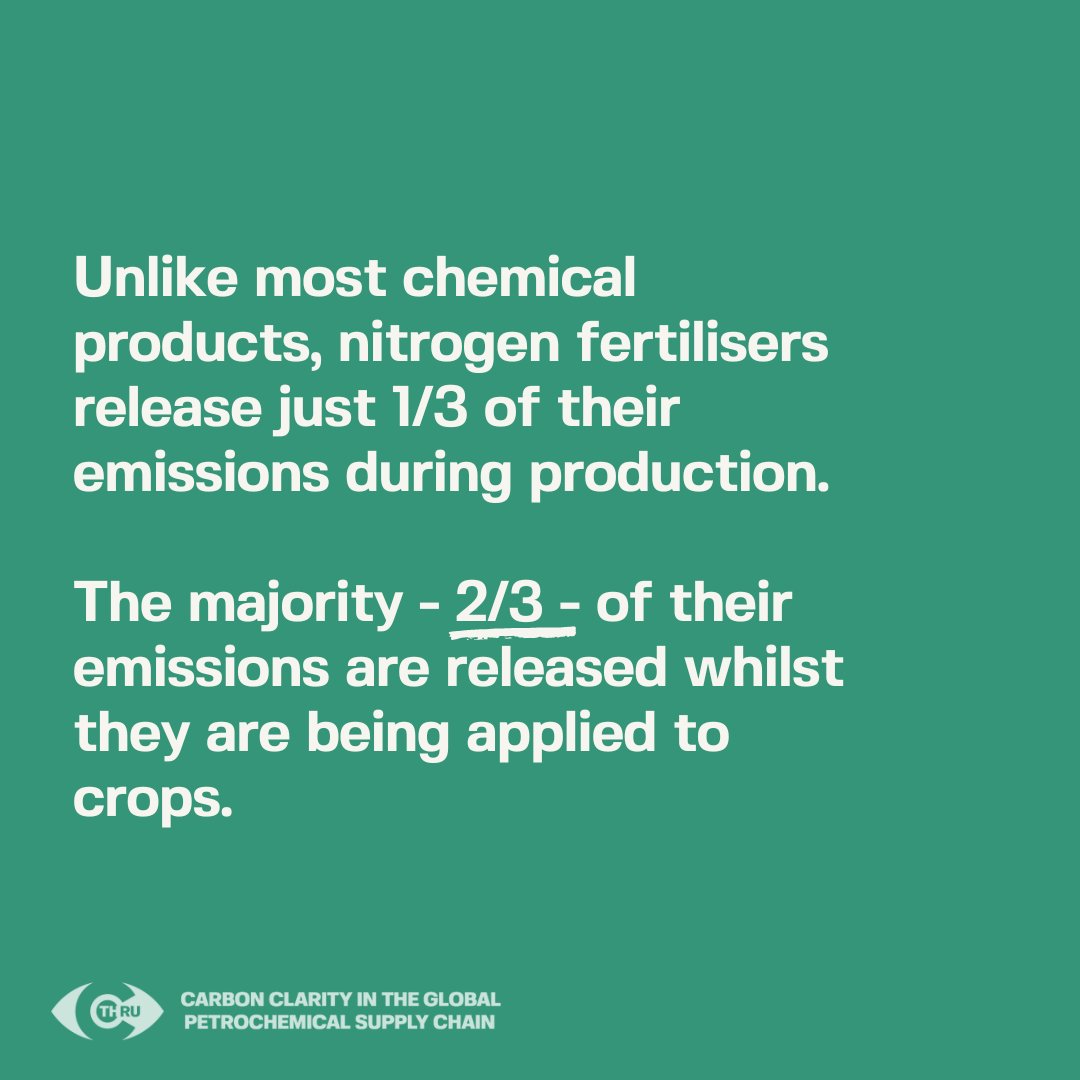
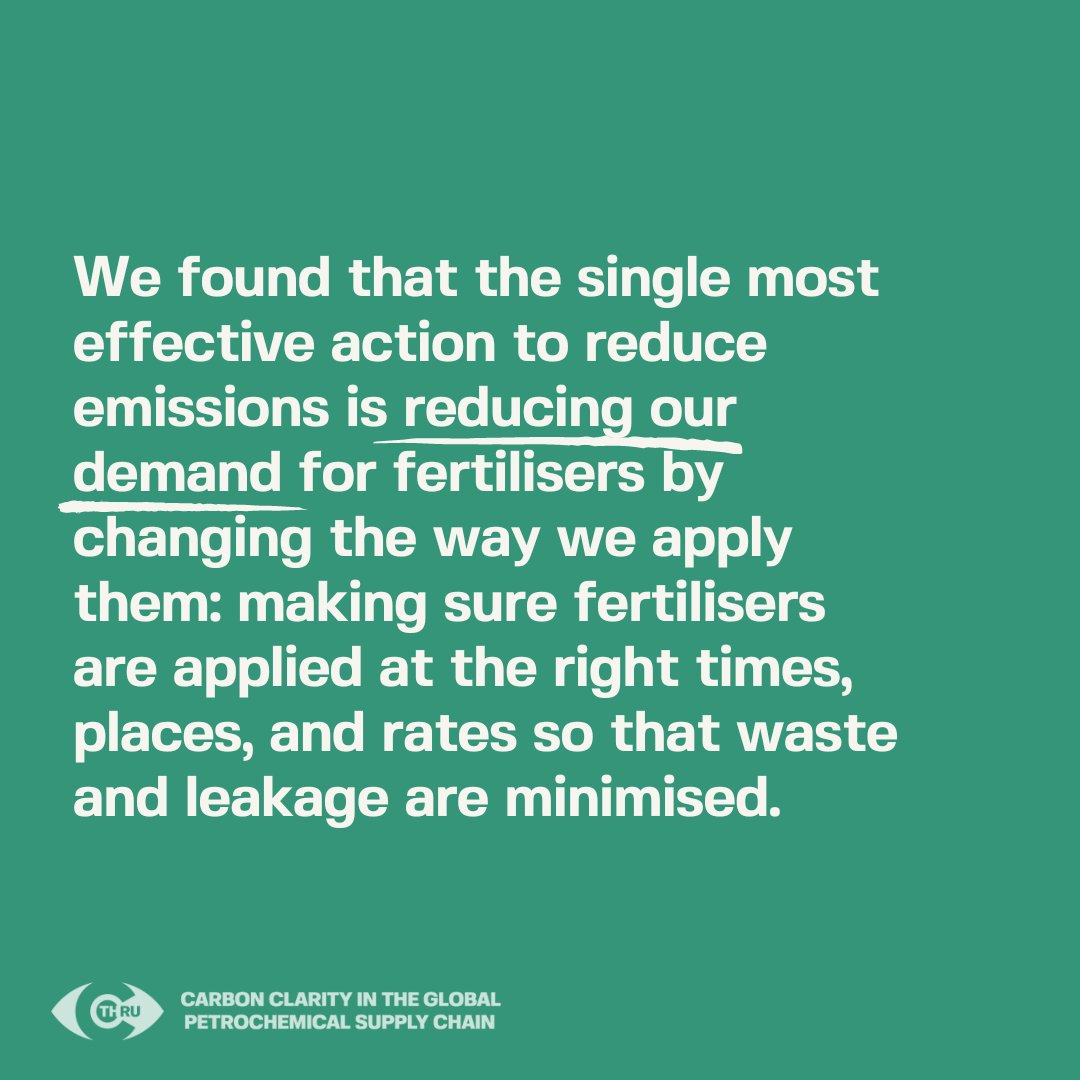
The single most effective intervention is increasing the efficiency of nitrogen fertiliser application to plants during their use phase.
🔗 Read more here: https://t.co/VSagFyJfOl
Our second Deep Dive from our latest C-THRU report looks at:
➡️ Global mass flow of nitrogen fertilisers and mitigation options ⬅️
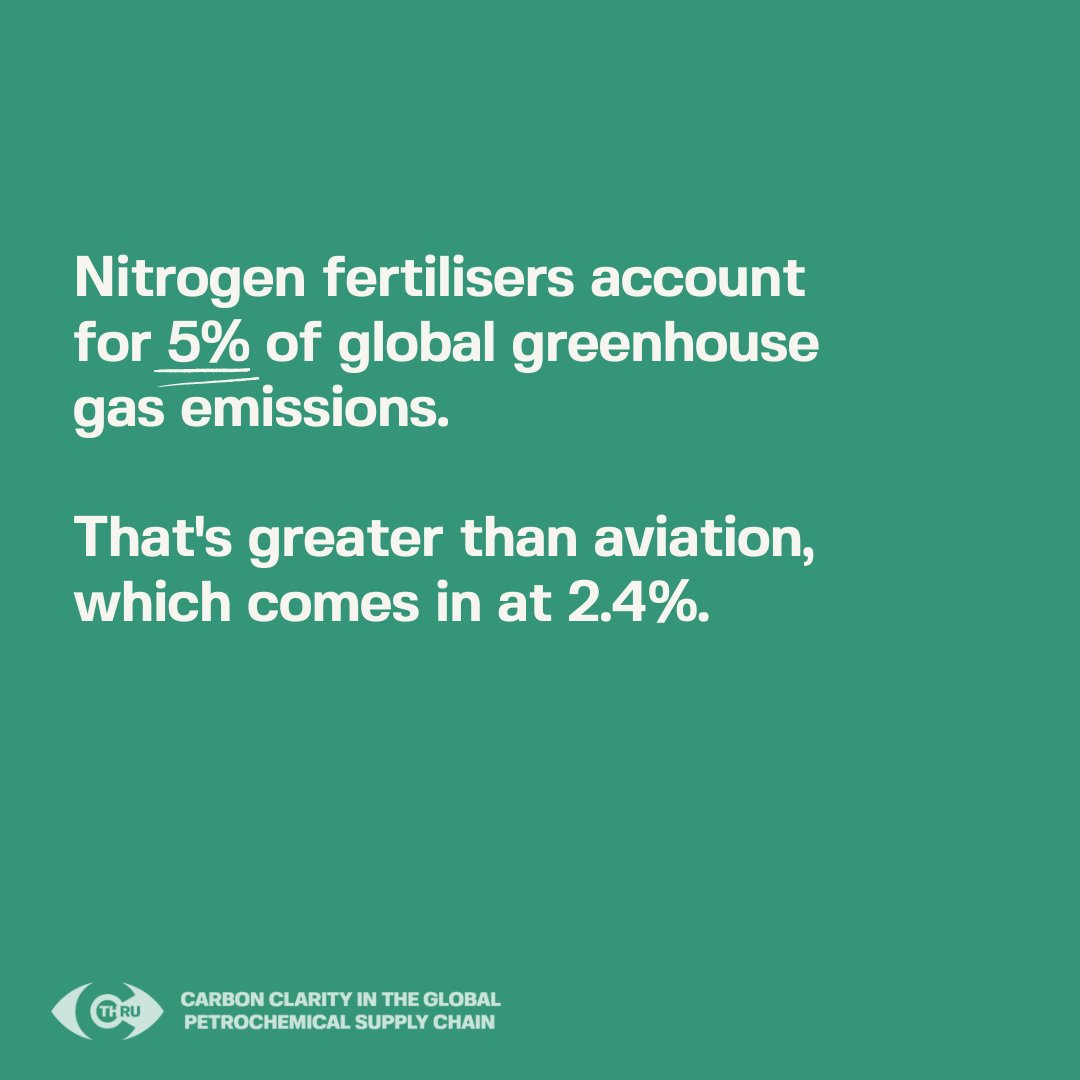
Nitrogen fertilisers account for 5% of global greenhouse gas (GHG) emissions.
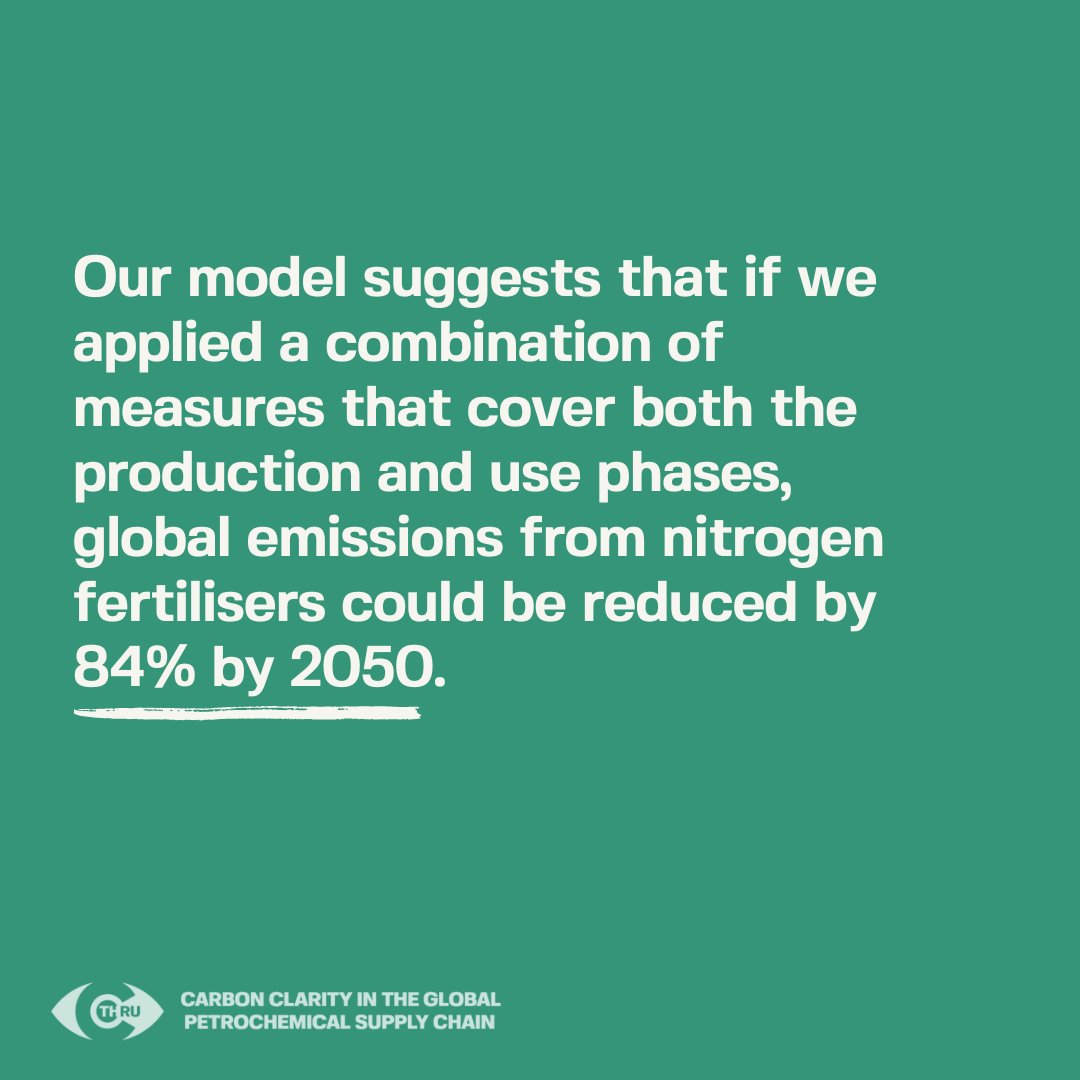
Our global mass flow model uses a whole-systems approach to explore combinations of mitigation interventions. If all the interventions we consider were applied together, GHG emissions from synthetic fertilisers could be reduced by 84% by 2050.
We have said goodbye & good luck to another member of our group! Fanran has been part of the team for ~3 years and we’re very thankful for all his work on @CTHRUproject. He is off to @sheffielduni and we know he is going to thrive there. All the best for the future, Fanran! 💐
In this Deep Dive, we explore two key #decarbonisation scenarios for the industry: 73% emissions reduction by 2050 and 96% emissions reduction by 2050.
🔗 Read here: https://t.co/gSBYniRoOm
Our first Deep Dive from our latest C-THRU report looks at:
➡️ Model-based energy and emission analysis of #ammonia production for improved process sustainability ⬅️
Ammonia is a key primary chemical whose production underpins much of the chemical industry, especially the nitrogen fertiliser supply chain. However, ammonia production is highly energy- & emissions-intensive, responsible for 35% of CO2 #emissions from across the chemical sector.
🚨 Our latest C-THRU Report is here! 🚨
✨ The C-THRU project exists to bring greater clarity, transparency, and breadth to our understanding of emissions from the petrochemical sector.
🚨 Our latest C-THRU Report is here! 🚨
✨ The C-THRU project exists to bring greater clarity, transparency, and breadth to our understanding of emissions from the petrochemical sector.
🔍 Here, in 6 ‘deep dives’, we showcase the team's work to shed light on where emissions are released throughout the life cycles of chemical products, the actions we can take to reduce them, and the knock-on effects for other processes within and beyond the industry.