Aussie Academic/Professional | Human Resources and Industrial Law | Creator/Muso | Digital Storyteller | VTuber |D&D GM | Don't harass me for commissions
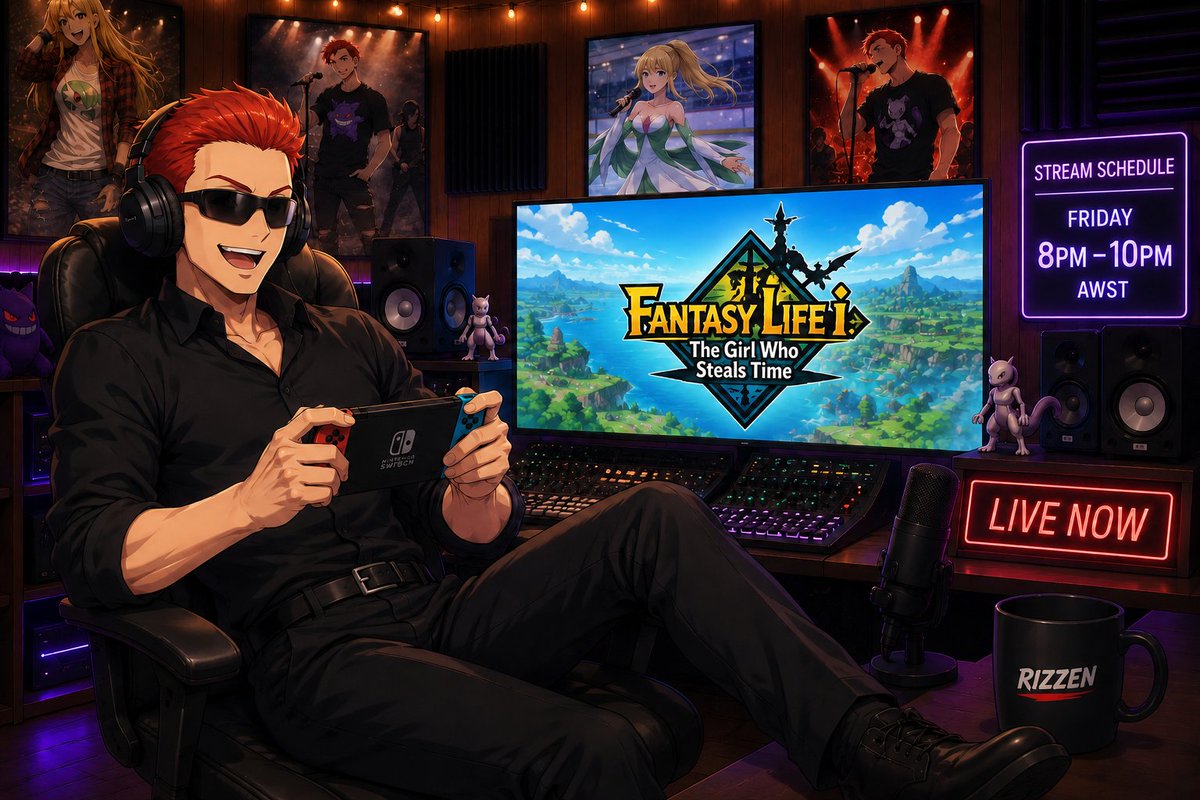
With the way my week is panning out... Friday night games are on the playlist for this week. Come join me for some Fantasy Life i + chill.
https://t.co/QpLPZYOOFR
https://t.co/aNcY9jtx8U
https://t.co/xRLG3amipR
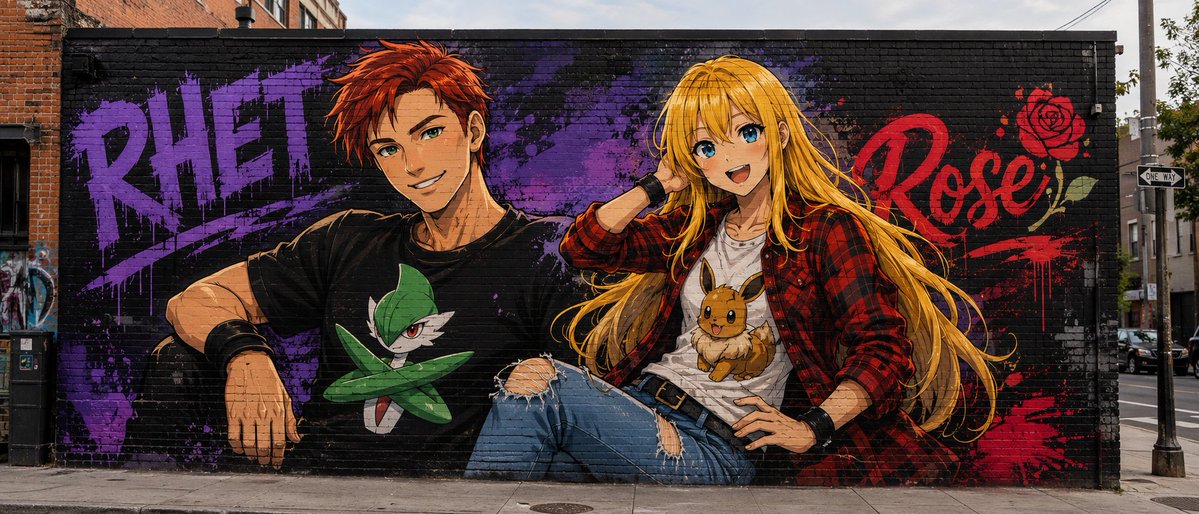
Anime-style 15-second animation, semi-realistic brick wall background matching the street mural photo. Start on a mostly blank dark brick wall (black-painted bricks with faint residual paint stains and street texture, urban sidewalk and partial city background visible).
The character from the second reference image (Rizzen Performance Mode) appears in full anime style: tall athletic young man with short spiky red hair, sharp green eyes, wearing the exact long black coat with purple circuit-like lining and glowing purple accents, black shirt, purple tie with R emblem, black gloves, chains, and black boots. He holds multiple spray-paint cans.
He rapidly and dynamically paints the full graffiti mural from the first reference image onto the wall in accelerated time-lapse motion. Smooth, fluid anime motion with paint spray effects, dripping paint, glowing particle trails, and energetic brush/can strokes.
Sequence:
0–3s: He starts spraying the large purple graffiti text “RHET” on the left with wild dripping style and purple paint splatters.
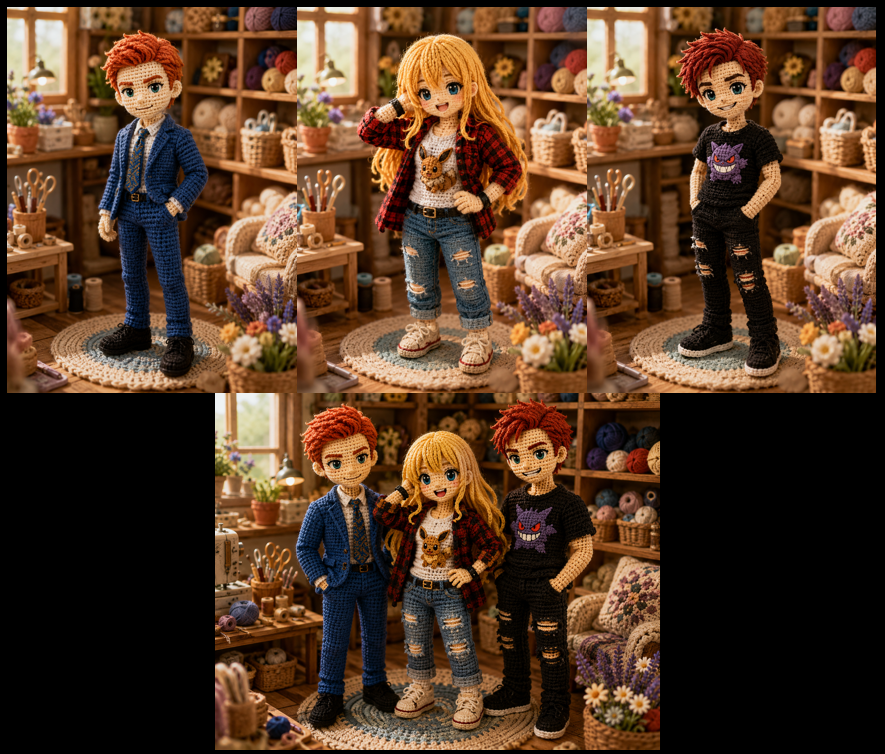
3–8s: He paints the red-haired young man (Rhet) in black t-shirt with the green leaf-like creature logo, leaning pose, and the blonde long-haired girl (Rose) in red plaid shirt over white Eevee t-shirt, blue ripped jeans, smiling and posing, filling the center.
8–12s: He adds the red “Rose” text with rose flower on the right, more purple and red paint drips, and background color bursts (purple left, red right).
12–15s: Final touches, he steps back slightly, coat flowing, and the complete mural matches the first reference image exactly — anime-style characters on the semi-realistic brick wall under daylight street lighting.
Keep characters purely anime (clean lines, vibrant colors, expressive faces, no photorealism). Background wall stays semi-realistic with visible brick texture, paint drips, and urban street details. Dynamic camera with slight tracking and energy. High quality, fluid animation, vibrant graffiti colors.
This was quite a fun little project inspired by @EvaGlitchAI [Check out her posts for the Mural Design]. Prompt in the comments for a simple Grok imagine animation. I then threw it into Canva to run alongside my own music track.
After lots of hanging character generations, this was the best one of mine... even with all the negative prompts I added to the original prompt.. Was still really fun though! I might animate it later ☺️😁
The distance between them is starting to fracture their relationship. While on tour, Rhet's mind wanders back to his past with Kaycee. [Thanks to my TikTok community for workshopping this amv with me]
Song Track- https://t.co/aQ1JnzIaNG
AMV- https://t.co/7OEL1qh3bj
Agree that tag-style prompting is pure garbage. Chaining “8K, cinematic, masterpiece, ultra-detailed” does nothing except prove the person has no idea how these models actually work. It’s the lowest-effort way to get mediocre output, and the platforms are drowning in the resulting slop because of it.
But “just use simple language” is only half the truth. Simple can still be empty. Generic, low-effort natural language is almost as bad as the tag soup. What actually produces strong results is depth of language: precise, deliberate, artistic description that shows you understand what the model already contains and how to reach it. You’re not throwing keywords at a black box; you’re navigating a vast trained space. The better you understand the concepts, styles, compositional relationships, lighting language, and aesthetic priors already present in the data, the more intentional and high-signal your prompt becomes.
That’s the real split. Predators and volume farmers use cheap, shitty prompts (whether tag lists or bland one-liners) specifically to flood everything with disposable content. People who care about art, animation, or music use deeply detailed, carefully written natural language because they want the model to actually deliver something worth keeping. The difference in output quality is not subtle.
You can wash GPT Image noise afterward all you want. That’s useful post-processing. It doesn’t change the fact that starting with a shallow or tag-contaminated prompt still leaves you fighting the model rather than directing it. Better to give it clear, rich language from the first generation.


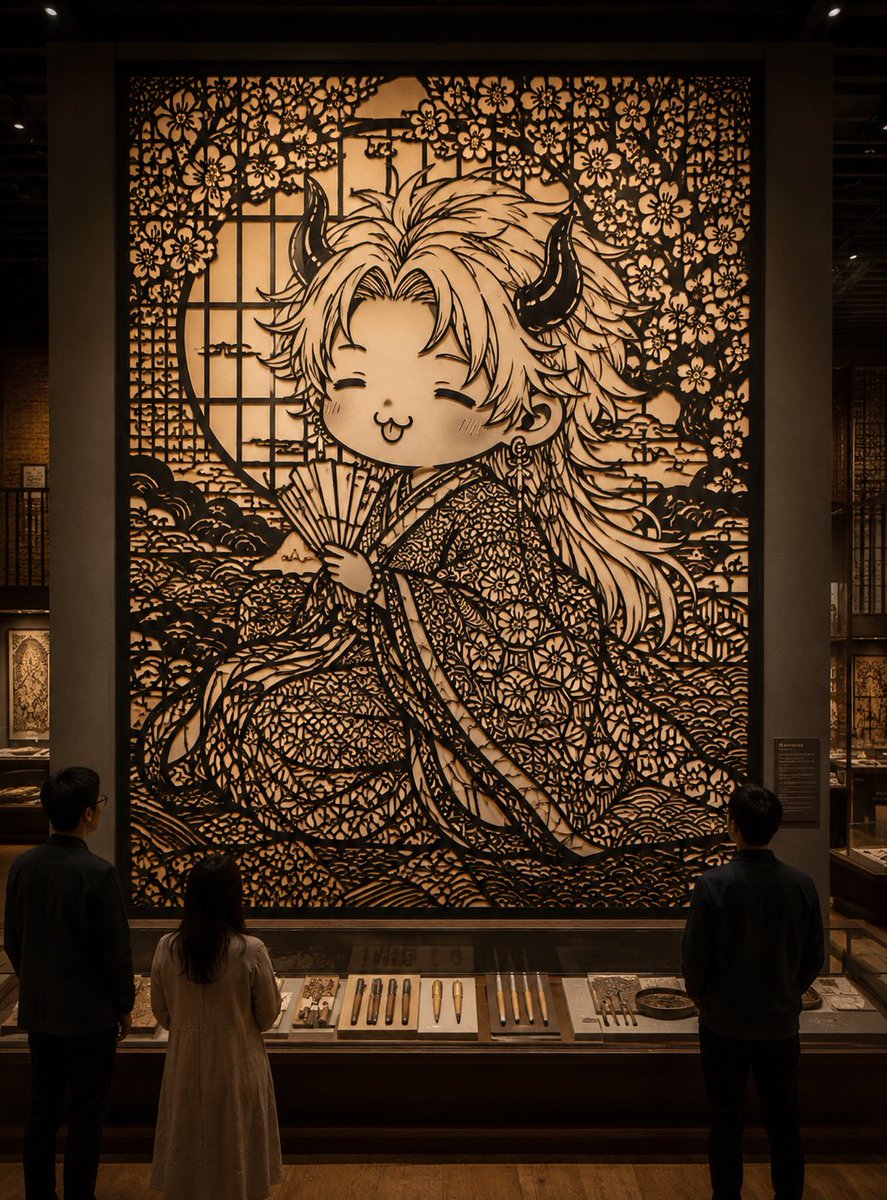
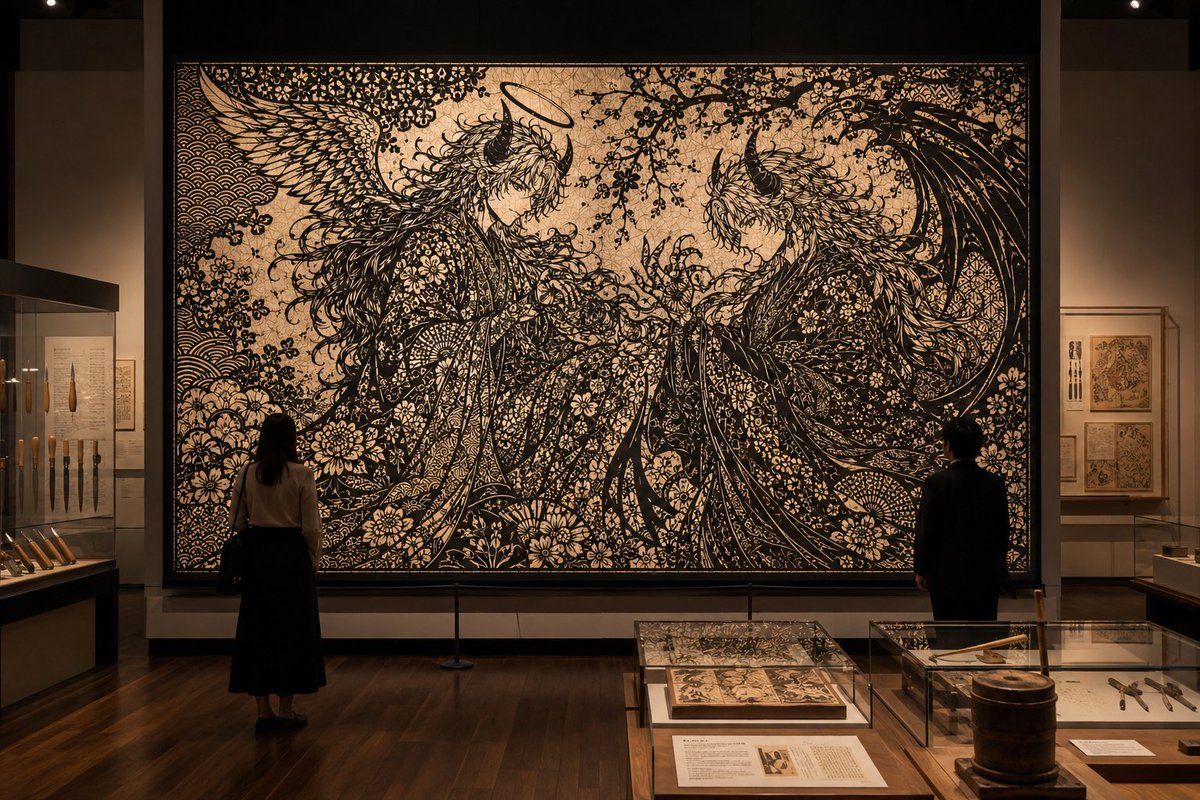






![CTRizzen's tweet photo. The distance between them is starting to fracture their relationship. While on tour, Rhet's mind wanders back to his past with Kaycee. [Thanks to my TikTok community for workshopping this amv with me]
Song Track- https://t.co/aQ1JnzIaNG
AMV- https://t.co/7OEL1qh3bj https://t.co/4bKktSJXyc](https://pbs.twimg.com/media/HO14SzJaQAABSXB.jpg)