It's #WomenInScienceDay! 👩🔬👷🏾♀️👩🏻⚕️👩🏿🔬👩🏿🏫
NSF celebrates the strides women are making in STEM and supports the next generation of female scientists, engineers, technicians, educators and entrepreneurs as they pursue their STEM dreams.
Your dreams are NSF's dreams, too.
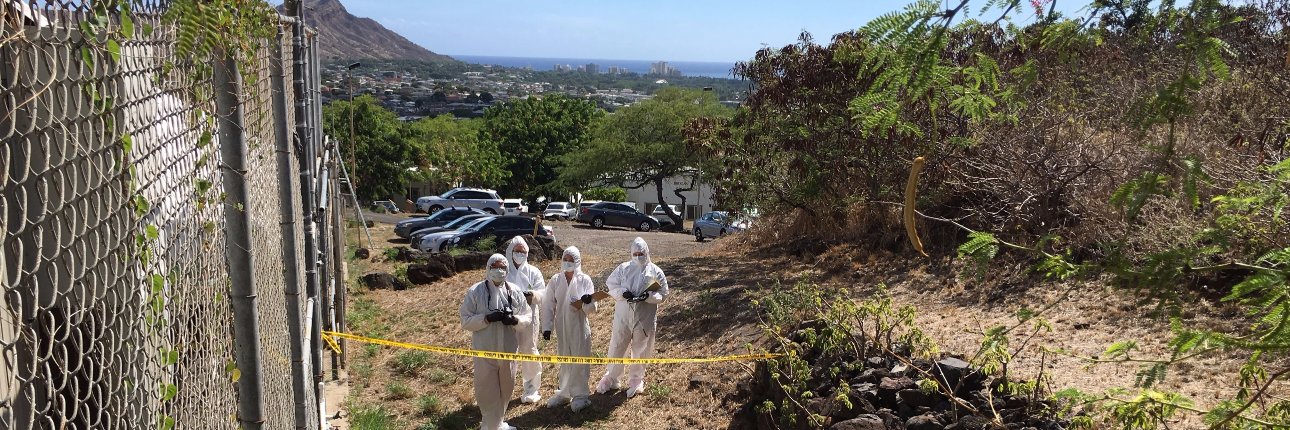
🕵️Our Thursday night CSI students have been hard at work practicing different search methods.🕵️♂️ What’s your favorite way to search a scene?📋🖊️ @ Chaminade University of Honolulu Alumni https://t.co/4o9f79CC1g
Our Physical Evidence Laboratory students are learning to perform fingerprint lifting off of various surfaces! @ Chaminade University of Honolulu Alumni https://t.co/fV1Z31bRJn
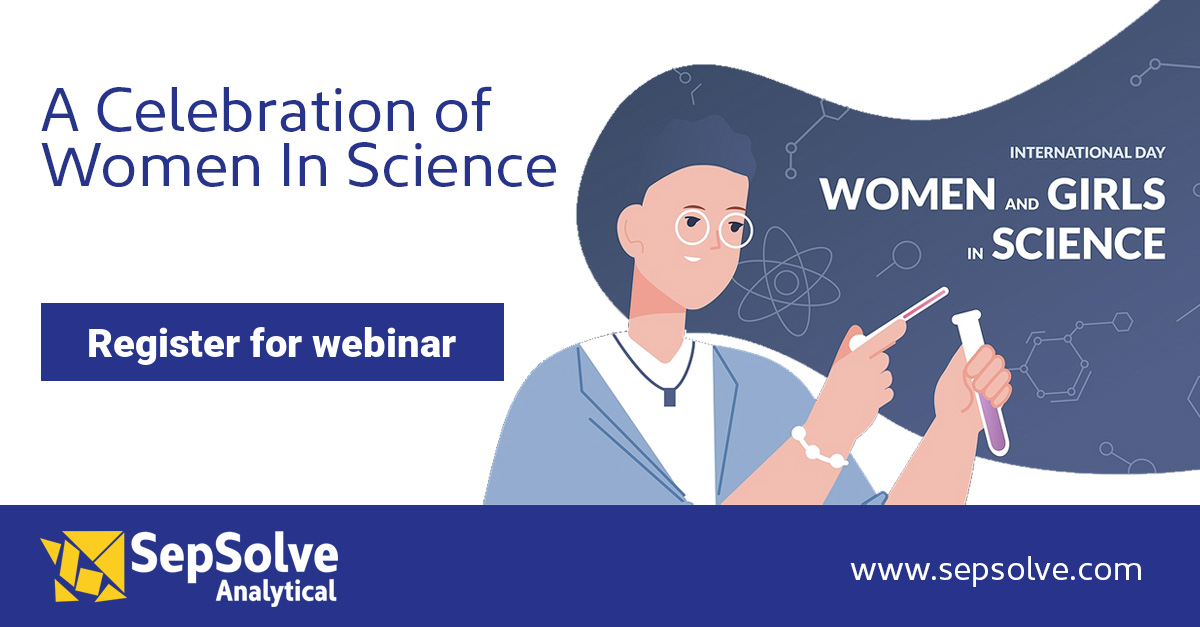
👩🔬 Join us on 10 Feb, when we’ll be hosting an eSeminar to mark International Day of #womeninscience
Our 3 presenters are female leaders in the field of gas chrom – each with unique expertise & discoveries to share from very different sectors ➡️ https://t.co/olmUqdR8MB
We are recruiting for a tenure-track Assistant Professor of Forensic Sciences! If you are interested, head to the link below to submit your application. #forensicscience#forensicjobs#careers#highered#forensics
https://t.co/uJgUwuOYg7
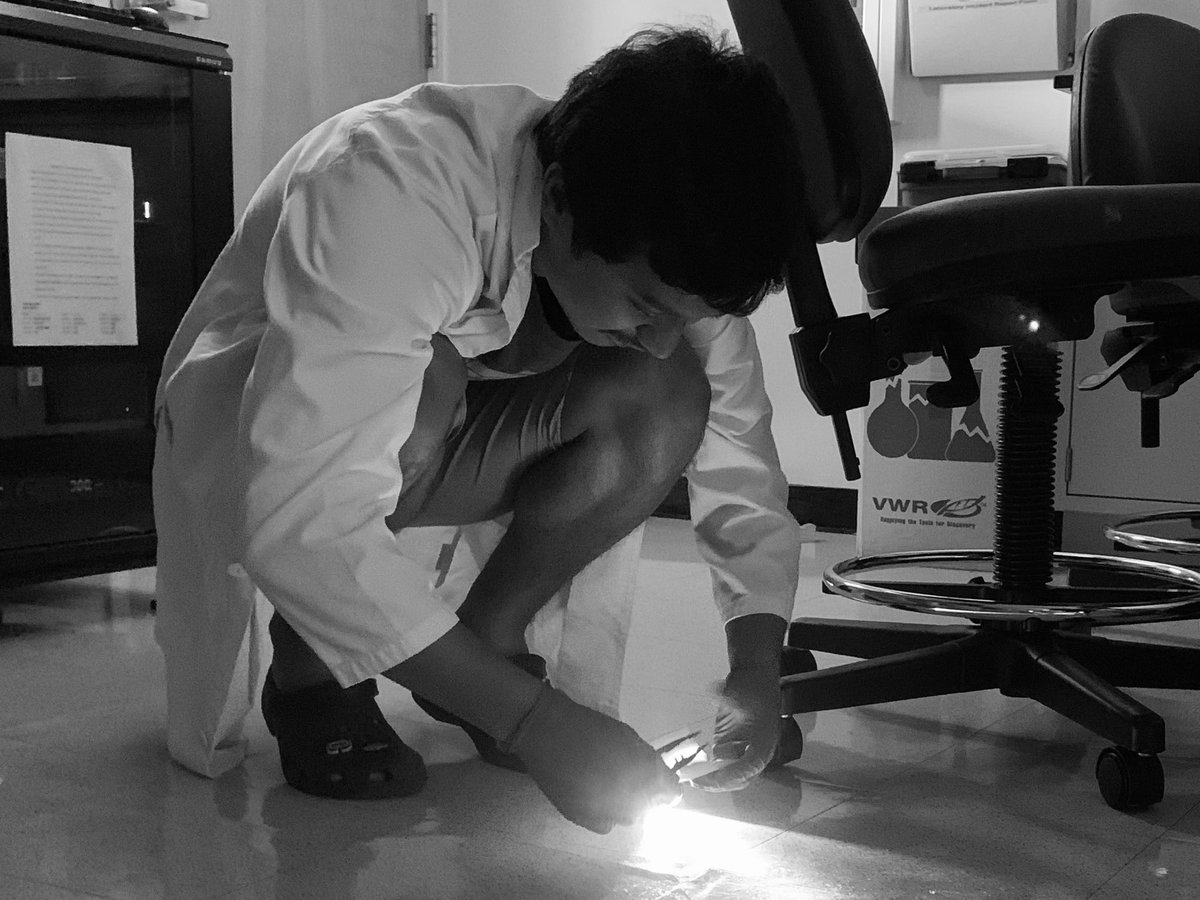
Kaimi using oblique lighting to find hair and fiber evidence. Using forceps and a clean post-it, you can safely collect the evidence for closer analysis at the crime lab.
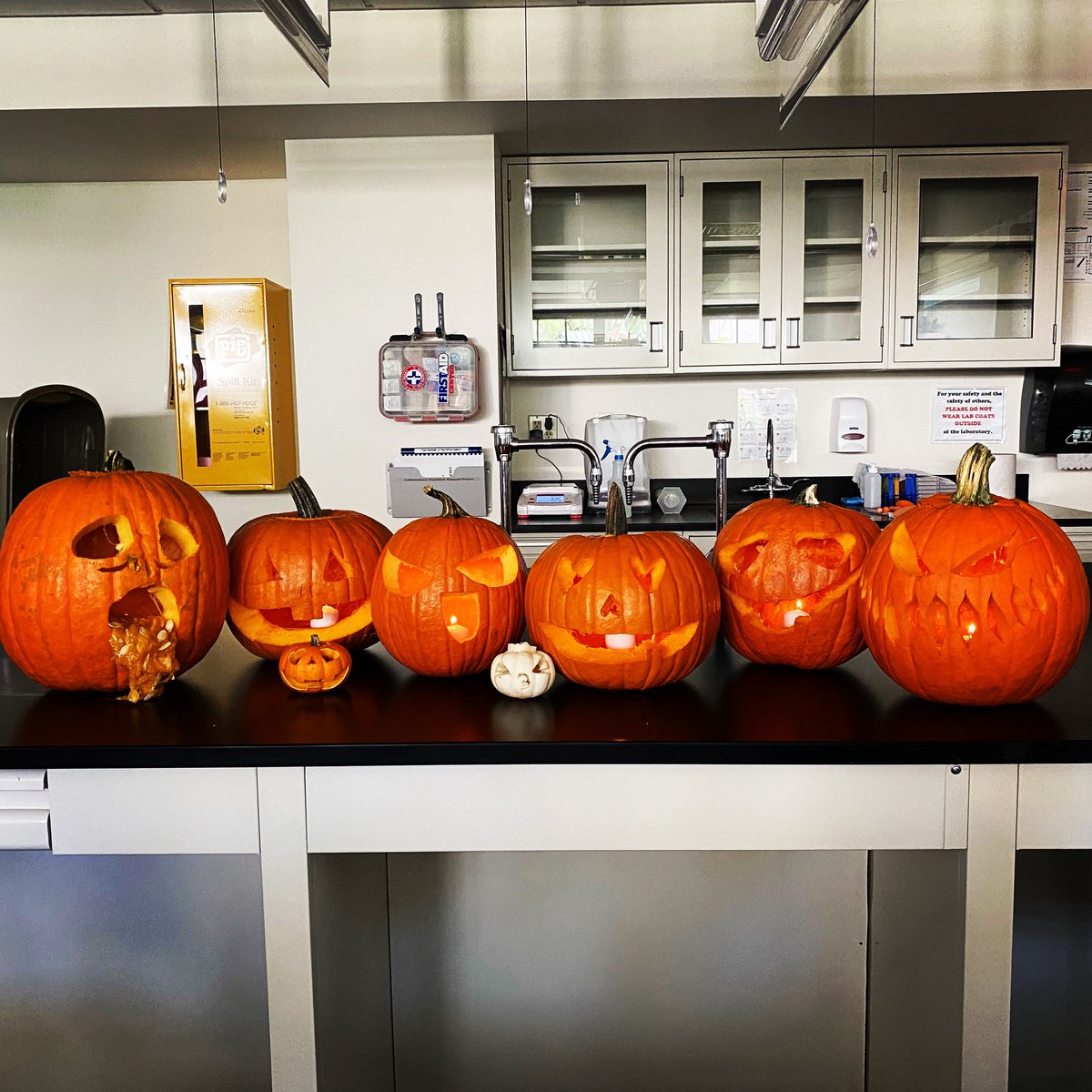
Week 11 Lab: Detailed precision extraction of endogenous components from Cucurbita pepo followed by intricate dissection of protective shell layer.
•••••
Happy Halloween from all of us here in Forensic Sciences!
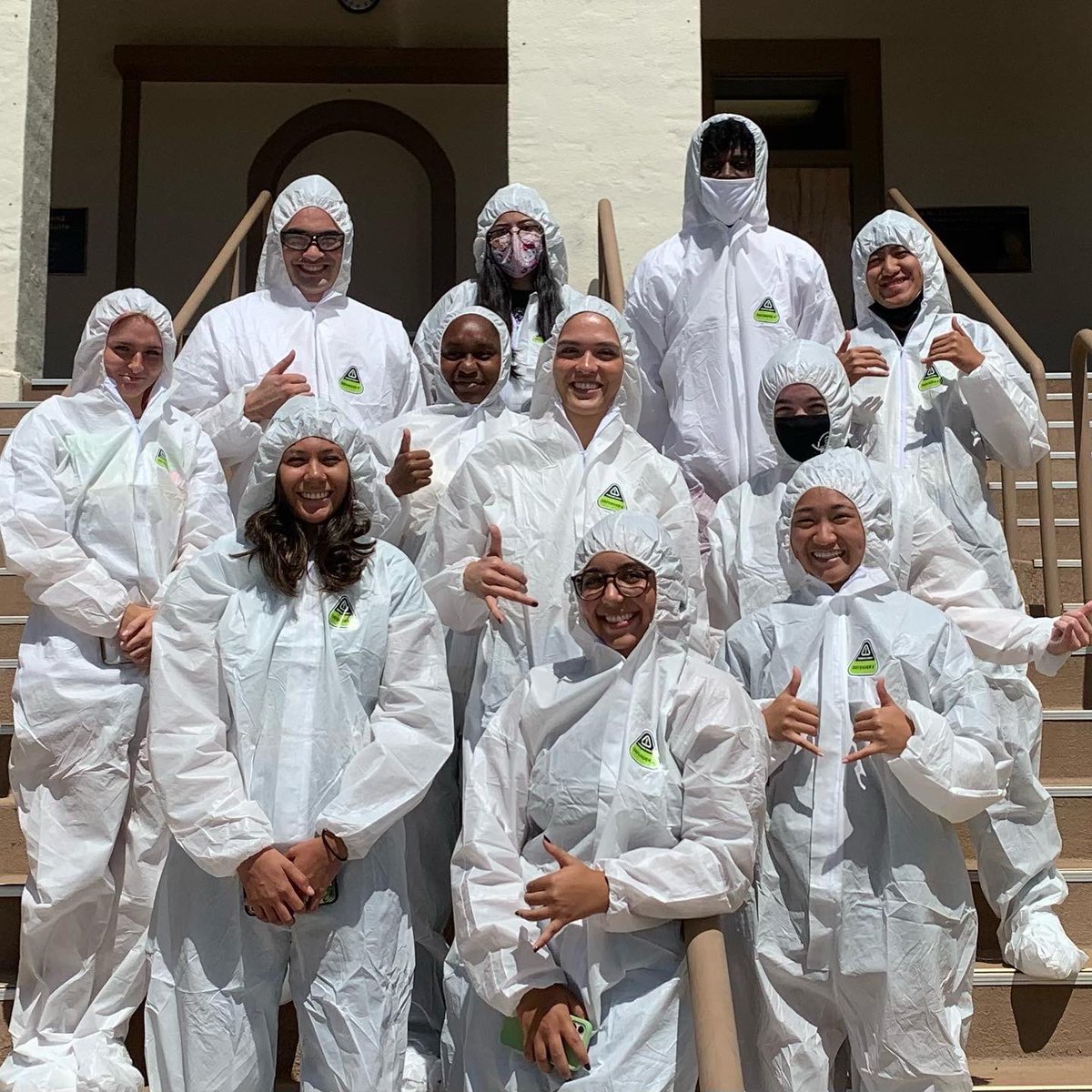
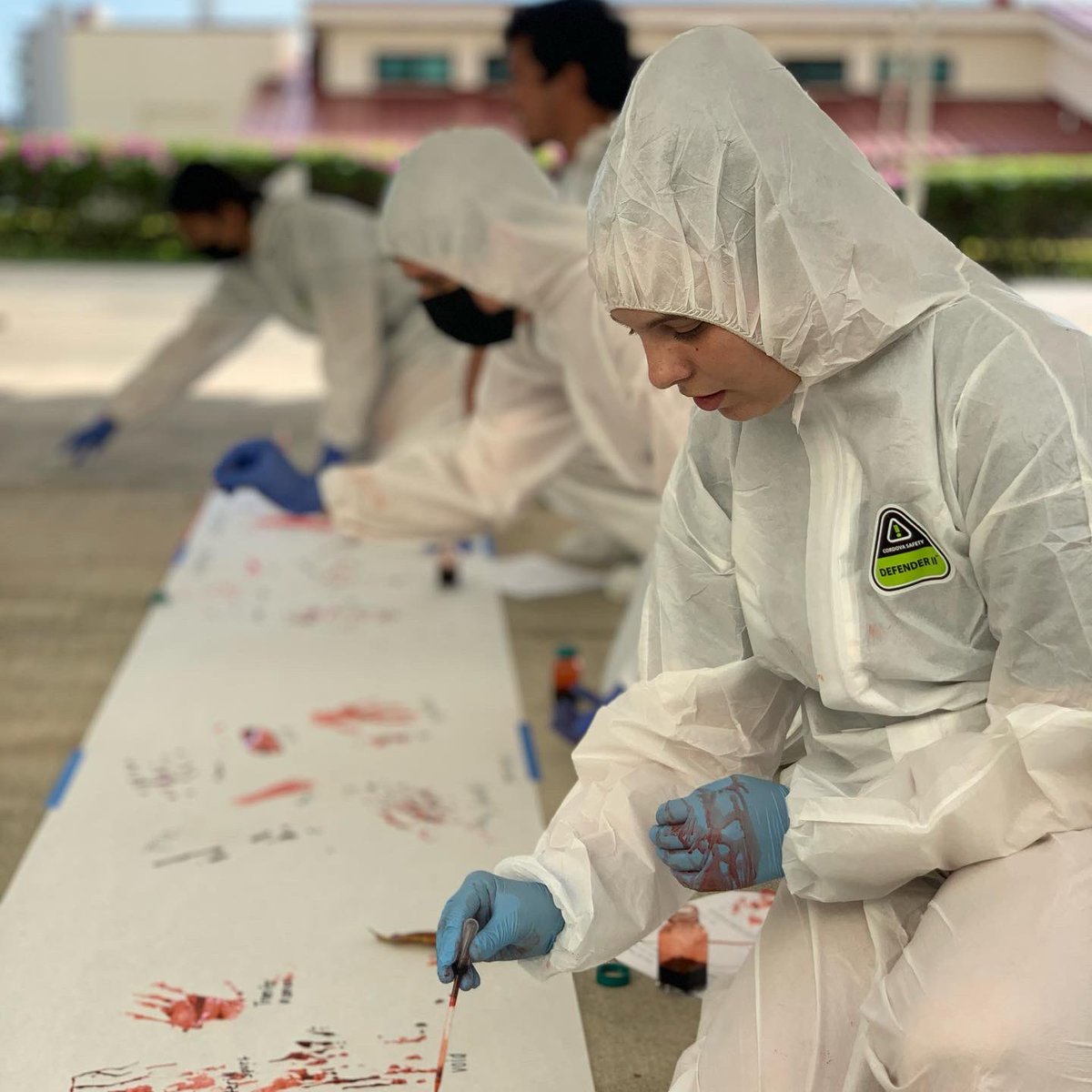
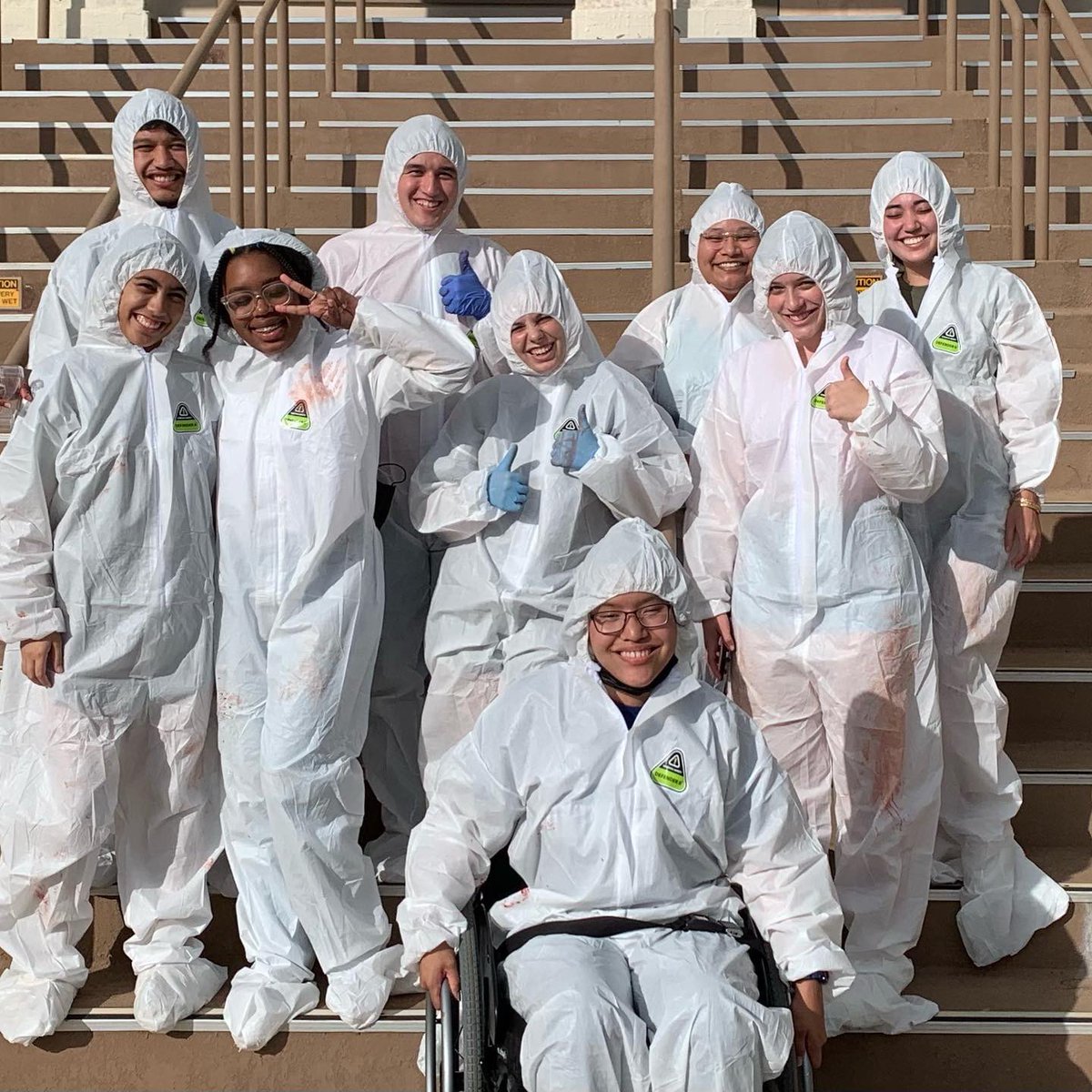
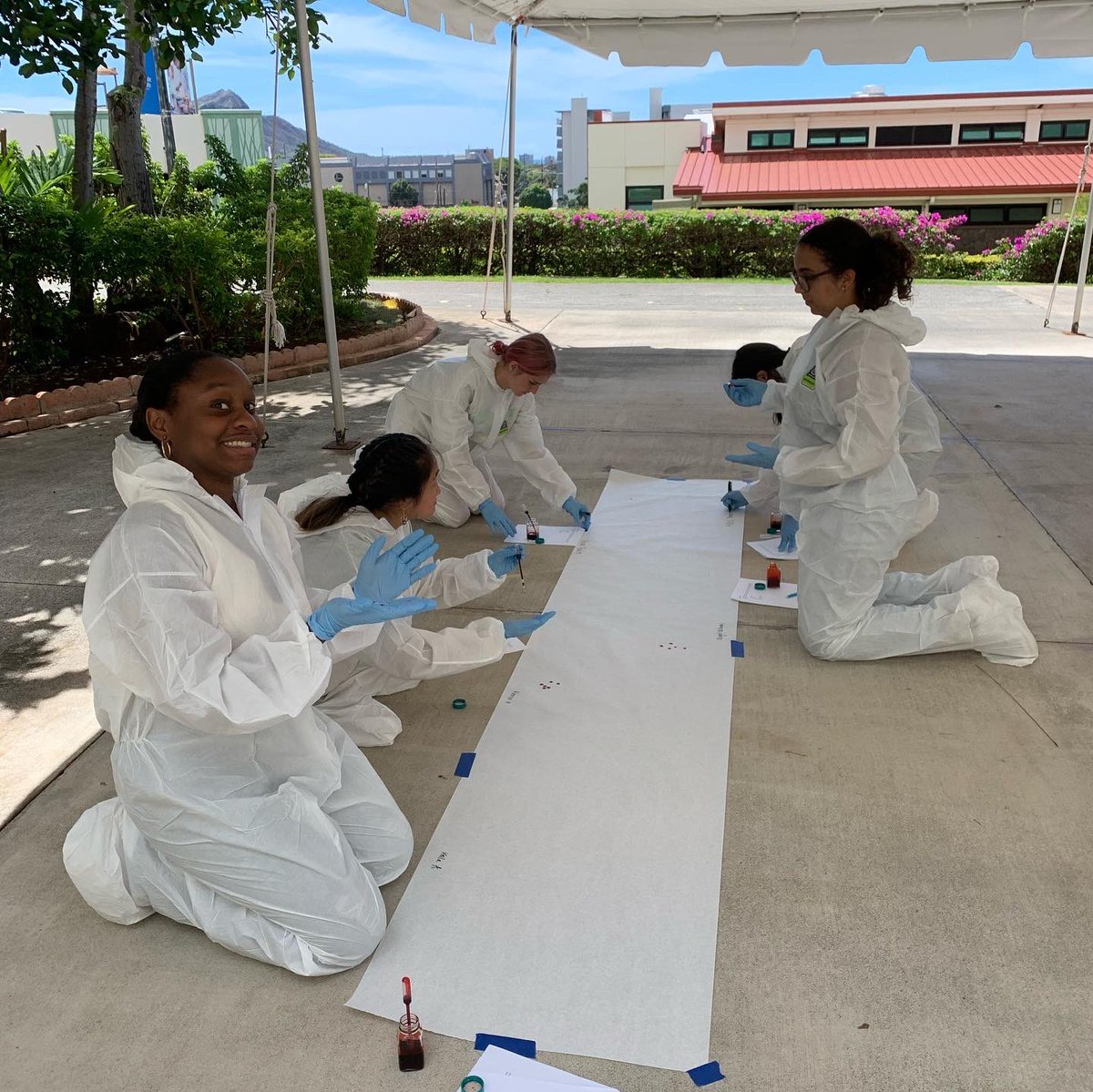
Our Physical Forensic Sciences Students spent the day learning to don their Tyvek suits and discover the important bloodstain patterns that will occur from blood spatter. We wonder who will be the next Bloodstain Pattern Analyst!!
Catching up with 2018 Power Lister, Katelynn Perrault, discussing pandemic networking, her work profiling the Pacific Island beverage known as kava, and the evolution of separation science! 🏝️🍃
https://t.co/IFrCEmQtym
(4/4)
This may be our last forensic science flipbook for a while, so show it some ❤love❤! Leave a like 👍 if you've enjoyed our forensic science flipbook series, and let us know in the comments which one was your favorite!
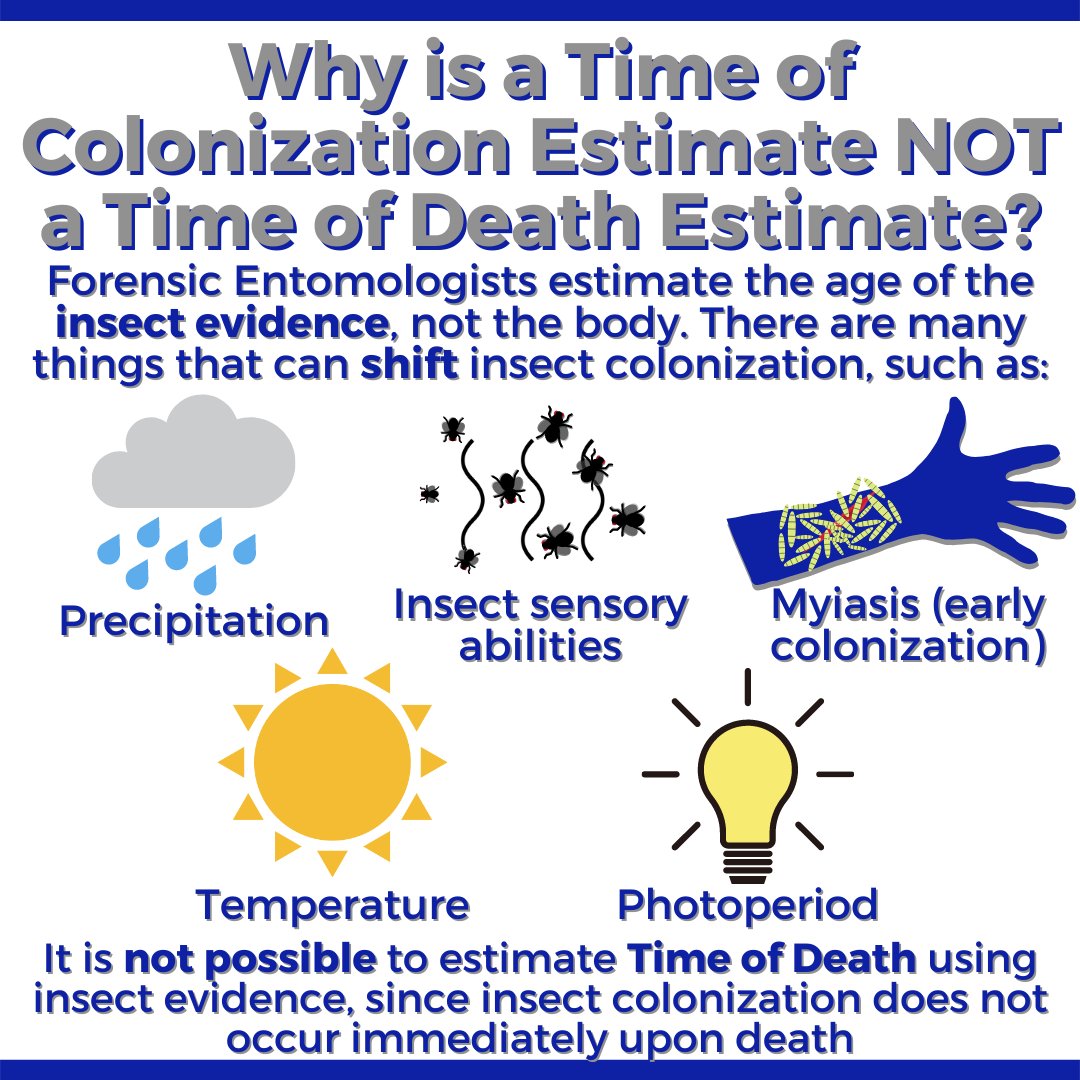
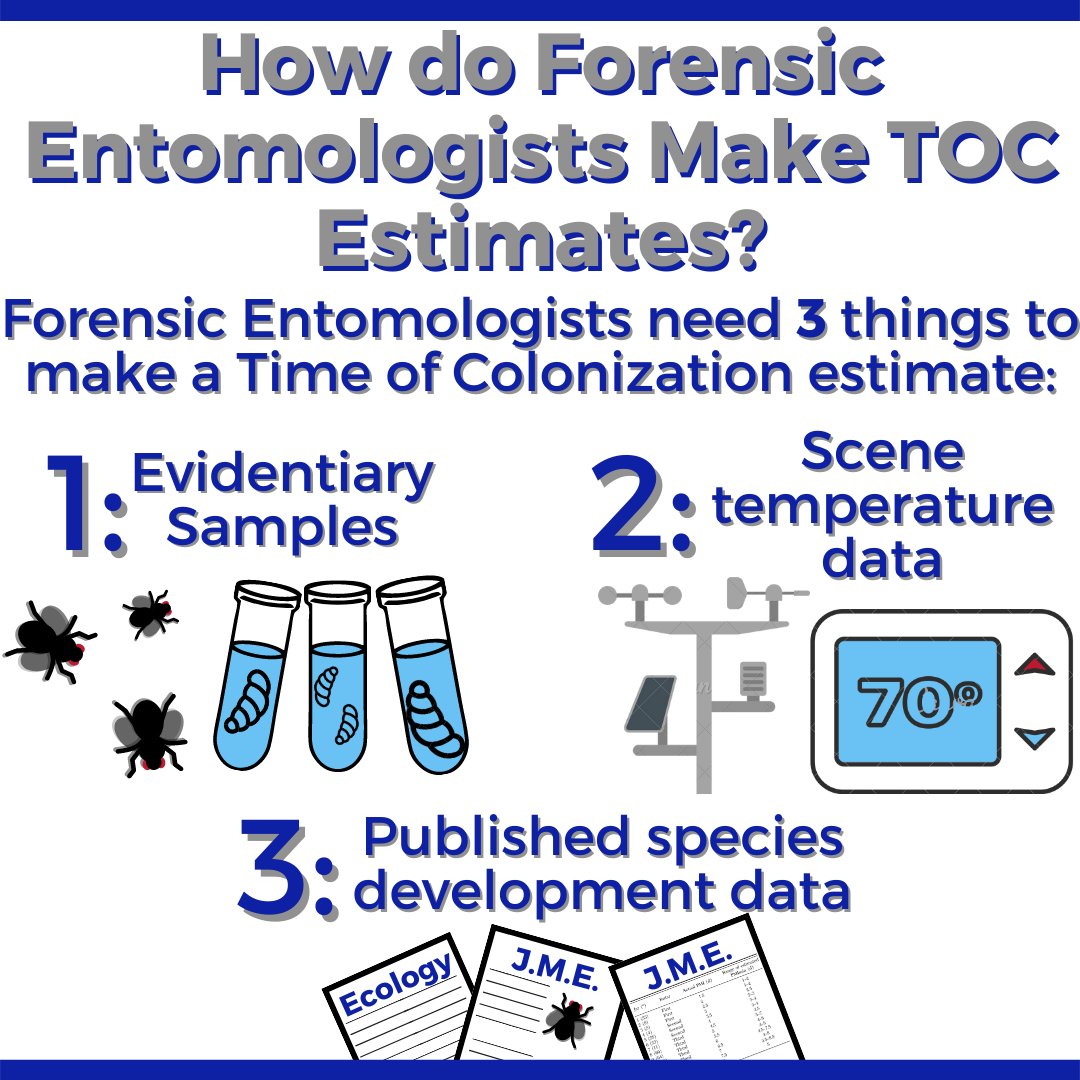
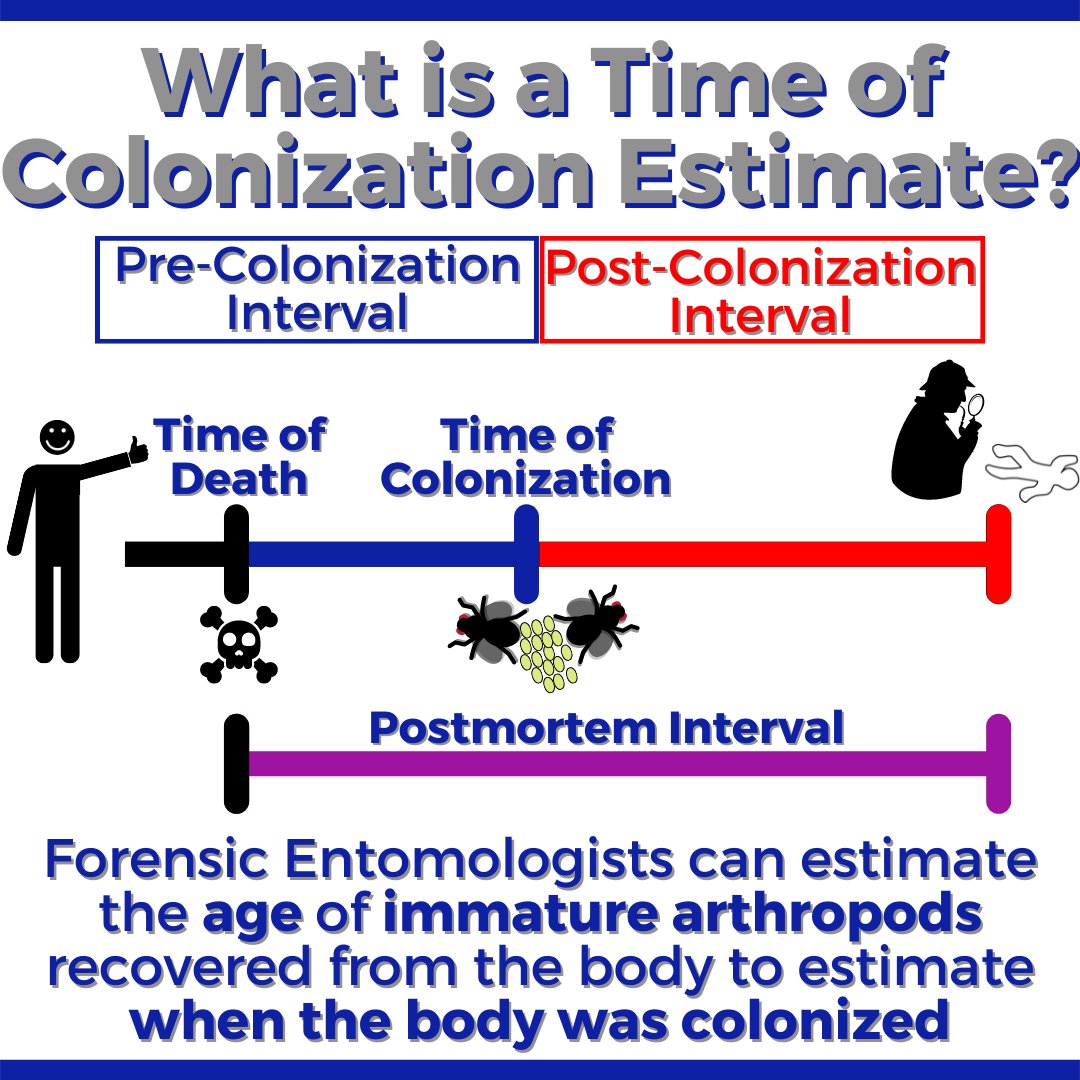
(1/4)🦗 BUGS! 🕷 BUGS! 🐜 BUGS! 🦟
They can be especially bothersome, especially in the summer months (looking at you, mosquitoes 😠). But did you know that insects (and other arthropods) can provide crucial information in legal investigations? Flip through to learn more!