Early involvement can improve outcomes. 🤝
When PCPs, cardiologists and nephrologists collaborate on HF patient care to track renal function, outcomes can improve.
The heart and kidneys are a team. So are clinicians.
How does early nephrology involvement change your practice?
Soon, we’ll be relaunching this page to bring together #ChronicKidneyDisease, #HeartFailure and #Cardiovascular education - helping you to connect comorbidities, risk factors, and prevention.
Don’t miss out on the latest in cardio-kidney care.
A unified approach to cardio–kidney care 🩺Later this month, this page will be refreshed to bring together #ChronicKidneyDisease, #HeartFailure and #Cardiovascular education - supporting healthcare professionals with joined-up insights.
Stay connected for updates.
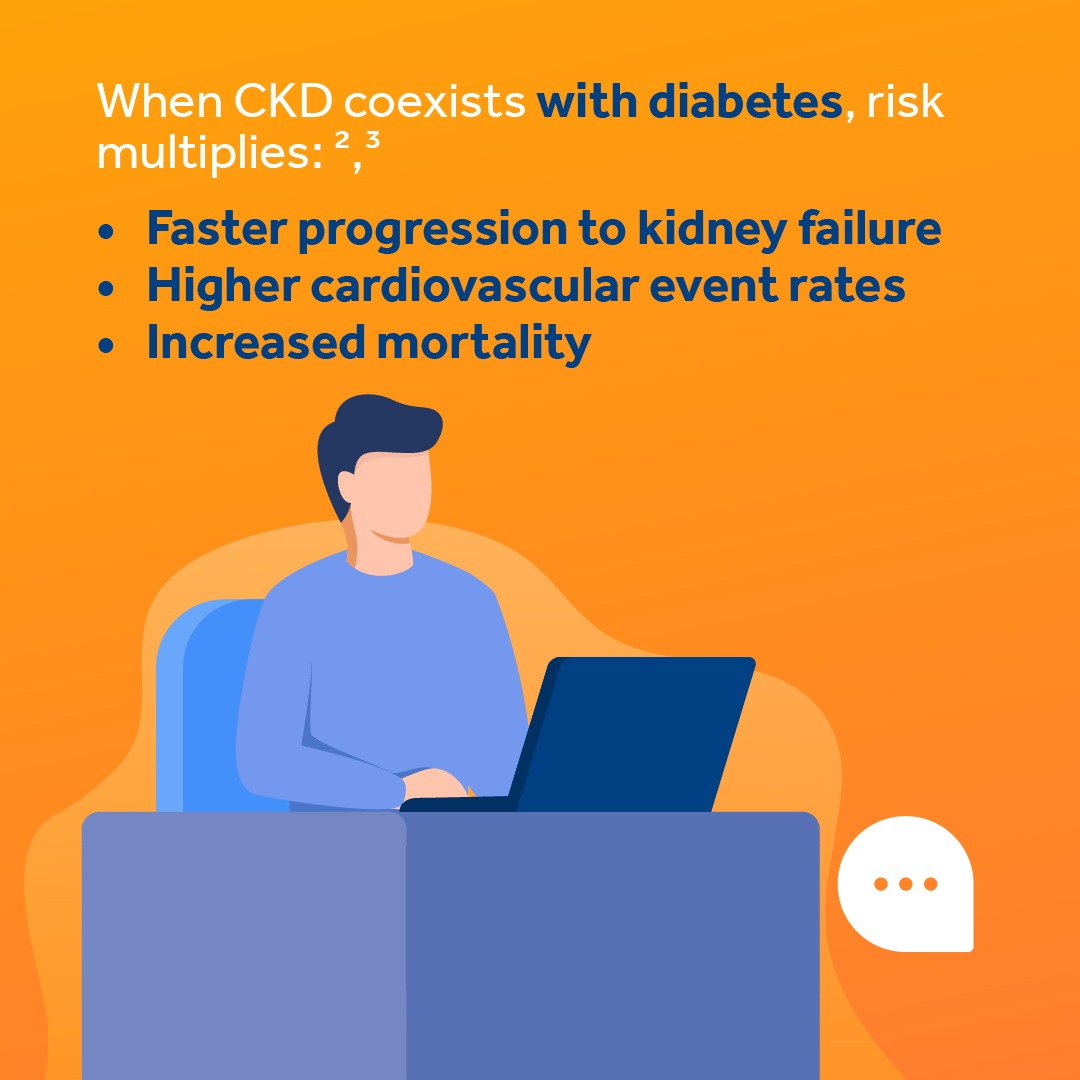
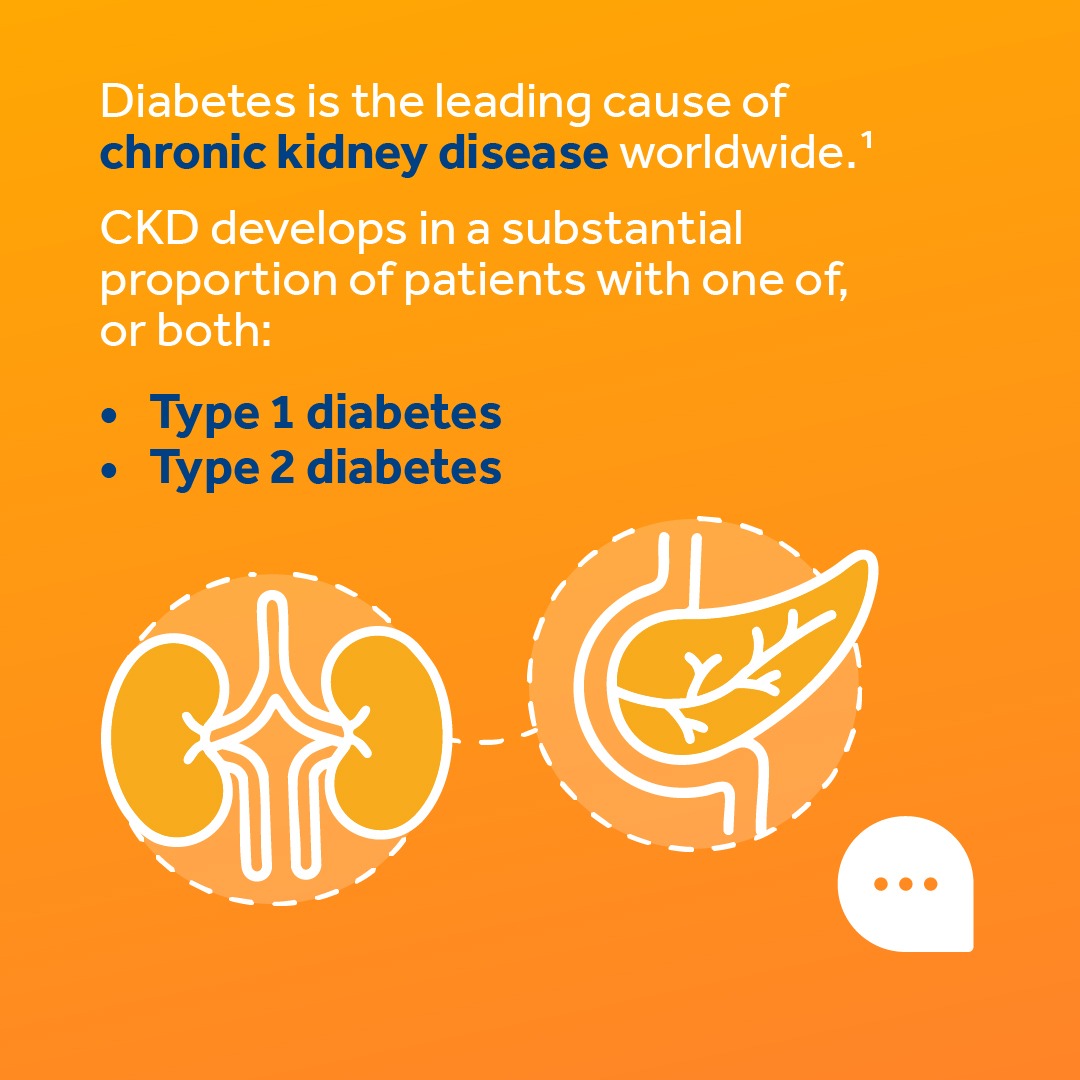
Approximately 30% of patients with type 1 diabetes and 40% with type 2 diabetes may develop chronic kidney disease.
As we work toward #KidneyHealthforAll, how can we ensure kidney health remains a core component of diabetes management for patients across the disease spectrumApproximately 30% of patients with type 1 diabetes and 40% with type 2 diabetes may develop chronic kidney disease.
As we work toward #KidneyHealthforAll, how can we ensure kidney health remains a core component of diabetes management for patients across the disease spectrumApproximately 30% of patients with type 1 diabetes and 40% with type 2 diabetes may develop chronic kidney disease.
As we work toward #KidneyHealthforAll, how can we ensure kidney health remains a core component of diabetes management for patients across the disease spectrumApproximately 30% of patients with type 1 diabetes and 40% with type 2 diabetes may develop chronic kidney disease.
As we work toward #KidneyHealthforAll, how can we ensure kidney health remains a core component of diabetes management for patients across the disease spectrum?
Many patients living with, or at risk of, chronic kidney disease (CKD) do not have diabetes.
Non-diabetic CKD remains under-recognized, with gaps in testing despite the risk of kidney and cardiovascular complications.
Let's prioritize CKD screening in non-diabetic patientsMany patients living with, or at risk of, chronic kidney disease (CKD) do not have diabetes.
Non-diabetic CKD remains under-recognized, with gaps in testing despite the risk of kidney and cardiovascular complications.
Let's prioritize CKD screening in non-diabetic patientsMany patients living with, or at risk of, chronic kidney disease (CKD) do not have diabetes.
Non-diabetic CKD remains under-recognized, with gaps in testing despite the risk of kidney and cardiovascular complications.
Let's prioritize CKD screening in non-diabetic patientsMany patients living with, or at risk of, chronic kidney disease (CKD) do not have diabetes.
Non-diabetic CKD remains under-recognized, with gaps in testing despite the risk of kidney and cardiovascular complications.
Let's prioritize CKD screening in non-diabetic patientsMany patients living with, or at risk of, chronic kidney disease (CKD) do not have diabetes.
Non-diabetic CKD remains under-recognized, with gaps in testing despite the risk of kidney and cardiovascular complications.
Let's prioritize CKD screening in non-diabetic patients.
It's World Kidney Day 🌍 – raising awareness of kidney health.
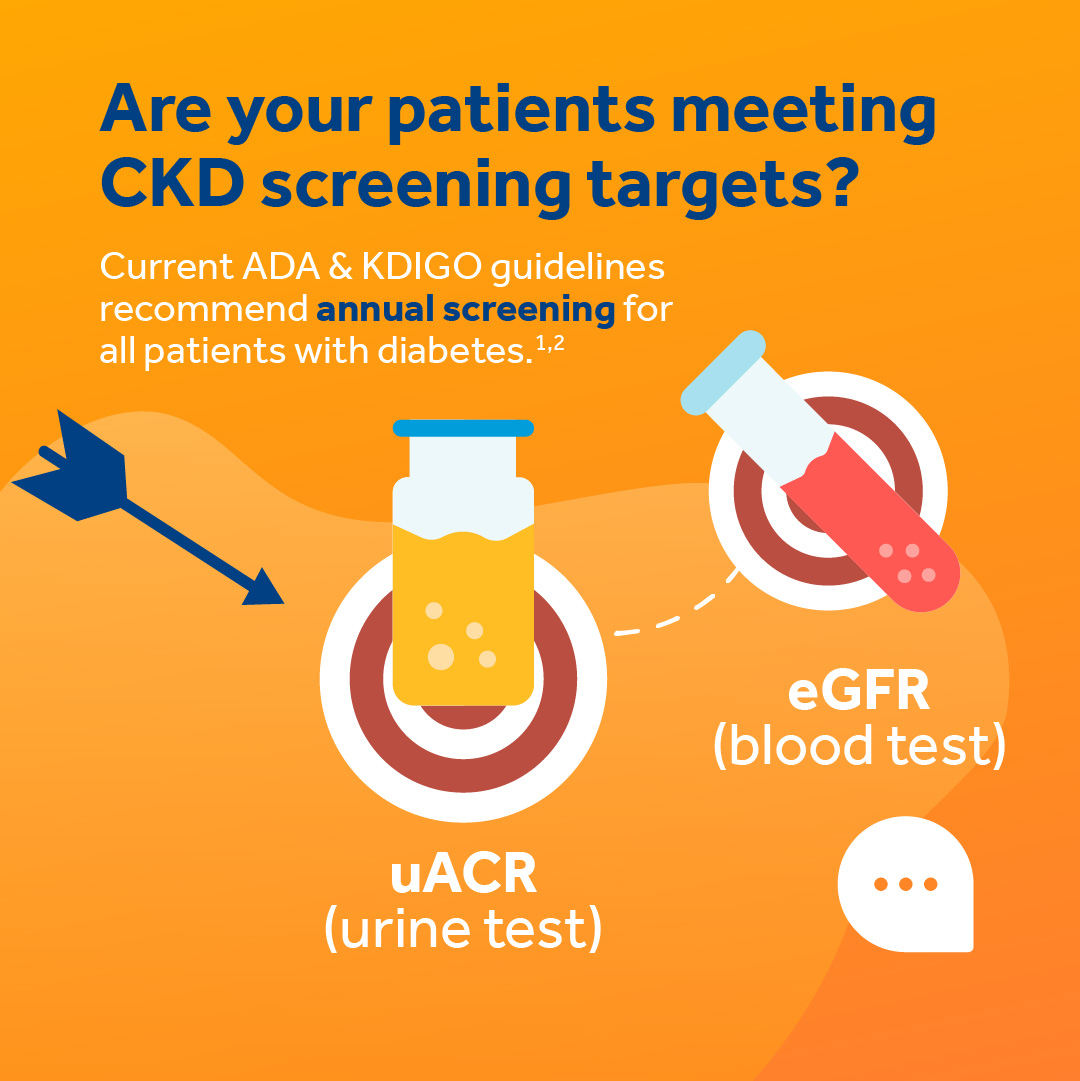
CKD can develop silently, with several underlying causes – diabetes being a leading one. Early CKD detection via eGFR and UACR testing can help enable timely intervention.
Let’s help detect CKD before it progresses.
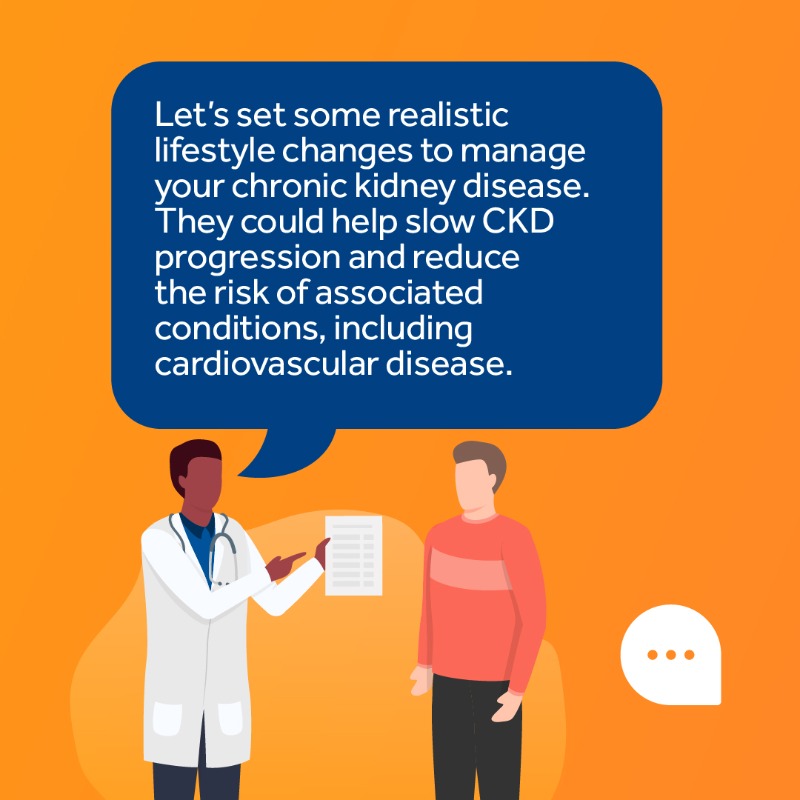
When patients with chronic kidney disease (CKD) understand their cardiovascular risk and the benefits of lifestyle changes to help manage that risk, their engagement in management strategies can improve.
What lifestyle changes do you typically recommend for patients with CKDWhen patients with chronic kidney disease (CKD) understand their cardiovascular risk and the benefits of lifestyle changes to help manage that risk, their engagement in management strategies can improve.
What lifestyle changes do you typically recommend for patients with CKD?
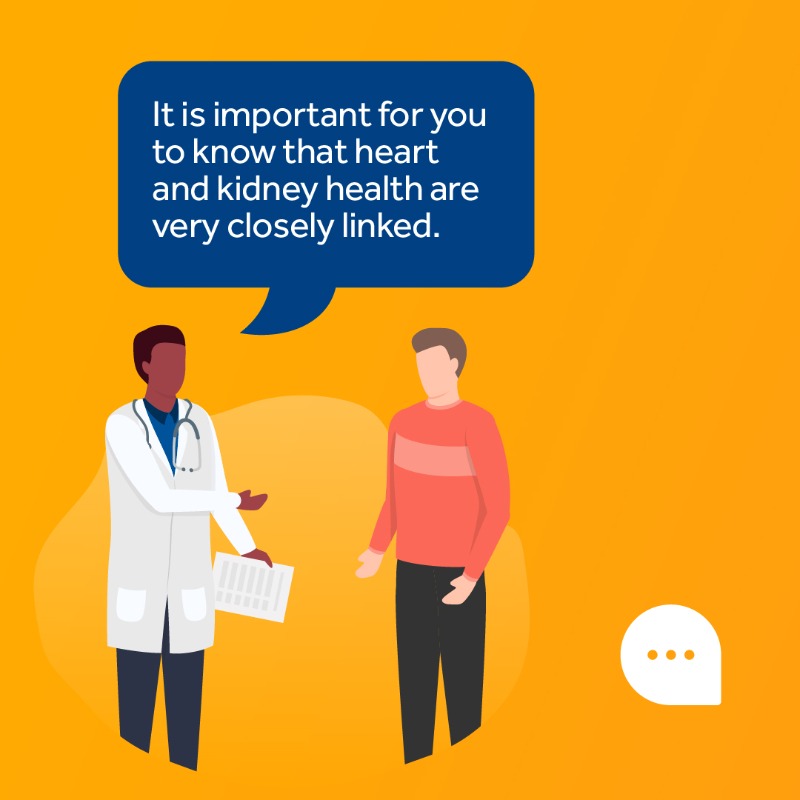
How do you educate patients about the cardio-renal link?
We know chronic kidney disease (CKD) is linked to increased cardiovascular risk.
Let’s prioritize communicating this risk and empowering patients to manage CKD to slow progression and reduce cardiovascular disease riskHow do you educate patients about the cardio-renal link?
We know chronic kidney disease (CKD) is linked to increased cardiovascular risk.
Let’s prioritize communicating this risk and empowering patients to manage CKD to slow progression and reduce cardiovascular disease riskHow do you educate patients about the cardio-renal link?
We know chronic kidney disease (CKD) is linked to increased cardiovascular risk.
Let’s prioritize communicating this risk and empowering patients to manage CKD to slow progression and reduce cardiovascular disease riskHow do you educate patients about the cardio-renal link?
We know chronic kidney disease (CKD) is linked to increased cardiovascular risk.
Let’s prioritize communicating this risk and empowering patients to manage CKD to slow progression and reduce cardiovascular disease riskHow do you educate patients about the cardio-renal link?
We know chronic kidney disease (CKD) is linked to increased cardiovascular risk.
Let’s prioritize communicating this risk and empowering patients to manage CKD to slow progression and reduce cardiovascular disease risk.
Only about 10% of patients with chronic kidney disease (CKD) are aware of their condition.
With symptoms often subtle and non-specific, early detection can be challenging.
That’s why regular eGFR and UACR testing is key to help detect CKD early and enable timely interventionOnly about 10% of patients with chronic kidney disease (CKD) are aware of their condition.
With symptoms often subtle and non-specific, early detection can be challenging.
That’s why regular eGFR and UACR testing is key to help detect CKD early and enable timely interventionOnly about 10% of patients with chronic kidney disease (CKD) are aware of their condition.
With symptoms often subtle and non-specific, early detection can be challenging.
That’s why regular eGFR and UACR testing is key to help detect CKD early and enable timely interventionOnly about 10% of patients with chronic kidney disease (CKD) are aware of their condition.
With symptoms often subtle and non-specific, early detection can be challenging.
That’s why regular eGFR and UACR testing is key to help detect CKD early and enable timely intervention.
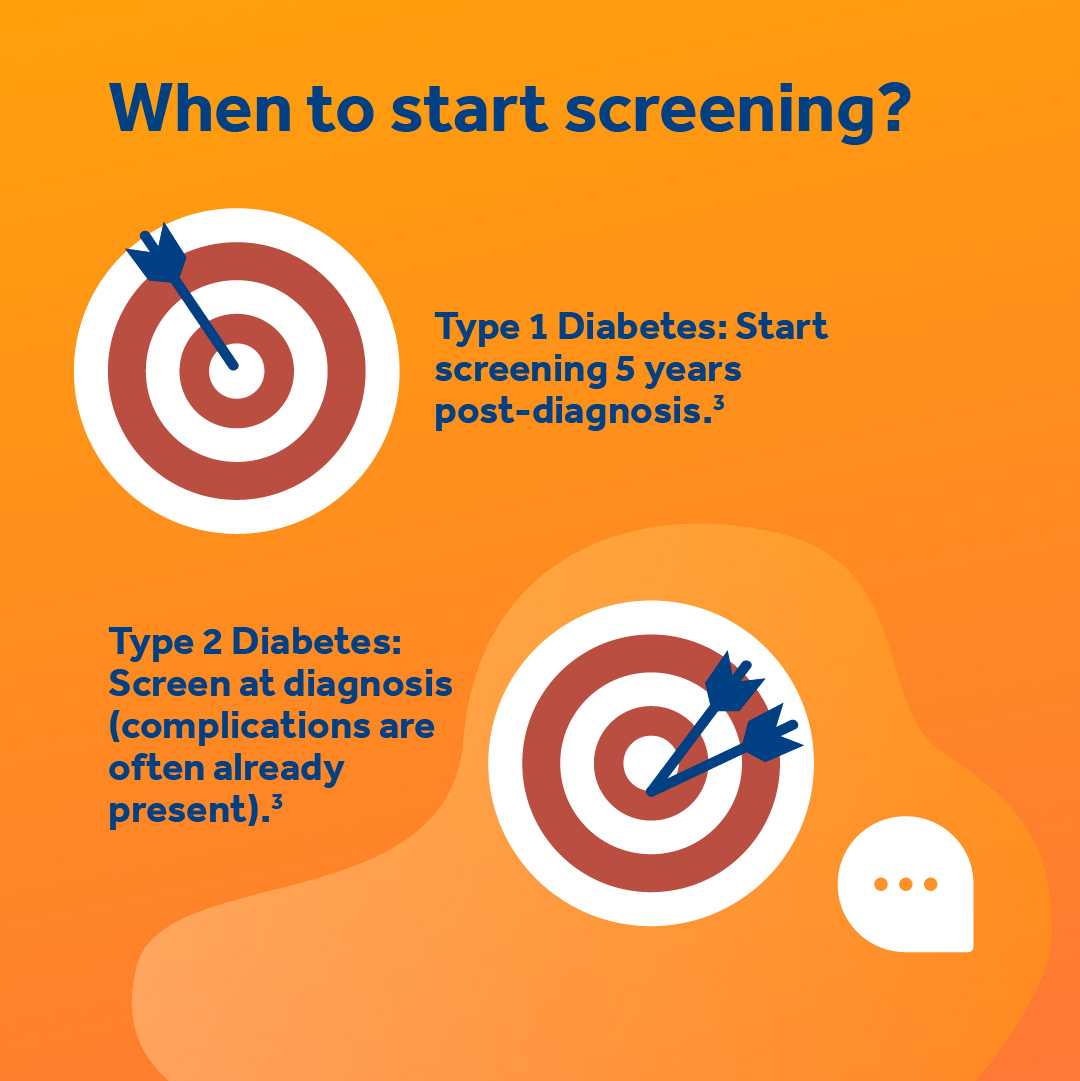
Less than 40% of people with diabetes receive guideline-recommended chronic kidney disease (CKD) screening.
We know early CKD detection can lead to timely treatment, helping slow progression and reduce cardiovascular disease (CVD) risk.
Let’s prioritize routine CKD monitoringLess than 40% of people with diabetes receive guideline-recommended chronic kidney disease (CKD) screening.
We know early CKD detection can lead to timely treatment, helping slow progression and reduce cardiovascular disease (CVD) risk.
Let’s prioritize routine CKD monitoringLess than 40% of people with diabetes receive guideline-recommended chronic kidney disease (CKD) screening.
We know early CKD detection can lead to timely treatment, helping slow progression and reduce cardiovascular disease (CVD) risk.
Let’s prioritize routine CKD monitoringLess than 40% of people with diabetes receive guideline-recommended chronic kidney disease (CKD) screening.
We know early CKD detection can lead to timely treatment, helping slow progression and reduce cardiovascular disease (CVD) risk.
Let’s prioritize routine CKD monitoring.
Caregivers of people with CKD often face challenges such as fatigue, sleep problems and emotional stress – on top of work and daily responsibilities. 👥
It’s important to recognize caregiver strain and connect them to education, respite and emotional support they may need.
@sunny2023ie Hi Irish, we’re very sorry to hear this. Unfortunately, we’re unable to provide medical advice, so please do consult with your medical provider. Wishing you all the best.
CKD is often ‘silent’, with subtle symptoms like nausea, fatigue, loss of appetite and sleep issues.🔎 Because these signs are common and non-specific, diagnosis based on symptoms alone is challenging.
Use eGFR + uACR for early CKD detection and timely careCKD is often ‘silent’, with subtle symptoms like nausea, fatigue, loss of appetite and sleep issues.🔎 Because these signs are common and non-specific, diagnosis based on symptoms alone is challenging.
Use eGFR + uACR for early CKD detection and timely careCKD is often ‘silent’, with subtle symptoms like nausea, fatigue, loss of appetite and sleep issues.🔎 Because these signs are common and non-specific, diagnosis based on symptoms alone is challenging.
Use eGFR + uACR for early CKD detection and timely careCKD is often ‘silent’, with subtle symptoms like nausea, fatigue, loss of appetite and sleep issues.🔎 Because these signs are common and non-specific, diagnosis based on symptoms alone is challenging.
Use eGFR + uACR for early CKD detection and timely careCKD is often ‘silent’, with subtle symptoms like nausea, fatigue, loss of appetite and sleep issues.🔎 Because these signs are common and non-specific, diagnosis based on symptoms alone is challenging.
Use eGFR + uACR for early CKD detection and timely care.
CKD can affect aspects of daily life – including work, relationships, and mood.
Psychosocial care should be routine to ensure CKD patients to the psychosocial care and peer support they may need.
This could help improve quality of life and help patients stay engaged in careCKD can affect aspects of daily life – including work, relationships, and mood.
Psychosocial care should be routine to ensure CKD patients to the psychosocial care and peer support they may need.
This could help improve quality of life and help patients stay engaged in careCKD can affect aspects of daily life – including work, relationships, and mood.
Psychosocial care should be routine to ensure CKD patients to the psychosocial care and peer support they may need.
This could help improve quality of life and help patients stay engaged in careCKD can affect aspects of daily life – including work, relationships, and mood.
Psychosocial care should be routine to ensure CKD patients to the psychosocial care and peer support they may need.
This could help improve quality of life and help patients stay engaged in careCKD can affect aspects of daily life – including work, relationships, and mood.
Psychosocial care should be routine to ensure CKD patients to the psychosocial care and peer support they may need.
This could help improve quality of life and help patients stay engaged in care.
CKD affects nearly 850 million people globally yet less than 10% know they have it.🔬
Routine screening to detect and manage CKD early could prevent 15 million deaths by 2040.
Let’s prioritize early detection and proactive management to change outcomes.
🔎 Regular eGFR & uACR testing is key for early CKD detection. This enables timely intervention that may help slow progression.
Yet less than 40% of adults with diabetes get the recommended yearly kidney tests.
Let’s make routine monitoring a priority for better kidney health🔎 Regular eGFR & uACR testing is key for early CKD detection. This enables timely intervention that may help slow progression.
Yet less than 40% of adults with diabetes get the recommended yearly kidney tests.
Let’s make routine monitoring a priority for better kidney health🔎 Regular eGFR & uACR testing is key for early CKD detection. This enables timely intervention that may help slow progression.
Yet less than 40% of adults with diabetes get the recommended yearly kidney tests.
Let’s make routine monitoring a priority for better kidney health🔎 Regular eGFR & uACR testing is key for early CKD detection. This enables timely intervention that may help slow progression.
Yet less than 40% of adults with diabetes get the recommended yearly kidney tests.
Let’s make routine monitoring a priority for better kidney health!
Patient education is key in CKD and its link to cardiovascular (CV) complications.
When patients understand their risk of serious heart problems, they can be better equipped to take action to manage these risks.
🗣️ How do you talk to patients about their CV risk? �Patient education is key in CKD and its link to cardiovascular (CV) complications.
When patients understand their risk of serious heart problems, they can be better equipped to take action to manage these risks.
🗣️ How do you talk to patients about their CV risk? �Patient education is key in CKD and its link to cardiovascular (CV) complications.
When patients understand their risk of serious heart problems, they can be better equipped to take action to manage these risks.
🗣️ How do you talk to patients about their CV risk? �Patient education is key in CKD and its link to cardiovascular (CV) complications.
When patients understand their risk of serious heart problems, they can be better equipped to take action to manage these risks.
🗣️ How do you talk to patients about their CV risk? �Patient education is key in CKD and its link to cardiovascular (CV) complications.
When patients understand their risk of serious heart problems, they can be better equipped to take action to manage these risks.
🗣️ How do you talk to patients about their CV risk? 👇
Cardiovascular disease (CVD) is the leading cause of death worldwide, claiming 17.9 million deaths in 2019.
Let’s raise awareness of the cardio-renal link to empower patients to understand their CVD risk and take steps to protect both kidney and heart health.