Natural England have published an informative piece regarding their thoughts on White Stork re-introductions in Britain.
Read more for free in our Latest News piece: https://t.co/3GoV7AyNuc
📸David Tipling
@bri66thomp If you switch the timeline to 'following' instead of 'for you' it should get rid of most of it.
On FB and IG I get all sorts of shit including a load of AI nonsense as well
I took 1.7 million photos over 6 days to catch this photo of a commercial jet in front of the sun.
The moment it happened, TWO floating prominences were visible, making this not just my best aircraft transit photo, but one of the luckiest of my career! Videos of the transit 👇
It’s that time of year - folks asking us about #bumblebees - WHY THEY’RE SEEING THEM ON THE GROUND - so here’s a thread to explain.
Please #retweet!
Every queen that survives means a new colony that gets to exist & produce queen #bees for next year!
So important to #share!
1/9
A Danish scientist counted bugs on the same windshield, same road, same conditions, every year for 20 years. By year 20, 80% of the insects were gone.
In Germany, a group of volunteer bug scientists did something even bigger. They set traps in 63 nature reserves, not farms, protected land, and weighed everything they caught. Same traps, same method, 27 years straight. The total weight of flying bugs dropped 76%. In midsummer, when insects should be peaking, it was 82% gone. A follow-up in 2020 and 2021 checked again. No recovery.
In the UK, they literally ask drivers to count splats on their license plates after a trip. The 2024 count came back 63% lower than just 2021. Three years.
A 2020 study pulled together 166 surveys from 1,676 locations around the world. Land insects are disappearing at roughly 9% every ten years.
Here’s where it hits your plate. About 75% of the food crops we grow depend on insects to pollinate them, everything from apples to almonds to coffee. One 2025 study modeled what a full pollinator collapse would look like: food prices jump 30%, the global economy takes a $729 billion hit, and the world loses 8% of its Vitamin A supply.
Birds are already feeling it. North America has lost 2.9 billion birds since 1970. A study from just weeks ago found half of 261 bird species on the continent are now in serious decline, and the losses are speeding up in farming regions. The birds that eat insects lost 2.9 billion. The birds that don’t eat insects? They gained 26 million. That ratio tells the whole story.
One of the German researchers behind the 27-year study drives a Land Rover. He says it has the aerodynamics of a refrigerator. It stays clean now.
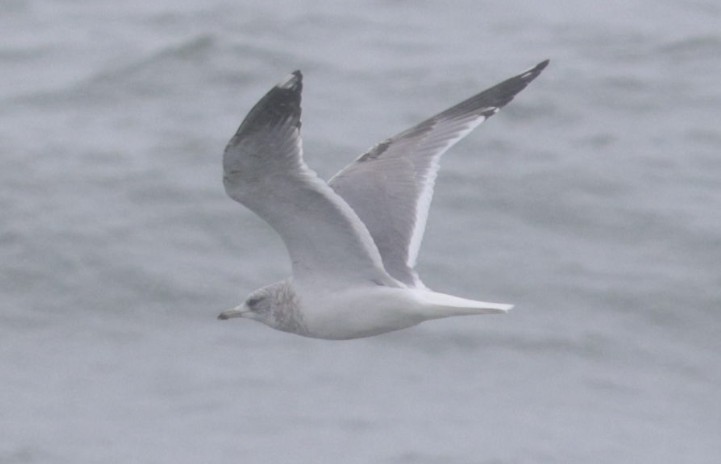
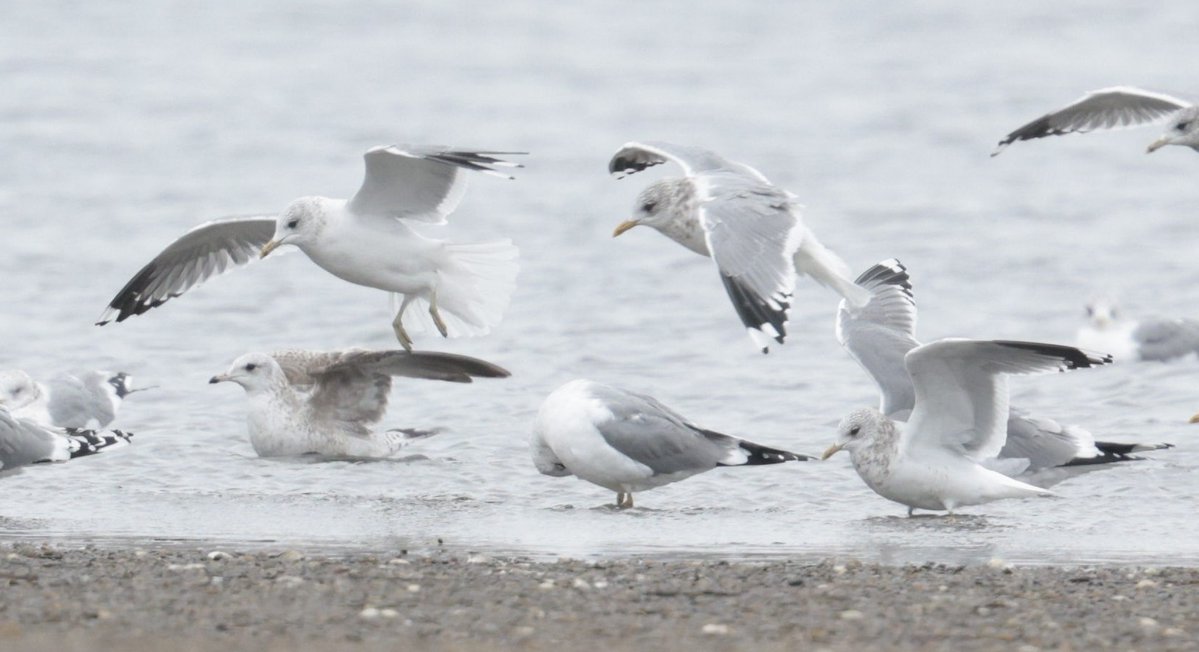
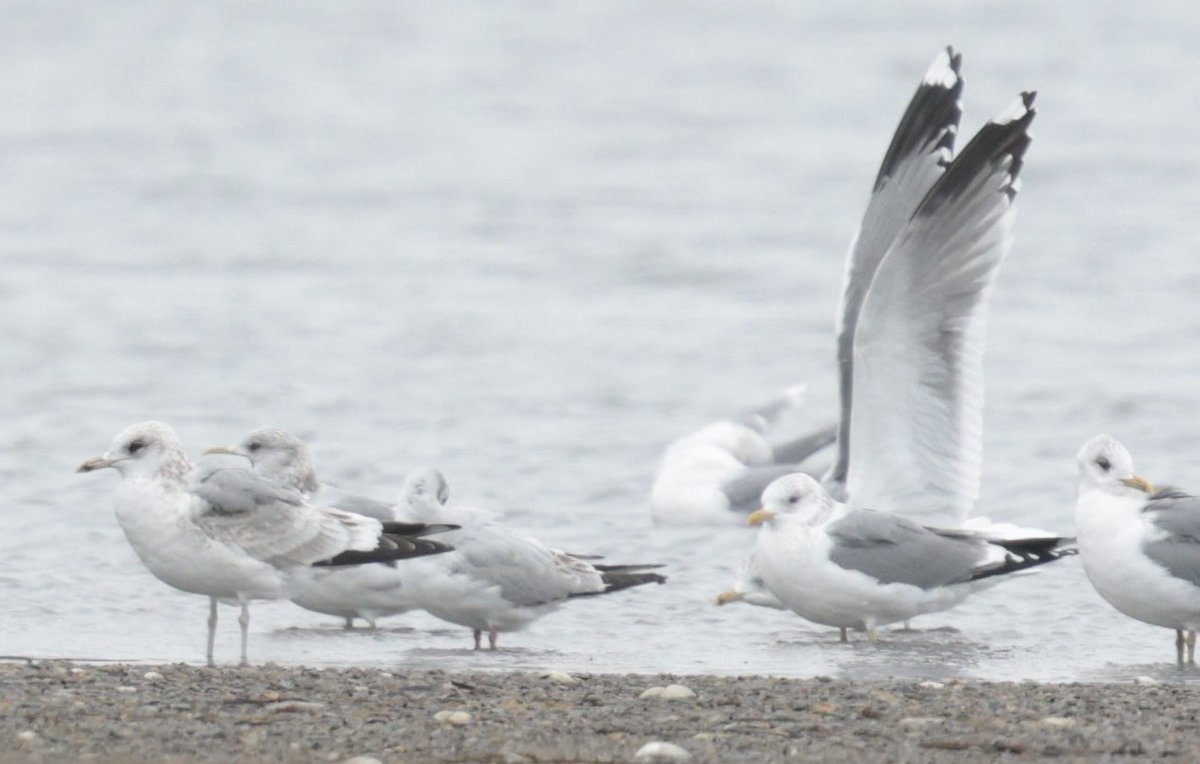
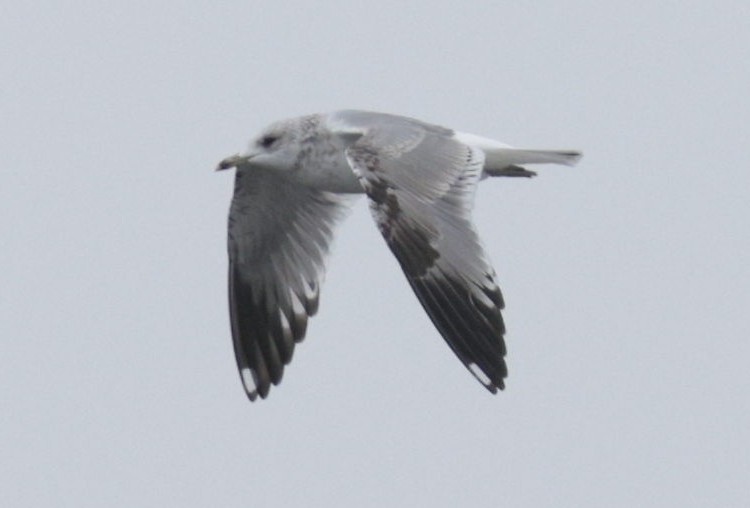
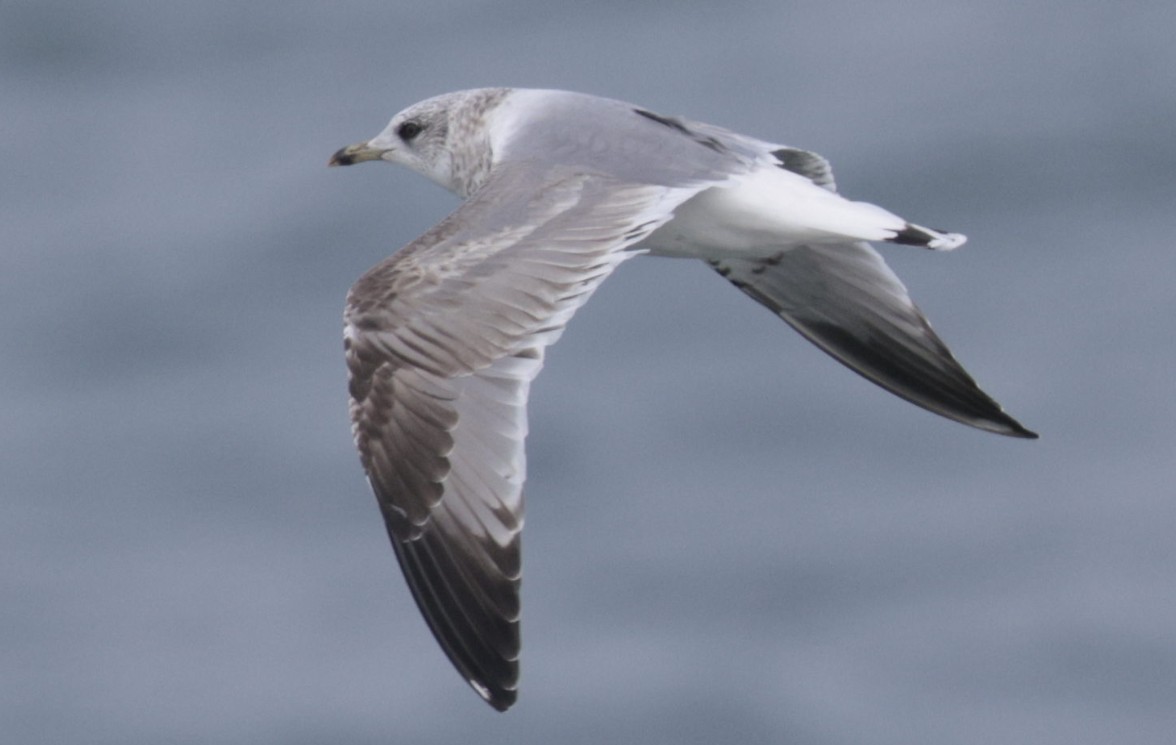
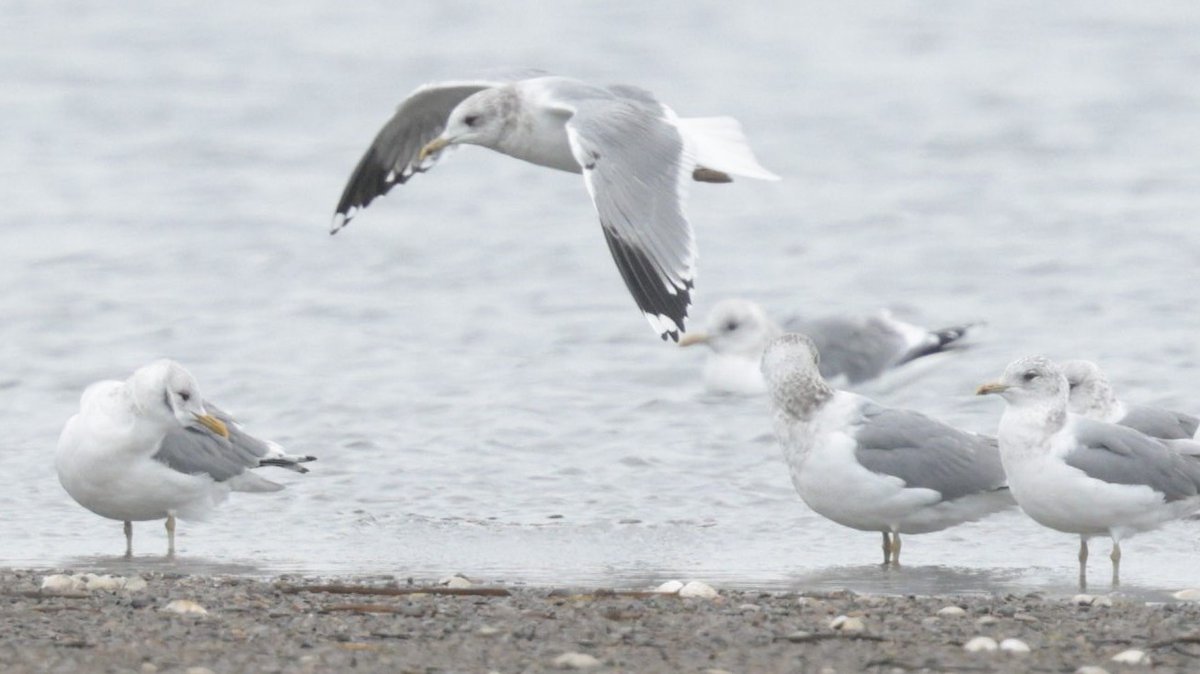
Obviously the highlight of any trip to Japan is the chance to see Kamchatka Gull.
We found a small group on the Notsuke peninsula. As there doesn't seem to be many pics of this taxon on X, a few to follow for those interested in such frippery...