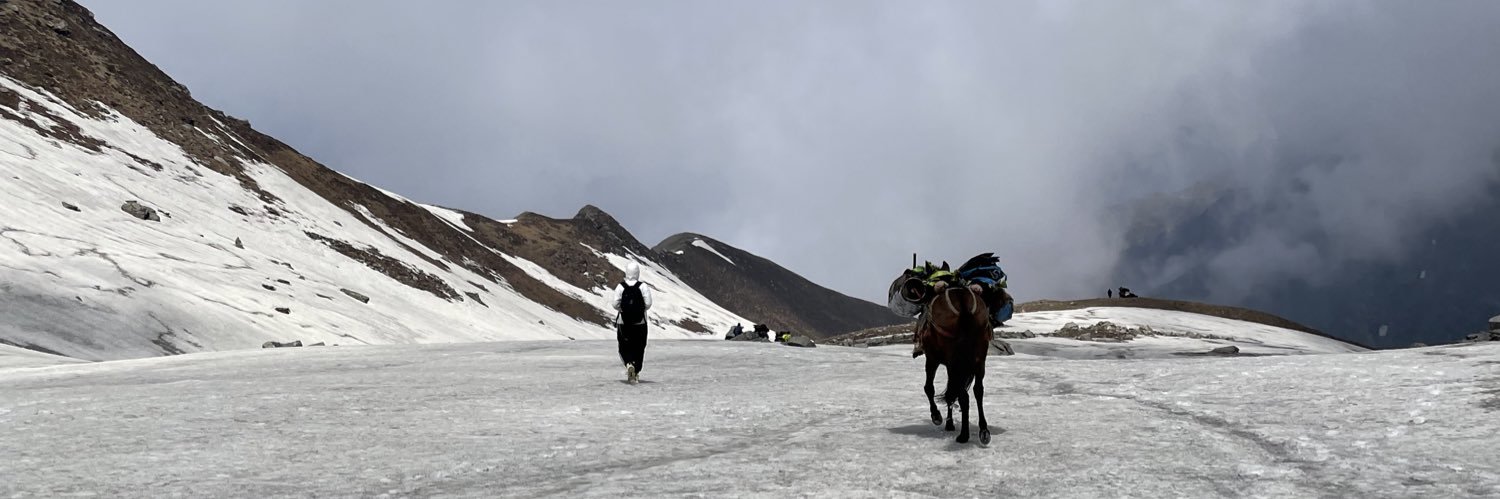
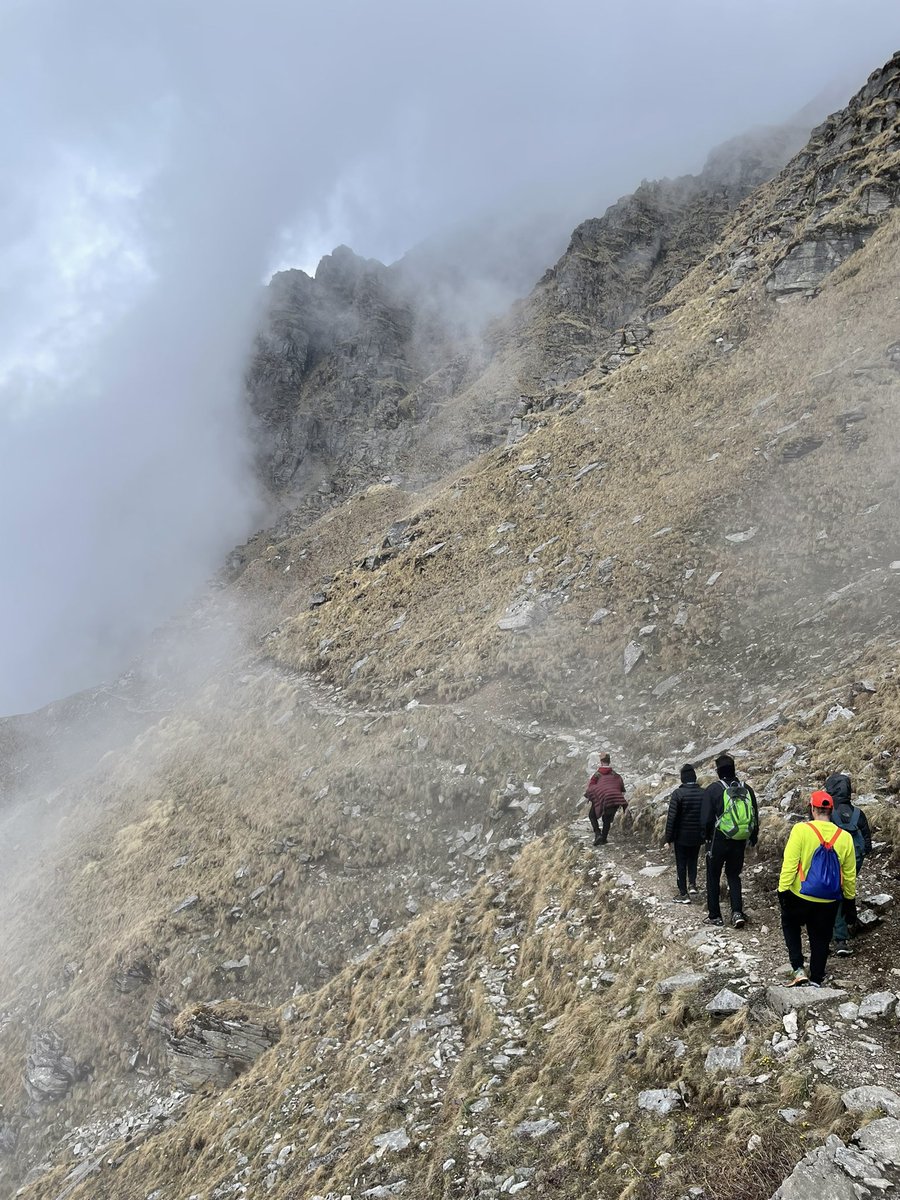
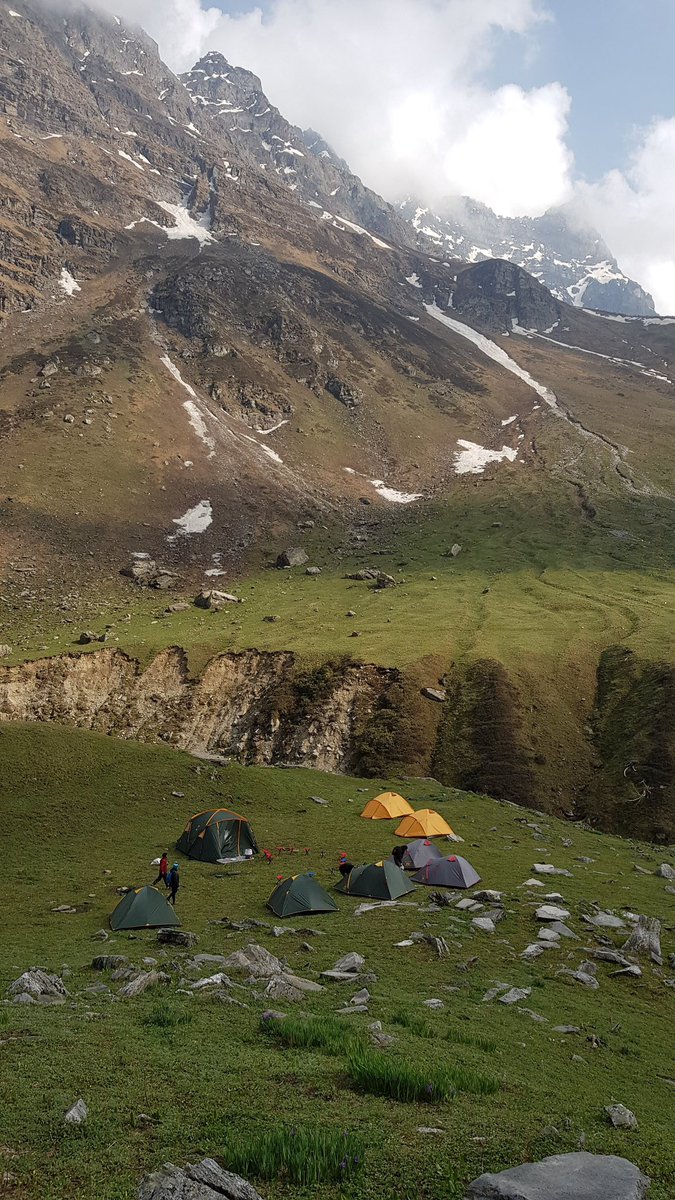
A local guide on a Himalayan trek is often an unassuming, simple person. But the work he does is anything but. Thru forests, meadows, streams & glaciers, he calmly steers a group of people for whom this is as good as an alien planet. He is a leader, a guru, by deed, not by words.
It’s the magnanimity of mountains that allows us to trek, camp and experience them. It’s the vanity of humans to think of it as a conquest and call it ‘done and dusted‘.
#himalaya#trekking#perspective
My 2023 Trip calendar is now out. You can choose from treks, road trips, chill out holidays and wellness retreats.
Details here - https://t.co/OOKXEgmX39
To register for the trips you need to fill this form - https://t.co/pagGX0dBB7
#himalaya#trekking
A road trip in the remote Himalaya means hours spent gazing at the most fascinating landscape, almost equalling the affect that trekking has on the mind, without the physical strain.
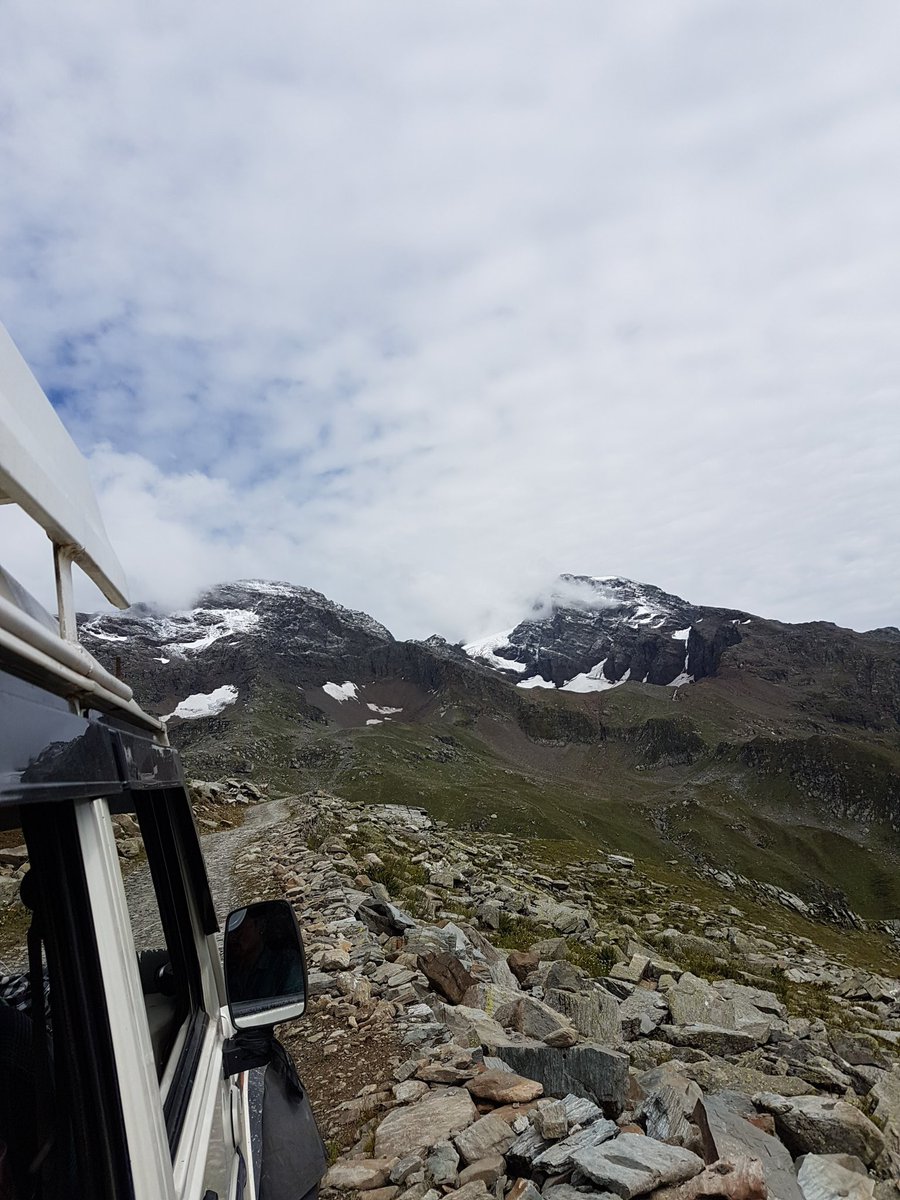
Here we are reaching the top of Sach pass at 4500M on our way from Chamba to Pangi valley.
This happens on every trek, the only thing is that after a few times you remember to thank them and acknowledge their contribution in your achievement. Or atleast that’s what I hope all trekkers should do.
#trekking#himalaya#kinnaur#spiti
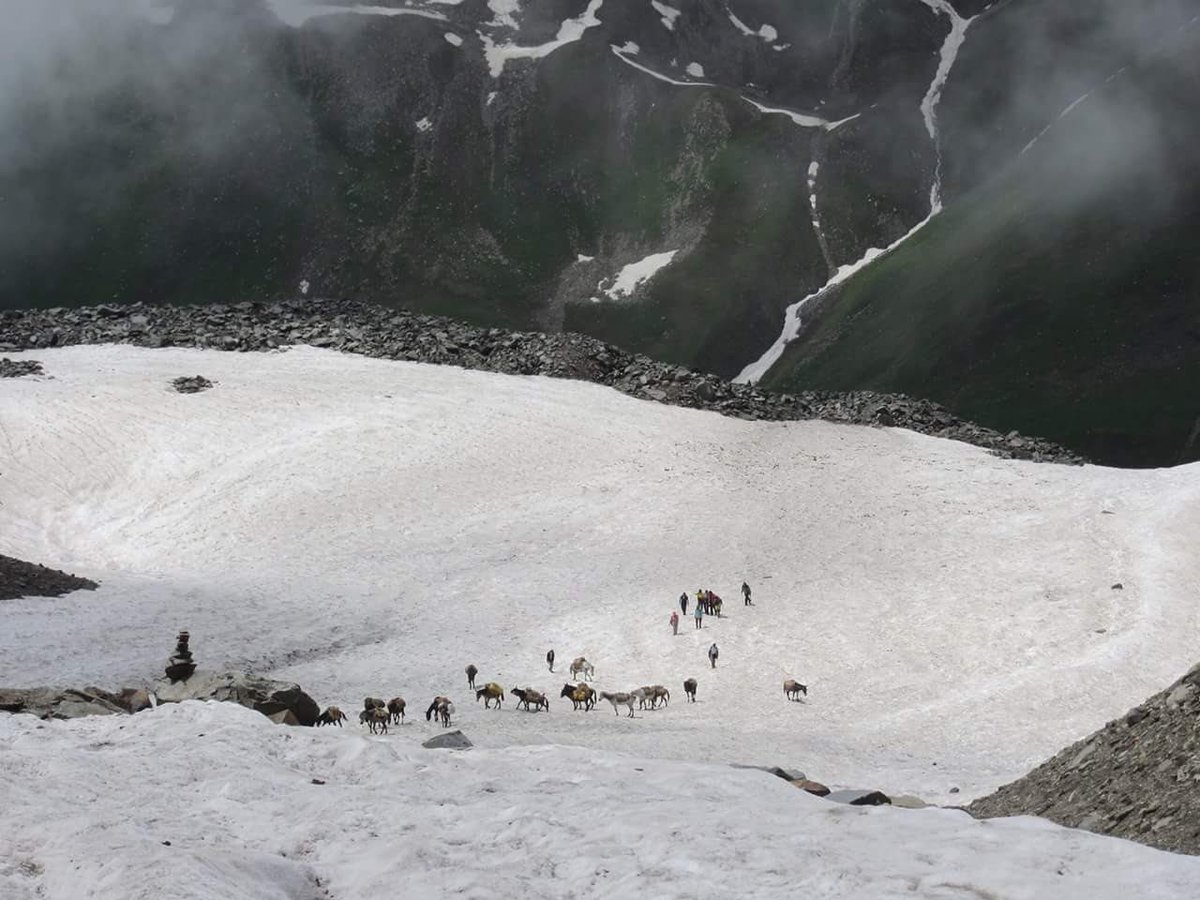
This is one of my favorite pics. It’s from the Kinnaur to Spiti trek (Pin- Bhabha pass) that we did in 2013, and used to do regularly before that (it’s too crowded now with trekking companies bringing groups of 30-40 people per batch).
1/4
It’s the porters and mules, who have almost caught up with us (even though they started much later after wrapping the campsite). They have tons of fun while climbing up and unknowingly instil a belief amongst the struggling trekkers that yes, the walk is tough but doable.
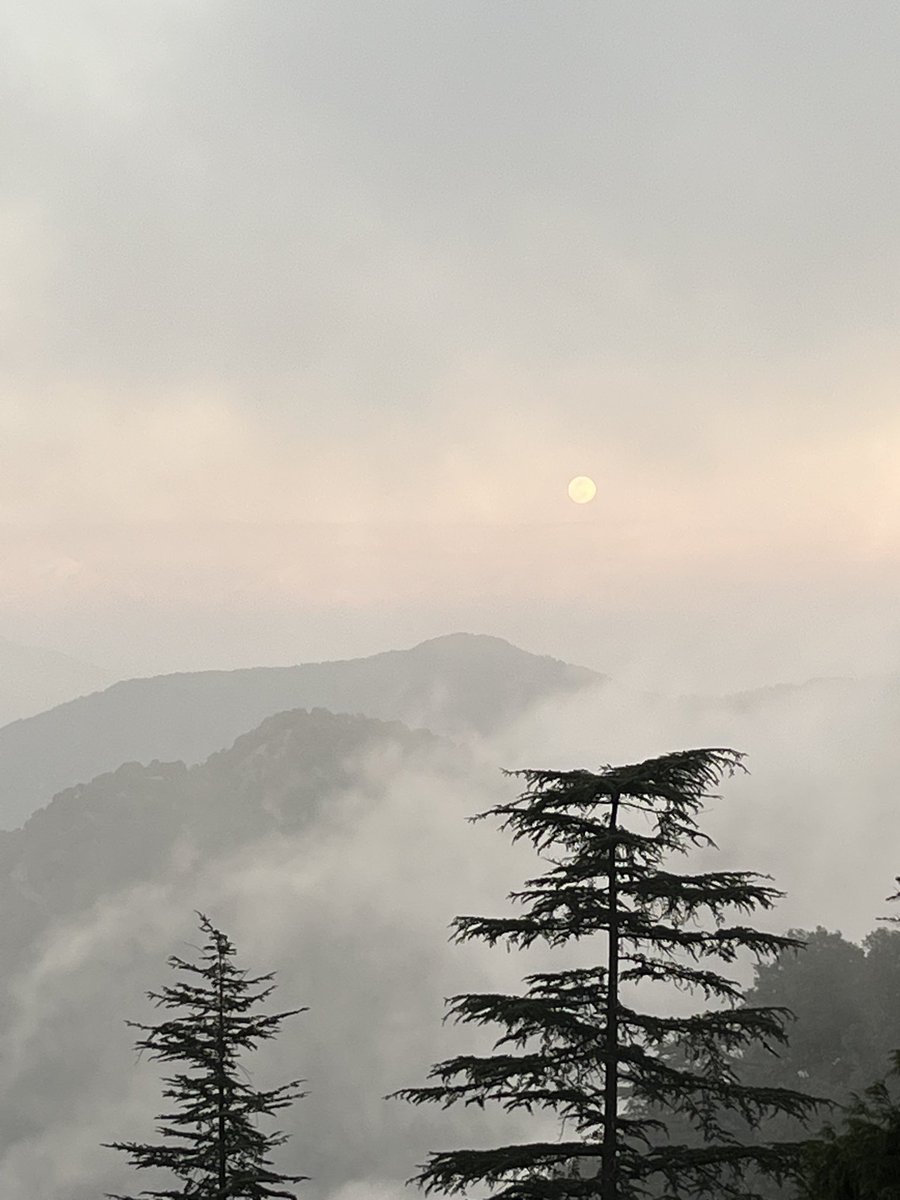
Morning Sun on Kangchendzonga.
In Nov 2017 we were in Dzongu, Sikkim, home of the indigenous people, the Lepchas. This is from our homestay, before our trek to Tholung monastery, beyond which, the Lepchas say, lives the Migo, local name for Yeti.
#nofilter#sikkim#himalaya
Wondering what you can do as a traveler to the Himalaya, to reduce the impact of tourism in this increasingly sensitive and vulnerable ecosystem?
Don’t follow social media trends of places to go and things to do in the Himalaya.
Read on…
#himalaya
Pangong Tso at 4300 M, is the second highest salt water lake in the world. And despite the inconsiderate tourists (who litter and even enter the lake in cars) and local authorities (who allow construction next to the lake and untreated sewage inside it), it is stunning. #ladakh
To summarize- don’t treat #Ladakh like a regular hill station. Even though it has become really popular and crowded, it still is a very high, very challenging region. Be sensible, do the basics right and allow yourself to soak it’s indescribable beauty.
#responsibletravel
As the rest of Himalaya gets ready for the monsoon, the doors to Ladakh (and Spiti) open up. If you are travelling to this extremely ecological sensitive area, here are 5 guidelines that will help -
5. Spread out. Ladakh has a lot to offer apart from the 2-3 popular destinations. Try homestays, easy treks, lesser traveled roads, lesser visited monasteries.