The LIFE GREEN ADAPT that started a couple of months ago is well underway with site visits to the Xiloga landfill site in progress!
AIMEN Centro Tecnológico LIFE Programme XILOGA SL Isle Utilities Limnos Ltd. Universitat Politècnica de Catalunya Aarhus Un…https://t.co/Ft40aO0Srw
Professor Signe Normand from my department just received the 'Eliteforsk' prize as a recognition of her outstanding research and talent. #globalchange#biodiversity#science#talent#awards https://t.co/M2jDv7fIcZ
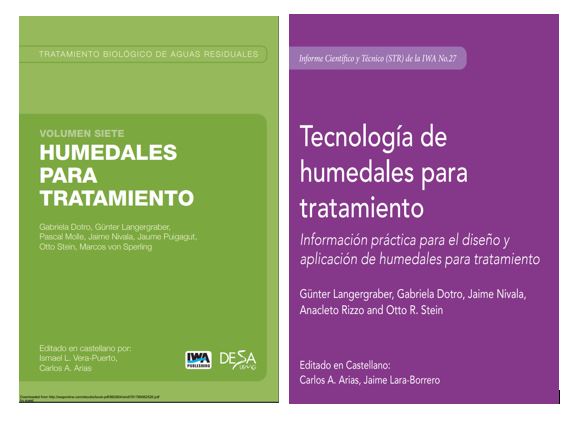
Two new books in Spanish version are available in the IWA website. The edition and translation from English of the two textbooks was done by a team of spanish speaking experts that dedicated countless hours to the job. To them my most sincere thanks.
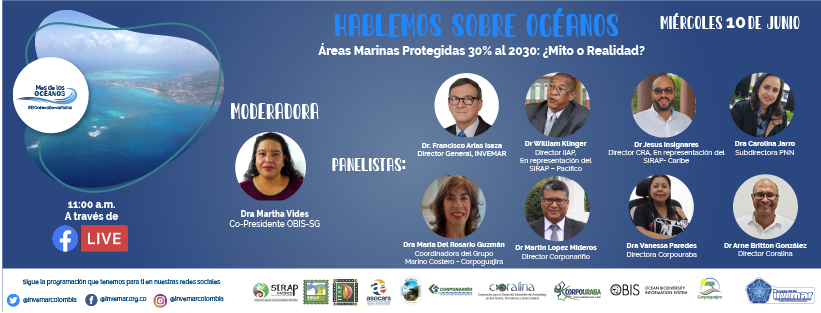
Mañana a las 11:00 a.m. vía #FBLive estaremos hablando sobre "Áreas Marinas Protegidas: 30% al 2030 ¿Mito o Realidad?.
Conéctate con nosotros a través de 👇https://t.co/j5nMMnTyFX
The objective of the LIFEPOPWAT project is to minimize risks from pesticides (Lindane isomers) present in the environment, based on innovative technology: constructed wetlands. @C_AARIAS
💦 🌱💧🌳🐠
Constructed wetlands (CWs) have been used extensively for pesticide mitigation 💧🍃🌳💧
Source: https://t.co/oD6S9Zh5DD.
Learn more in: https://t.co/m9lMHFzyuZ
@C_AARIAS
Kick off meeting of LIFEPOPWAT, four years ahead of interesting work, working with a great team and aimed at removing HCH related pollutants using treatment wetlands.
Más de 100 millones de personas en las zonas tropicales e intertropicales del mundo viven cerca de manglares. De estas, casi 30 millones están en América Latina y el Caribe.
El Pez León amenaza la biodiversidad del Caribe Colombiano. Controlar y detener su reproducción está en nuestras manos. La única forma de luchar contra él es comiendolo. #NoComasMero#ComePezLeon El Mero, el cual está en extinción, combate al #PezLeon#MagdalenaAmbiental