🗿 This Stone Was Raised Before Farming… Let That Sink In 🤯
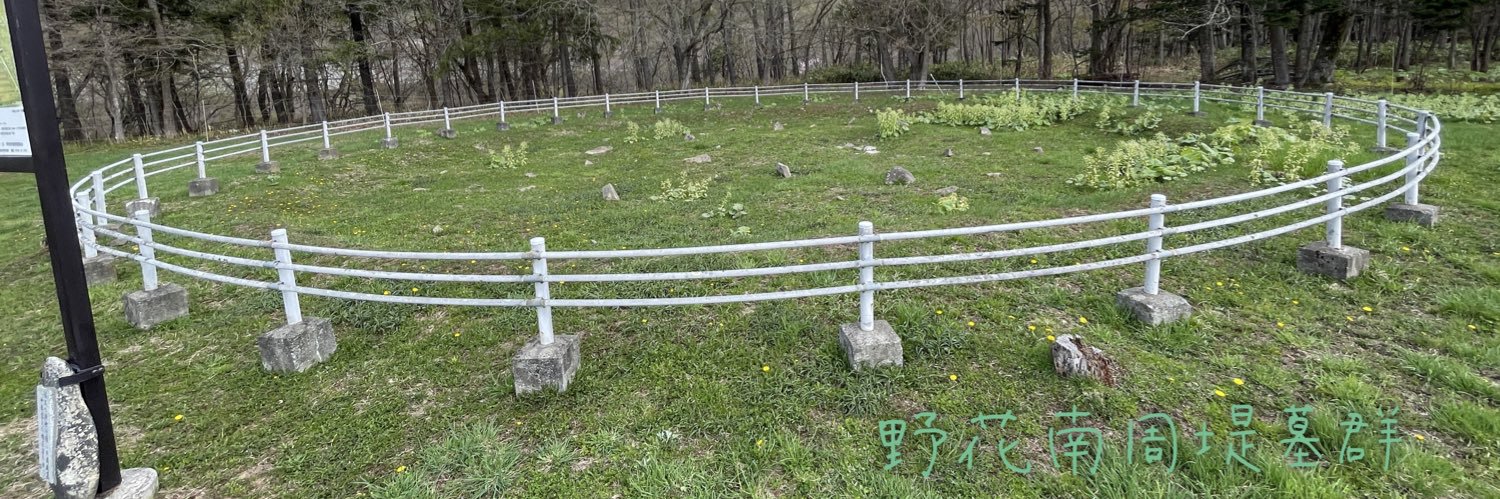
Long before cities, before writing, before people even knew how to grow food, humans gathered around this stone. Standing tall inside a circular enclosure at Göbekli Tepe in modern-day Turkey, this T-shaped pillar is over 11,000 years old. It was carved by hunter-gatherers using simple tools, yet its design is anything but simple. The smooth limestone surface carries deep carvings—spirals, symbols, and strange abstract forms that feel intentional, almost coded. The shape itself looks like a human figure, as if the stone is not just a pillar, but a presence.
What makes this place truly unsettling is when it was built. This monument existed before agriculture, before permanent homes, before what we usually call “civilization.” And yet, these people planned, organized, and worked together to create something sacred. Why? Was it ritual? Belief? A shared story about the universe? No one knows for sure. But standing here, you can almost feel it—the moment when humans first asked big questions about life, meaning, and their place in the cosmos. This stone doesn’t just belong to history. It quietly challenges everything we thought we knew about where human imagination truly began.
The 4,600-Year-Old Lost City That Was More Advanced Than Many Medieval Towns
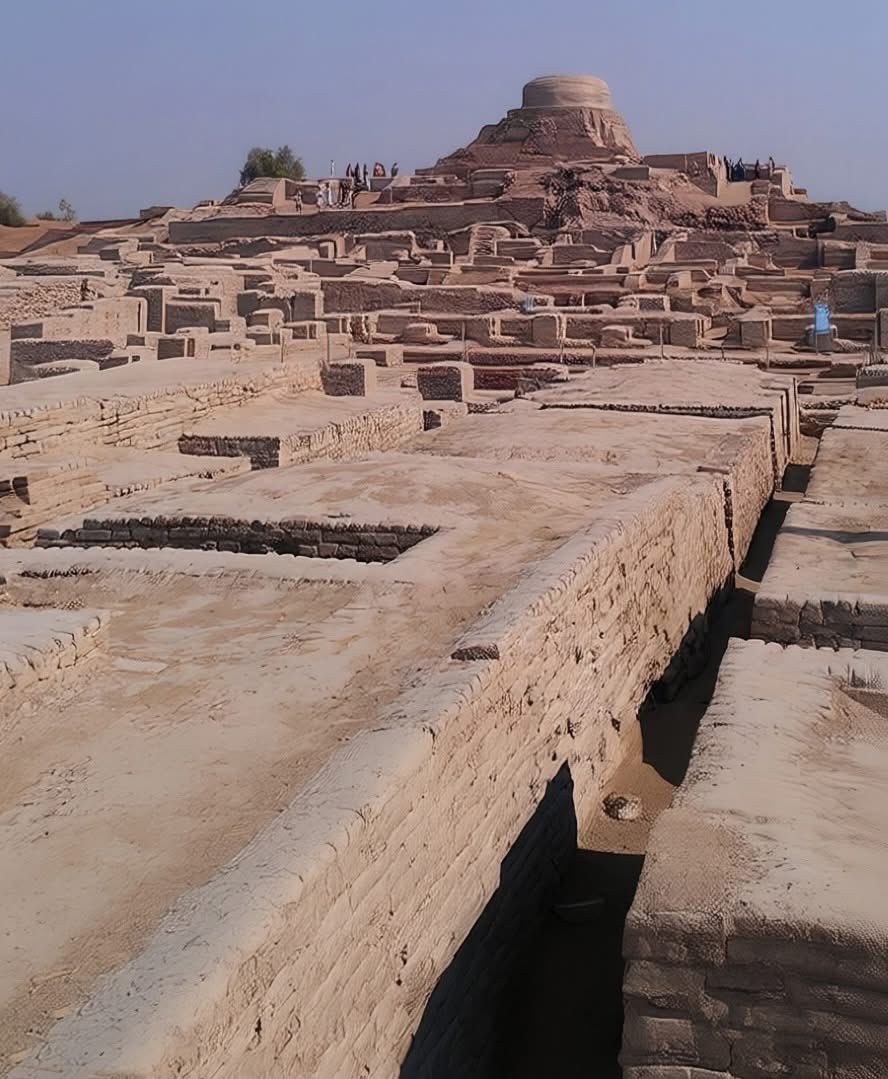
Deep in the plains of present-day Pakistan lies one of humanity’s greatest forgotten wonders — Mohenjo-daro, the mysterious city of the ancient Indus Valley Civilization. Built around 2600 BC, at a time when much of the world was still struggling with basic settlement life, this astonishing city already had organized streets, advanced engineering, and one of the world’s earliest urban sanitation systems.
The name Mohenjo-daro means “Mound of the Dead,” and for thousands of years the city remained buried beneath dust and silence. It was rediscovered in the 1920s by archaeologists during British India, shocking historians across the world. What they uncovered changed our understanding of ancient civilization forever.
Unlike many ancient cities ruled by giant palaces or massive temples, Mohenjo-daro was designed with incredible planning and precision. Streets were laid out in a grid pattern, homes were built using standardized baked bricks, and nearly every house had access to water and drainage. Even more surprising, the city had covered sewage systems running beneath the streets — something many civilizations would not achieve again for thousands of years.
One of its greatest mysteries is the famous “Great Bath,” believed to be one of the earliest public water structures ever built. The massive brick-lined pool was waterproofed with natural bitumen and connected to an advanced drainage system. Historians believe it may have been used for rituals, purification, or important community gatherings. Imagine people walking through these streets over 4,500 years ago, using technology and city planning far ahead of their time.
No one knows exactly who ruled the city. No giant king’s tomb has ever been found. No massive statues celebrating rulers. Even stranger, the script of the Harappan people still cannot be fully decoded. Their language remains one of history’s greatest unsolved puzzles. It is as if an entire advanced civilization spoke… and then vanished without leaving a readable voice behind.
At its peak, the Indus Valley Civilization stretched across parts of modern-day India and Pakistan and may have supported millions of people. Trade routes connected it with ancient Mesopotamia, showing that these people were not isolated — they were part of a thriving ancient world economy.
Then, around 1900 BC, the civilization slowly declined. Some experts believe climate change, shifting rivers, droughts, or economic collapse may have forced people to abandon the cities. Others think repeated flooding damaged Mohenjo-daro over time. But the true reason remains uncertain.
Today, the silent ruins of Mohenjo-daro still stand under the burning sun of Sindh, reminding us that thousands of years before modern technology, humans were already building cities with intelligence, engineering, and organization far beyond what many imagined possible.
🏺 China Unearthed a 3,000-Year-Old Mystery That Shouldn’t Exist
Deep beneath the soil in China, archaeologists uncovered something that left even experts stunned — giant bronze masks with haunting eyes, strange golden objects, towering statues, and ritual items unlike anything ever seen before. The discovery was made at the ancient Sanxingdui site in 2021, and the artifacts are believed to belong to a lost civilization that existed more than 3,000 years ago.
What makes this discovery so mysterious is that these objects do not match the style of ancient Chinese civilizations we know from history books. The masks have enormous eyes, sharp features, and almost supernatural expressions, making many people wonder who these people really were… and why their art looked so different from the rest of the ancient world.
Some researchers believe Sanxingdui may have been the center of a powerful kingdom that vanished without explanation. Others think the strange masks and statues were connected to rituals, forgotten gods, or beliefs that disappeared thousands of years ago. Even today, nobody fully understands why these incredible treasures were buried underground.
Imagine standing in front of a massive bronze face created by human hands over 3 millennia ago… staring back at you with wide, mysterious eyes as if guarding secrets from another age.
The deeper archaeologists dig, the more questions appear. Who were the people of Sanxingdui? Why was their culture so advanced and so different? And what caused this ancient civilization to suddenly fade into history?
Some discoveries rewrite history. This one may rewrite everything we thought we knew about the ancient world.
Bas-relief carvings at the Temple of the Feathered Serpent in Xochicalco, Mexico. Quetzalcóatl, the Feathered Serpent deity of Mesoamerican mythology. One of the most important gods in the Aztec and earlier Mesoamerican pantheons.