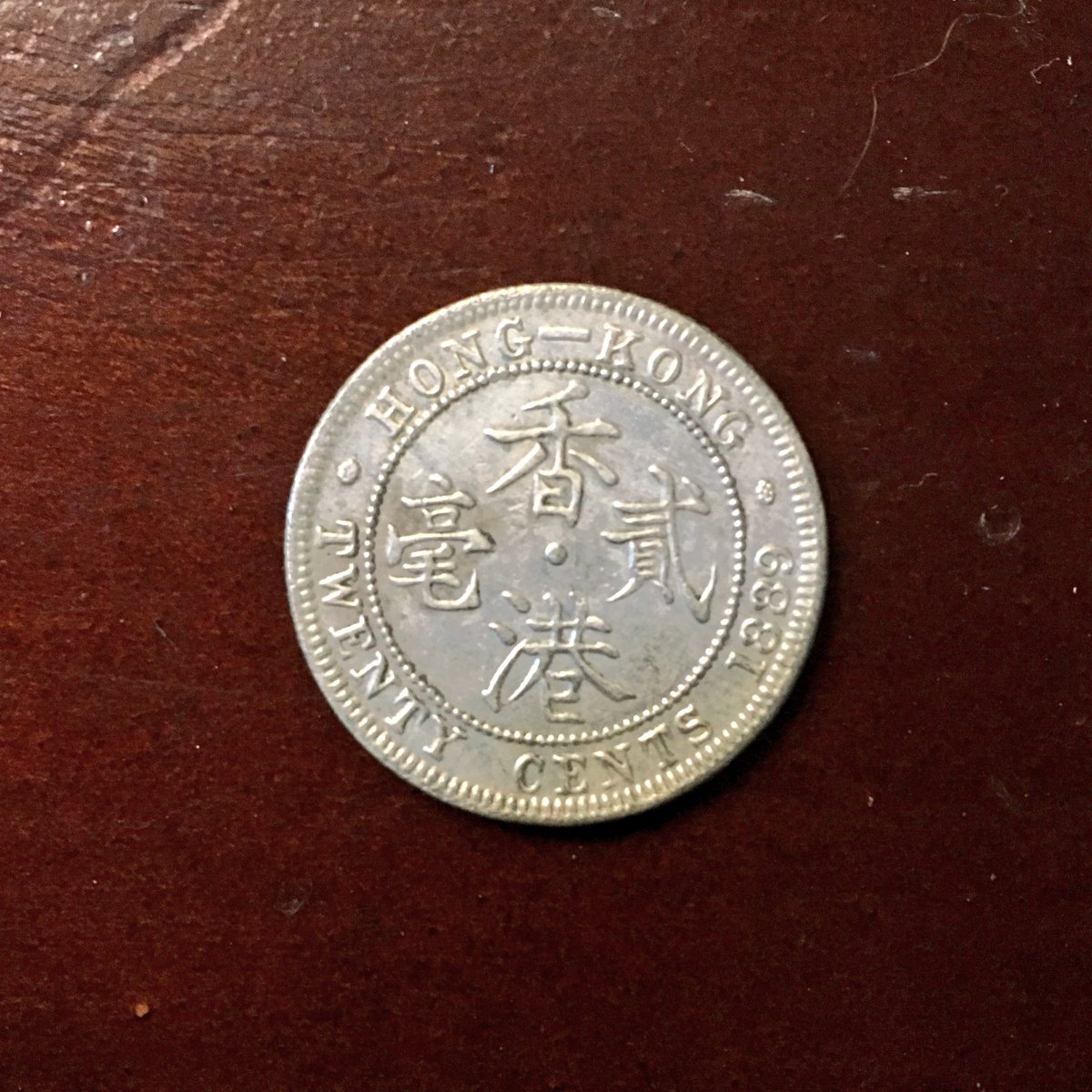
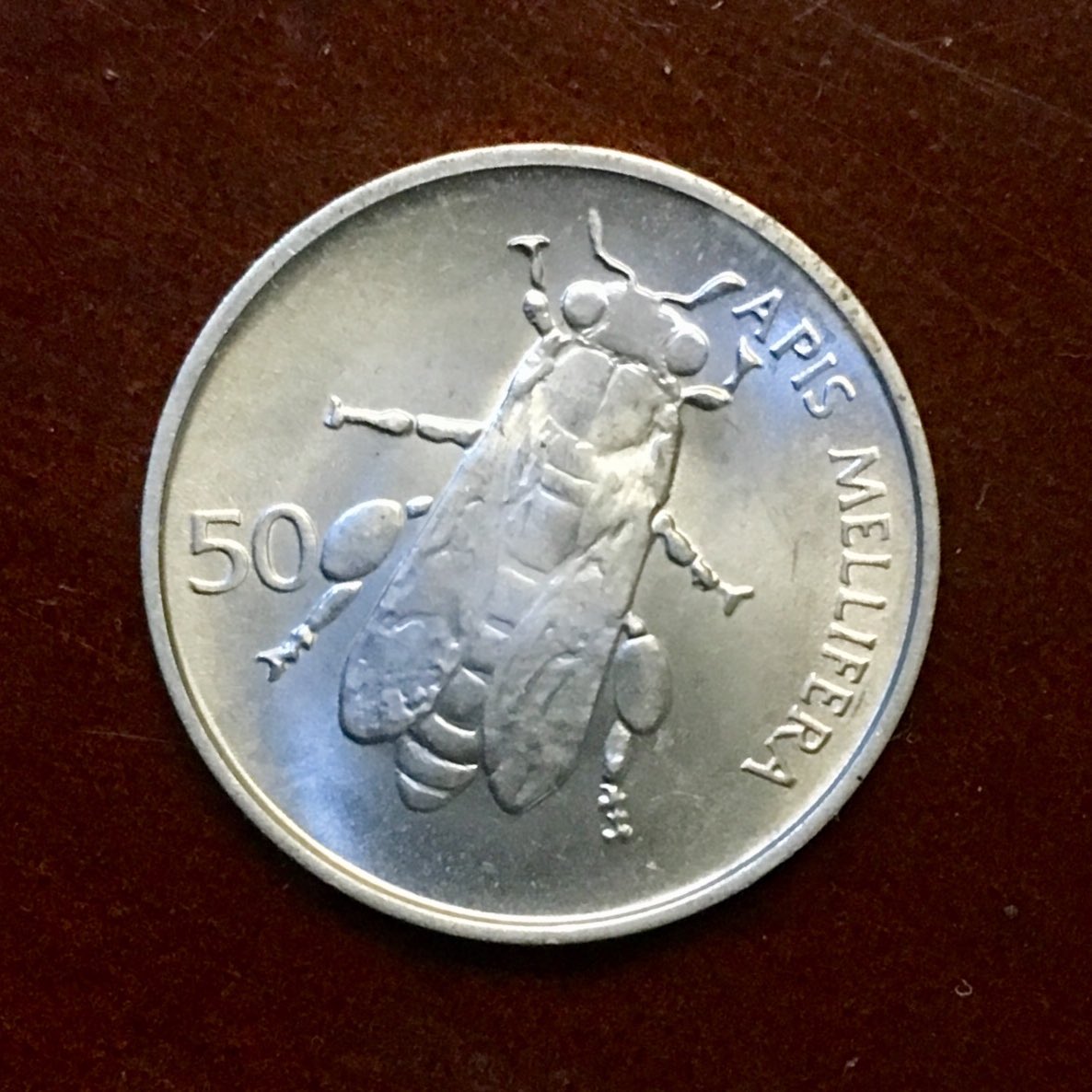
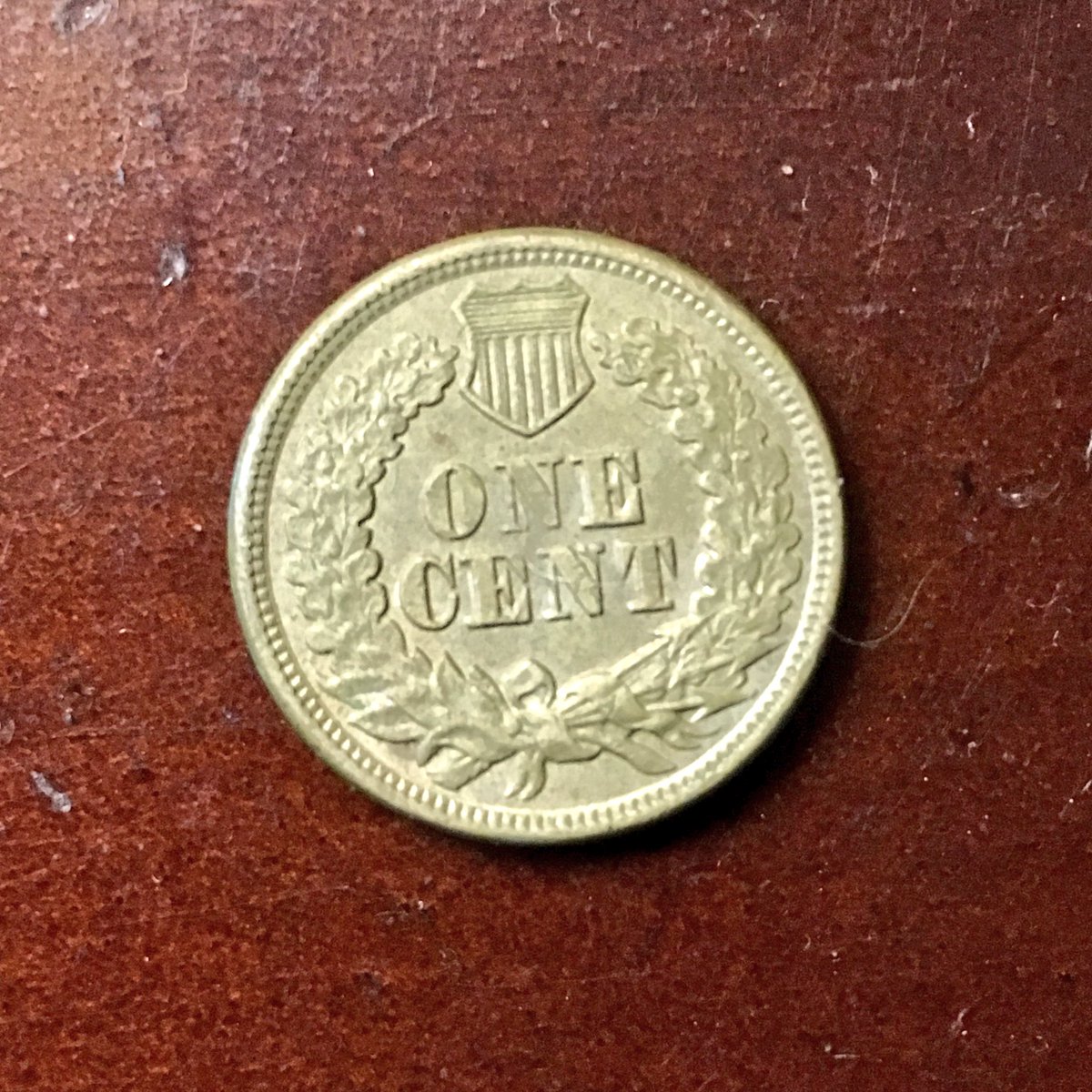
50 stotinov 1993 from #Slovenia showing a honey bee - Slovenia is known as the cradle of #beekeeping or #apiculture and is a centre of #apitourism - see the @lonelyplanet article here - https://t.co/UvG1fdy0O6 - interesting to have the denomination on both sides too.
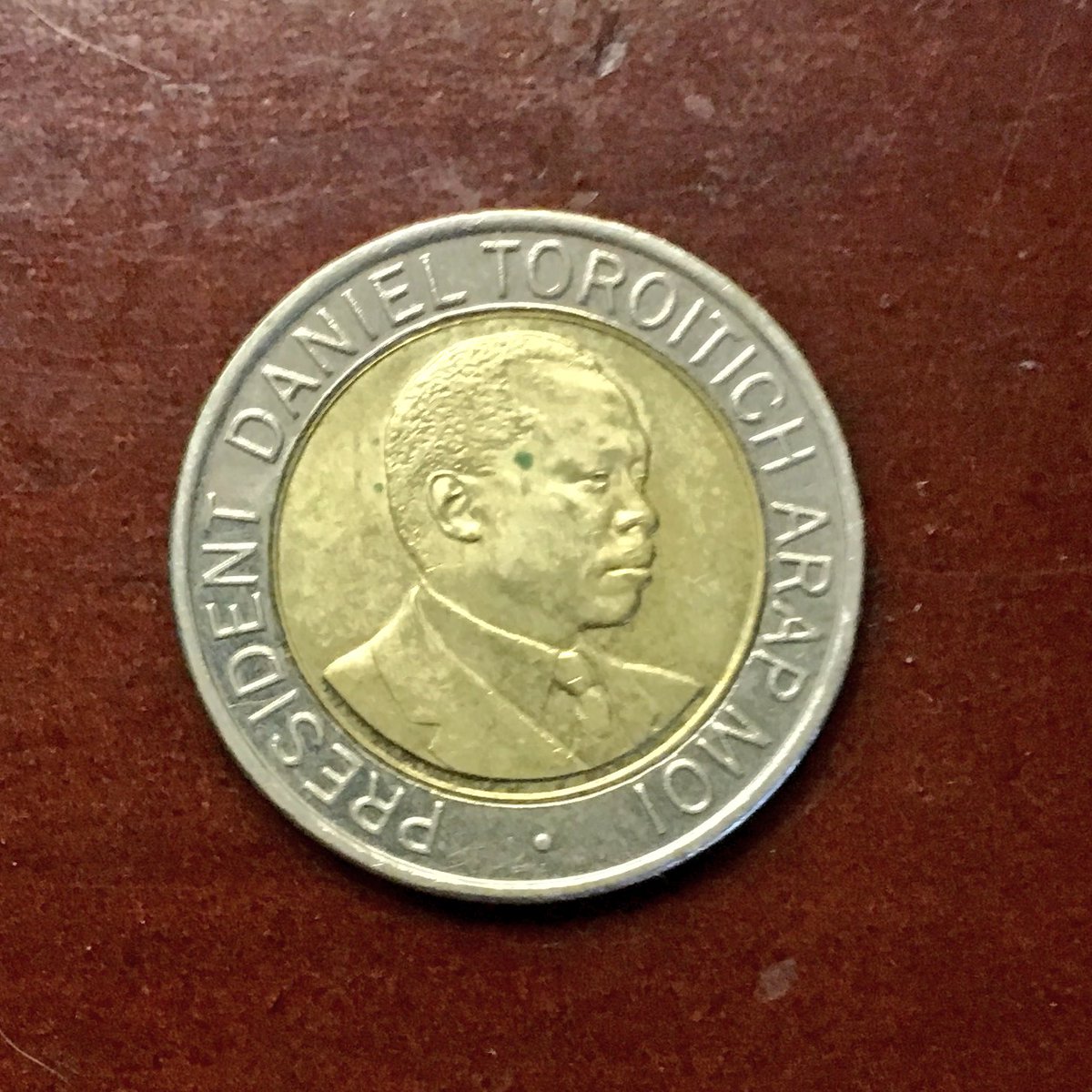
Two more coins from #Kenya - these fantastic almost-medal like 10 cent pieces in Nickel-Brass. From 1978 and 1986, they show Kenya’s first two Presidents, Jomo Kenyatta and Daniel Arap Moi.
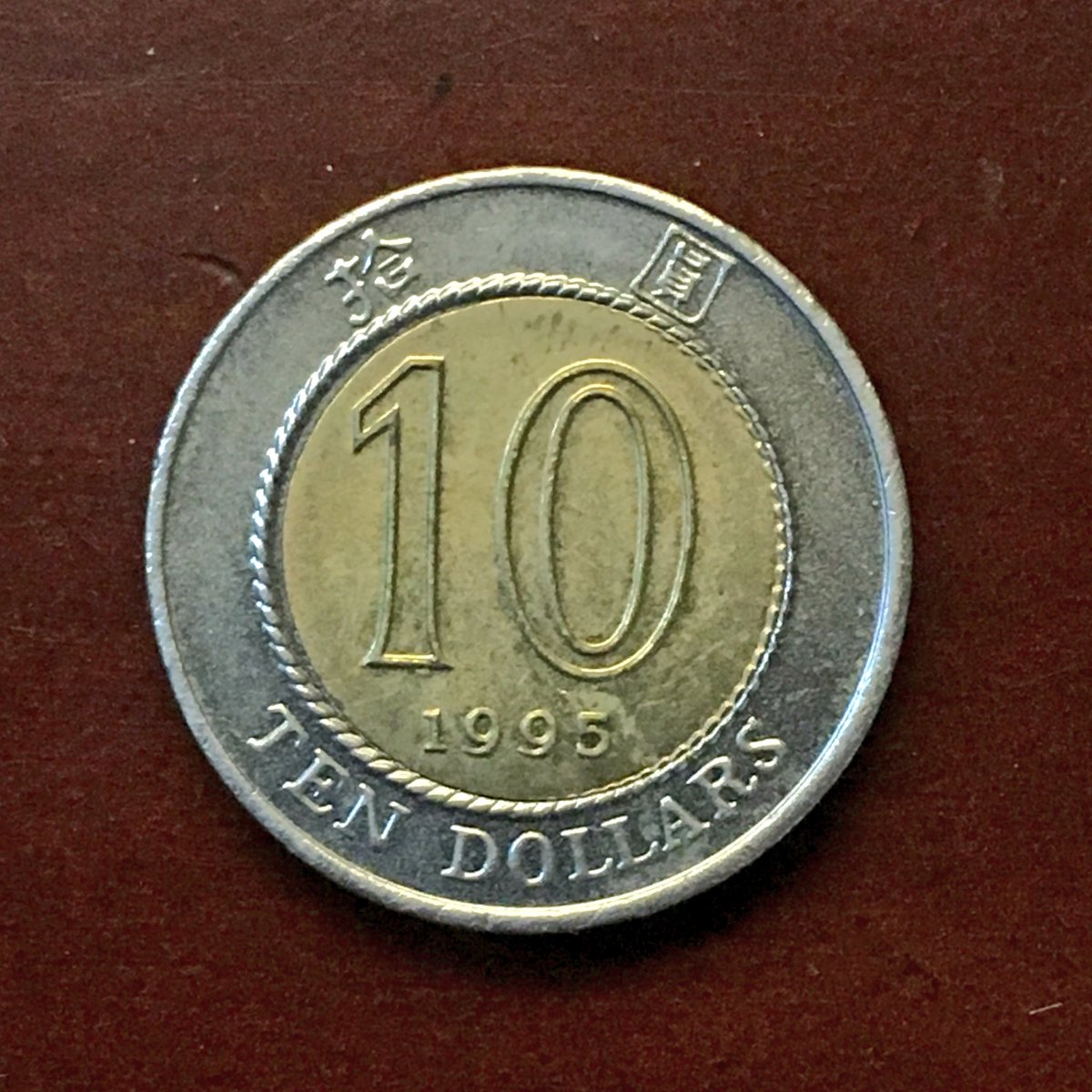
10 dollars from #HongKong, 1995 - another bimetallic coin, this one featuring the Special Administrative Region’s Bauhinia (Orchid Tree) flower. #China
500 Lire from #Italy, 1984 - the first mass circulation bimetallic coin, designed by Italian engraver and medalist Laura Cretara. It shows the Palazzo del Quirinale, the residence of the President of Italy, built on the tallest of the seven hills of Rome. #Italia
A bimetallic 10 Franc piece from the Principality of #Monaco, 1998 - the same size and shape as the French 10 Franc (the Monégasque franc was pegged to the French Franc). “Deo Juvante” - “with God’s Help” - has been the motto of Monaco since 1458. @GvtMonaco
1988 was the first year of issue for this bimetal 10 Franc coin from #France - a fantastic #80s design on the obverse, with a depiction of the Spirit of Liberty and “RF” for Republique Francaise on the reverse.
Another bimetal coin, this one from #Jamaica - twenty dollars from 2017 showing the national crest and a portrait of Jamaican national hero Marcus Garvey.
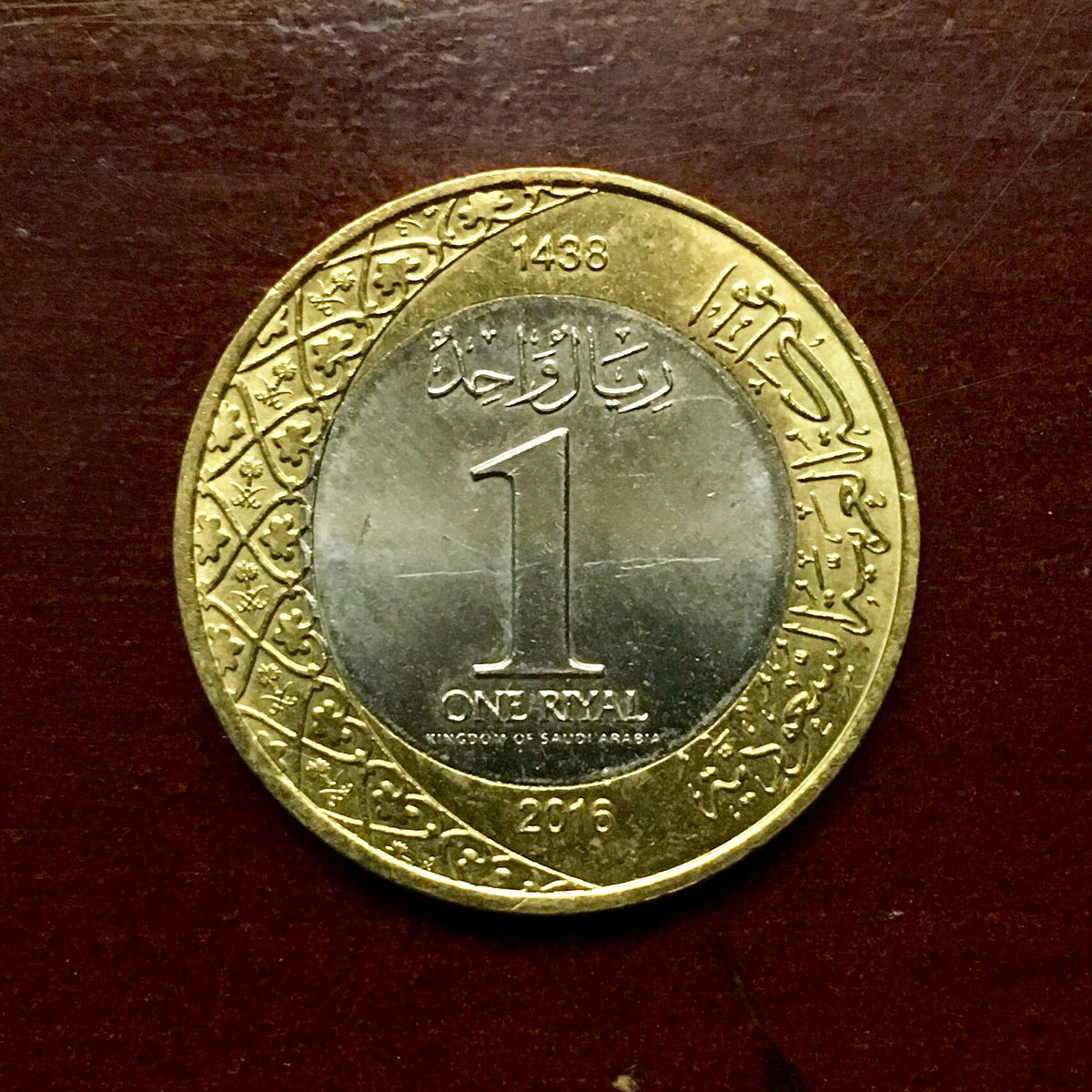
The new bimetallic One Riyal coin from #SaudiArabia - AH1438, 2016, featuring a portrait of the King Salman and One Riyal in English (and a Roman rather than Arabic “1”).
An interesting bit of history in this 2013 #UK 50 pence piece - this was the original design proposal for the very first 50 pence in 1969. In the end, @RoyalMintUK opted to put Britannia on the coin instead. 2013 marked 100 years since the birth of designer Christopher Ironside.
Large and small coins from #Panama - one Balboa, 1947 and Two and a Half Centisimos 1979, 40 mm and 10 mm diameter respectively. The 1904 two and a half centisimos is known as the “Panama Pill” or “Panama Pearl”.
One Pice Coins from #India, 1943, 1944 and 1945. The @RoyalMintUK explored the idea of making coins from the punched out centres but concluded they would be too small - see https://t.co/xhLWzu9qtq - @RoyalMintMuseum
Shown here next to a United Kingdom five pence, this tiny bronze coin is a trial for the 1945 Indian #pie piece from the Bombay Mint. It was never issued as it is only 10mm in diameter! Celebrating #BritishPieWeek
United States Indian Head One Cent, 1863 - from 1859-1864 these were made of 88% copper and 12% nickel rather than bronze for the later issues (1865-1909).