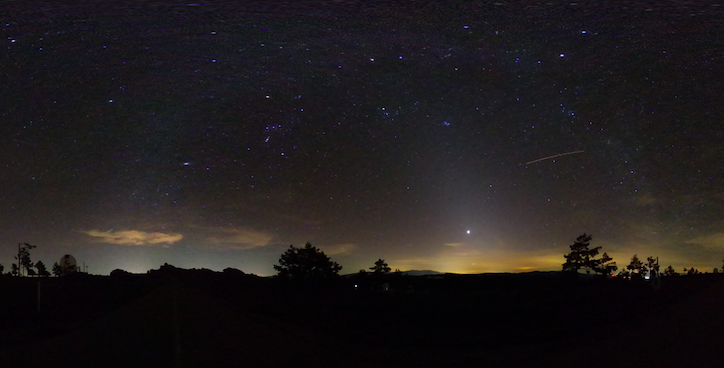
Observación astronómica
Viernes 1 Marzo 22:00 @aranzadi
Inscríbite gratis:
https://t.co/1b3FGGtBWF
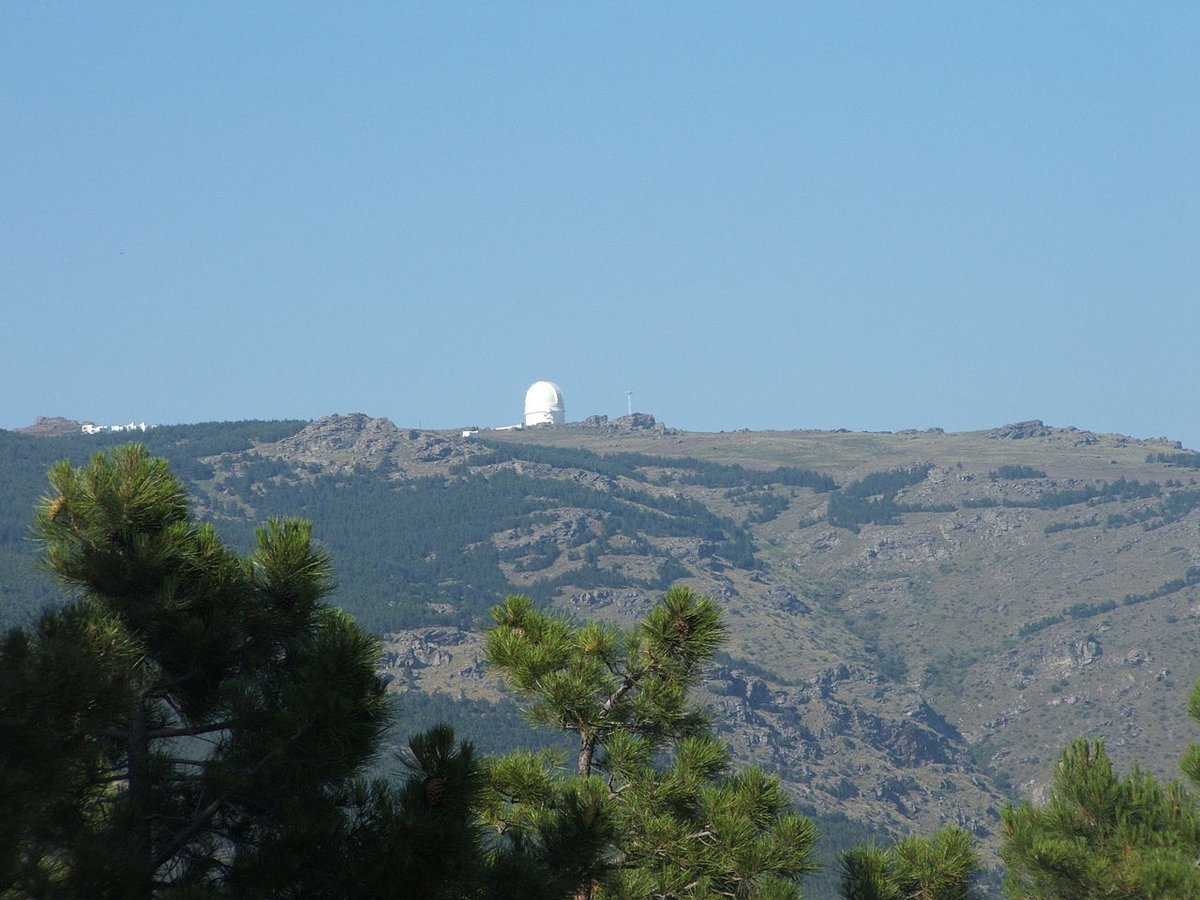
Con el Grupo de Ciencias Planetarias de la @upvehu usaremos remotamente el telescopio de 1.23m de @CalarAltoObs
https://t.co/FCRbQmwAlr
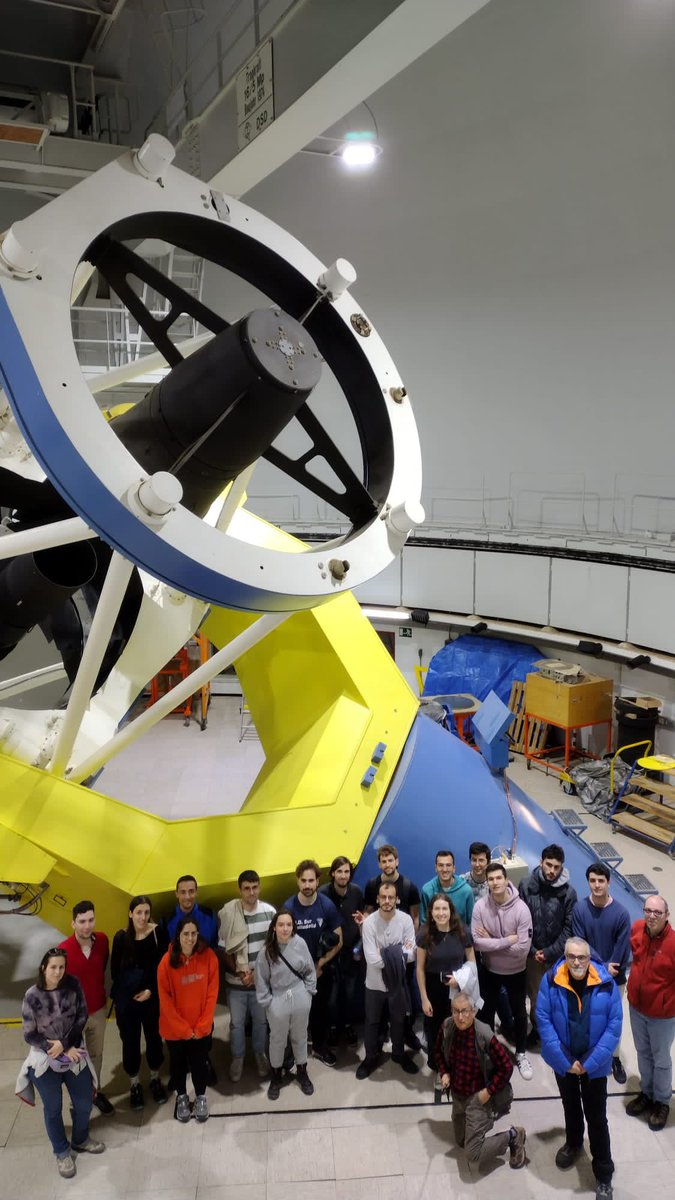
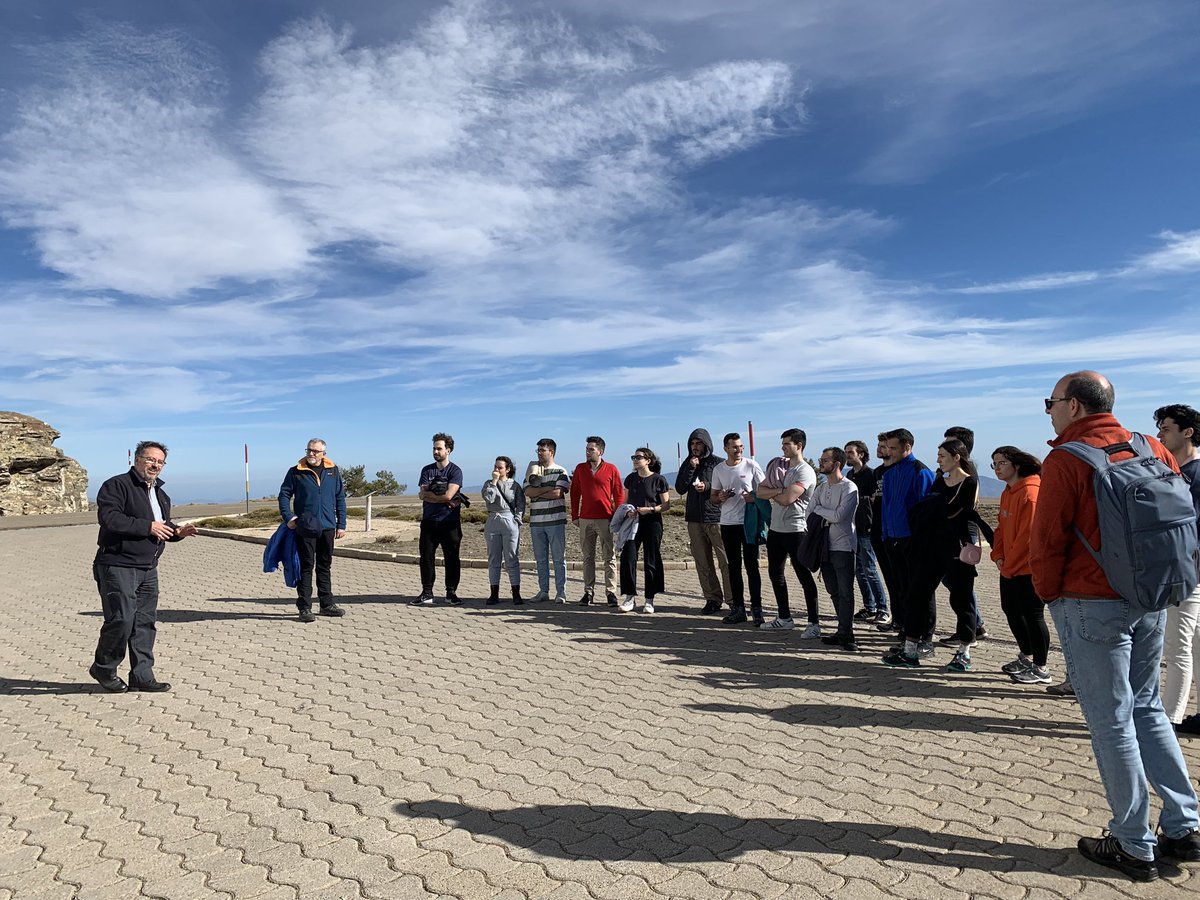
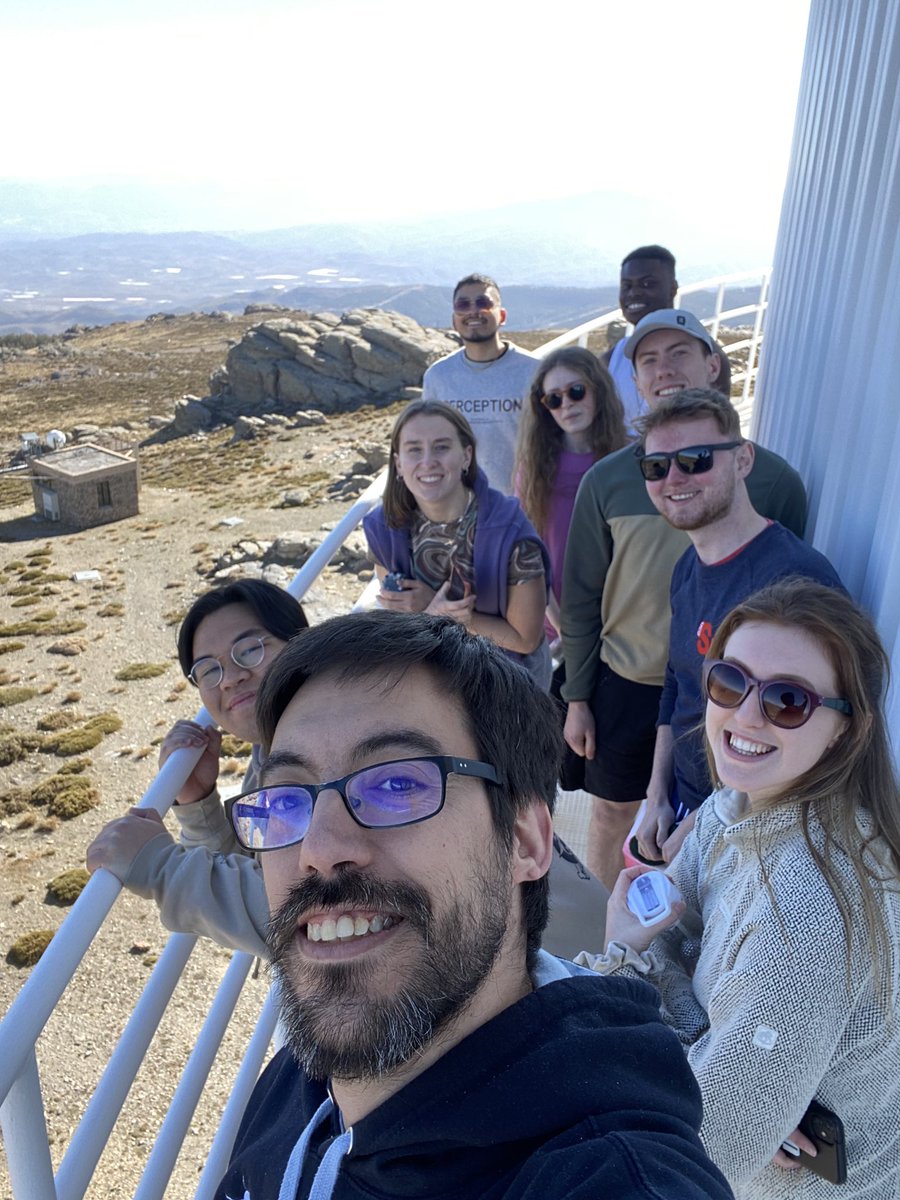
Aquest cap de setmana vaig d'observació a @CalarAltoObs amb els alumnes de grau i màster de @FisicaUB. Faré un fil i aniré explicant com són aquestes practiques (spoiler: genials)
https://t.co/kIpTuJwNWV
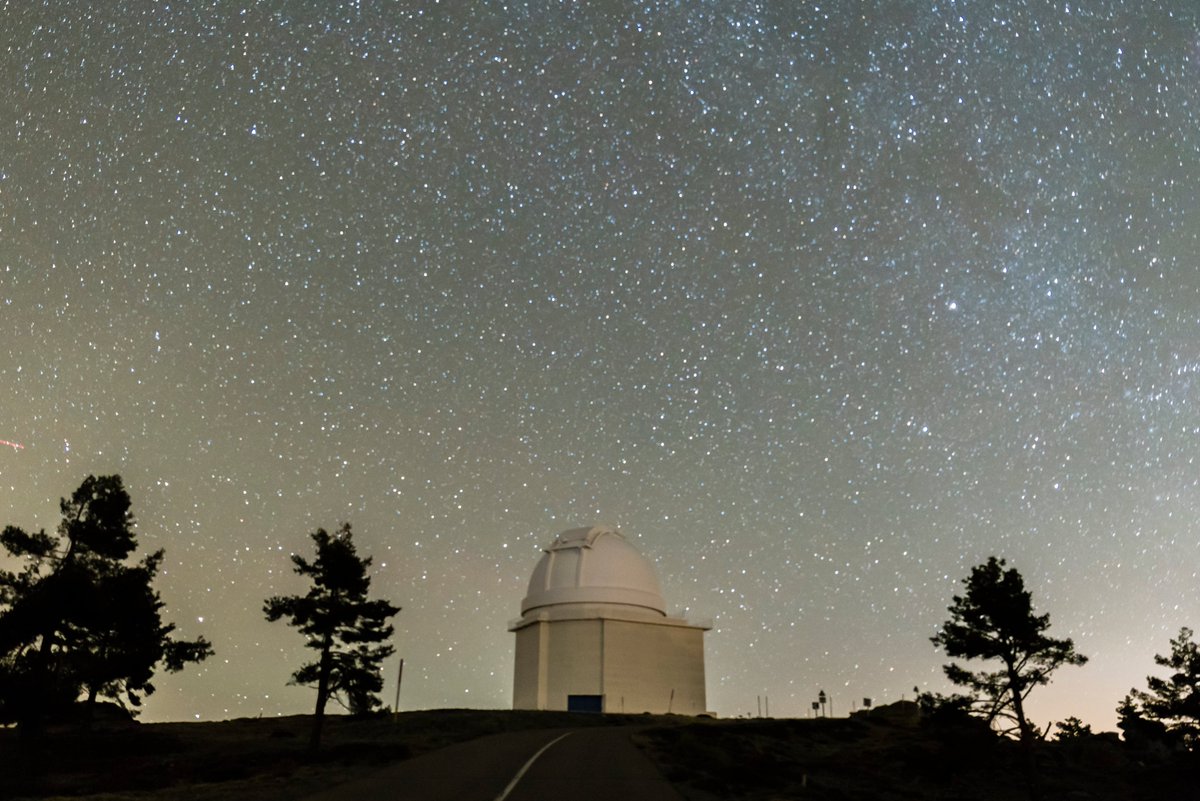
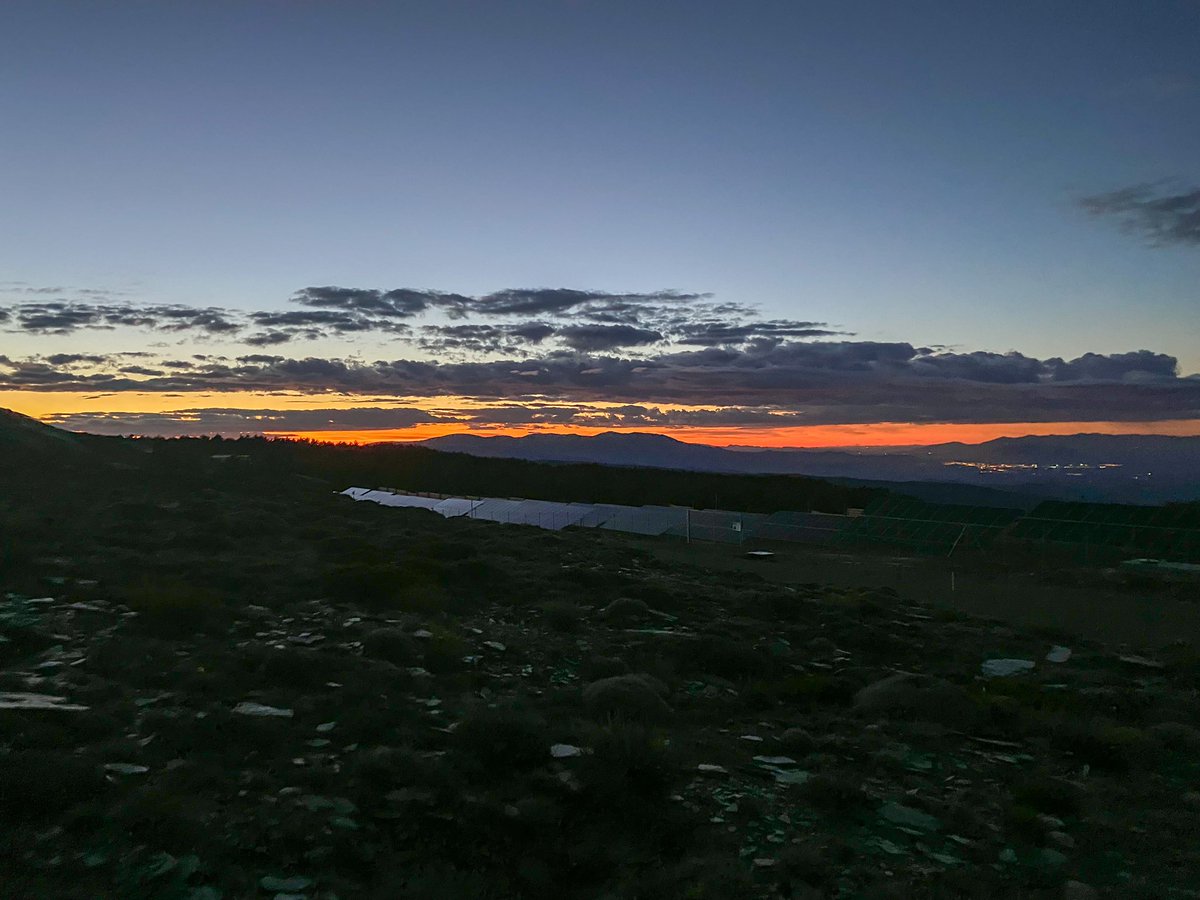
Saying goodbye to the sun one last time from the @CalarAltoObs. Ready for what it looks to be a really busy night. Let’s hope we get all the data we need
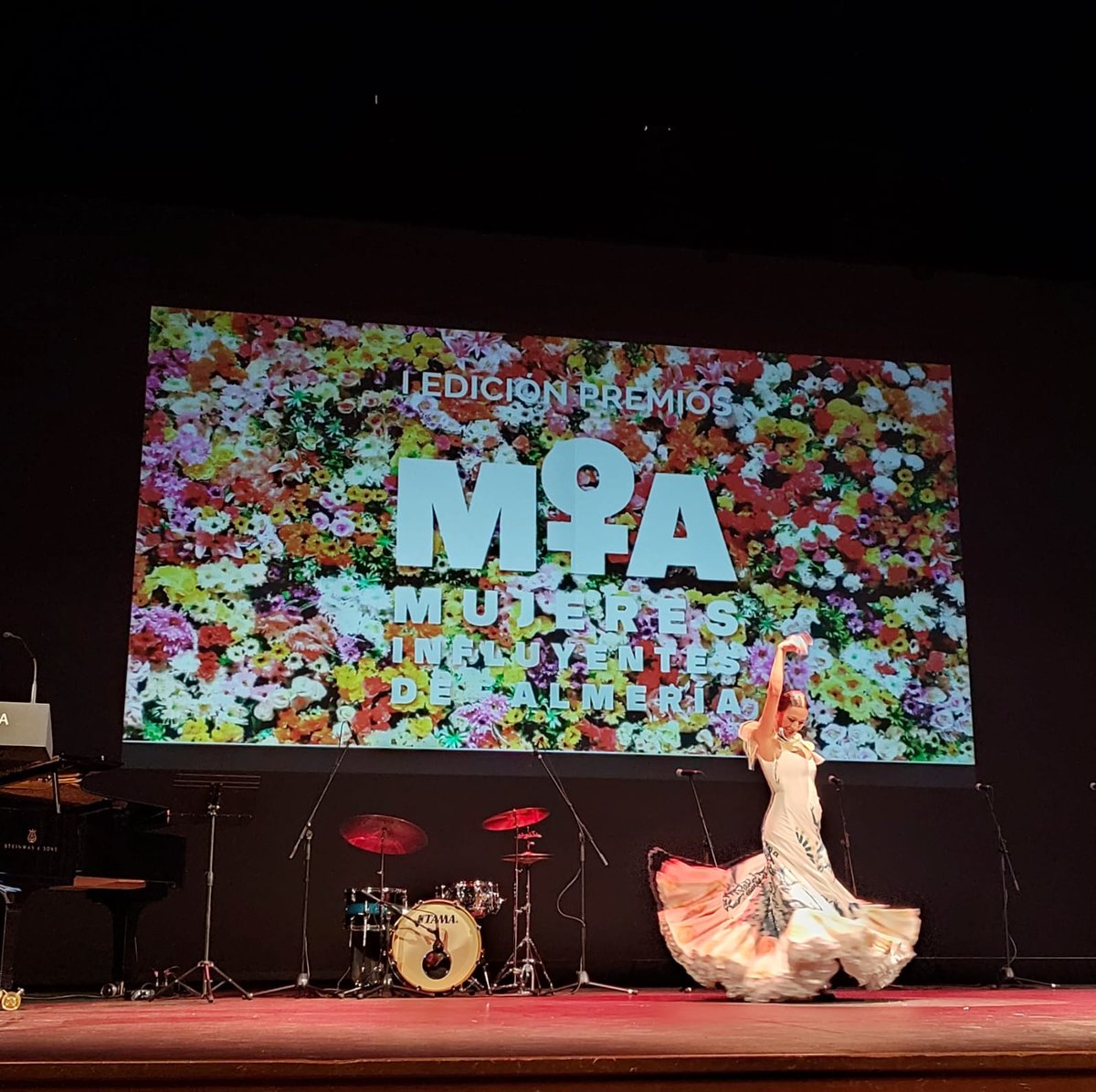
@JosemMartinFdez ha entregado esta noche el #PremioMIA#Almería, en la categoría STEM, a la astrofísica Ana Guijarro, investigadora en @CalarAltoObs.
La 1a edición de los Premios Mujeres Influyentes ha galardonado a seis mujeres en otras tantas categorías. Enhorabuena a todas!
📖 Artículo en el boletín @SEA_astronomia
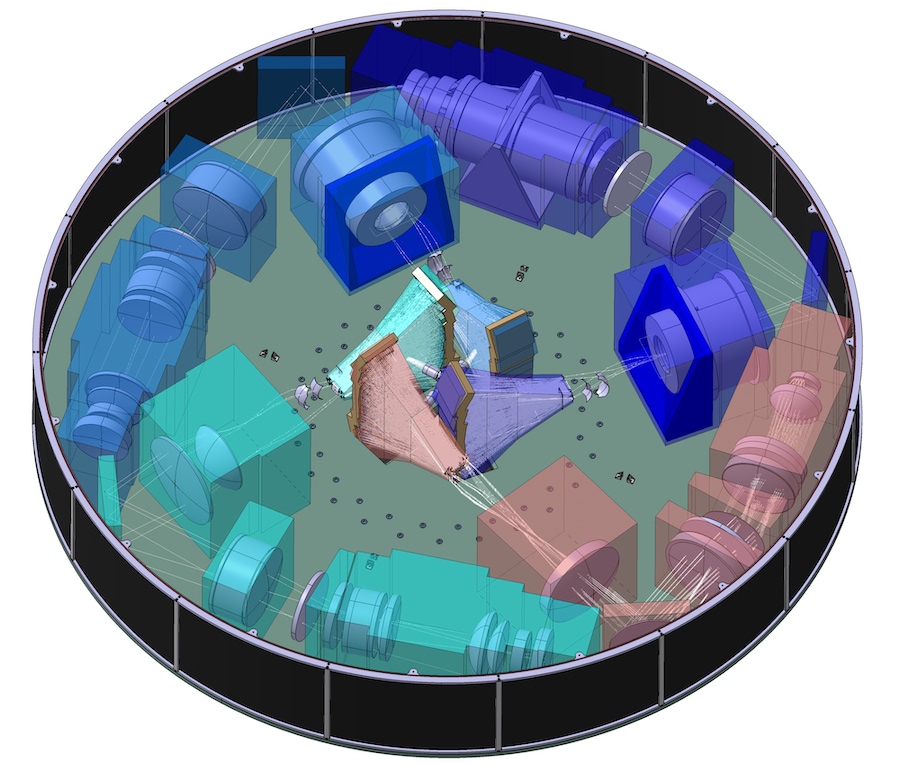
TARSIS, espectroscopia bidimensional de gran campo para Calar Alto
📝 Armando Gil de Paz, Jorge Iglesias Páramo y Patricia Sánchez-Blázquez @unicomplutense@iaa_csic@CalarAltoObs
💫 https://t.co/ioyDEpSRen
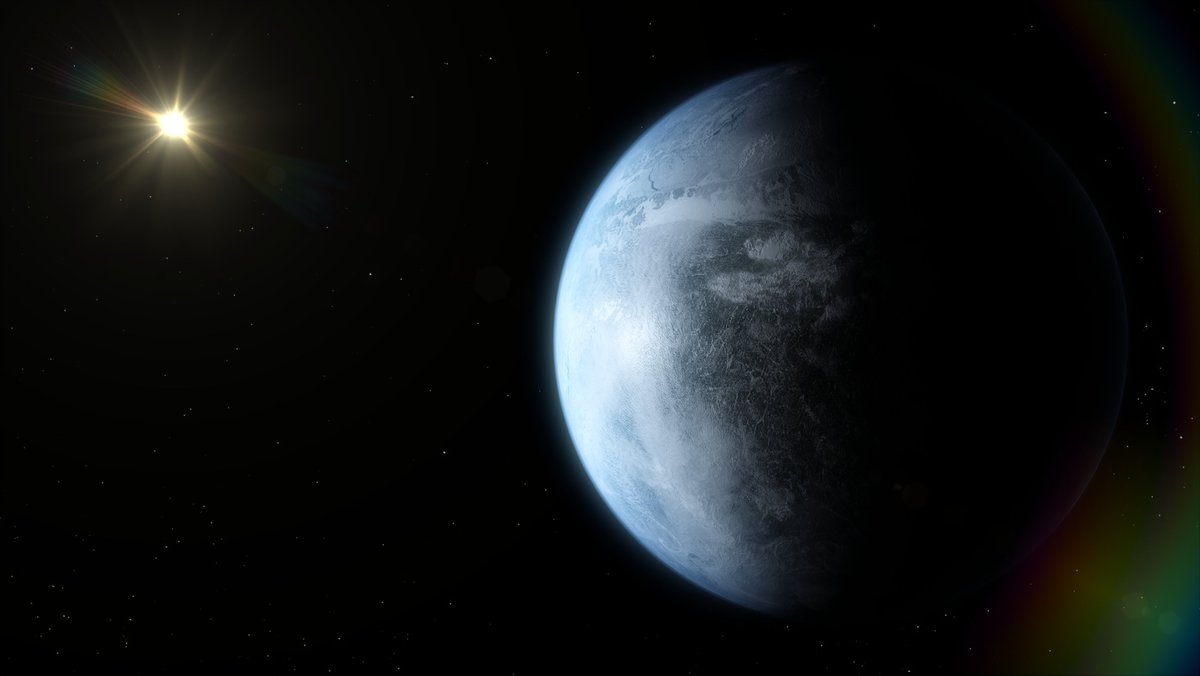
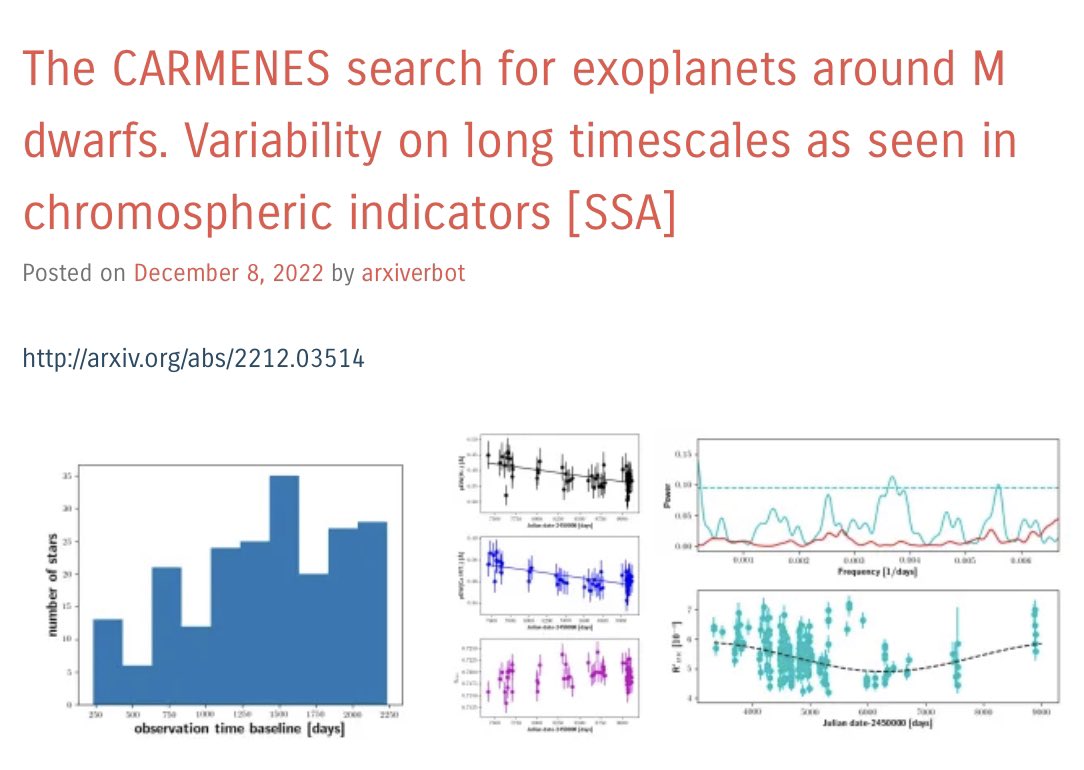
Today in astroph interesting paper studying systematic long-term activity indicators variability in a sample of 211 M dwarfs observed with @CARMENES_exopl + an independent search in archival R′HK data.
See: B. Fuhrmeister, et al. https://t.co/t4qSVkbT7H @CalarAltoObs
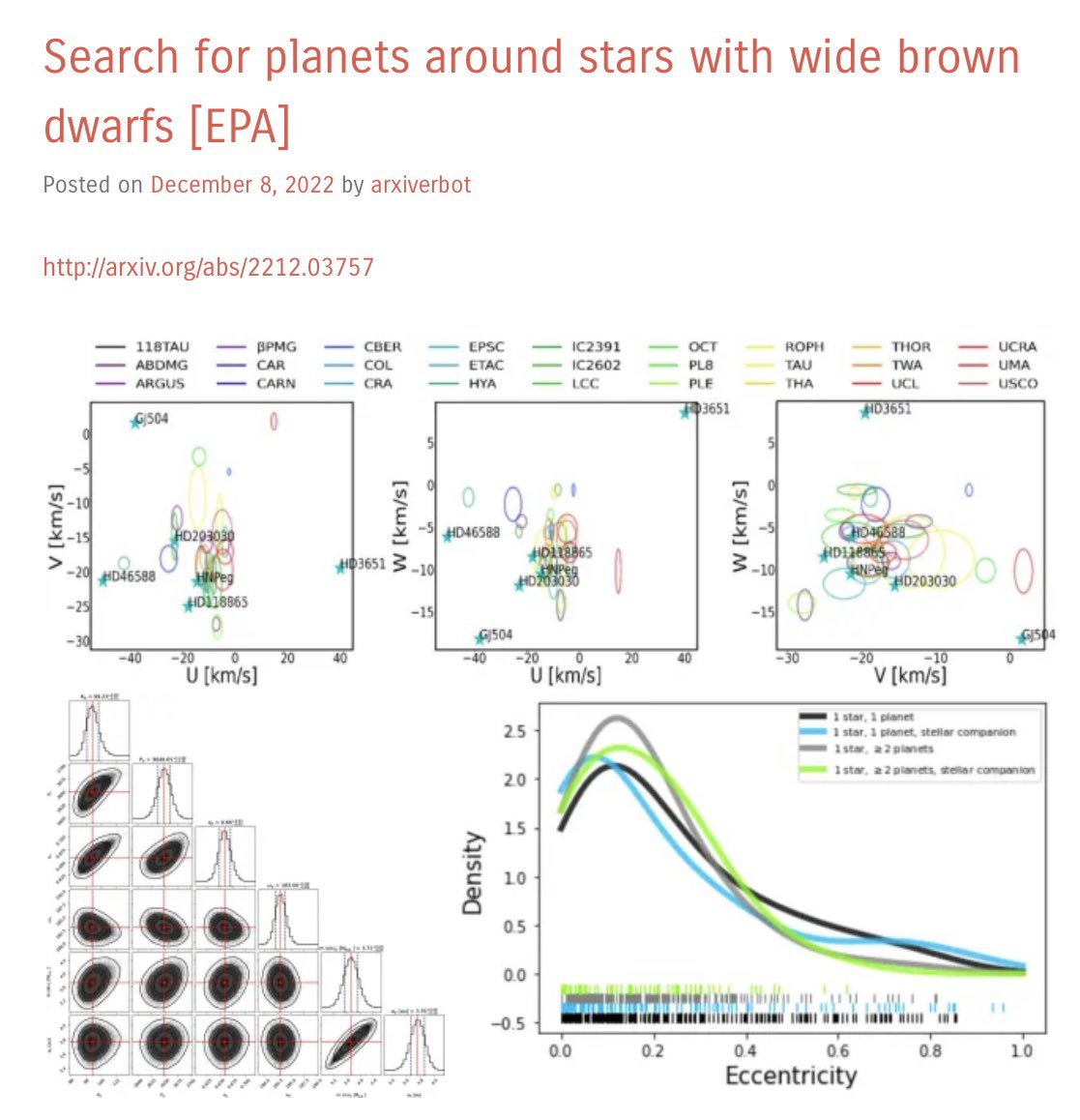
Today in astroph interesting paper using SONG @CARMENES_exopl and STELLA high-resolution observations to understand better the role of wide brown dwarf companions on planetary systems.
See: J. Šubjak, N. Lodieu, P. Kabáth, et al. https://t.co/zmbj4CFM8J @CalarAltoObs
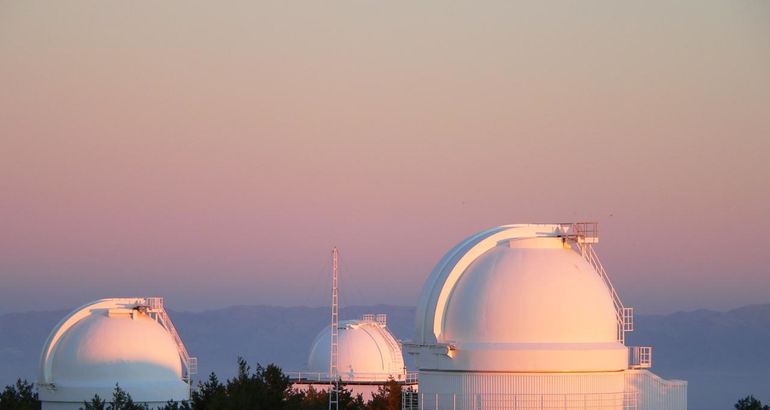
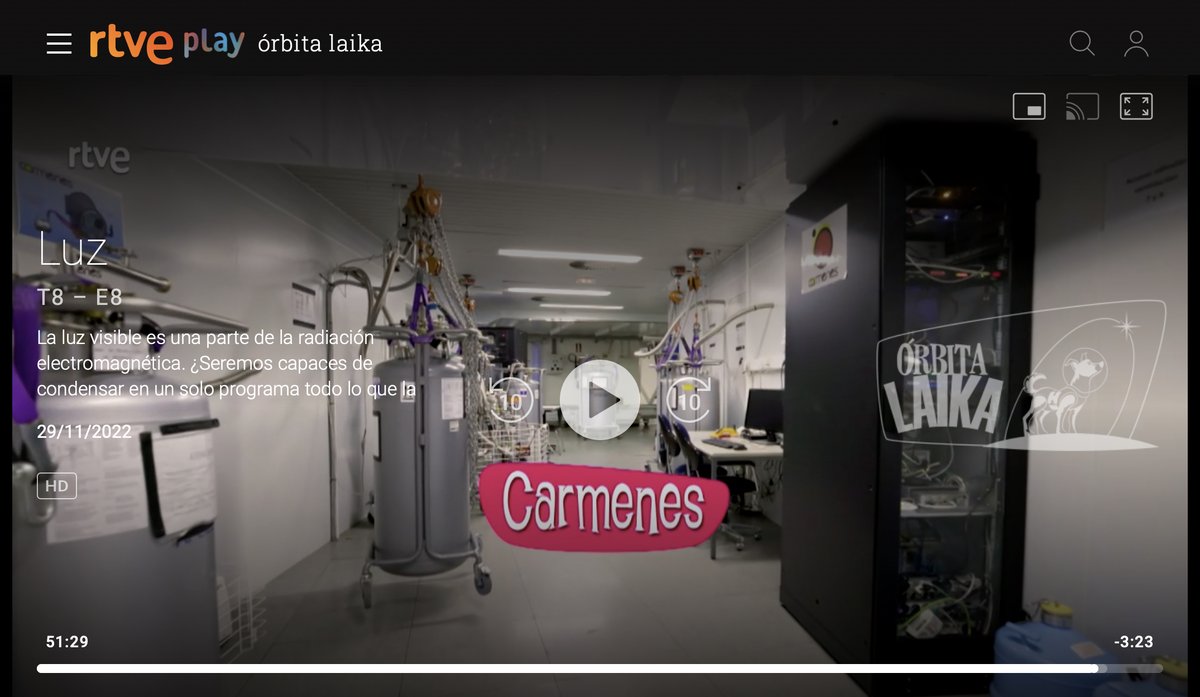
🔭En el reportaje de #OLLuz, @moureortega viajó al Centro Astronómico Hispano en Andalucía, también conocido como el Observatorio de Calar Alto, para descubrir cómo funciona su colosal telescopio.
¡Pon @la2_tve y no te lo pierdas!
@CalarAltoObs
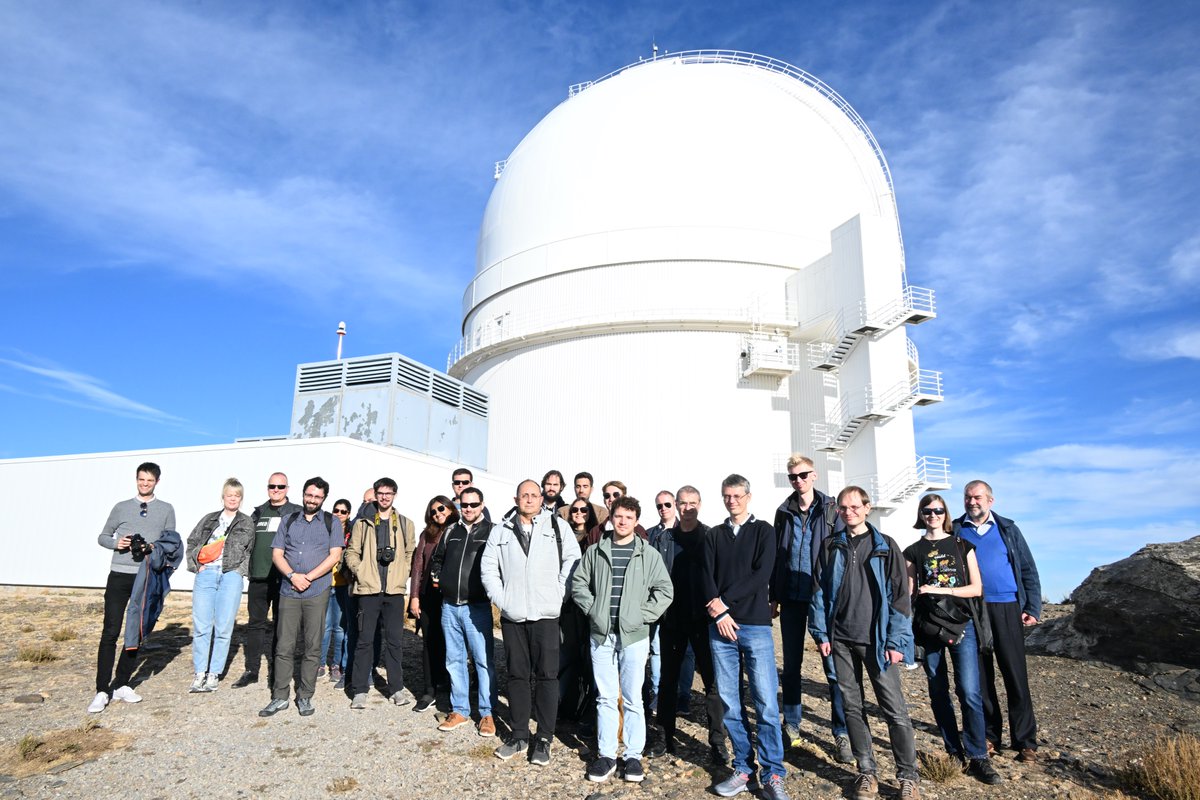
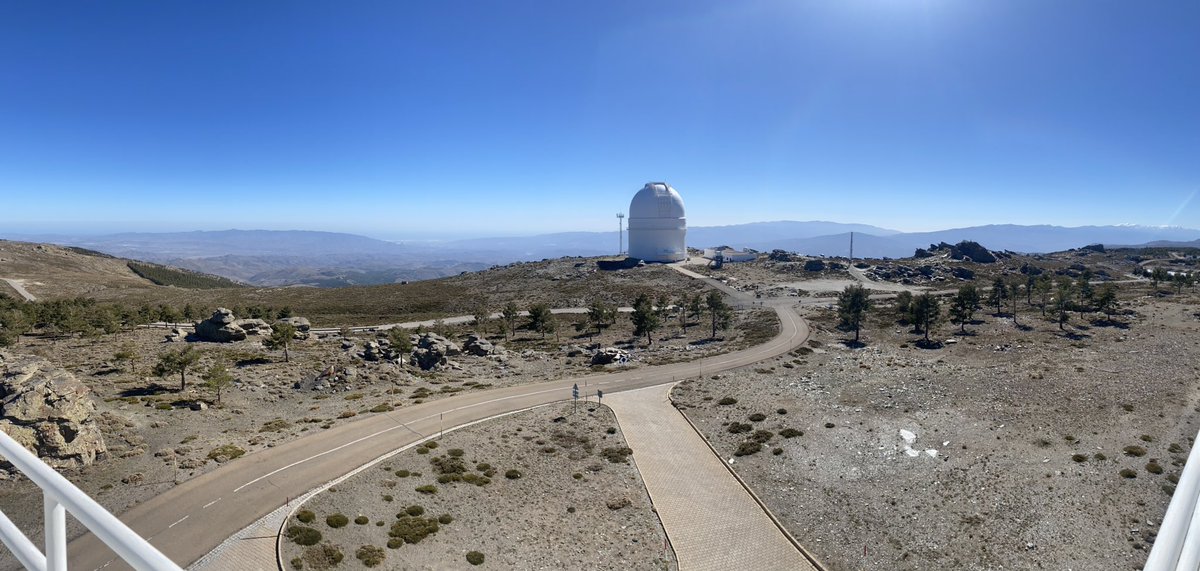
After the "17th CARMENES scientific meeting" in Almeria today 24 nov 2022 visiting @CalarAltoObs the 3.5m telescope and the place of @CARMENES_exopl instrument.
TARSIS, el instrumento con “acento andaluz” que buscará cúmulos de galaxias.
➡️Este tiene unas características únicas, según el Observatorio de Calar Alto.
https://t.co/eay8aLtcDO
@iaa_csic@unicomplutense@CalarAltoObs