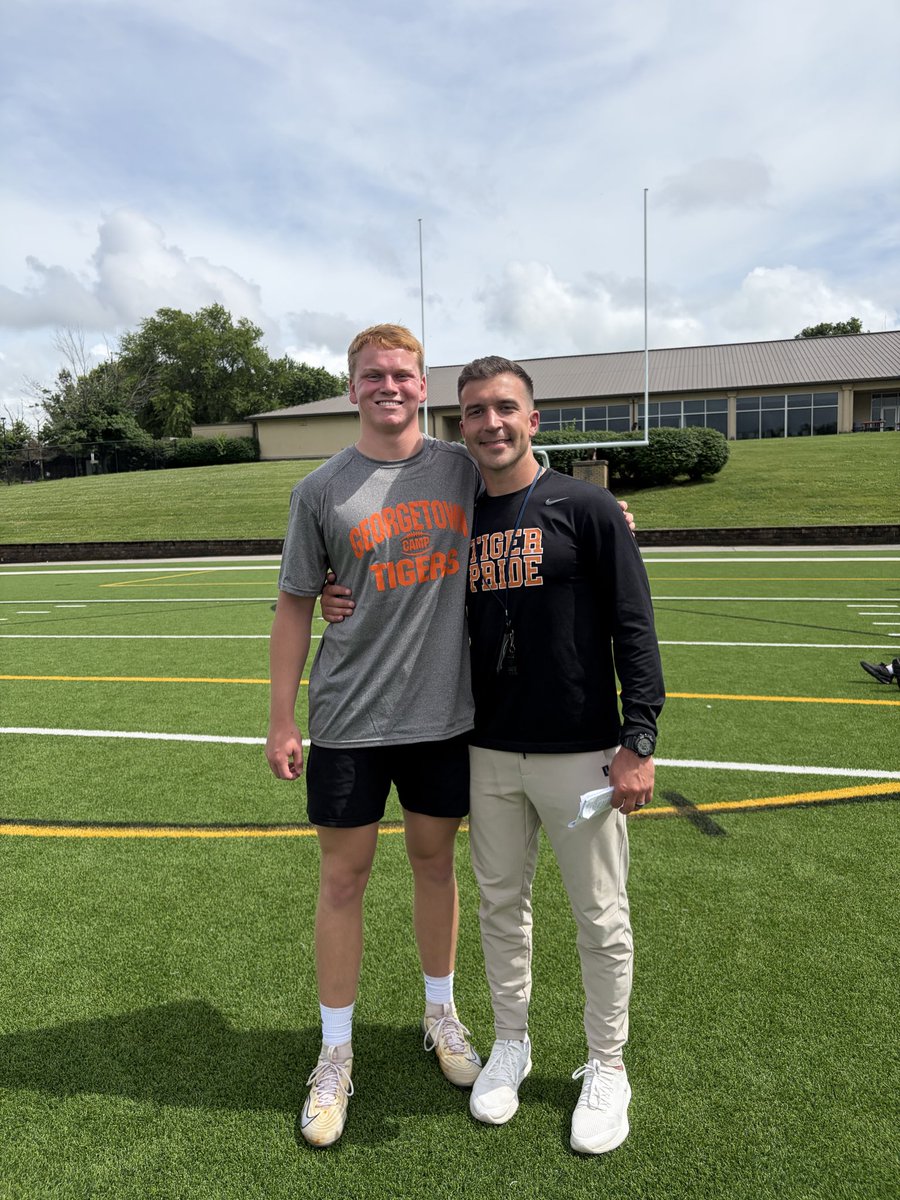
Having some fun talking @racersfootball this afternoon with the Voice of the Racers @RacerDave23 in Roy Stewart Stadium 🏟️ “The Concrete Cathedral” Racer Dave is walking encyclopedia of @MSURacers Athletics!! #GoRacers🏇 #Murray
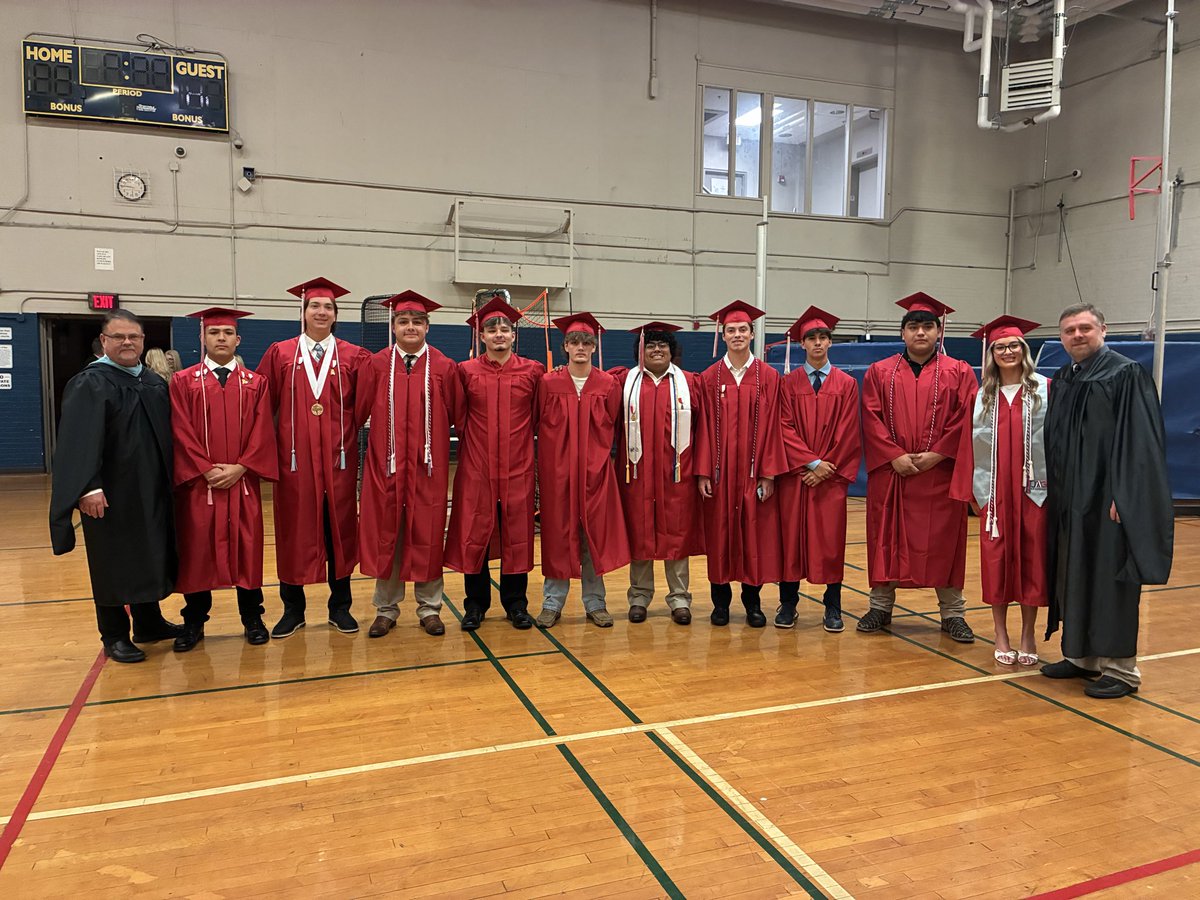
Officially brought season one to a close. This group came into their SR season 2-28… they chose to B.E.L.I.E.V.E. = Capped SR season with a winning record, 1st playoff appearance in 5 season and hit many more accomplishments. The path is being paved! #RiseUpGoGetIt
Just an update, I have accepted the job at McKendree University as the RB Coach. I would like to thank McKendree University for the opportunity to come and be a part of their program. I look forward to shaping these athletes into the top players in the conference and into great men. It’s time to get to work baby 💜😈
Pocket movement is not about escaping first.
The best quarterbacks understand how to move without destroying the structure of the play. A subtle climb, a quiet reset, or replacing the edge can be the difference between taking a sack and delivering the ball on time.
The objective is not to run from color. The objective is to maintain pocket integrity, keep your throwing profile alive, and give the concept enough time to declare. When the quarterback drifts, opens the door to pressure, or loses his base, the throw usually becomes harder than it needed to be.
Real pocket movement is disciplined. Move just enough to protect the throw, not so much that you abandon the read.
The pocket is not always clean. Your movement still has to be.
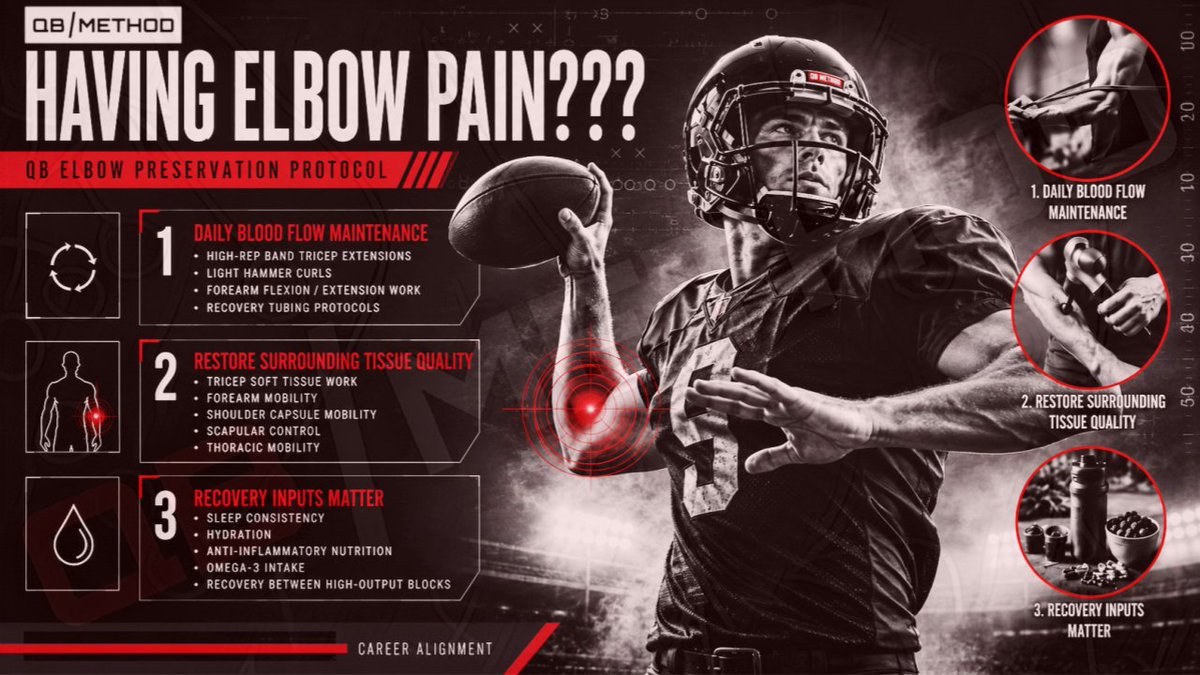
Elbow pain is rarely solved by simply throwing less. More often, it is a tissue quality, recovery, and workload management problem that has finally reached a threshold.
This protocol is completely anecdotal, but after implementing many of these recovery measures years ago, largely borrowed from the powerlifting world, I personally stopped dealing with elbow pain from throwing altogether. High-rep blood flow work, restoring tissue quality around the forearm and tricep, and taking recovery inputs seriously changed the durability of my arm long term.
Quarterbacks place enormous repetitive stress on the elbow through high-volume throwing. If the surrounding tissue loses quality, if the shoulder and scapular systems stop moving efficiently, or if recovery discipline erodes, force begins leaking into structures that were never meant to absorb that much repeated stress.
A strong arm is not just about velocity. It is about sustainability.
Daily blood flow work. Soft tissue maintenance. Scapular control. Thoracic mobility. Sleep consistency. Hydration. Anti-inflammatory nutrition. These are not flashy answers, but durability is usually built through disciplined accumulation, not shortcuts.