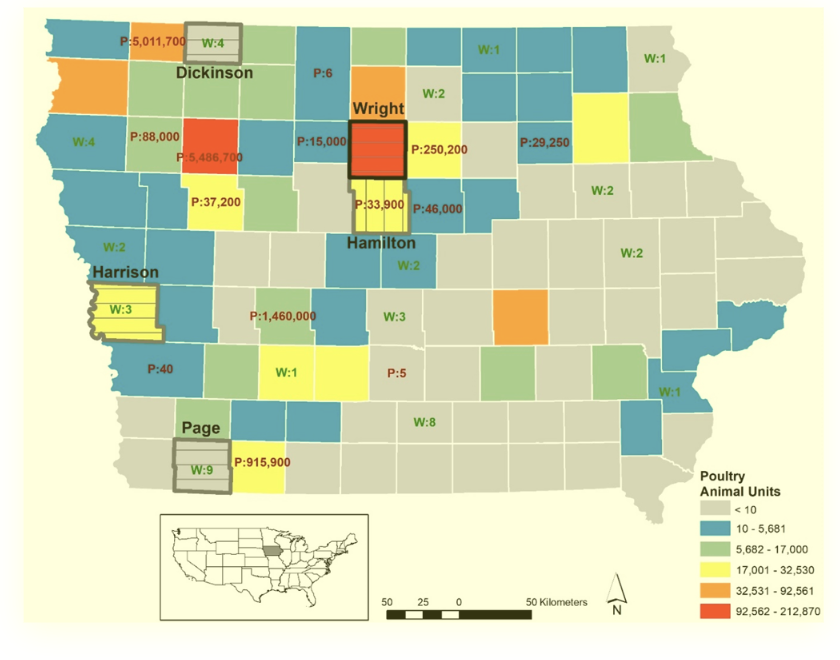
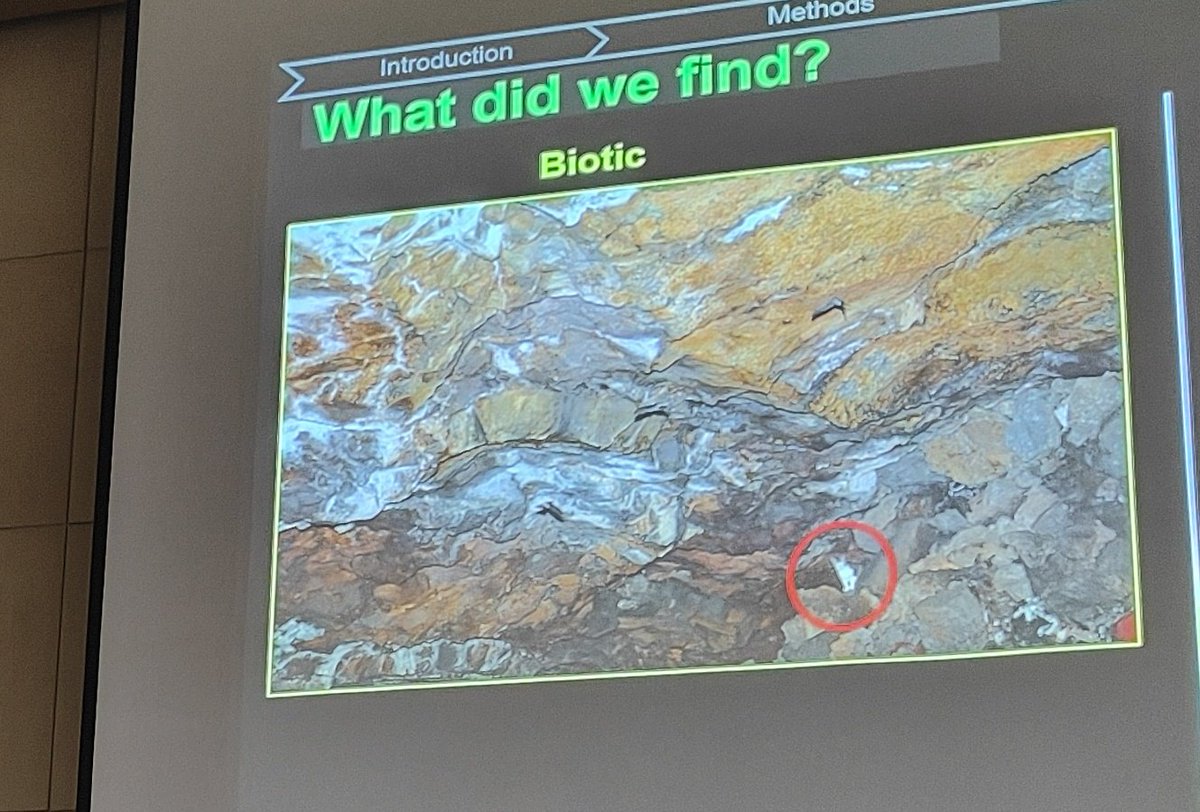
How long does HPAI last in the environment? Virus isolated from wetlands near HPAI outbreaks. One month later, no detection: increased water temperatures, precipitation, biotic and abiotic factors may have played a role.
👉https://t.co/se1oI5gEFS
🦇Le Petit Molosse de La Réunion 🇷🇪 est de sortie pour #Halloween
Les scientifiques #IRD et @UMR_PIMIT s’intéressent à l’écologie des chauves-souris et à la diversité des microbes qu’elles hébergent.
🎥Pour en savoir plus 👉 https://t.co/BcZV2fkVyc
#ODD#SDGs#ODD3#OneHealth
High connectivity between islands generated by non-breeding dispersive behaviours of brown and lesser noddies may be a major driver in the spread of avian influenza virus among tropical islands. Details available in https://t.co/N2hZzUGcPD @RSocPublishing. @UMR_PIMIT @UMREntropie
@AshmiBiologist@BatConIntl On Mauritius, domestic cats are visiting caves on a daily basis to prey on bats! This has serious implications for both conservation & zoonotic disease risk. Cats are a direct link between wildlife & humans, and thus a key bridge species for zoonotic disease spillover! #ICCB2023
Half back from summer break, time to share our newest article! We studied adaptive responses in growing, juvenile hosts (here: fish) under varying levels of parasitic exploitation, and in environments with contrasted food availabilities (1/5)
https://t.co/pAVjycfNRp
We looked for coronavirus in noddies and terns in four islands of the Western Indian Ocean. None of the 1513 samples tested positive. Couldn't find a descent journal to publish this negative result, but the (very) short report is available here: https://t.co/WBYlCX8sFZ
@DuckSwabber@RTarlinton My first guess would rather be a sampling bias toward adults and early during the breeding season (before hatching). If CoV transmission is seasonal and driven by population immunity we need to investigate in juvenile birds. Development of serological tools is also needed...
@DuckSwabber Thank you Michelle ! Not sure that it could be an island effect (isolation by distance) as we detect other viruses in the same populations. Also @RTarlinton those populations are quite high: hundreds of thousands of Sooty terns for instance.
I was so excited to see my latest book in Exclusive Books, South Africa today! African Ark tells the story of where Africa's #mammals came from and their ecological roles. I also recently came across this flattering review of my book. See @kruger_magazine for the full article
New report of H7N9 avian influenza in camels. Other than humans (2013-2017), H7N9 has never caused mammalian infections (that we know of). The virus had mammalian adaptations (e.g. PB2 mutation), higher SA-α2 binding and mammalian cell replication.
👉https://t.co/BS4IhtcsDf
La finale régionale de Ma thèse en 180 secondes c'est maintenant sur le campus du Moufia !
Soutenez nos candidat.e.s en live sur notre page Facebook
https://t.co/FtlaqugXVx
We are recruiting! Do you want to do a PhD on avian influenza in wild birds? A four year position at Linnaeus University in Kalmar, SE Sweden. Viruses! Birds! Please spread this tweet in your channels.
https://t.co/UKYn06dAKO
🔈 New Publication!
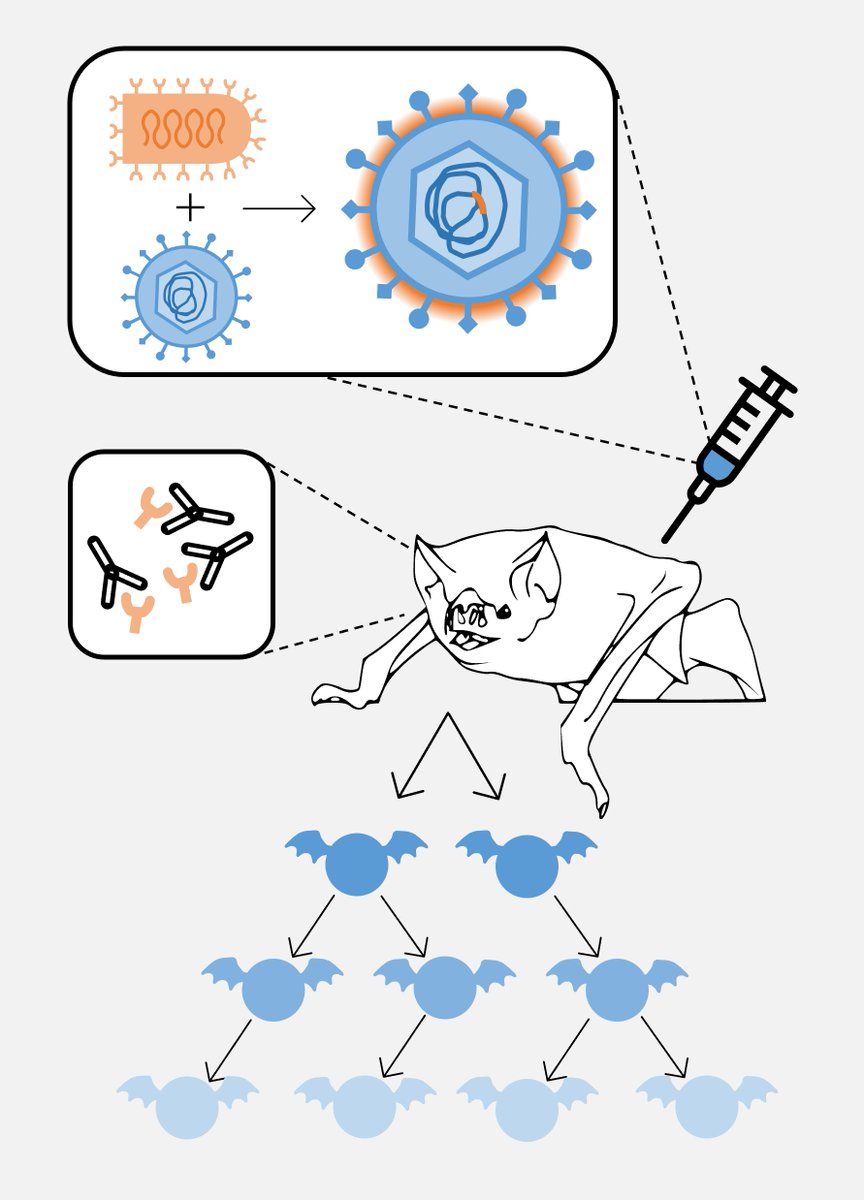
(🧵1/6) We are excited to share our new article exploring a #VampireBat betaherpesvirus as a transmissible #vaccine against #rabies, published in @PNASNews!
Read 👉 https://t.co/7bsoOSxOH1
#PNASauthor#CVRBats 🦇