Lappet-faced Vulture
The largest and most dominant vulture at carcasses, using its massive, powerful beak to tear through tough hides and tendons that other scavengers can't penetrate - often opening up carcasses for smaller vultures to feed.
#birds#birdwatching#birdsafari#KE
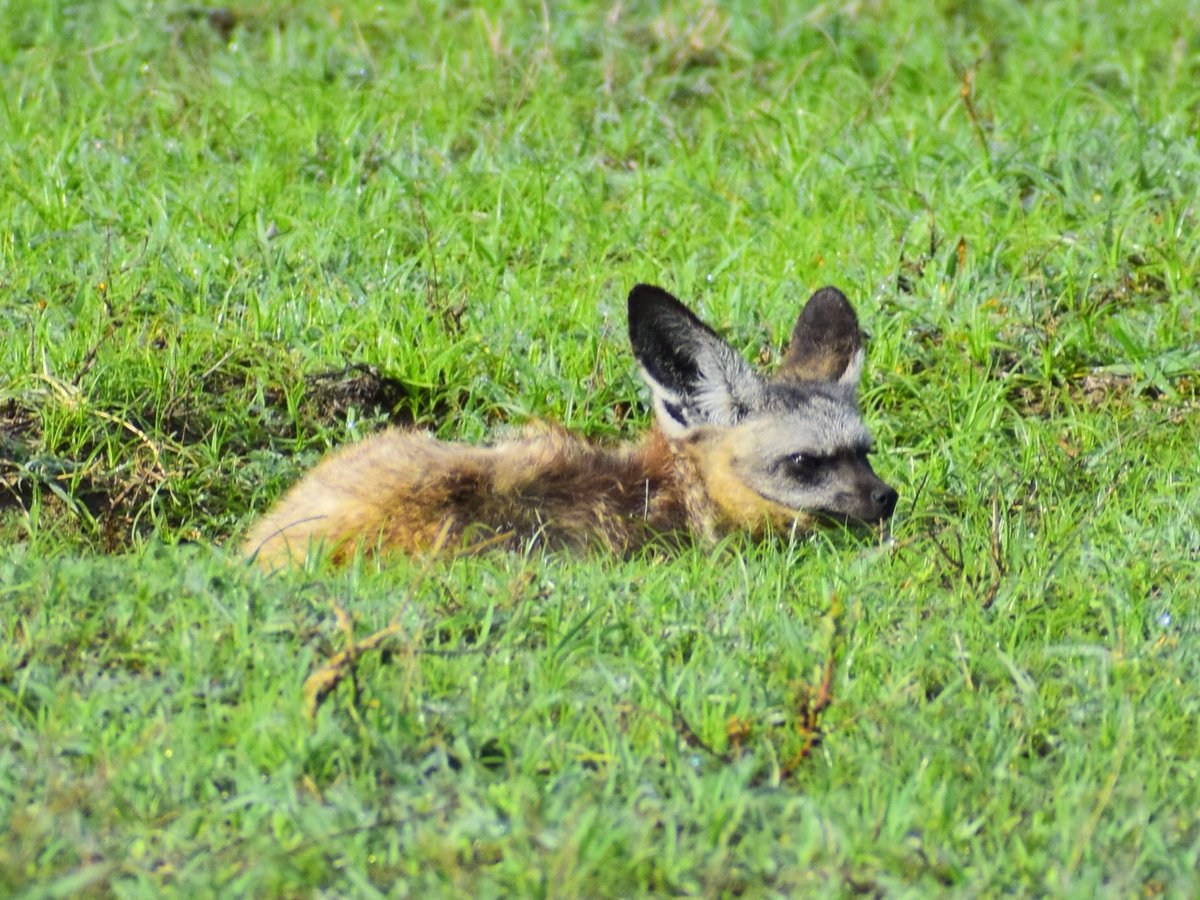
A Bat-eared Fox📷
As the name suggests, these foxes have extremely large ears in proportion to their small head, like bats. These foxes have an incredible sense of hearing — their large ears can hear beetle larvae hatching from dung balls!!
#batearedfoxes#wildlife
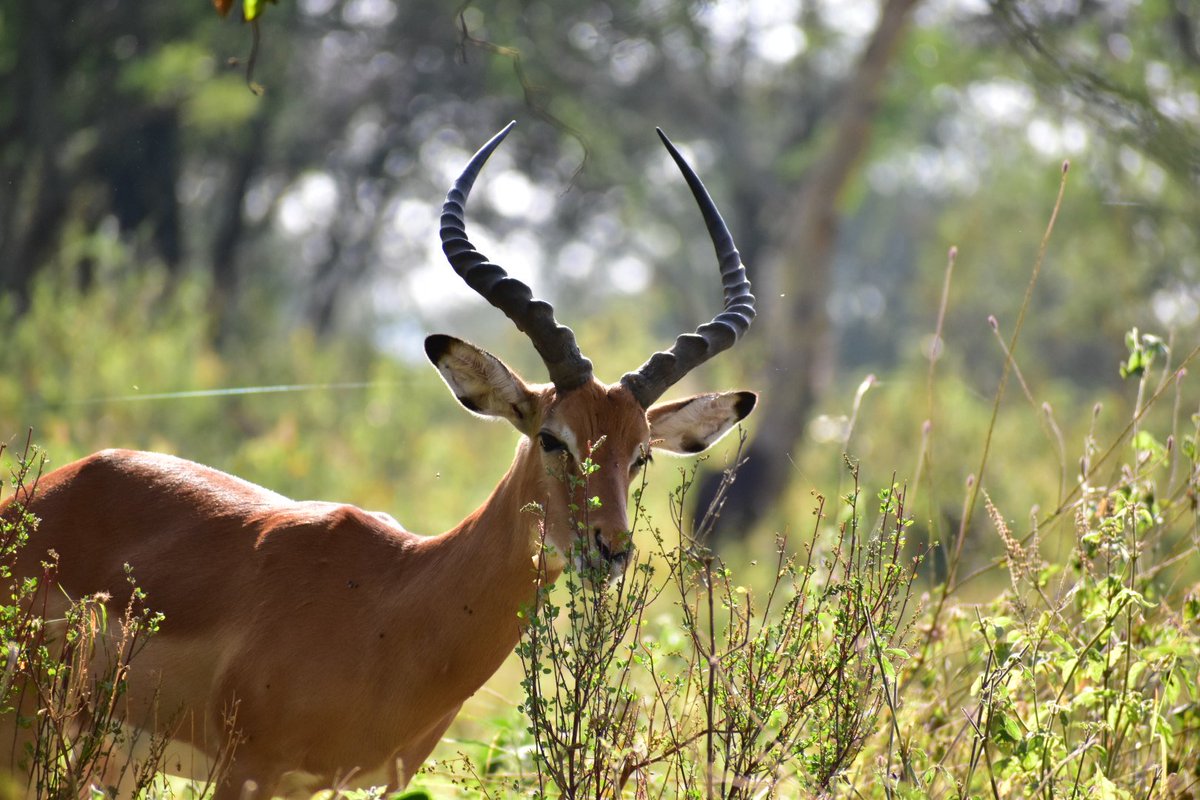
A male Impala browsing. Browsing is a type of herbivory in which a herbivore feeds on leaves and soft shoots of shrubs. This is contrasted with grazing, usually associated with animals feeding on grass or other lower vegetations #browsing#herbivores#mammals#eastafrica#safari
Noble Swallowtail (Papilio nobilis) is one of the largest species of butterflies. Swallowtailsget their names from the "tails" on the back edge of their wings that remind people of forked tails of swallows. #butterflies#lepidoptera#swallowtail#nobleswallowtail#kenya#Africa
The African Elephant is the largest African mammal; its characterized by its long trunk, large rounded ears and two tusks that extend from the upper jaw. Several subspecies have been described, but only the larger Savanna and the forest races are recognized. #elephants#Kenya
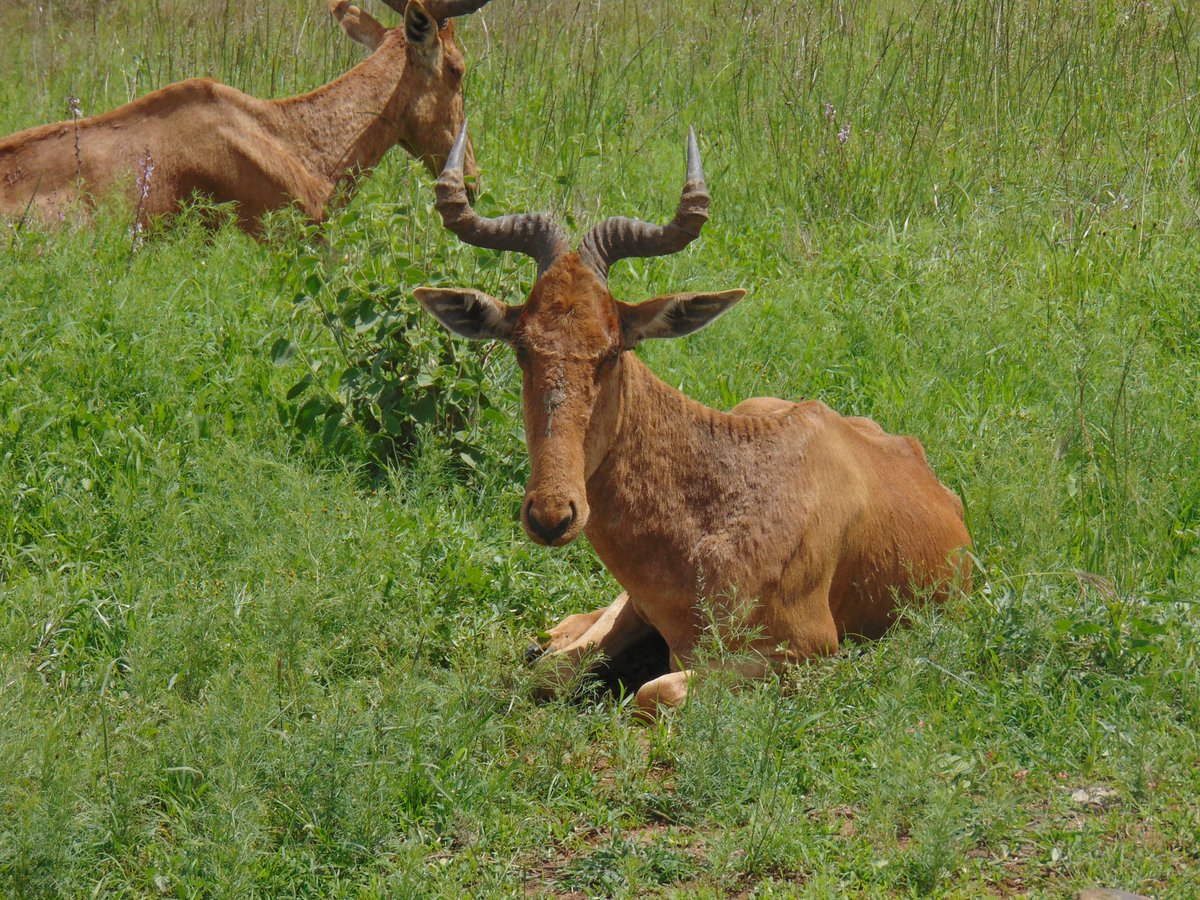
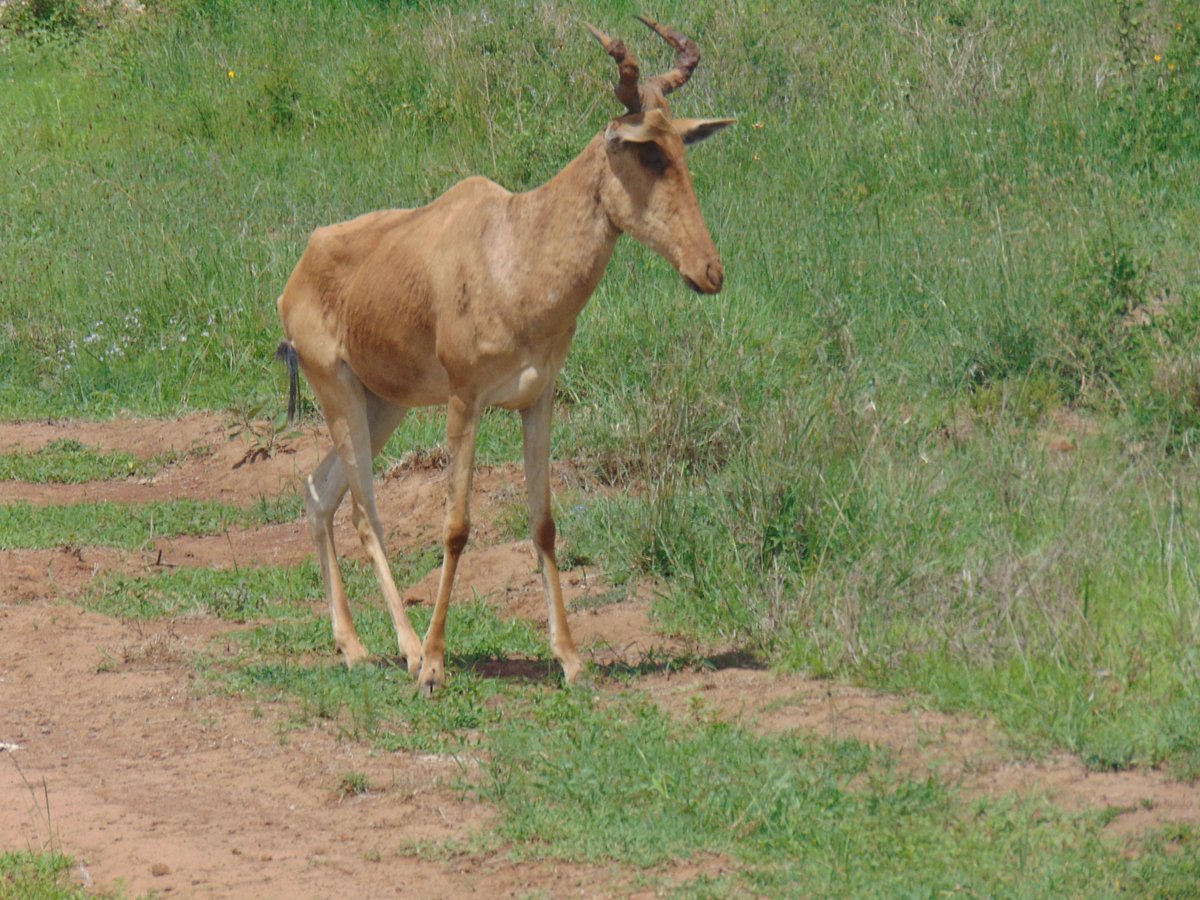
A Corke's Hartebeest (Alcelaphus buselaphus cokei). Six different races of the hartebeest group are recognized. All races have very similar body build, habitat requirements among others. They are mainly separated by coloration, distribution and horn structure#hartebeest #corke's
A White Stork (Ciconia ciconia) in the Riftvalley of Kenya. White Storks breed in the Palearctic and fly south from their summer breeding grounds in Europe, heading for Africa. Birds move from areas of low or decreasing resources to areas of high or increasing resources. #birds
The Secretary Bird (Sagittarius serpentarius) is sitting on its nest; the nest is built at the top of a thorny tree, and a clutch of one to three eggs is laid. This bird is classified as endangered by the IUCN, with the main threat being habitat loss. #secretarybird#birdwatching
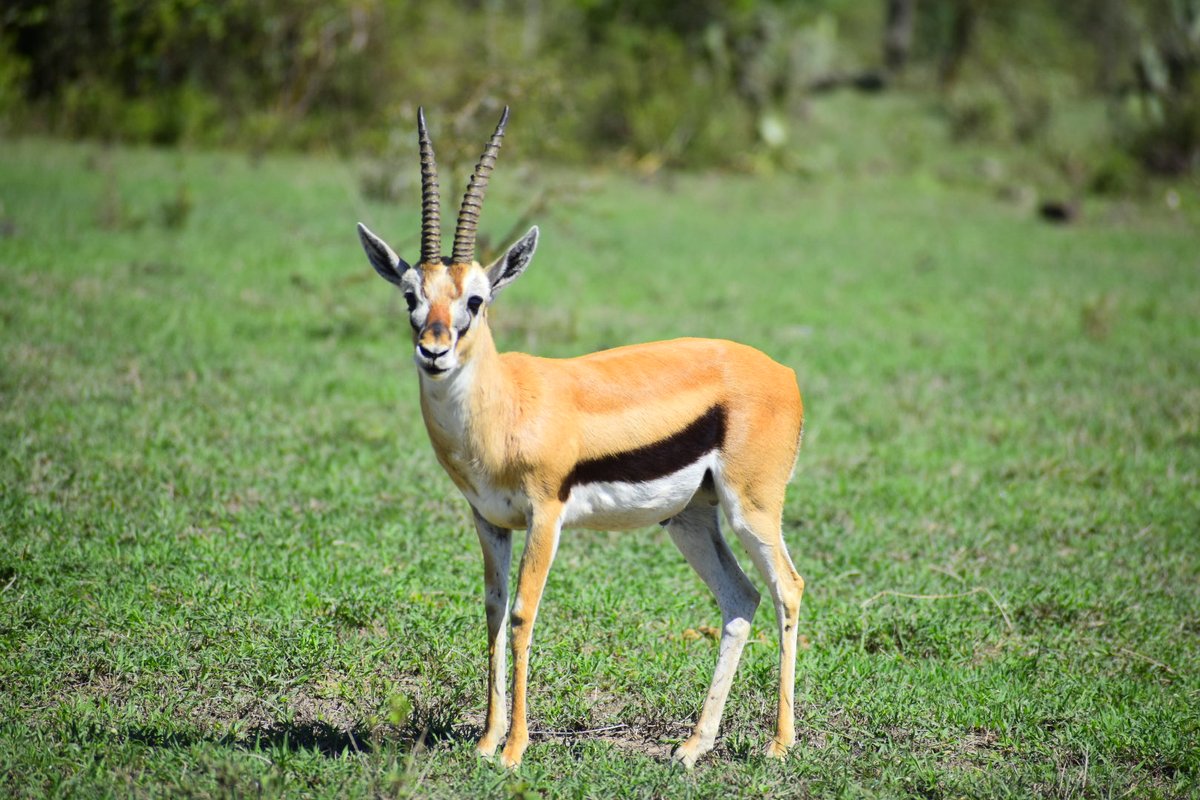
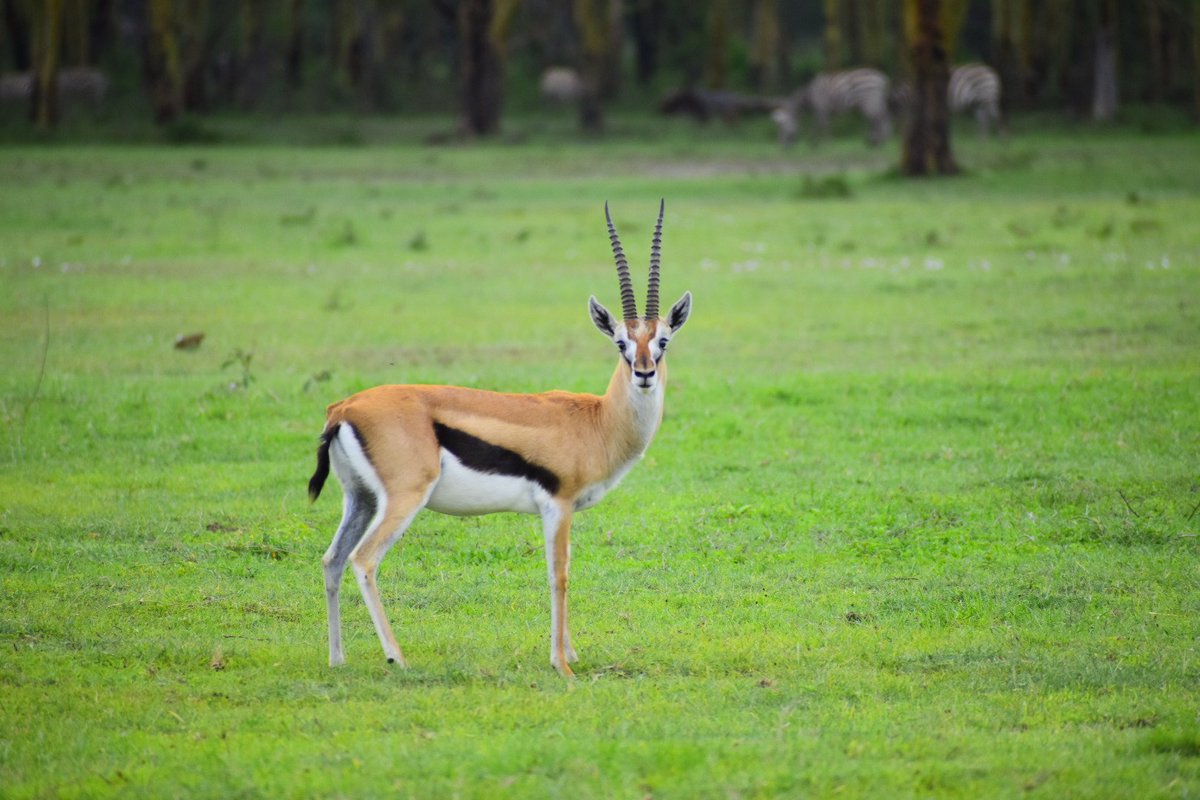
📷Thomson's Gazelle (Eudorcas thomsonii). Thomson's Gazelle is named after the Scotish explorer Joseph Thompson; he was the first European to explore several regions of Eastern Africa and the first European to note the existence of Lake Baringo. #kenya#africa
A female Defassa Waterbuck listening carefully to its surroundings: Hearing is the universal alerting sense in all vertebrates, animals are able to hear events all around them, no matter where their attention is focused. #Waterbuck#mammals#vertebrates#sense#kenya#eastafrica