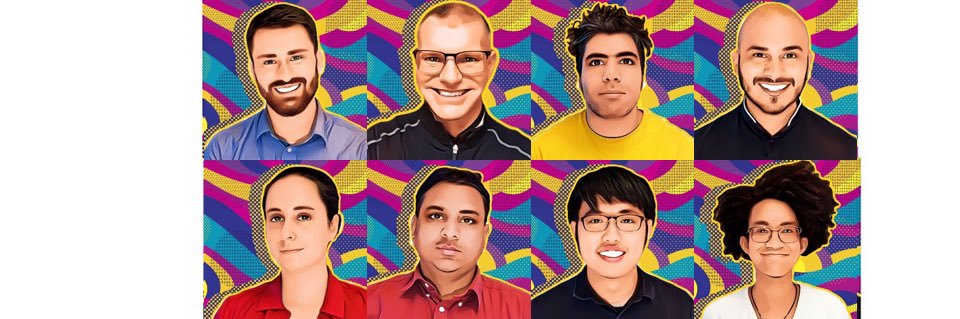
The Cameron & Arnold Lab has initiated a search for two post-doctoral scholars. One is in the area of molecular and cellular virology (at the single-cell level). The other is in the area of nucleic acid enzyme biochemistry and biophysics. All projects completed in the lab can move with those who choose to initiate an academic career.
The positions are posted here: https://t.co/u2usZ0zEya
https://t.co/ywAynKG0Rs
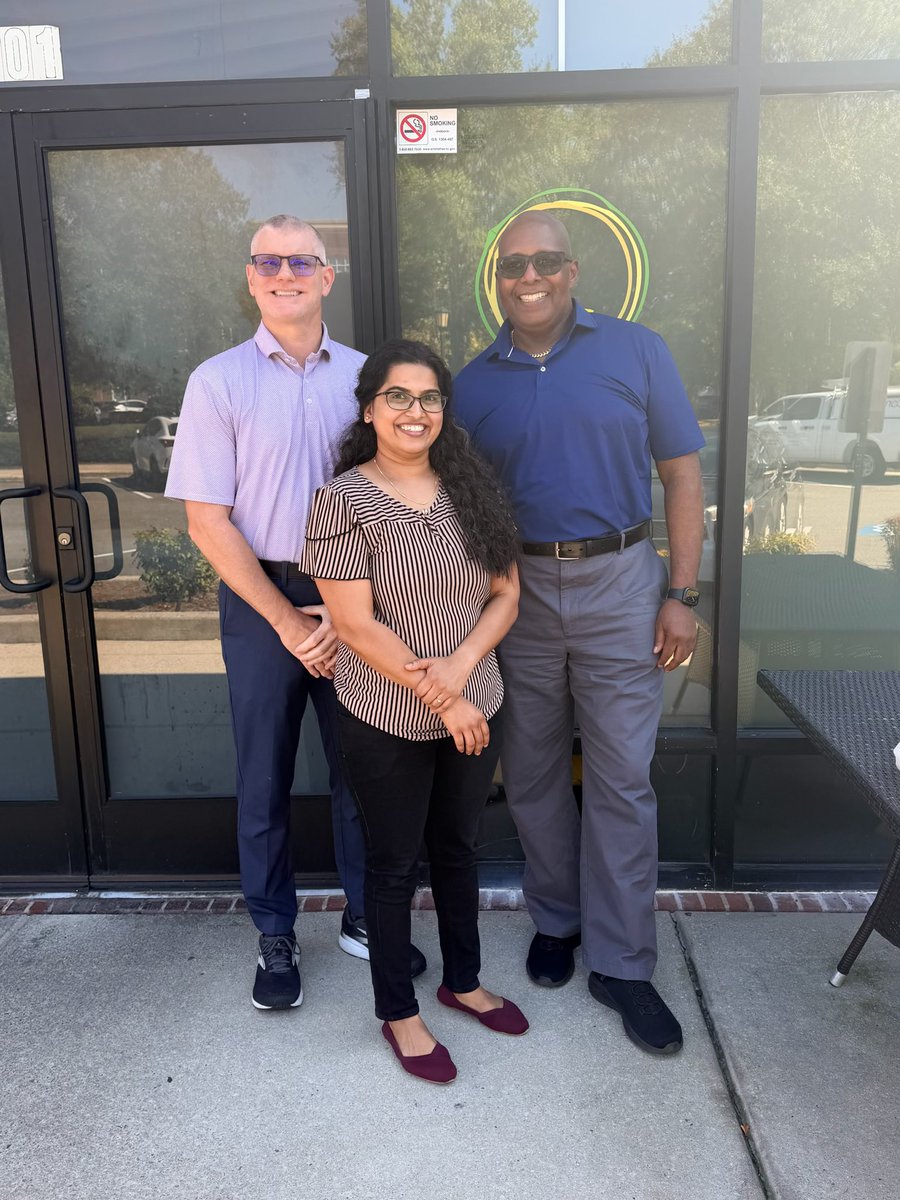
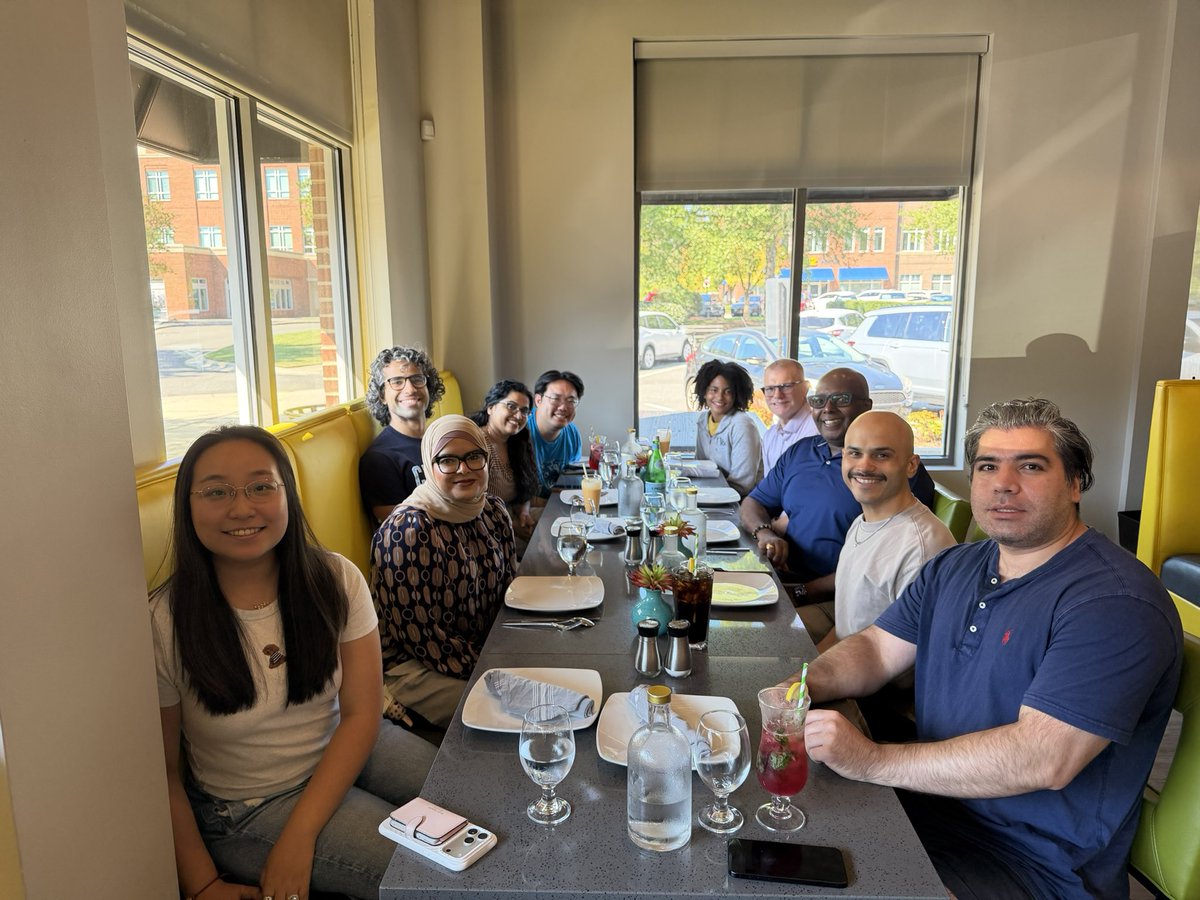
Today turned out to be a meeting-light day. I was able to squeeze in lunch with the group to celebrate Abha Jain’s new position as a Senior Scientist at Ten63 Therapeutics. We all wish her the very, very best!
Excited to share a new collaborative study with @Dulin_Lab, out now in Nucleic Acids Research!
We investigated how mitochondrial transcription termination factor 1 (MTERF1) acts as a directional roadblock to transcription. The key to understanding the mechanism was measuring the applied force accurately enough to resolve it.
The @Dulin_Lab approach calibrates the force on each individual bead in high-throughput magnetic tweezers, achieving precision up to 3%. Combined with improved DNA attachments that support measurements for up to 11 hours, this enabled us to characterize the molecular lock formed by MTERF1 and show that its stability depends on the direction of DNA unwinding.
The reach of this work extends well beyond mitochondrial transcription. Accurate force calibration enables researchers to reconstruct energy landscapes and distinguish mechanisms of protein–nucleic acid interactions. We anticipate broad value for the magnetic tweezers and single-molecule force spectroscopy communities.
https://t.co/jMHvsENCTW
#SingleMolecule #Mitochondria #Biophysics
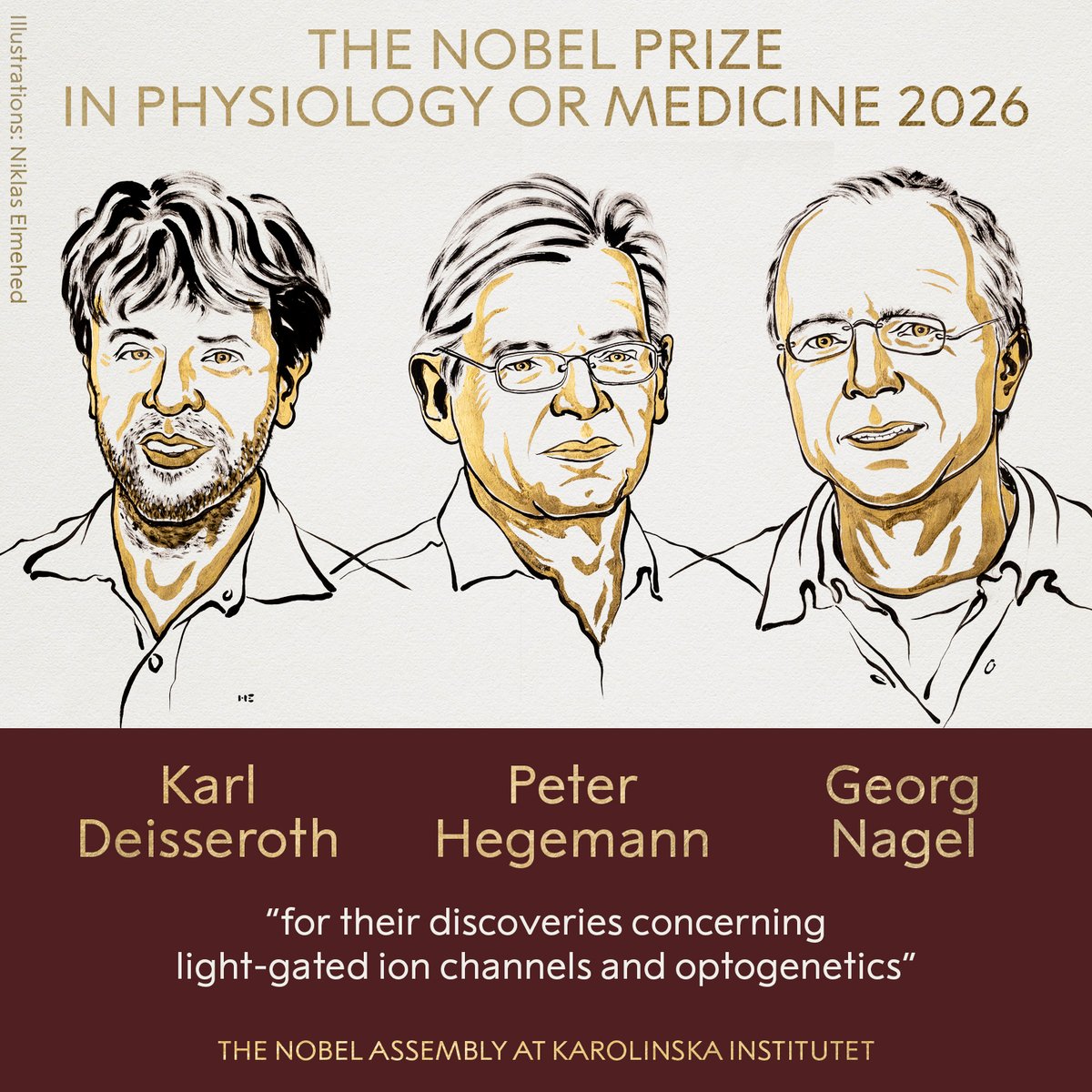
BREAKING NEWS
The 2026 #NobelPrize in Physiology or Medicine has been awarded to Karl Deisseroth, Peter Hegemann and Georg Nagel “for their discoveries concerning light-gated ion channels and optogenetics.”
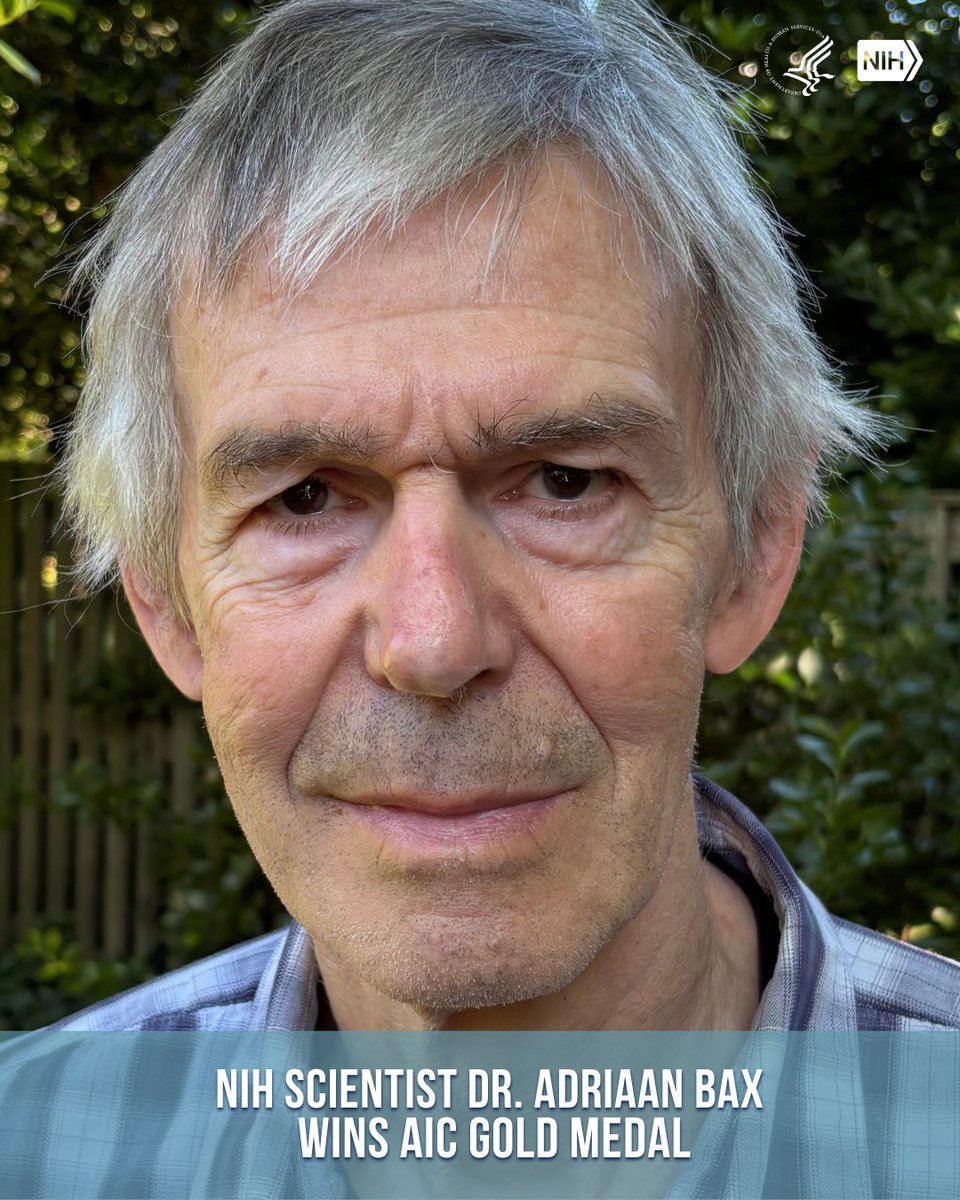
🥇Congratulations to NIH Distinguished Investigator Adriaan Bax, Ph.D., on receiving a gold medal from the American Institute of Chemists for his seminal work developing nuclear magnetic resonance (NMR) spectroscopy.
NMR is a versatile analytical tool chemists can use for revealing the structure and dynamics of biological macromolecules.
Learn more about Dr. Bax and his research ➡️ https://t.co/dN5tNxwQo6
I can hardly believe seven years have passed. Three more, then a sabbatical, and after that, back to science all day, every day, for as long as my mind is willing and able…
RIP Ada Yonath. I gave a commencement speech at UF a few weeks ago. Here is a passage inspired by Ada “Commencement speakers are also expected to give advice. I once heard Ada Yonath speak to a group of young scientists. She is the Nobel Prize-winning scientist whose work helped reveal the structure of the ribosome—the machine that makes every protein in your body. A young scientist asked what advice she would give. She replied,
"I have one piece of advice: Don't ask for advice." She was right.
You know yourselves better than I do. You should have confidence in your ability to solve your own problems. You made it here. The best predictor of the future is the past. You have already shown what you are capable of by being here today.”
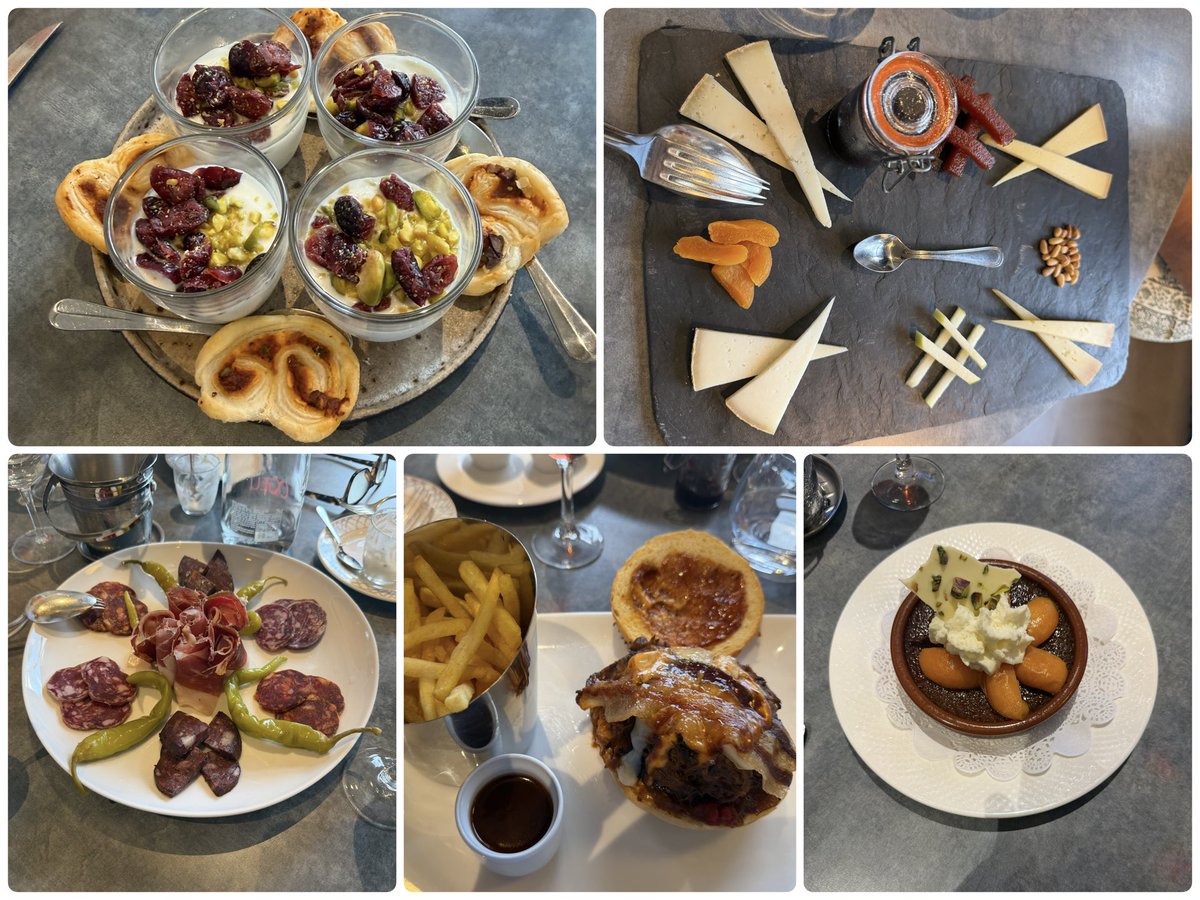
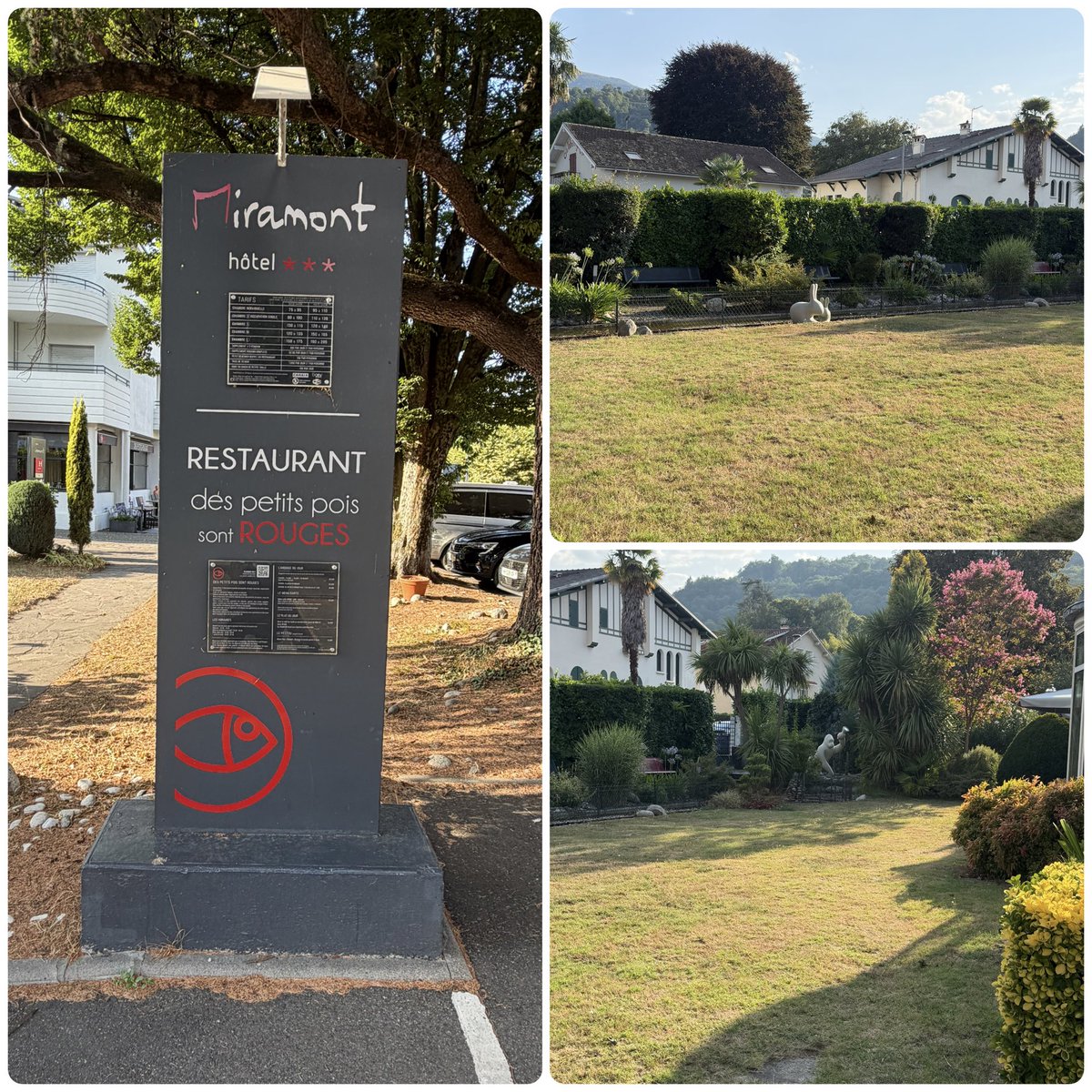
On Sunday, we had dinner at Des Petits Pois Sont Rouges, the restaurant at the Hôtel Miramont in Argelès-Gazost.
The meal began with a series of beautifully presented small bites, followed by a cheese board featuring cheeses from the Pyrenees with dried fruit, nuts, and preserves. Then came a generous charcuterie platter made entirely with Porc Noir de Bigorre. The assortment included several styles of cured pork, each with its own texture and flavor.
For my main course, I chose the Porc Noir pulled pork sandwich. It was filled with tender pulled Porc Noir, topped with a slice of Porc Noir bacon, onion compote, and a delicious barbecue sauce, then served with crisp frites. Rich, smoky, sweet, and savory…
Dessert was a chocolate crème brûlée, topped with whipped cream, apricots, and a delicate chocolate garnish.
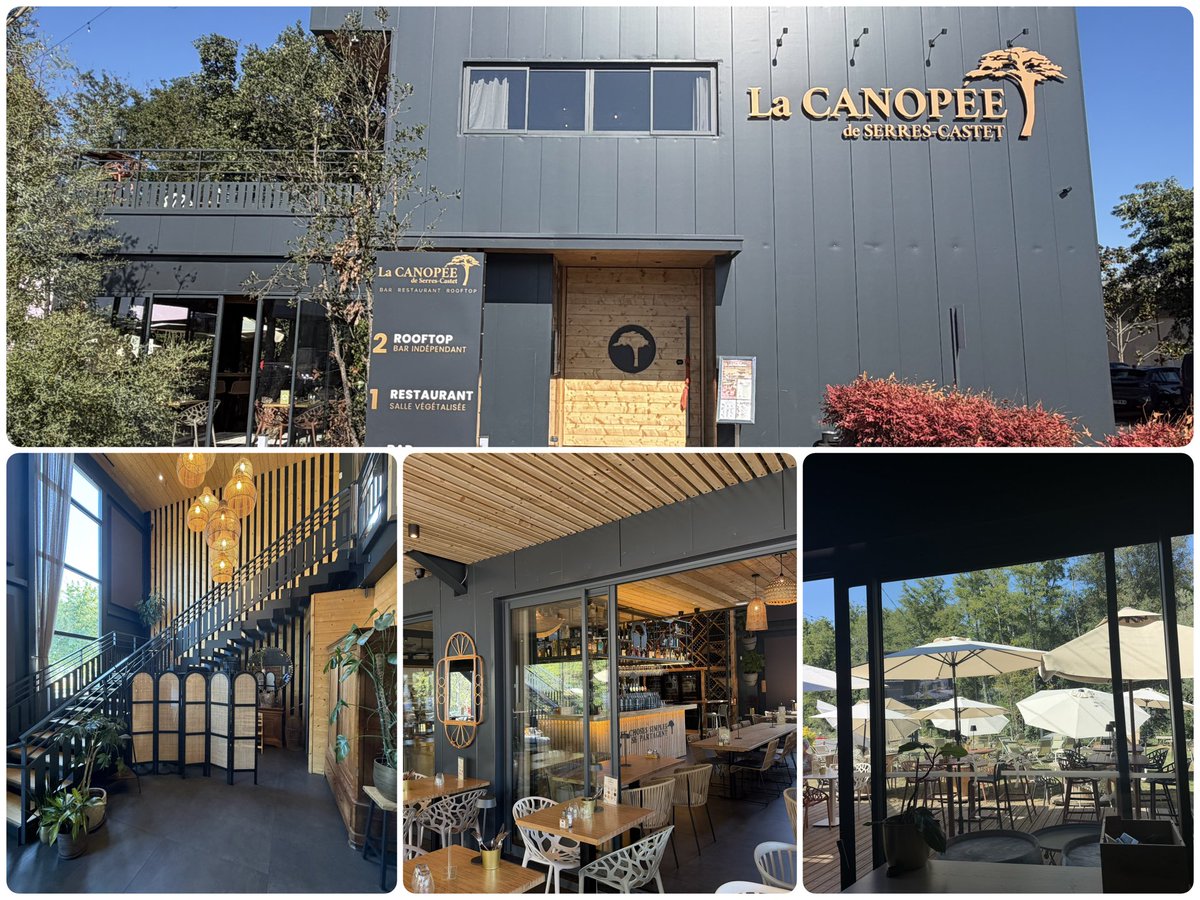
Well, our vacation in France is coming to a close. We checked into the one hotel near the airport for our 630a flight to Paris. It was cute, but the area was quite isolated.