CampaignTrackly has been featured in G2��s Summer 2026 Reports as High Performer in Data Governance & Smart Link categories..
Clean campaign data starts before the dashboard: https://t.co/B35jCfHZfW
#CampaignTrackly #G2Reports #DataGovernance #MarketingAnalytics
Are you paying for #clicks you can’t even see? 🕵️♂️ How to fix unassigned traffic in #GA4, #campaign tracking best practices, #UTM parameter mistakes, automated UTM generator, marketing data accuracy. #analytics#reporting
https://t.co/yXBbA1gQkh
Do you know the difference between ‘#taxonomy’, ‘#campaign name’, and ‘naming #conventions’? Here's why you should and how this impacts your #marketing bottomline:
https://t.co/6Zr6Fn1sAS
Before you trust your #GA4 reports… do this. Check for missing #UTM parameters, wrong utm_medium values, and duplicate campaign names. Because #GA4 doesn’t fix bad data—it just reports it. #analytics#reporting#data
Before you trust your GA4 reports do this: check for broken #utmlinks, missing #UTMs and other issues that deflates your capaign traffic: https://t.co/f2BiniNgf4 #marketingcampaign#googleanalytics
💾 Today in tech history, one of the most unlikely icons in computing quietly showed up for work — and accidentally changed everything.
In 1971, @IBM introduced the first floppy disk. It wasn't built for consumers, or even "users" in any modern sense of the word. It was a practical fix, a way to load microcode into mainframe storage systems without physically swapping out hardware. It held about 80 kilobytes of data. Today, that wouldn't cover a decent email signature.
Nobody was trying to invent a new category. They were just trying to make something easier. But once engineers realized you could move data this way — carry it, copy it, hand it to someone across a room or mail it across the country, the door cracked open to something much bigger.
Alan Shugart, who managed the project at IBM, eventually left to found Shugart Associates, which became the dominant floppy drive manufacturer and helped push the format squarely into the personal computer era. The original 8-inch disks were fragile and awkward, so the industry moved to 5¼-inch, then to the 3½-inch version with the hard shell and sliding metal shutter. That's the one most people remember. Tough enough to survive a backpack. Still somehow able to fail spectacularly at the worst possible moment.
By the 80s and 90s, floppies were everywhere. Software distribution, file sharing, backups all of it ran through them. Before networks reached most desks, people shared files by handing each other disks, which the industry charmingly called "sneakernet." If you were in tech back then, you remember labeling disks with names that made perfect sense at the time and zero sense a week later. And the creeping dread of a read error mid-install. Windows 95 shipped on 13 floppy disks — each one installed one at a time. More than 5 billion floppies were sold annually at the peak of it in the mid-1990s.
And then it faded, the way all utility eventually does. CDs, USB drives, then the cloud made the whole format feel quaint overnight.
What survived is the symbol. That little floppy disk icon still means "save" even on software used by people who've never held one, never heard a drive grinding through a bad sector, never had to label a disk at all.
Not bad for something that started as a workaround inside a mainframe lab and ended up teaching an entire generation what it meant to own your data.
@IBMResearch@IBMDeveloper
Do you know your #UTM Parameters? Here's a quick quiz for you + our free tutorials that will transform you into a PRO in a day: https://t.co/6Tp3nS0yRi
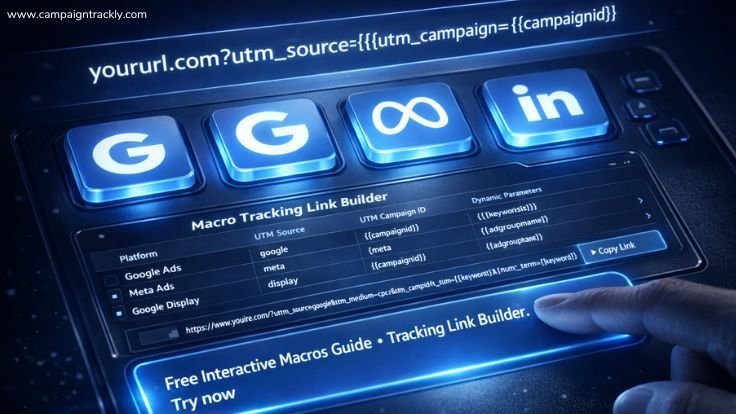
Try the Free #PaidMedia macro builder that creates your Google, Meta, Tiktok, & other paid tracking links. Get accurate reporting today: https://t.co/wJJJtga2yr
Do you know your #UTM Parameters? Here's a quick quiz for you + our free tutorials that will transform you into a PRO in a day: https://t.co/6Tp3nS0yRi
Don't launch campaigns blind. This 30-second walkthrough shows you the right way to setup your #UTM campaign separators.
✅ From "Unassigned" traffic to ROI
✅ Simple and Easy
✅ Prevent UTM links from breaking data today
Be honest… how many of you actually check your UTM structure before launching a campaign? 👀
If your #GA4#UTM data looks “too clean” — it’s probably wrong.
We built a free tool to check this → link: https://t.co/f2BiniNgf4