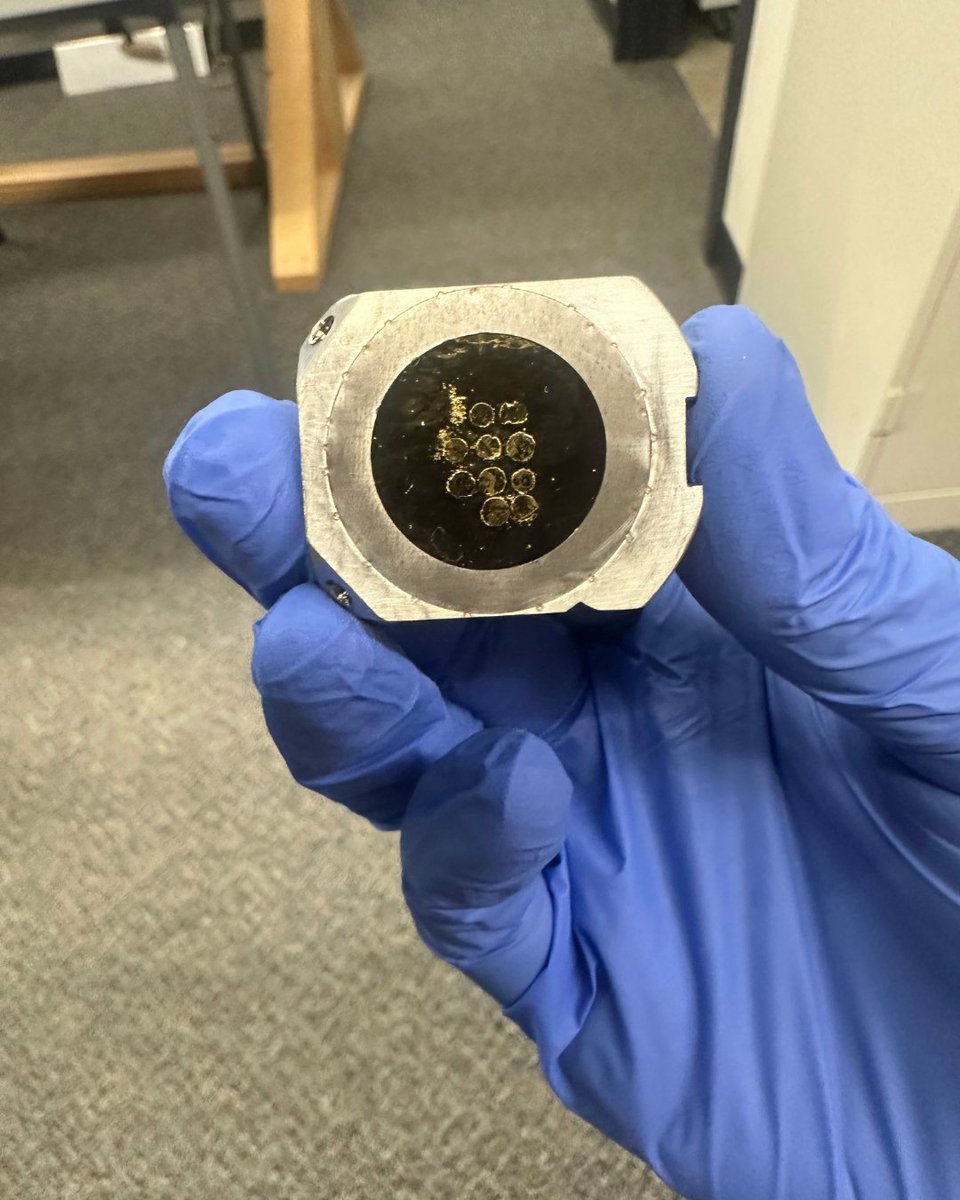
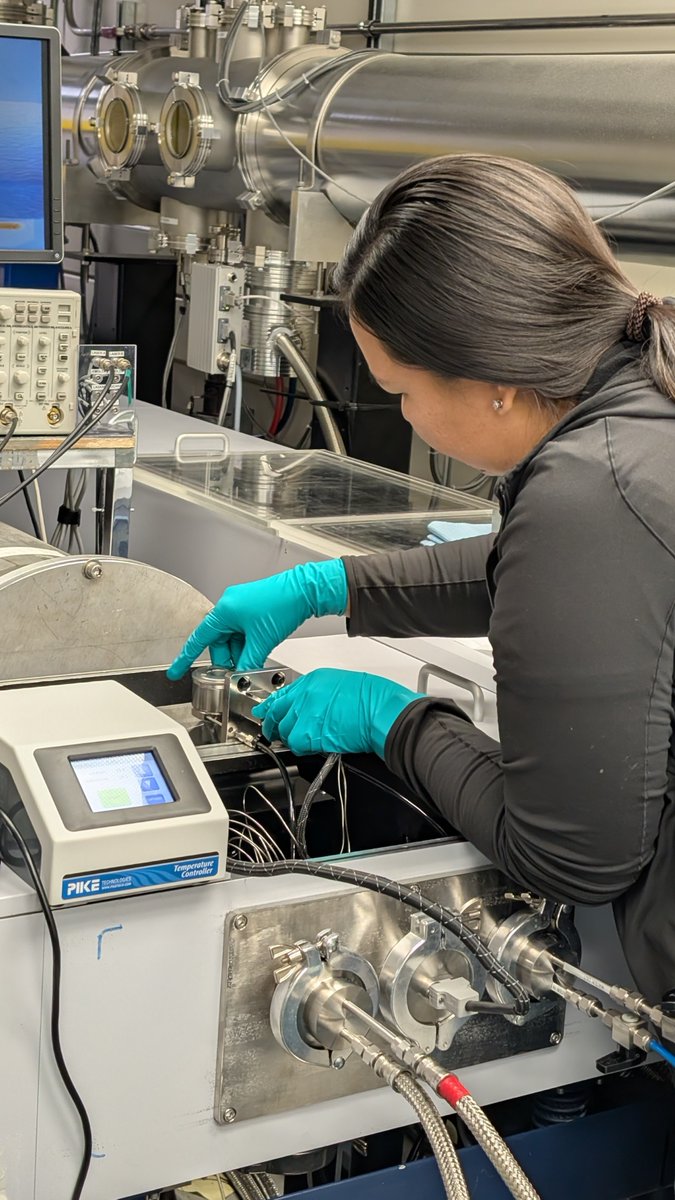
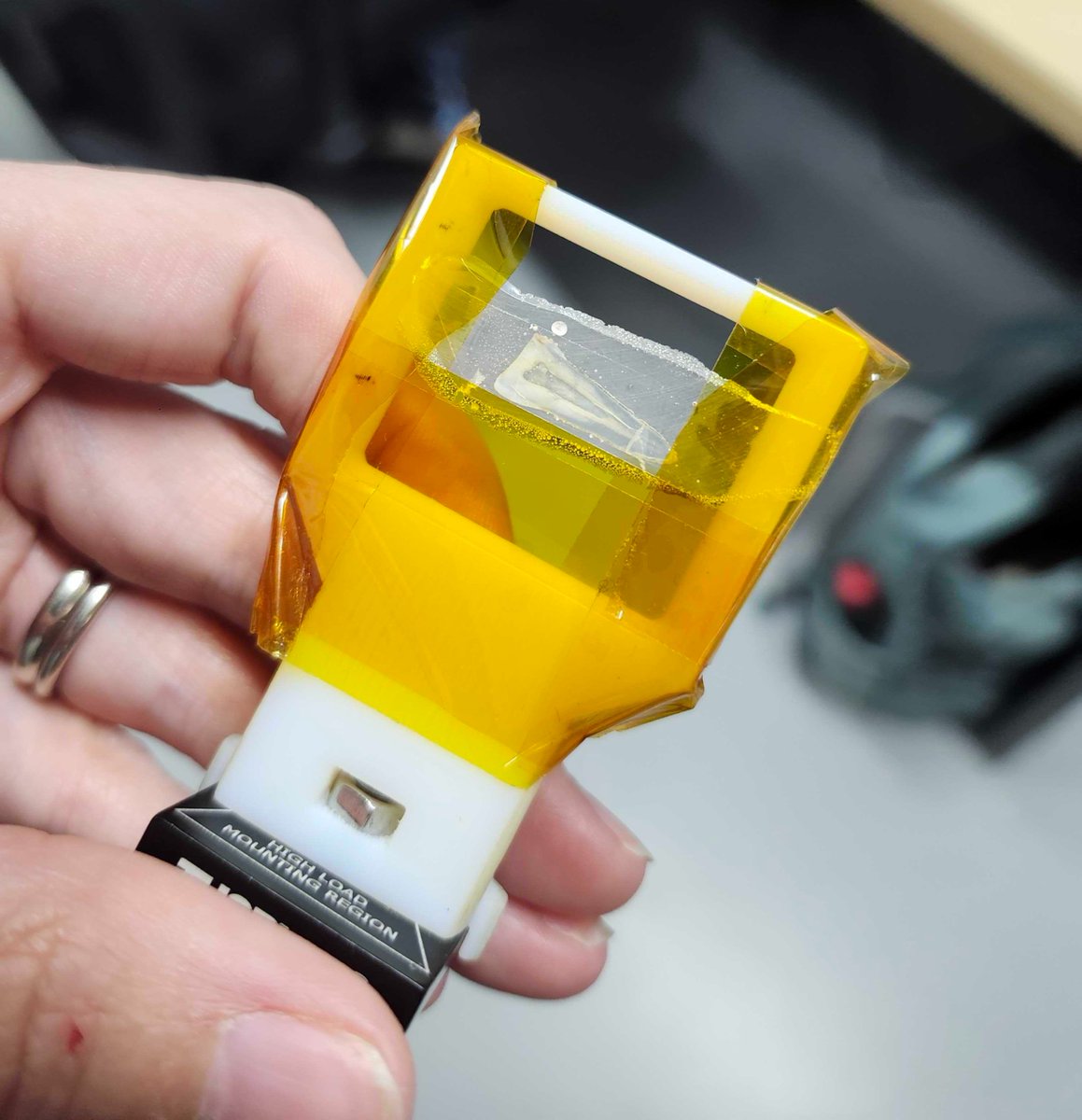
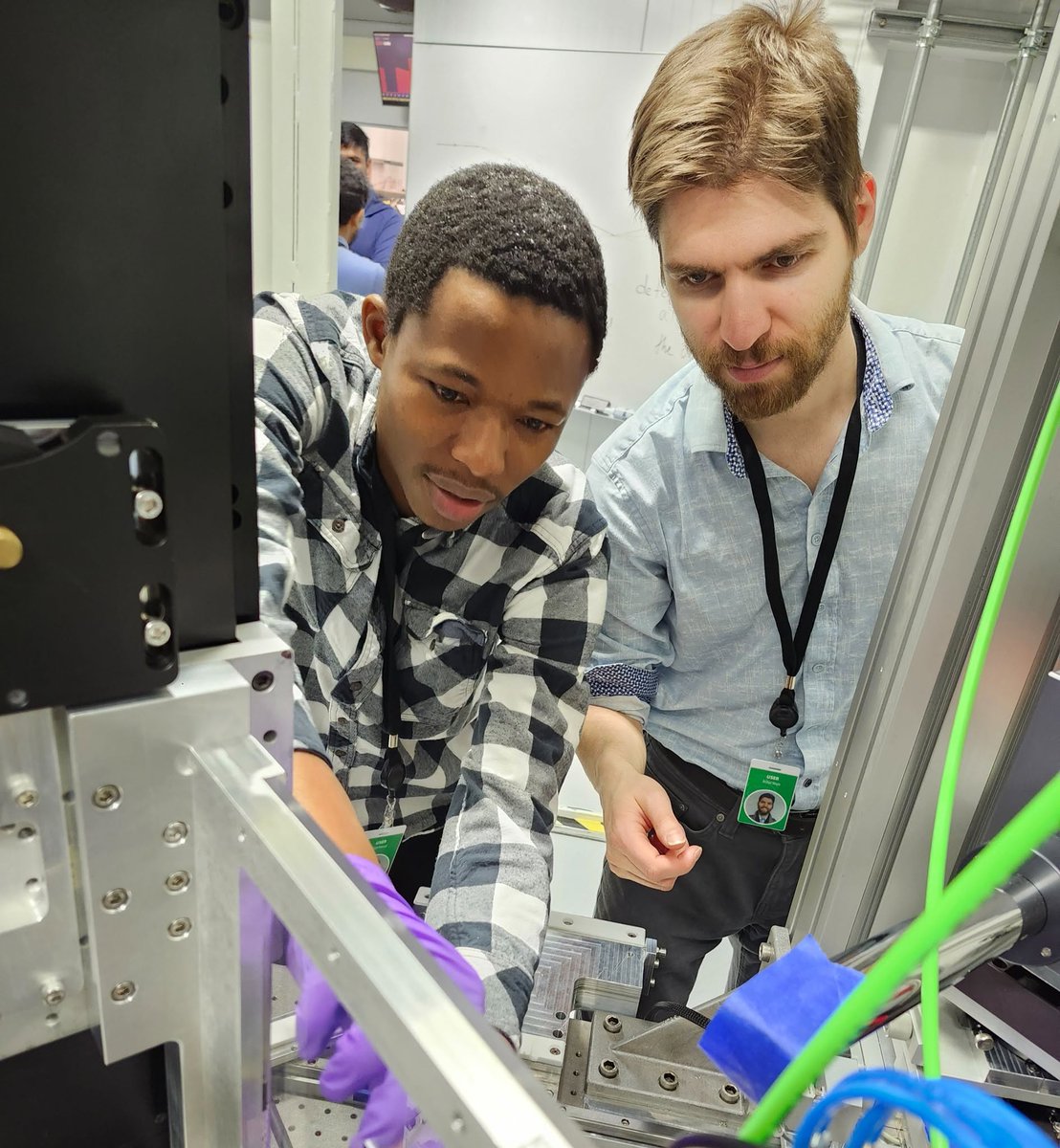
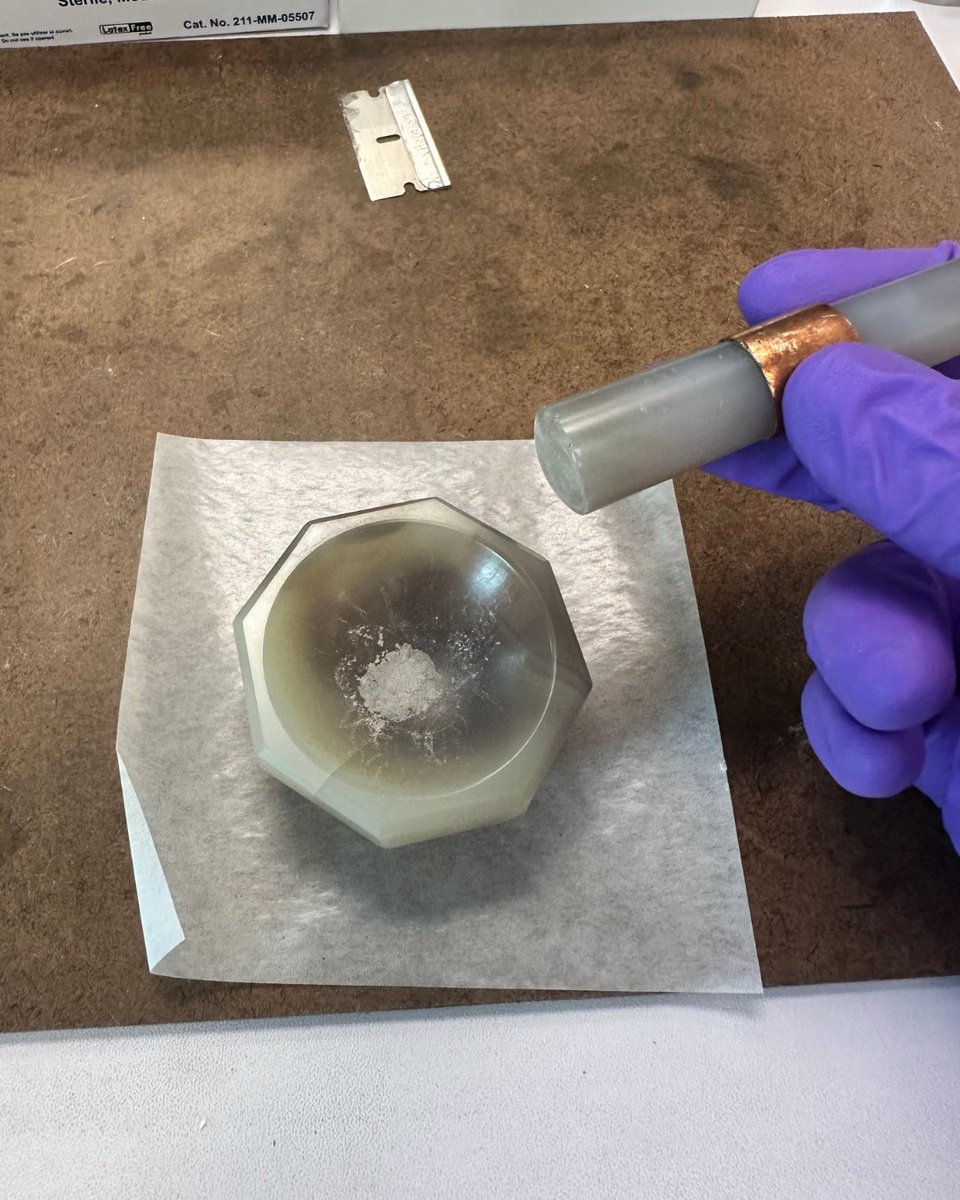
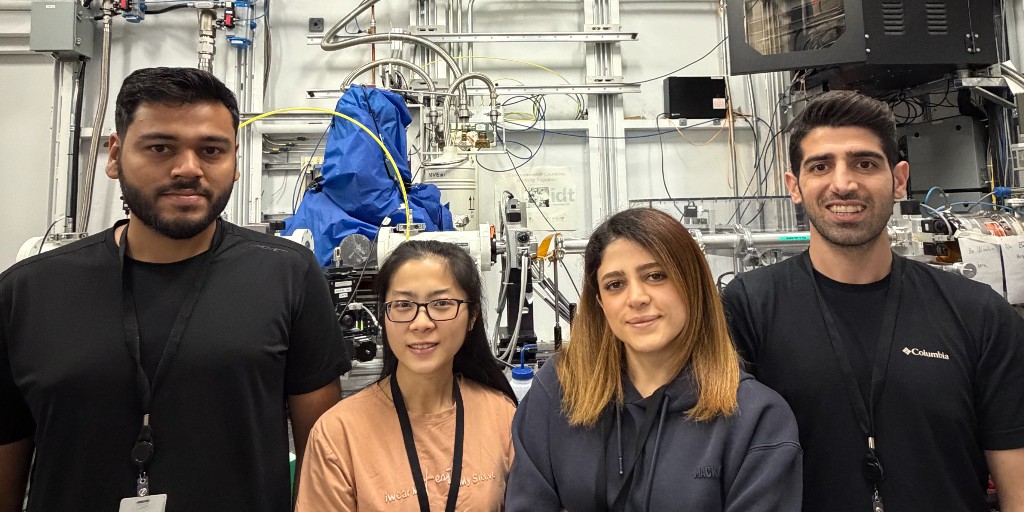
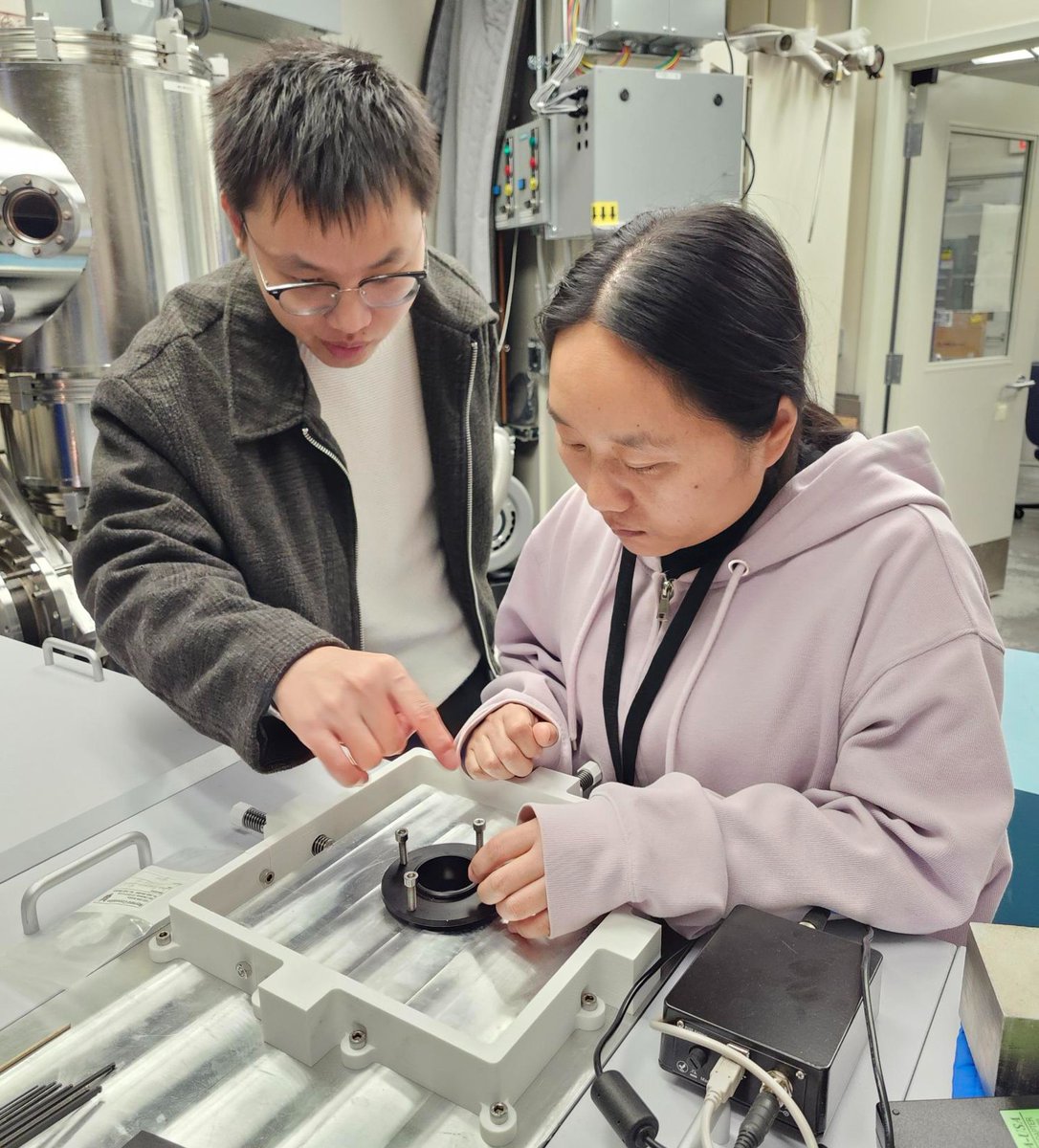
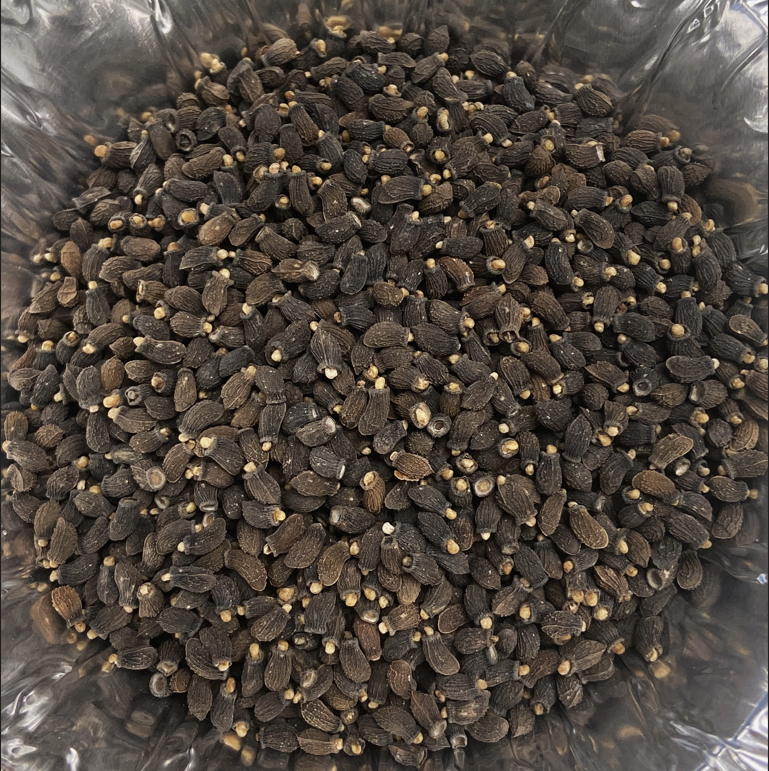
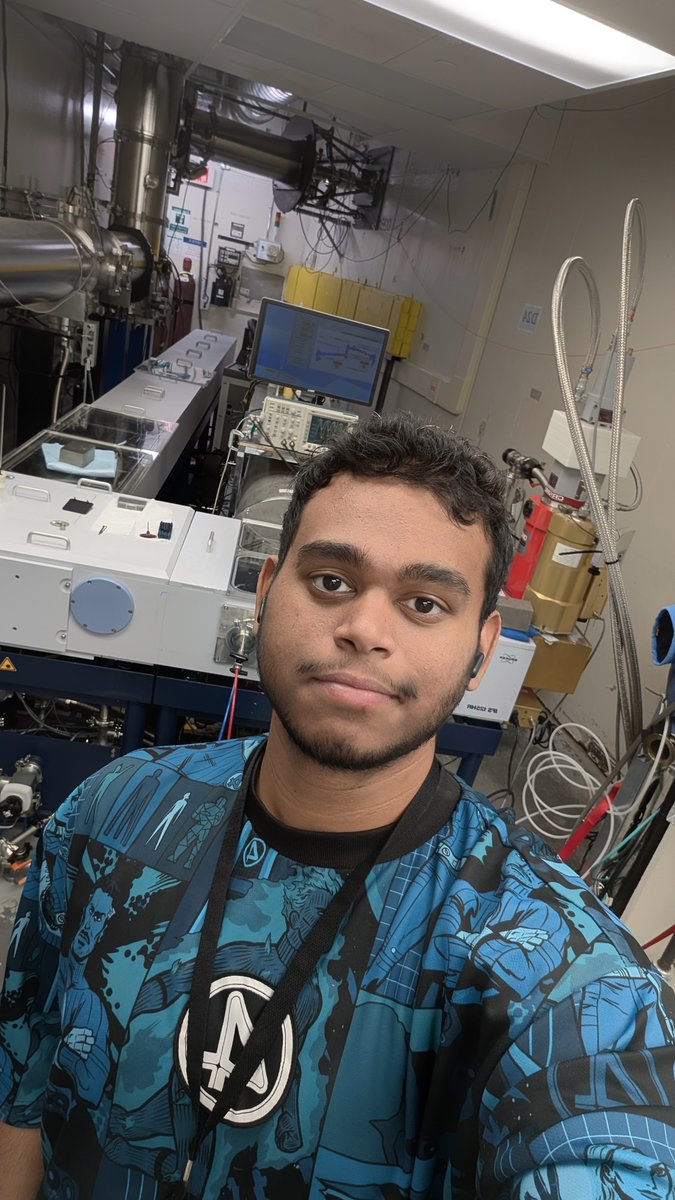
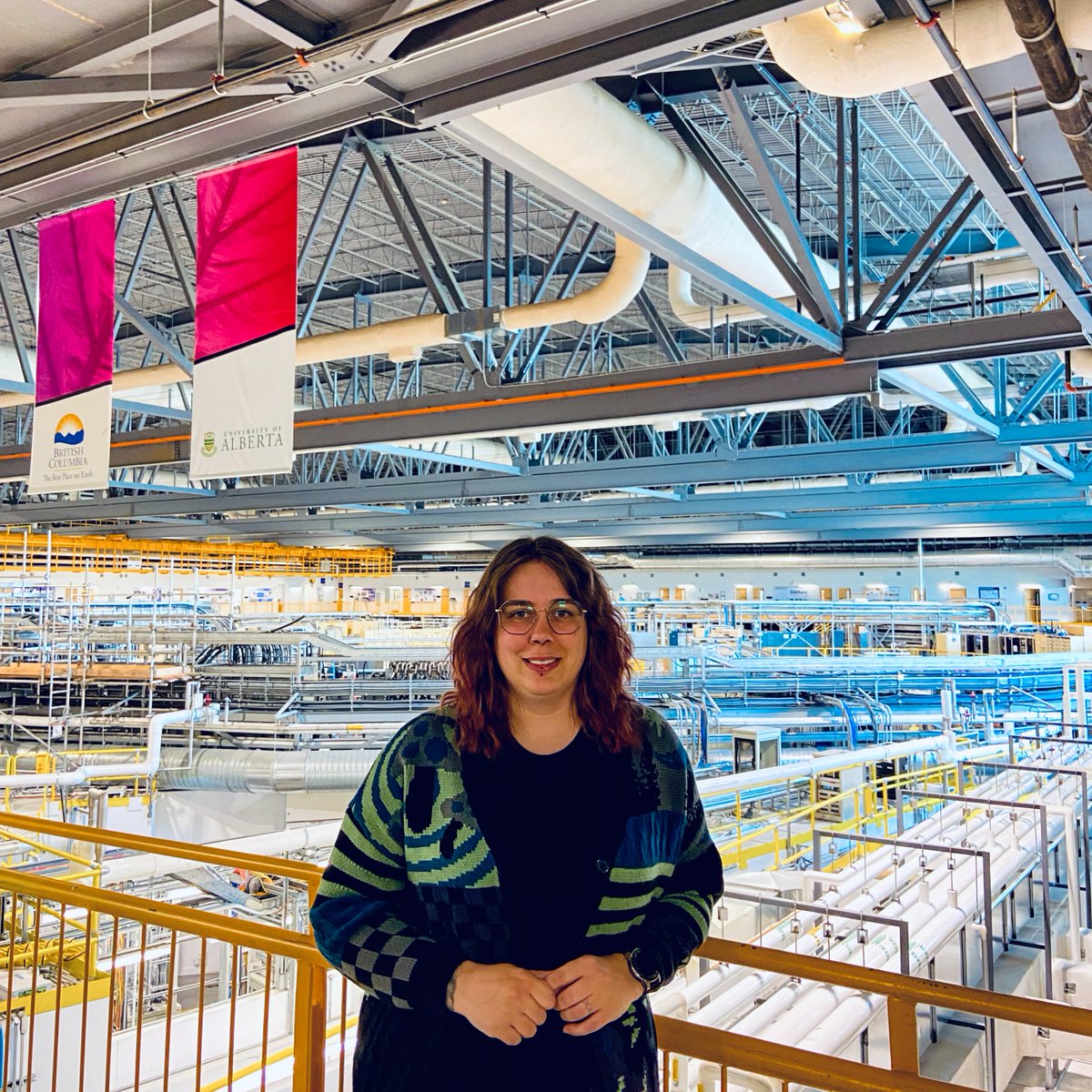
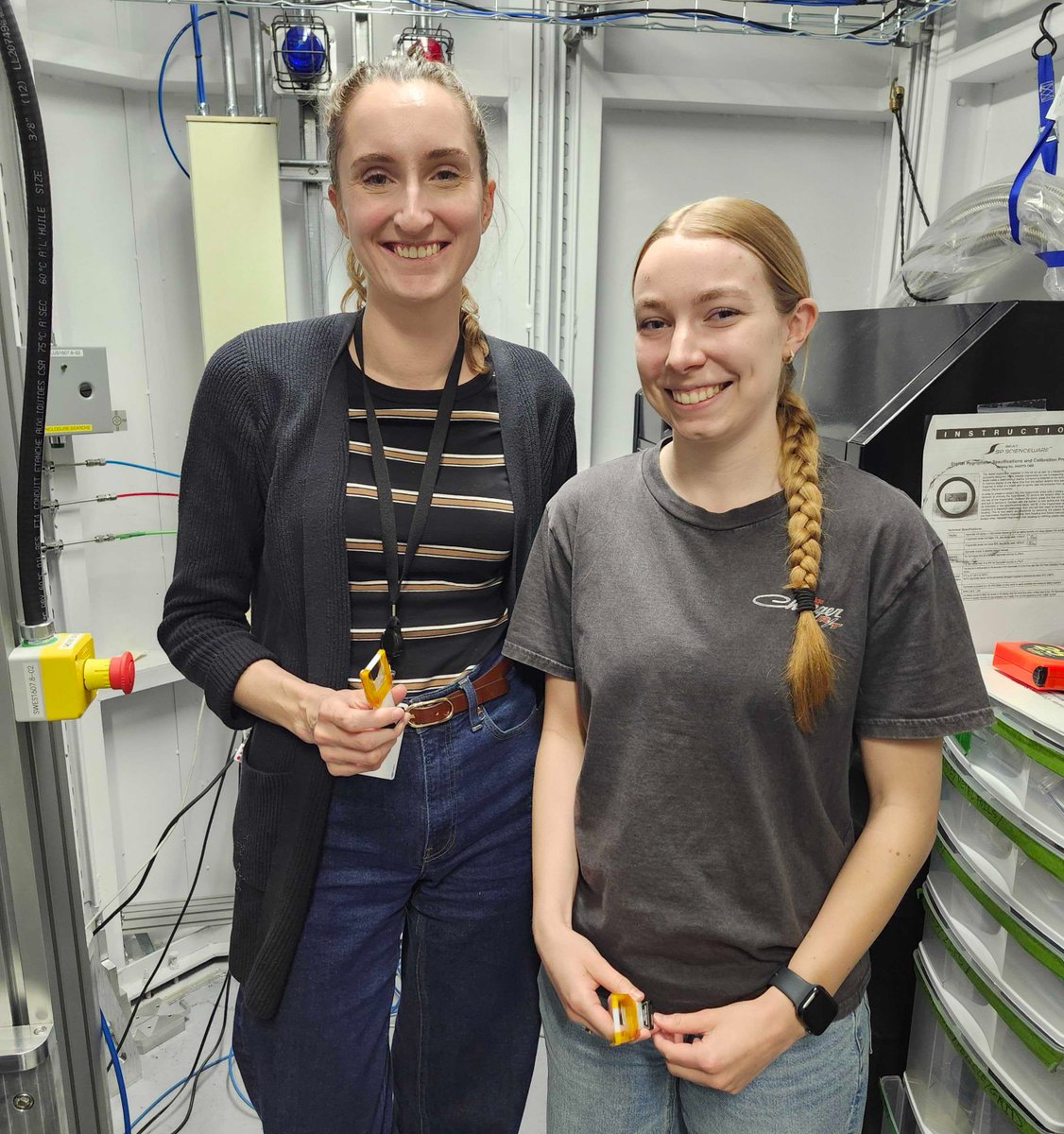
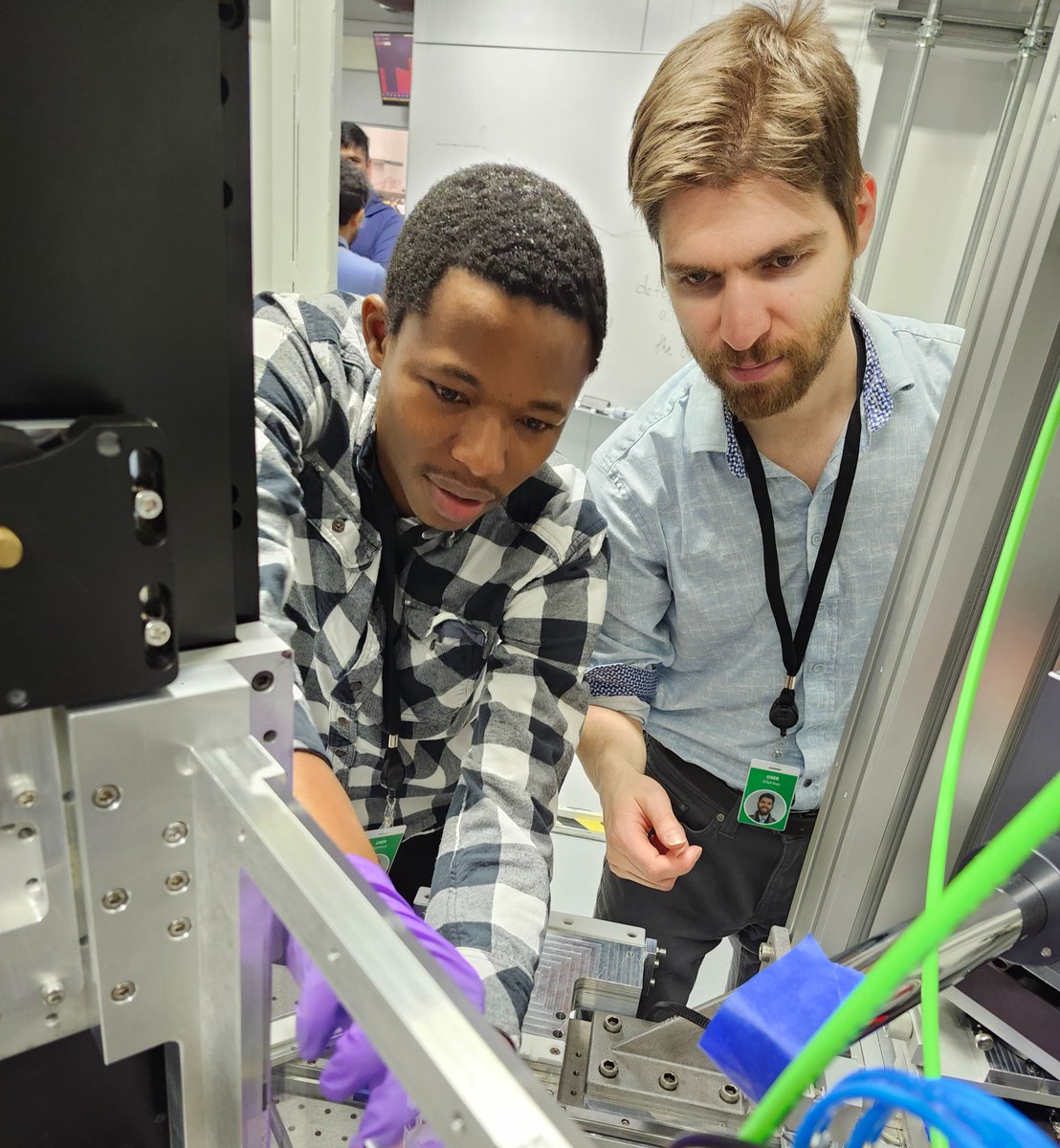
For #NuclearScienceWeek, we're sharing research from @UofRegina at the CLS exploring corrosion in nuclear waste containers. The findings could help inform safer long-term storage of radioactive waste and support Canada's nuclear future. https://t.co/MfhpfjnAma
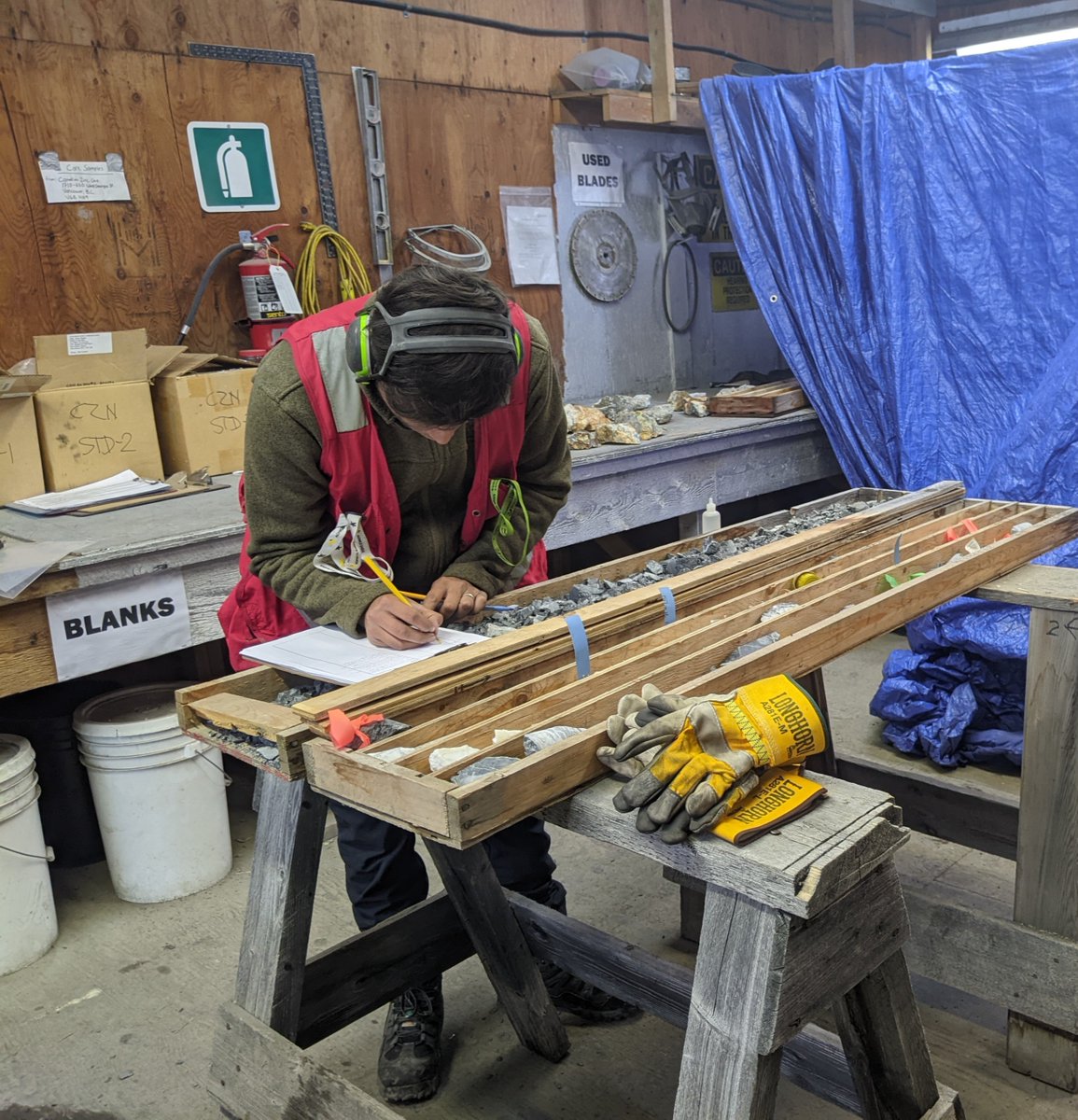
#Germanium helps power electronics but supply is limited since it’s a by-product of zinc #mining. Using CLS, researchers studied samples from a NWT deposit to see how germanium is stored within. More: https://t.co/UfHdZGZpg0
@ubcscience@UofTArtSci@UofTEarthSci#ResearchInAction
New #paper: "Assessing Soft Reduction Effects on Centerline Macrosegregation in Continuous Casting Using Five Evaluation Metrics" by @McMasterU@TataSteelNL who used the VESPERS beamline at the CLS. https://t.co/XPlH2IKbYB 👈
#Steelmaking#Manufacturing
It’s a passion for science and discovery that motivates Omar Marinos, an associate scientist at our BMIT beamline. It’s why he moved from Peru to Saskatoon in 2018 to pursue his Master’s in mechanical engineering. #PeoplePoweringDiscovery https://t.co/dA62tkvXek
Expectant mothers are encouraged to take folic acid when they’re pregnant because it helps babies grow and develop. But @usask researchers are exploring whether a different form of folate, may actually work better. #ResearchInAction@CIHR_IRSC https://t.co/v8HTMPm7ST
#MediaRelease: Using the CLS, researchers from @UofT@UofTEngineering@uoftmie have shown that breaking in or conditioning #hydrogen fuel cells helps brings order to their #catalyst layer, improving their performance and longevity. https://t.co/OeGQgOmKtg
Researchers from @uOttawa@uOttawaGenie have made breakthroughs in the study of #ThinFilmTransistors that could could dramatically improve the efficiency and sustainability some of the small, wearable #electronic devices we rely on daily.
https://t.co/El1PiUjVkp
Researchers @UofT@uoftmedicine@SinaiHealth are studying protein kinases, tiny machines in cells that turn other proteins on or off. When kinases stop working right, cells can become sick and diseases can start. Learn more: https://t.co/TXFKkTzevw
#ResearchInAction
From pollution to possibility. Researchers at @McMasterU are using the CLS to better understand materials that can convert nitrate pollution into ammonia, supporting cleaner water and more sustainable chemistry. https://t.co/5ZyYsSpqMy
Legislators from Germany, alongside @SKLegAssembly visited CLS through the Partnership of Parliaments program. They learned how Canada's synchrotron supports research in health, agriculture, the environment, and advanced materials.
Researchers @WesternU are studying tiny iron-nickel #alloys with unique properties. They hope their findings will help to design novel materials for applications in #aerospace, manufacturing, energy, and catalysis: https://t.co/TyB2RRvkI1 @NSERC_CRSNG#ResearchInAction
#Methane is a powerful greenhouse gas. Researchers @USask & @McMasterU are using the CLS to study advanced palladium catalysts that could improve methane emission reduction & extend catalyst lifespans for industrial & vehicle applications. Read more https://t.co/xPmPp9xEUb.
Chelsea-Lea is an accelerator #physicist at the CLS. She enjoys kickboxing and creative hobbies like calligraphy and crafting, always exploring new projects in both her career and personal life. More: https://t.co/oTuPNaqeSY
#PeoplePoweringDiscovery
A protein vital to the replication of the virus that causes #COVID-19 makes a good target for antiviral drugs. Now University of Waterloo scientists have uncovered a potential new way for drugs to disrupt that #protein to treat the disease. https://t.co/ZmWzo9GDC8
Researchers from @MacEwanU@UAlberta are using the CLS to better understand how #lead entered the bodies of people who lived in #AncientGreece. This work will give a clearer picture of pollution and health during that period: https://t.co/9QtOYaLHiP
#ResearchInAction
Researchers from @uofg@UofG_MCB@UofGCBS have determined the 3D structure of enzymes in bacteria that transform steroids into effective treatments for human diseases. The discovery will help advance development of new medications. https://t.co/Km2MeqKEtK
Growing Canada's use of nuclear power will require safe solutions for long-term storage of radioactive waste. University of Regina researchers are studying the coatings applied to steel containers used to store waste deep underground. #nuclear#SMR#ResearchInAction
Researchers from @AAFC_Canada have discovered #cows have gut bacteria that enables them to digest #seaweed. The finding points to the possibility of producers one day using more sustainable, land-based alternatives to current feedstocks. https://t.co/rae4rPr8cs