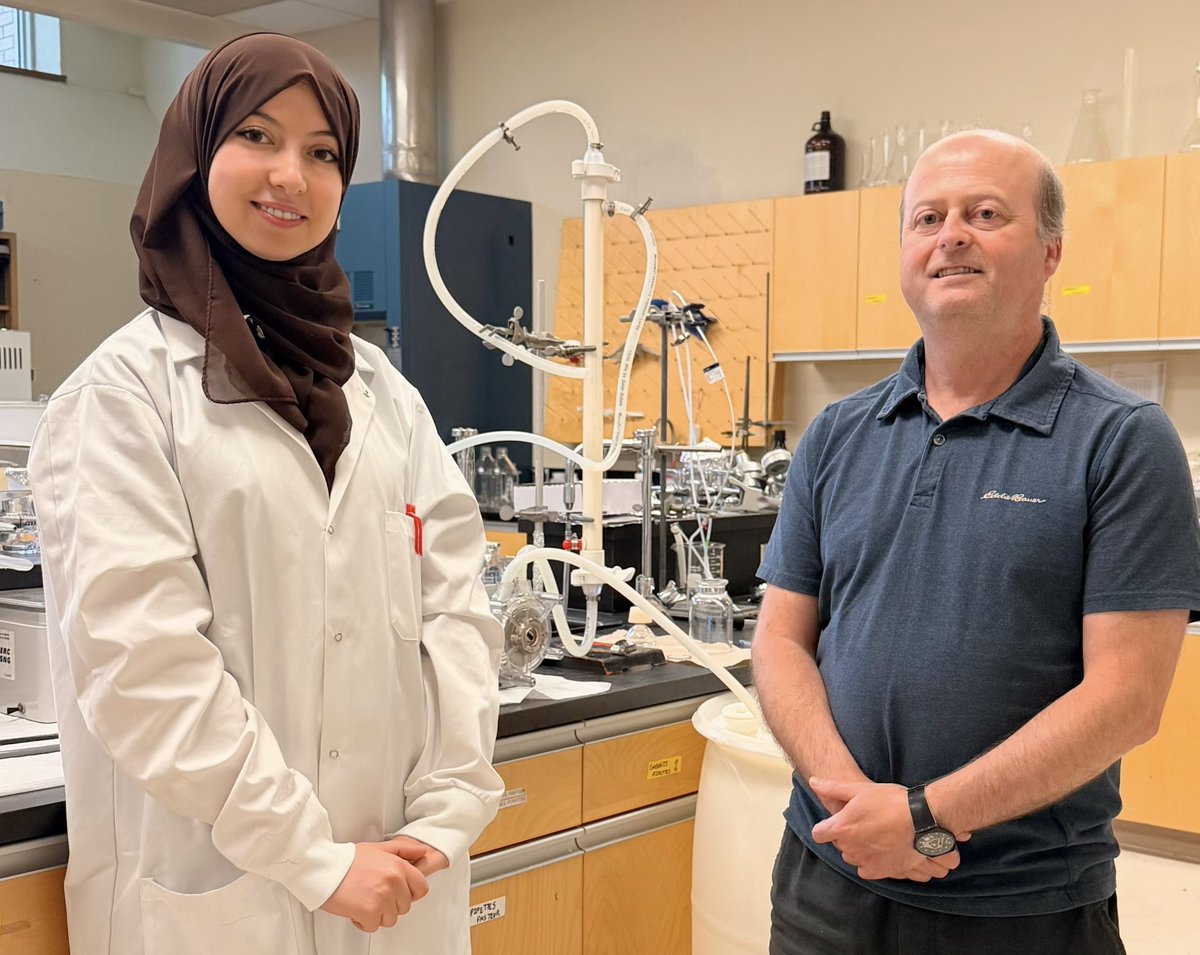
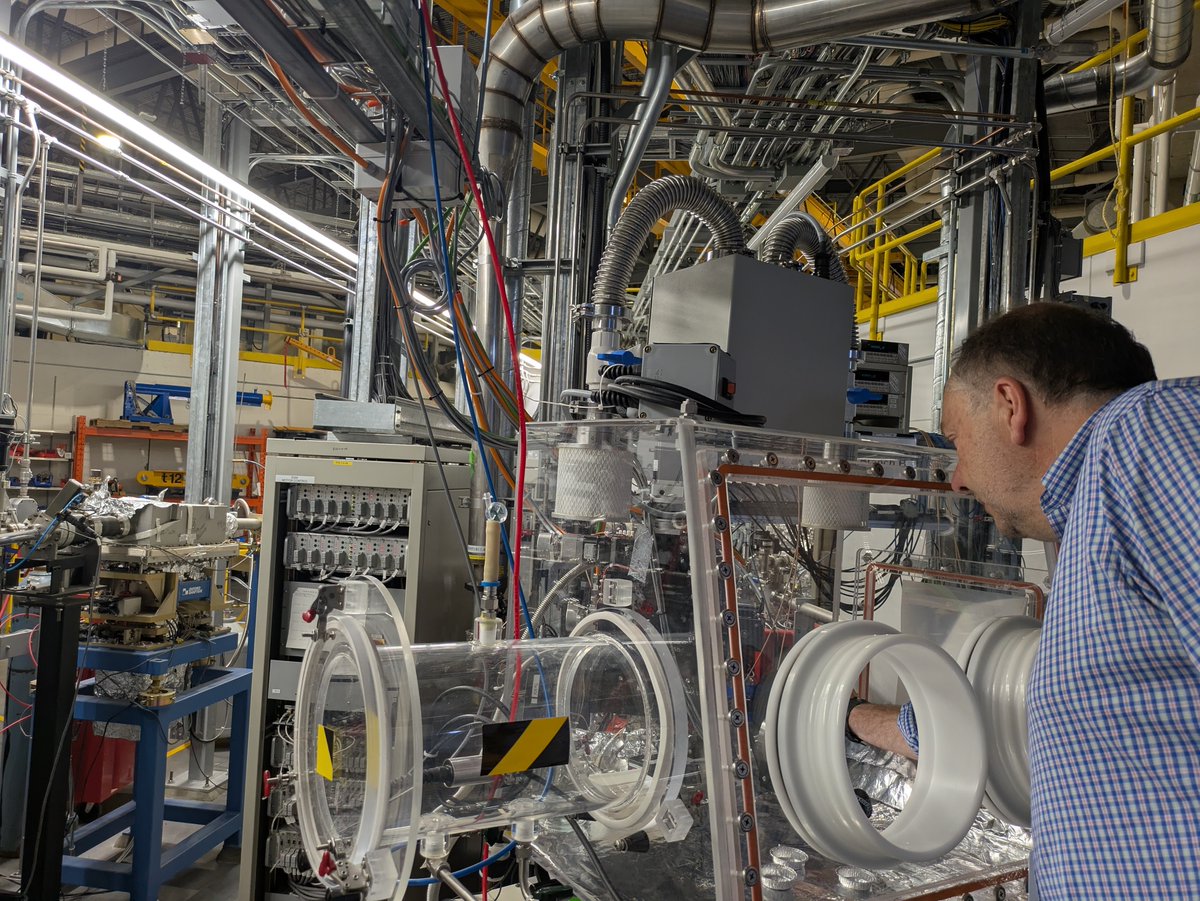
A protein vital to the replication of the virus that causes #COVID-19 makes a good target for antiviral drugs. Now University of Waterloo scientists have uncovered a potential new way for drugs to disrupt that #protein to treat the disease. https://t.co/ZmWzo9GDC8
Researchers from Brazil have discovered zinc and sulphur have a key role to play in boosting the protein content of #soybean, which accounts for roughly two-thirds of plant-based #protein meal output world-wide. https://t.co/Z1YKs9h17h @cnpem@usponline
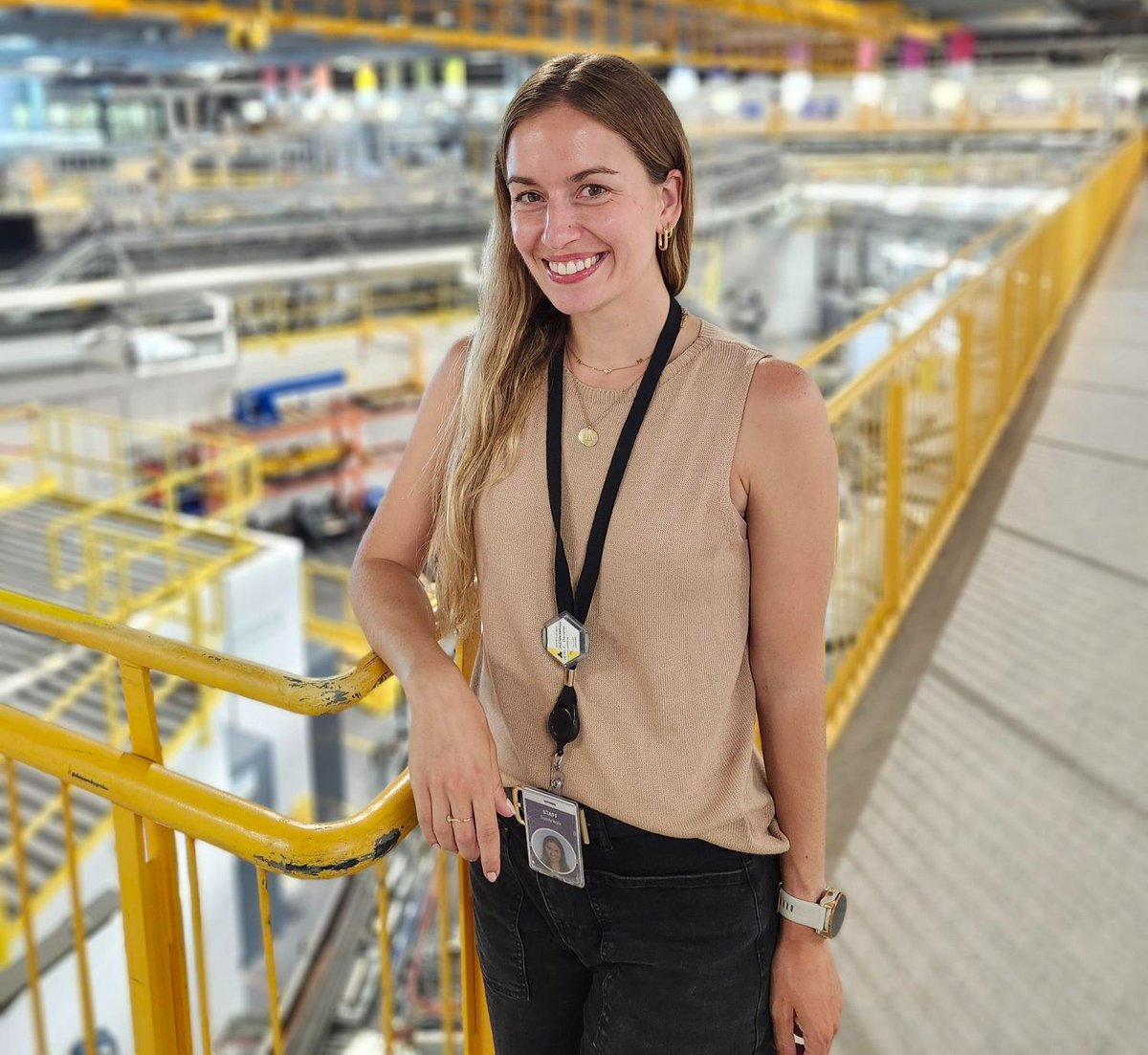
Linda Vogt, an associate #scientist at CLS’ SGM beamline, helps researchers turn scientific questions into discoveries. Read more at https://t.co/uC689NGxFL
#PeoplePoweringDiscovery
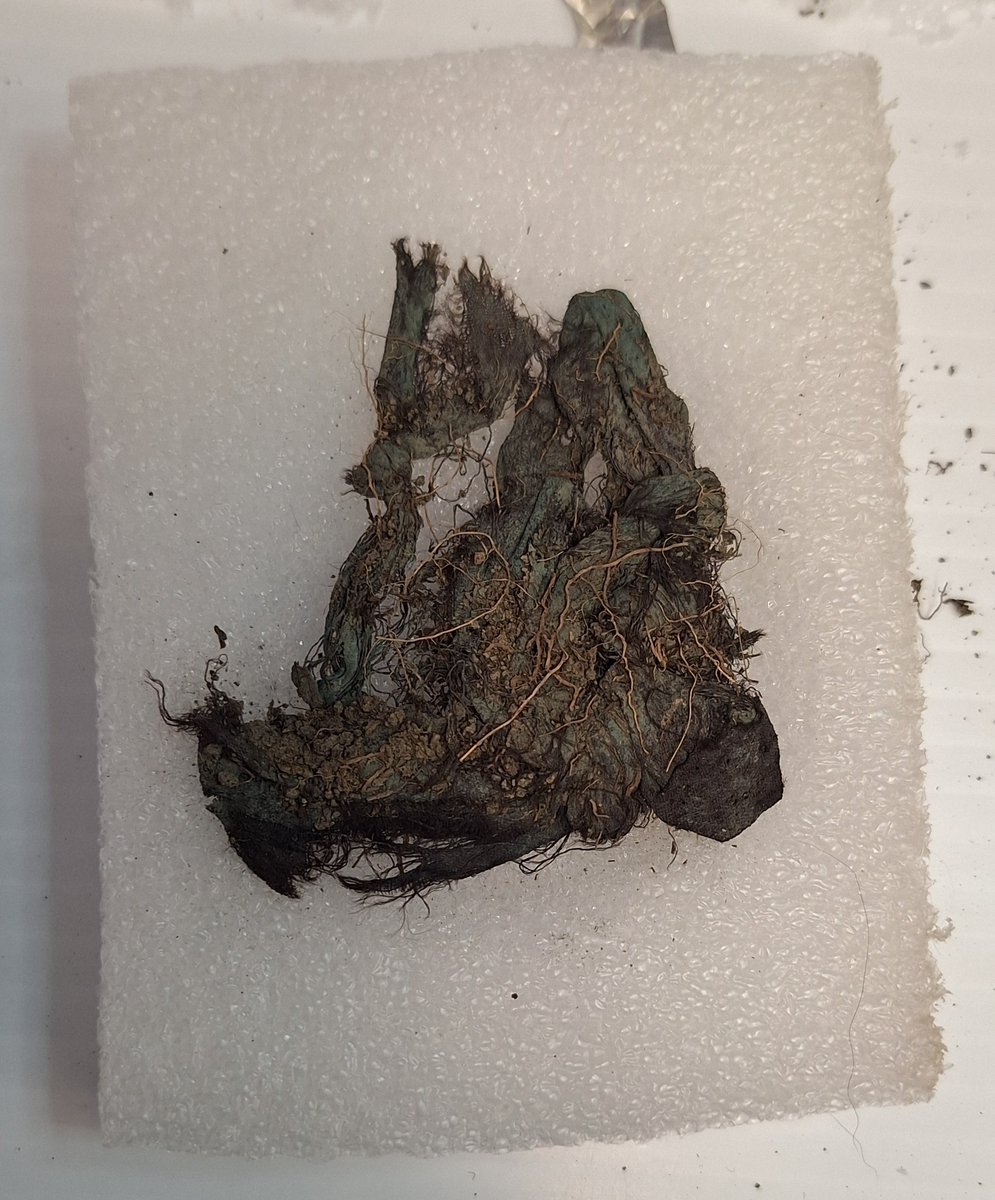
Tracy Martens @royalsaskmuseum used CLS to study #archaeological textile and fibre artifacts. “Previous fibre artifact analyses have made significant contributions to our understanding of the lives, culture & technology of past people" https://t.co/BaT6ojxJW7 👈
#ResearchInAction
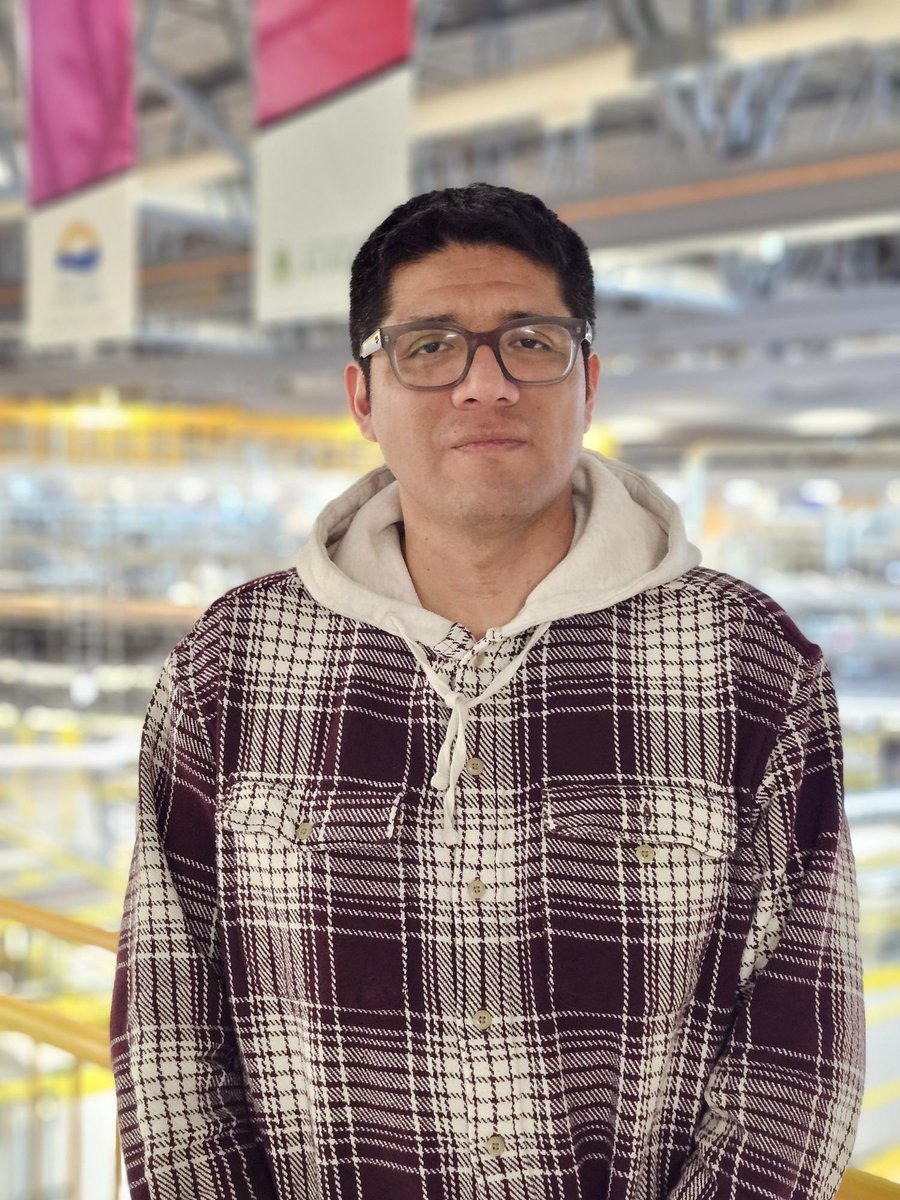
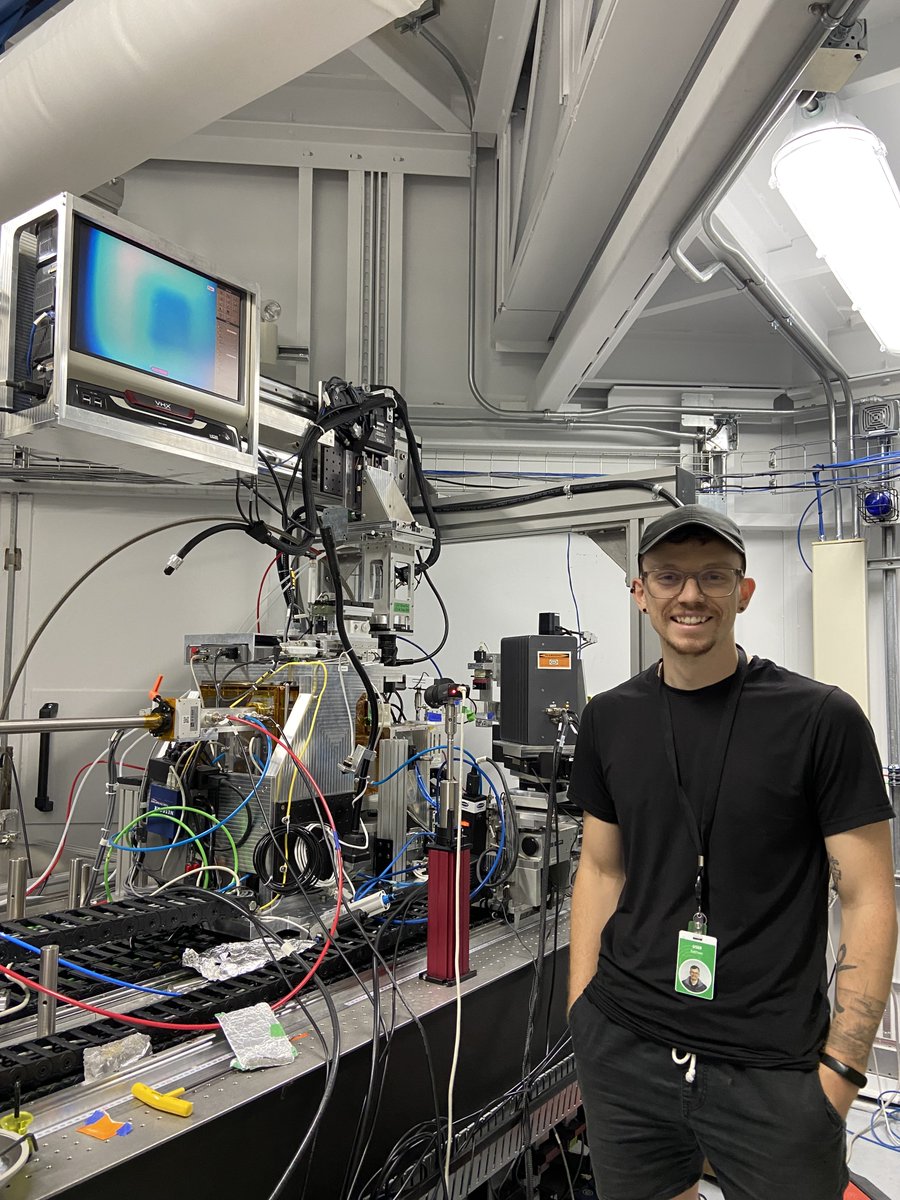
It’s a passion for science and discovery that motivates Omar Marinos, an associate scientist at our BMIT beamline. It’s why he moved from Peru to Saskatoon in 2018 to pursue his Master’s in mechanical engineering. #PeoplePoweringDiscovery https://t.co/dA62tkvXek
Researchers @usask@agbiousask are studying #WildRice from northern SK to better understand factors contributing to its quality & health benefits. Their work can help improve Canada's wild #rice industry & reduce our reliance on imports: https://t.co/bdO7dVpjvr
#ResearchInAction
Researchers from CLS and @UofgC developed a project focused on creating new #zinc standards that will help scientists better study zinc in biological systems. https://t.co/eRYhKxuhB3
This project was funded by @NSERC_CRSNG and @CIHR_IRSC#ResearchInAction
Researchers @umoncton are using the CLS to study the chemistry inside samples of dissolved organic nitrogen. What they learn could help improve #climate models and point to ways to increase long-term #CarbonStorage in oceans. More: https://t.co/gRFWVHx1ZZ
#ResearchInAction
High-salinity organic wastewater contains organic compounds and dissolved salts that can harm rivers, lakes, and wildlife. @UofRegina researchers are studying a promising new catalyst for treating this type of industrial wastewater. More: https://t.co/KNi0K2bulc
#ResearchInAction
Scientists from the University of Waterloo are studying a large family of enzymes called M64 proteases, which are made by bacteria in our gut. The project could lead to new ways to diagnose/treat gut disorders, including #CrohnDisease. #ResearchInAction https://t.co/J35Sh7xWkX
Exposure to a mix of common airborne #agricultural contaminants could lead to lung effects in females, a new University of Saskatchewan study has uncovered.
https://t.co/2HSQzvTUqs @USaskCCRAH@WCVMToday@USaskMed@usask
Researchers from @usask@USaskMed and University of Southern Denmark have discovered a new way that tissue rebuilds in specific parts of some of our #bones. Their research could lead to new bone-strengthening treatments for #osteoporosis. https://t.co/ClX58czg5x
For Danielle Veikle, our new Manager of Health, Safety, and Environment (HSE), coming back to the CLS in June 2026 was a homecoming of sorts. More: https://t.co/tY7MJbBviX
#PeoplePoweringDiscovery#HSE
University of Guelph researchers are studying how #sprouting affects the nutritional content and processing behaviour of various #grains. This work could lead to better control of sprouting and more consistent quality in food products: https://t.co/EKAZZa6gQ0
#ResearchInAction