#Cancer affects everyone. Friends, family and of course the person with the diagnosis. This page is for everyone affected. #cancerinspiration#cancersucks
Wear It Pink on 23 October. Pink can remind us to turn awareness into practical support and reliable information for people affected by breast cancer. #WearItPink
Symptoms can be easy to explain away. Persistent headaches, vision or balance changes, fits and personality changes should be checked rather than ignored. https://t.co/8BBQux1EMe #BrainTumourWeek
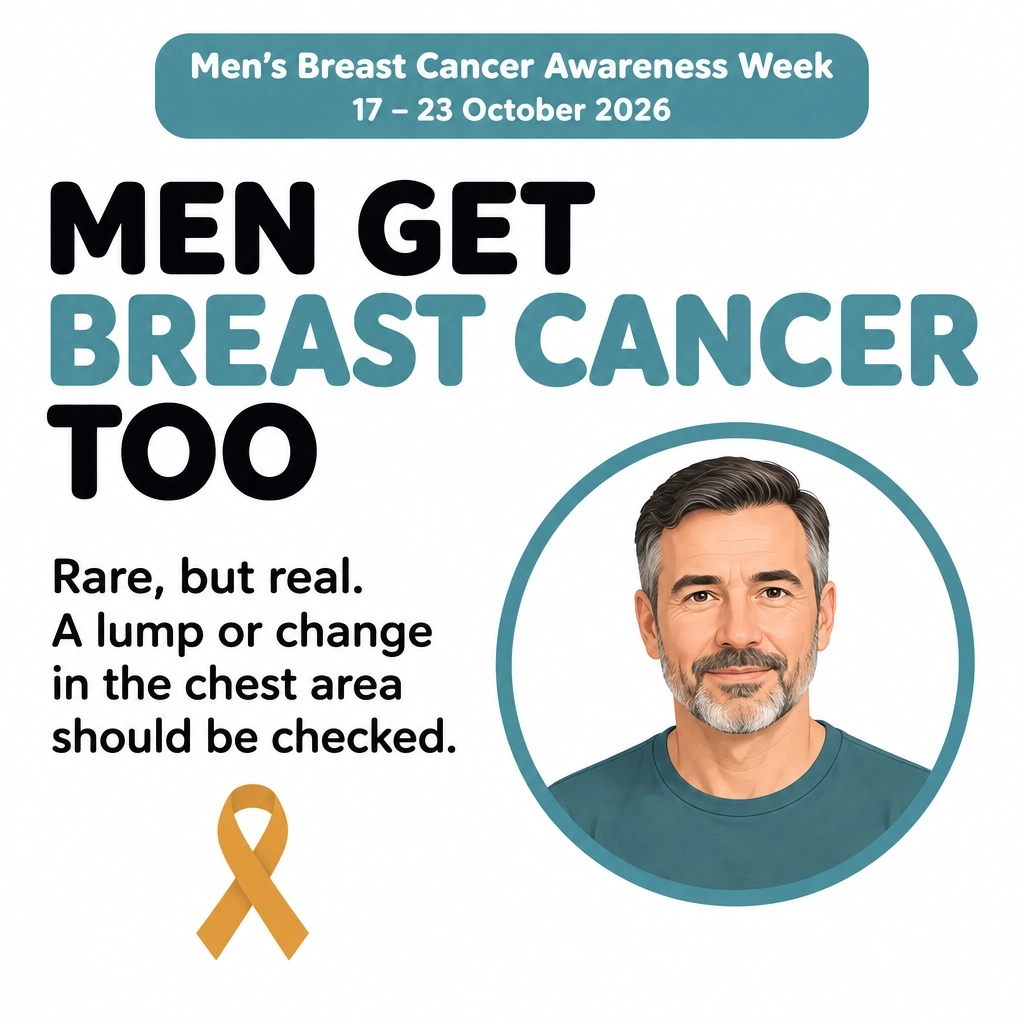
Men get breast cancer too. Rare, but real. A lump, nipple change or swelling in the armpit should be checked by a GP, not dismissed as a cancer that only affects women. #MensBreastCancer
A second opinion is a normal part of good cancer care, not an insult to your team. You are allowed to ask for one, and most clinicians expect it. Your specialist nurse or GP can explain how it works. #CancerSupport
A fever during chemotherapy is not a wait-and-see symptom. Some treatments lower your ability to fight infection, so 38°C (100.4°F) or above means calling your cancer team now, day or night. Ask for the 24-hour number if you don't have one. #CancerSupport
Metastatic breast cancer is different from early breast cancer. It is treated, not cured. Ongoing support and reliable information matter, not just awareness in October. #MBC
Not everyone loses their hair during chemotherapy. It depends on the treatment and drug, not whether treatment is working better or worse. https://t.co/8BBQux1EMe #CancerSupport
Cancer fatigue is not ordinary tiredness. It may not ease with rest, and it can last long after treatment ends. It is a symptom worth raising with your care team, not something to push through quietly. #CancerSupport
Sleep problems during cancer treatment are common and often treatable. Pain, hot flushes, steroids and anxiety can all play a part. Note what seems to make it worse, then raise it with your care team. #CancerSupport
Small comforts matter on the hard days. An uplifting mug can bring a familiar moment of warmth to someone going through cancer treatment. A thoughtful gift for a loved one or yourself. #CancerSupport
Not everyone loses hair during chemotherapy. It depends on the drug, dose and schedule. If it happens, hair usually grows back, though it may look different at first. https://t.co/8BBQux1EMe
Specific help is easier to accept during treatment: “I’ll bring dinner Tuesday” or “I’ll drive you to your appointment.” More practical ideas: https://t.co/1Qv8C80Tkl #CancerSupport
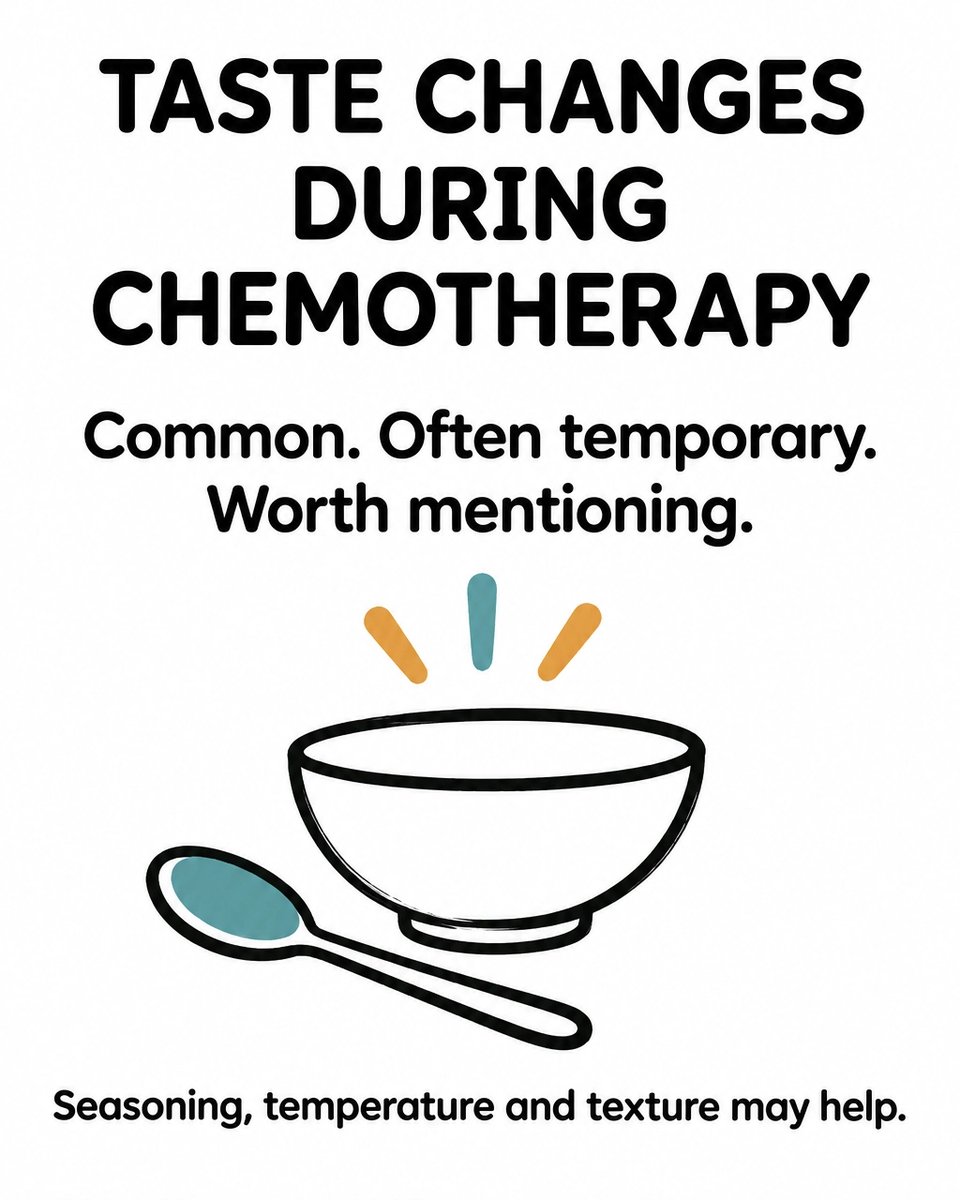
Food can taste metallic, bland or different during chemotherapy. Taste changes are common, often temporary, and worth mentioning to your care team: small changes to seasoning, temperature and texture can make eating easier. #CancerSupport
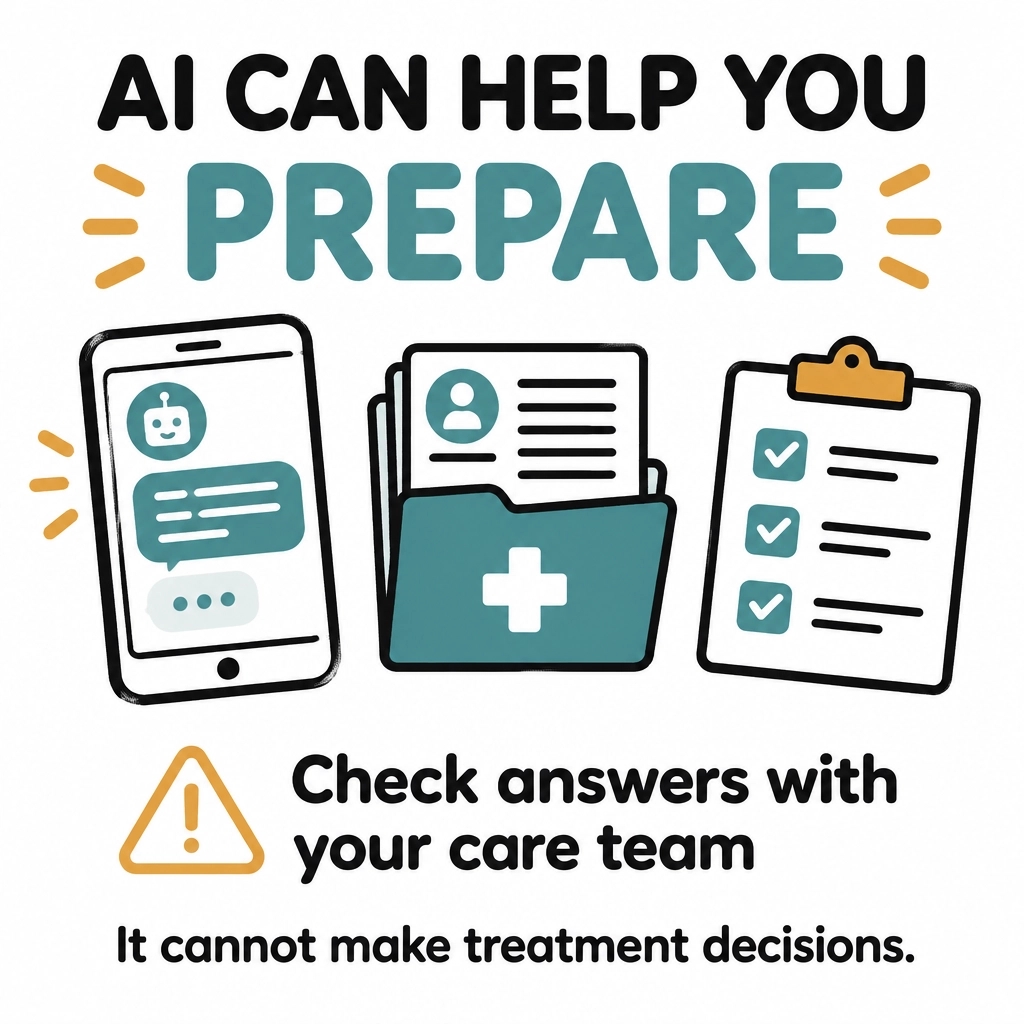
AI can help organise cancer records, compare options and prepare questions before an oncology appointment, but it is not a decision-maker. Its answers may be outdated or inaccurate. Check everything with your care team.
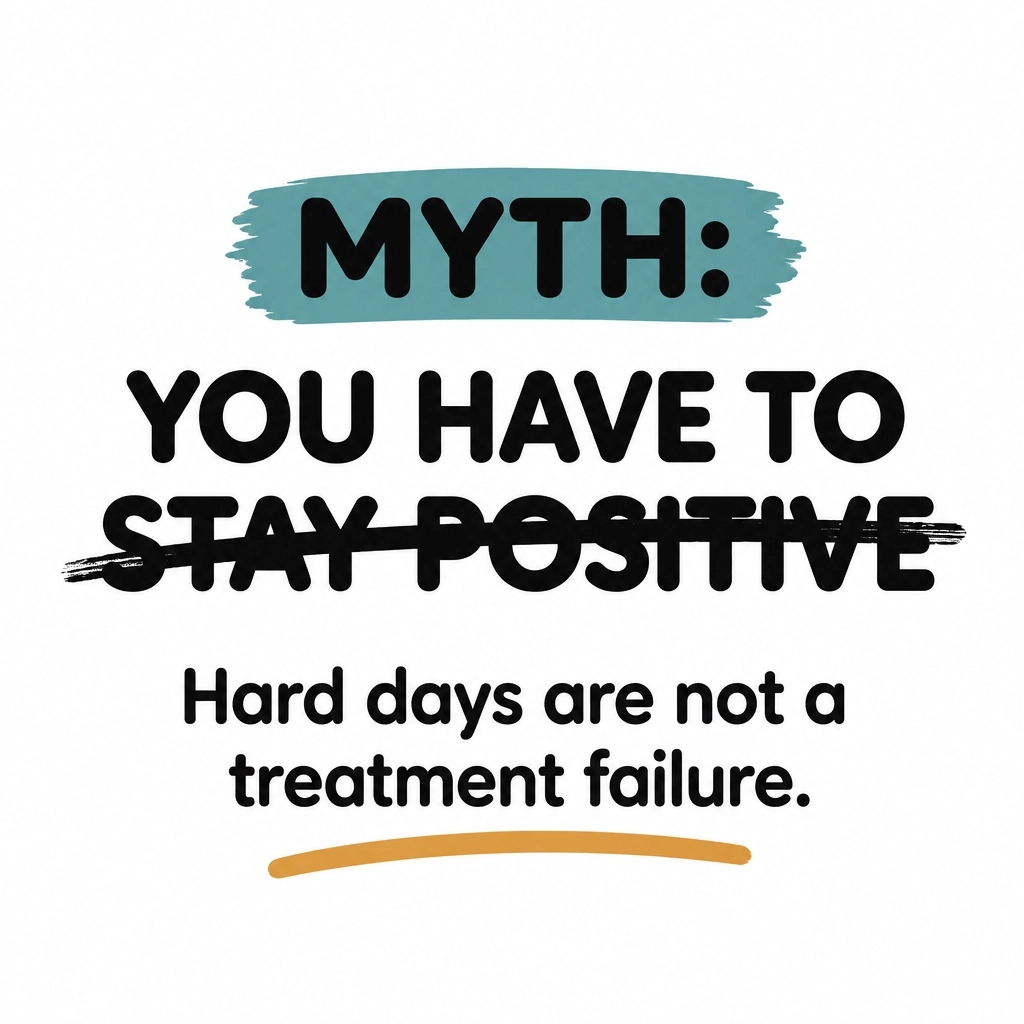
Myth: you have to stay positive to get through cancer. No mindset cures cancer. Hard days aren’t a treatment failure, and you never have to perform positivity to deserve good care. #CancerSupport