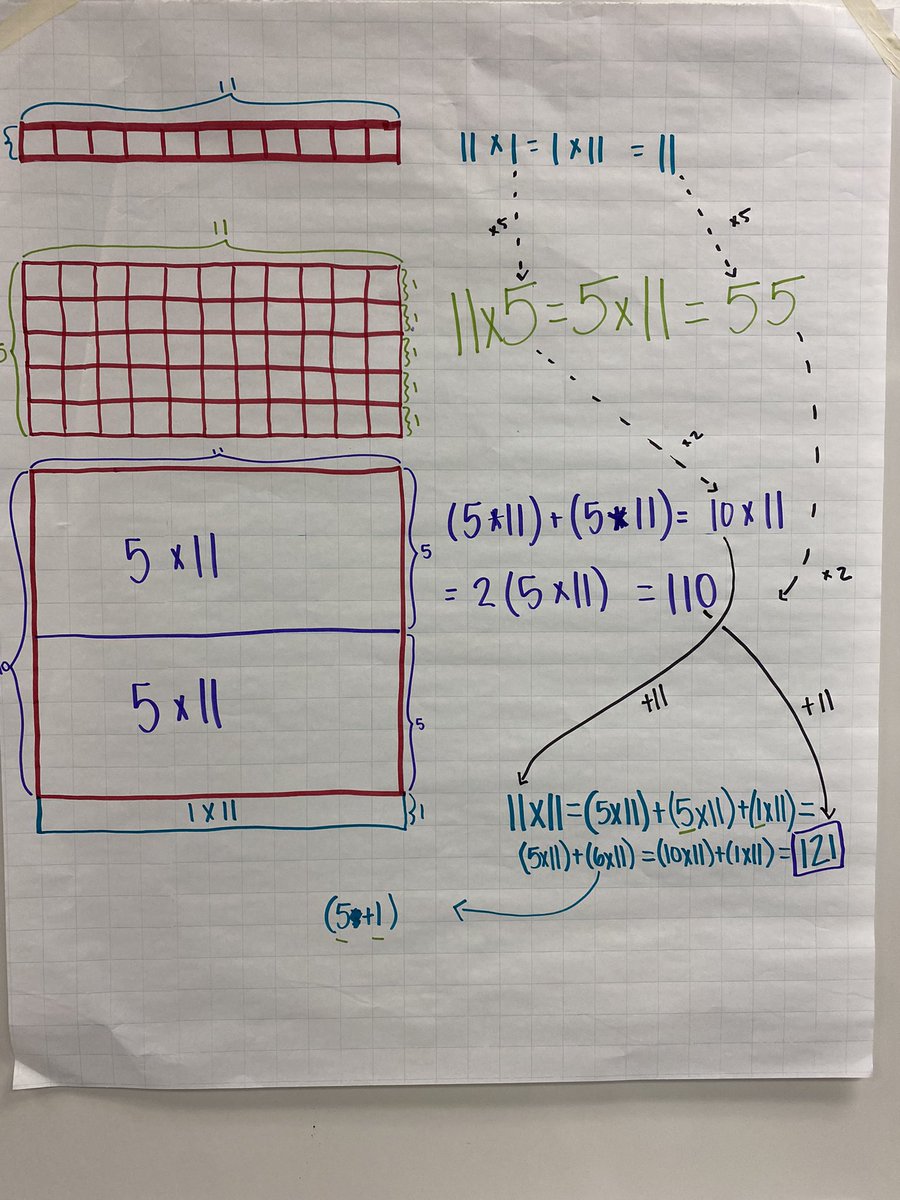
When students are allowed to explore their ideas rather than being corrected immediately, they are able to reason and problem solve with each other. This helps them become better at explaining their thinking, applying what they practice to other contexts, and
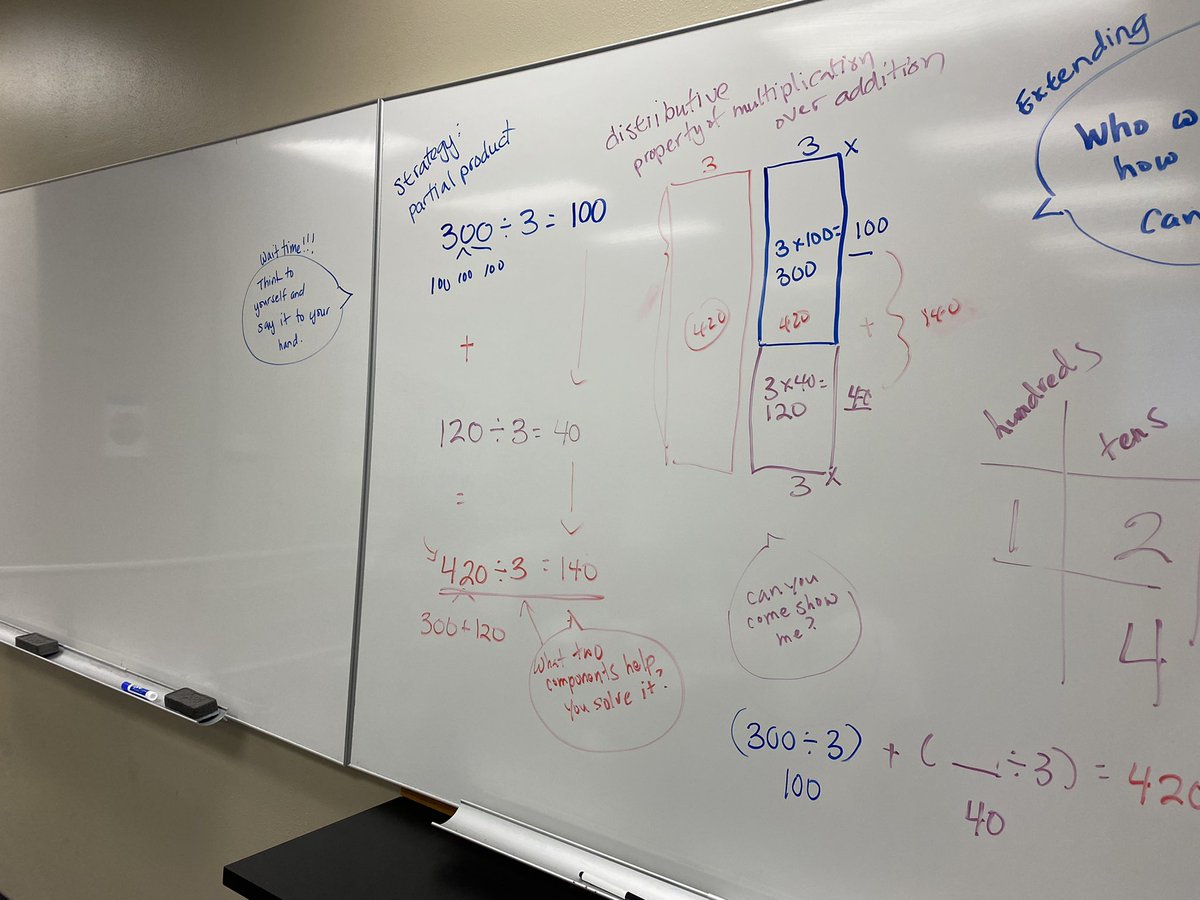
You can break division up into smaller chunks using multiplication facts to make it easier to work with, rather than struggling with long division. @YehCathery
By combining real world phenomena, student-led investigation, and auditory/visual/tactile ways of learning, we can help students make deeper connections and understandings to their learning and think more critically. @ProfTiaMadkins
Kids are naturally curious about the world the live in and want to make sense of it. That’s not easy to do when what they’re taught doesn’t follow their interests, they have no part in choosing what they do and how and everything is presented in a string of facts and memorization
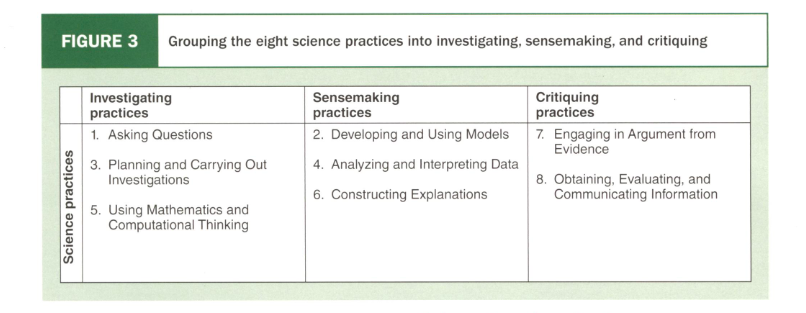
Critiquing practices allow deeper and more long term understandings of content and the world around them. Critical thought is not just for some English classes.
We want our students to become critical thinkers, but we often don't go past investigative practices, let alone critiquing practices. Engaging in content in multiple ways gives students more opportunity to understand what they're learning.
Think about your schooling experiences. When did you learn the most while also enjoying it? Think especially for the subjects you didn't like. School doesn't have to be dreadful and pointless. @ProfTiaMadkins#elemscimethods
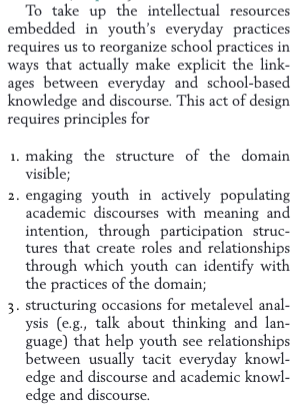
Teaching content in a way that is relevant to students' lives, based on their knowledge and experiences such that they can make personal connection and apply the new knowledge, is an important skill to add to our repertoires. When we do this, we make learning more meaningful.