Field Days are our favourite! 🌱
Thanks to Lakeland College for hosting another great day of learning, conversation and connection.
Keith Gabert, Provincial Agronomist with Alberta Canola, shared timely updates on blackleg at a blackleg nursery near Vermilion.
To help accommodate busy schedules, Lakeland College offered three sessions throughout the day.
A big thank you to the Crop team and Cheryl Westman, Region 10 Director with Alberta Canola, for bringing everyone together.
Great people, conversations and plenty of learning.
@gabertccc
#WestCdnAg #FieldDays
Early spraying will yield more than late almost every time. Explore the research behind early applications and find out “how early is too early?” in this @CanolaWatch fundamentals article: https://t.co/PieyFhux0P
Taking plant counts is important to assess if you’re reaching the 5-8 plants per sq. ft. target to help your #canola crop reach its potential. Check out this demo video for more.
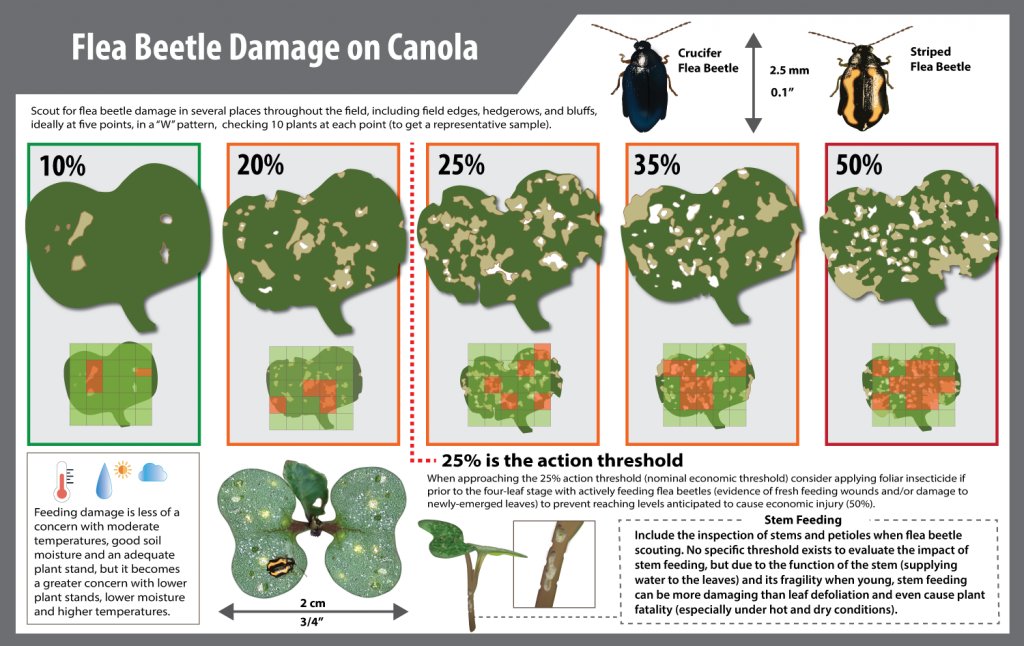
The first steps in making the decision to spray for flea beetles are knowing the spray threshold and assessing leaf area loss.
Our flea beetle damage guide can help. Learn more about making the right spray decision in this @CanolaWatch article: https://t.co/rzTVJ2dWH6
Add cutworms to your scouting checklist during seedling to rosette stage. Our cutworm life cycle graphic is a handy scouting guide.
Learn more about managing cutworms in #CanolaEncyclopedia: https://t.co/ycKjZd6uy5
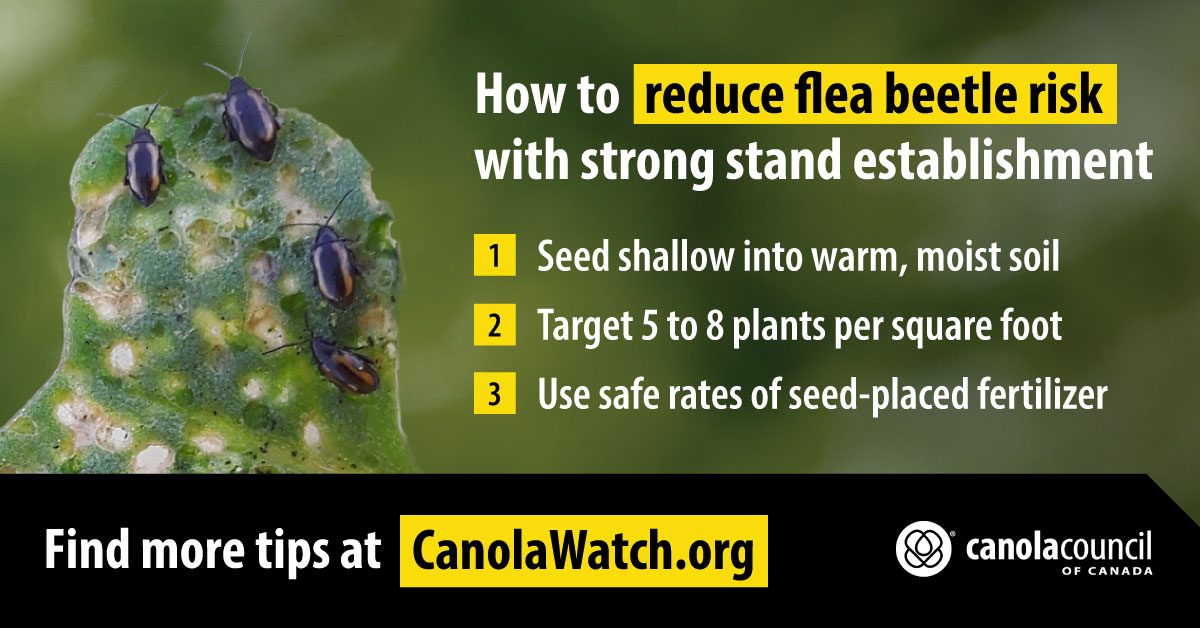
Stand up to flea beetles and reduce risk from flea beetle feeding with strong stand establishment. These tips from @CanolaWatch can help: https://t.co/GUncsseBTS
More #canola plants mean fewer beetles per plant, so achieving the recommended target of 5 to 8 plants per square foot will help reduce risk from flea beetle feeding. @CanolaWatch has tips to help achieve strong canola stand establishment: https://t.co/GUncsseBTS
The Prairie Weed Monitoring Network is revolutionizing weed management with a Prairie-wide biovigilance strategy. Learn how this initiative can help reduce herbicide resistance and anticipate new weed threats in the January Canola Digest: https://t.co/fbB00qsYdl
@4sunsAg@canolacouncil The little black guys on the other side of the pod in the video are much more likely to make those feeding marks :-) but keep #scouting….. Ladybug/ladybird picking up leaking moisture- but isn’t the cause of the initial damage. Lygus (also in video) will make a puncture.
Brush up on blackleg by visiting https://t.co/IJ8jzrzX4h, the most comprehensive blackleg resource.
Find tips for best management, scouting and identification, along with detailed information on genetic resistance.
#CdnAg
Now’s the time to #scout diseases in #canola. Clean looking white stems inside with green exterior is the hoped for outcome from scouting! Look for #blackeg, #clubroot, sclerotinia, or verticillium stripe on the same field visit this fall. #nothingbeatsbootsinthefield
Scouting #canola for #blackleg. Check #canolawatch and the Canola Council of Canada’s website for more information on this disease or any agronomic question you may have. Get out and scout.
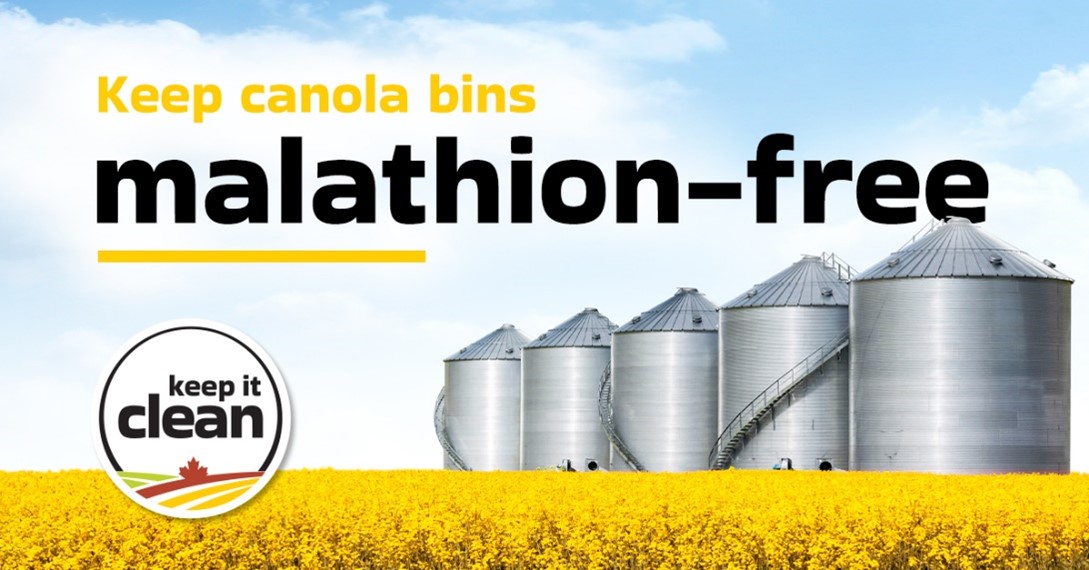
Keep your canola ready for market. Ensure any bins intended for #canola storage remain malathion-free. Malathion residues can transfer to canola and put your crop's marketability at risk.
Learn more on the @KICCanada website: https://t.co/iMOPZDACxC
#CdnAg#Grow24