Ⓒ X official di Canzano Barbara, sono una ragazza disabile, dalla nascita. Scopo mantenere viva la Memoria. ✝
S. T. D. Devota al Giudice Rosario Livatino
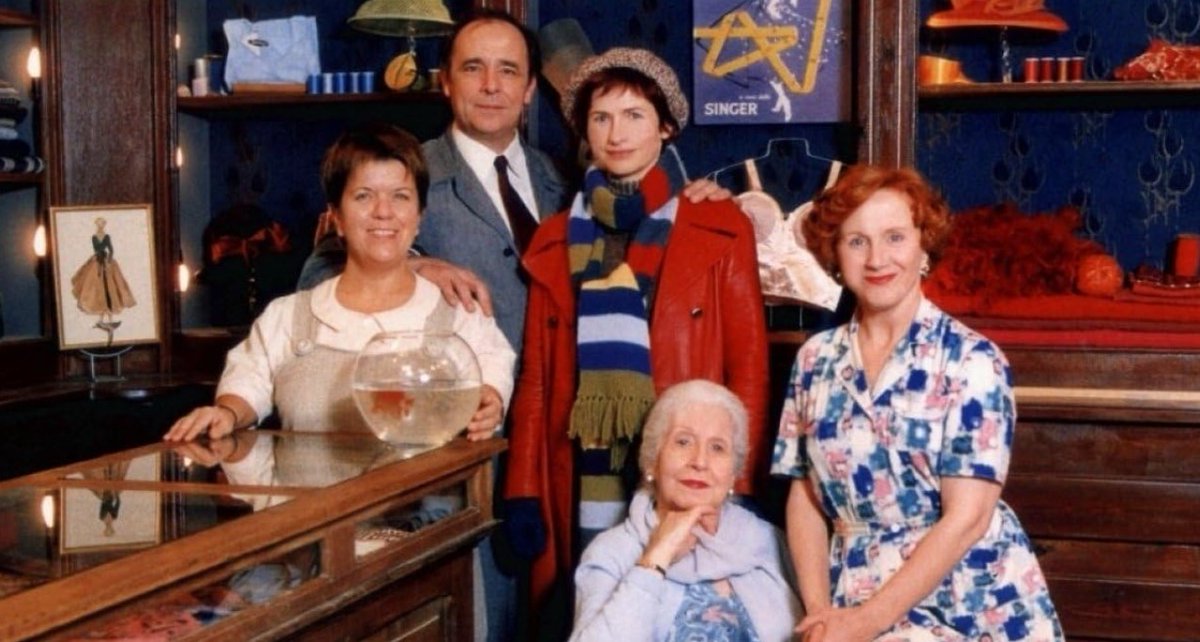
Envie de partager avec vous cette photo qui a été prise il y a 40 ans jour pour jour.
Le 15 juillet 1986 au Festival @Juste_pour_rire à @MTL_Ville 🎭 pour jouer le spectacle "Mimie en quête d'hauteur".
J'aime cette photo et vous ❓
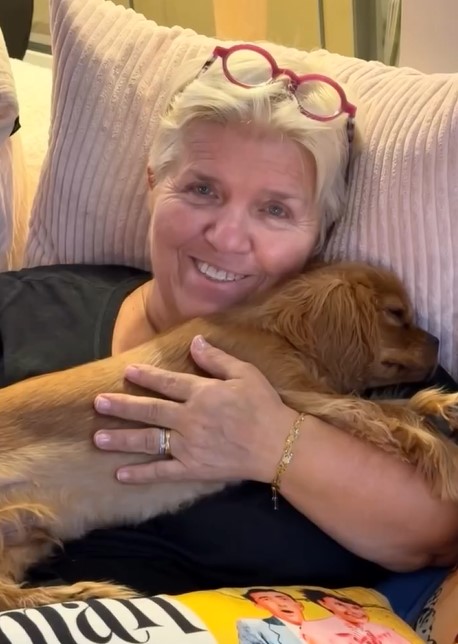
Adorable moment de tendresse avec Caramel 🐶 🐾 Bonne fête à nos fidèles compagnons à quatre pattes, qui remplissent nos vies de bonheur, de loyauté et d'amour ❤
27 août 2005 - 💍🎂 Noces d’opale
21 ans de mariage, d’amour, de rires, d’épreuves traversées main dans la main... ❤️
Une belle histoire d'amour qui se partage ❣️
Redécouvrez la vie de Mimie Mathy à travers le blog féérique #FansDeMimieMathy 💻
https://t.co/S6S90swlQh
Bonne journée à toutes et à tous 😘
#JournéeMondialeDuBlog
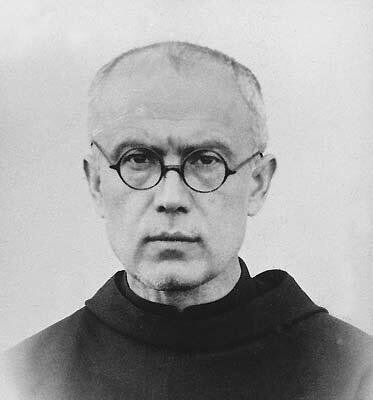
August 14, 1941 | In a cell located in the basement of Block 11 in the Auschwitz I camp, Franciscan friar Father Maksymilian Kolbe was killed with an injection of phenol by Hans Bock (prisoner no. 5), who at the time served as the block leader (Blockältester) in the prisoners’ hospital.
In the death certificate issued to the camp administration, the time of death was recorded as 12:50, and the cause as “heart muscle failure.”
🎧 Our podcast about the arrest, imprisonment in Auschwitz, sacrifice of life, and death of Father Maksymilian Kolbe: https://t.co/HbZznsn348
The Germans arrested Father Maksymilian Maria Kolbe (born January 8, 1894) in Niepokalanów on 17 February 1941, where he served as superior and guardian in the monastery. After several months of investigation in Pawiak prison in Warsaw, he was deported to Auschwitz, where he was registered on May 29.
At the end of July that year, in retaliation for a prisoner’s escape, the camp authorities ordered that 10 prisoners from the same block be sentenced to death by starvation. One of the condemned, Franciszek Gajowniczek, pleaded for his life on account of his wife and children. Upon hearing this, Father Kolbe stepped forward and addressed the SS men, offering to take the place of the desperate prisoner. Karl Fritzsch, who was conducting the selection, agreed, and Father Kolbe joined the other prisoners who were led to the basement of Block 11.
When the SS ordered the cell to be emptied, most of the prisoners were already dead; some still showed signs of life, among them Father Kolbe. The SS then decided to kill the surviving prisoners with injections of phenol.
Father Kolbe was recognized by the Roman Catholic Church as a martyr and beatified by Pope Paul VI in 1971. In 1982, Pope John Paul II declared him a saint.
Franciszek Gajowniczek survived the camp. He died in 1995.
(In the photos: Father Maksymilian Kolbe, camp death certificate of Father Kolbe, and the cell in the basement of Block 11 in which he was murdered.)
Il 19 luglio porta con sé un dolore che il tempo non riesce ad attenuare.
Trentaquattro anni fa, in via D’Amelio, a Palermo, la violenza mafiosa uccise Paolo Borsellino e gli agenti della sua scorta: Agostino Catalano, Emanuela Loi, Vincenzo Li Muli, Walter Eddie Cosina e Claudio Traina. Sei vite spezzate, sei storie di affetti, progetti e dedizione alle istituzioni, che oggi ricordiamo con gratitudine e con profonda vicinanza alle loro famiglie.
Paolo, per me, non è soltanto una figura centrale della magistratura e della lotta alla mafia. È stato una presenza importante nella mia vita, profondamente legato alla mia famiglia. Il suo ricordo si unisce inevitabilmente a quello di mio padre, Rocco Chinnici, che lo volle al proprio fianco riconoscendone il valore umano e professionale, e a quello di Giovanni Falcone. Insieme contribuirono a costruire un metodo nuovo nel contrasto a Cosa nostra, fondato sul lavoro condiviso, sulla collaborazione e sulla forza di istituzioni capaci di agire unite.
Oggi rendere omaggio a Paolo, Agostino, Emanuela, Vincenzo, Walter e Claudio significa raccogliere quella eredità e trasformarla in responsabilità quotidiana: nel servizio allo Stato, nella difesa della legalità e nell’impegno verso le nuove generazioni. La loro testimonianza continua a vivere nelle nostre scelte e a indicarci la strada.