🎧NEW PODCAST EPISODE🎧
How does innovation happen in a place? What does it take to create an innovation hub? We kick off a new series looking at #hubsofinnovation across the UK and around the world 🌍
Listen now: https://t.co/znqpbXzR7S
Angela Saunders, Product Manager, Digital Transformation Division, blogs with some helpful hints and tips for those planning a “Digital Discovery” project.
Read more: https://t.co/g97tHHZyid
Planning Minister @KevinStewartSNP launched “Transforming Places Together: Scotland’s Digital Strategy for Planning” at this morning’s @MacKayHannah conference.
Learn about how we’re making planning more accessible ➡️ https://t.co/Qik2xJ4jBZ
We’re investing £35 million to digitally transform our planning system over the next five years, making it easier for planners to work together and for members of the public to get involved in creating and shaping their places.
Learn more ➡️ https://t.co/u7dziKdZSB
Launched today - the Digital Scotland Design System offers tools and resources for site owners, developers and designers in the public sector in Scotland.
Read more: https://t.co/Ku7OdwkA1R
We've been allocated 1 of 3 Digital Pathfinder projects commissioned by @scotgov to support and prepare for the delivery of the #DigitalPlanning Transformation Programme across the country. We're seeking involvement from #ScottishLocalAuthorities. More at: https://t.co/yEB40JdfuV
According to @AccentureTech’s recently released Future Systems research, companies that are more strategic in their approach to technology are doing better financially—and a whopping 92% employ #HybridCloud
👉 https://t.co/0t22wh6v1u
#HPEAccenture#DigitalTransformation#CIO
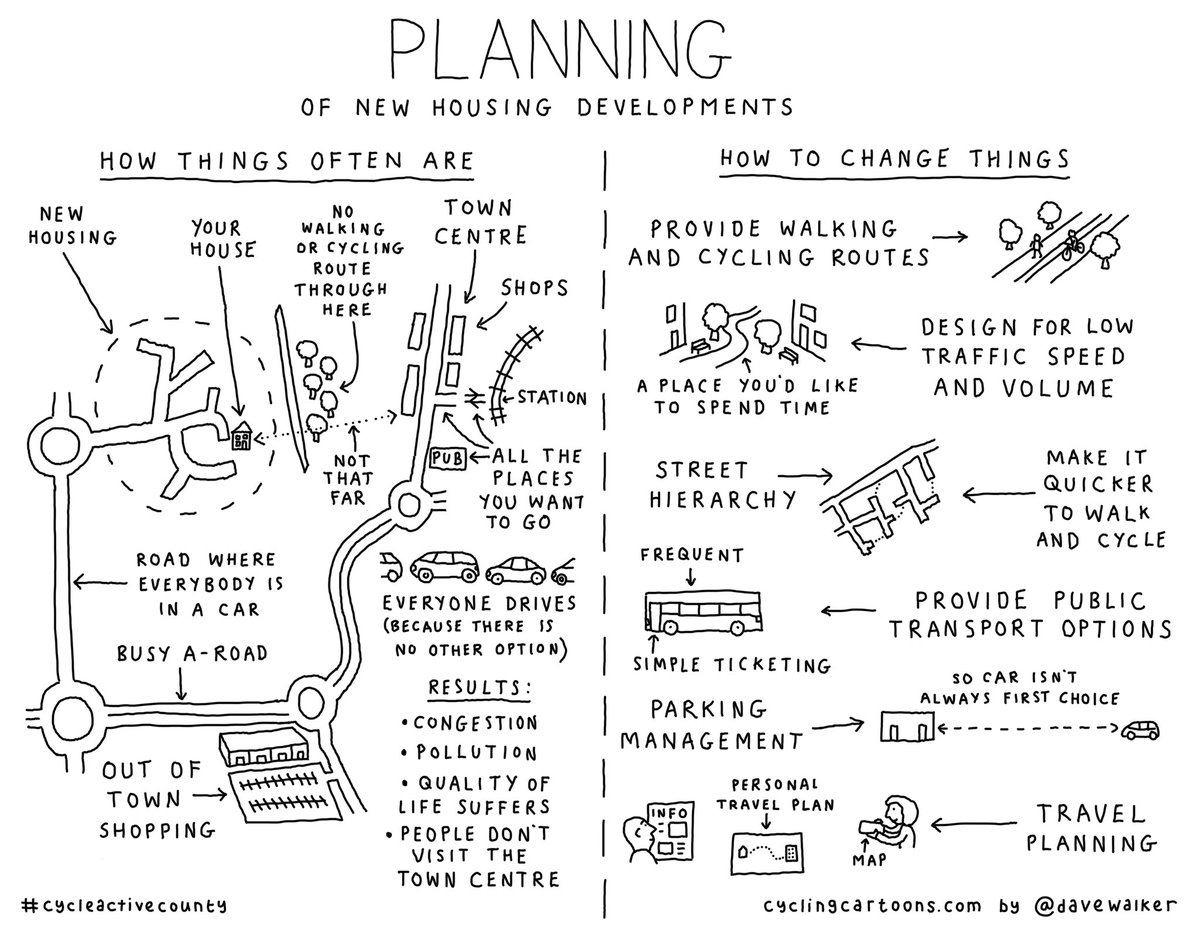
@elder_way_@cyclechez This “cartoon” sums up exactly what we are trying to avoid in this, and other new developments especially so close to the train station and the town centre ... credit @davewalker
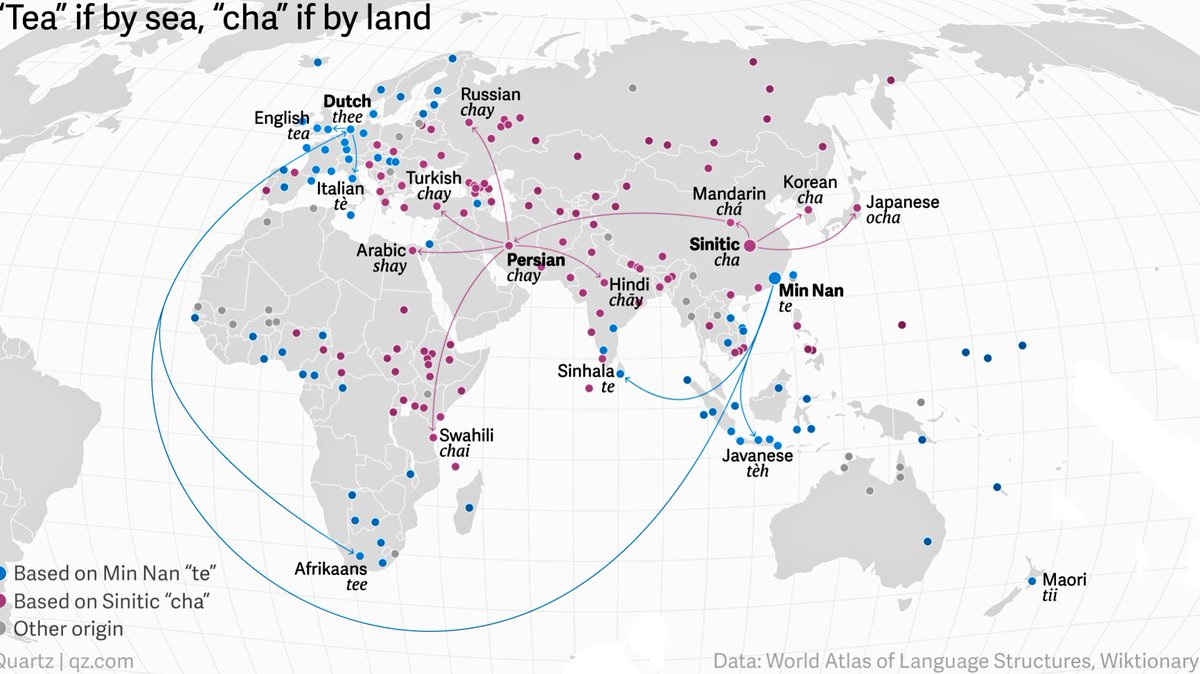
If tea spread to your country by sea, you call it ‘tea’. If by land, you call it chai.
(*This is because the ports of Fujian and Taiwan use the coastal pronunciation ‘te’, whereas Mandarin uses chá.)