Harmful text classifiers often fail due to scarce, uniform training data. We introduced GRAID, a two-stage pipeline using geometric controls and multi-agentic reflection to surface critical edge cases. This approach delivers reliable input coverage, driving significant accuracy gains on safety benchmarks.
Meet the 2026–2027 Capital One Fellows advancing doctoral research in AI, machine learning and data science through multi-sector collaboration.
Fellows include students from @Columbia, @UofIllinois, @UVA and @USC.
AI models excel at pattern recognition, but business-critical financial metrics demand 100% verifiable accuracy.
Learn how a hybrid architecture pairs probabilistic AI discovery with deterministic code to keep core metrics unassailable.
Our collaboration with @Columbia continues to advance responsible AI in financial services. See this year’s winning faculty proposals across key research pillars.
@UMontreal@Mila_Quebec@Concordia@UChicago Explore our findings on router load balancing, sample efficiency and cost-effective model updates in the full paper: https://t.co/gI0ULiK4D6
Does continual pre-training degrade MoE routing? We partnered with researchers from @umontreal, @Mila_Quebec, @Concordia and @UChicago to evaluate router robustness across 600B tokens, finding stability under distribution shifts.
We’re using proprietary data and analytics to drive responsible scientific invention that helps improve the financial lives of millions of customers. That’s why @Evident_HQ, just named Capital One the number 1 bank in both AI talent and innovation based on the new 2026 AI Index.
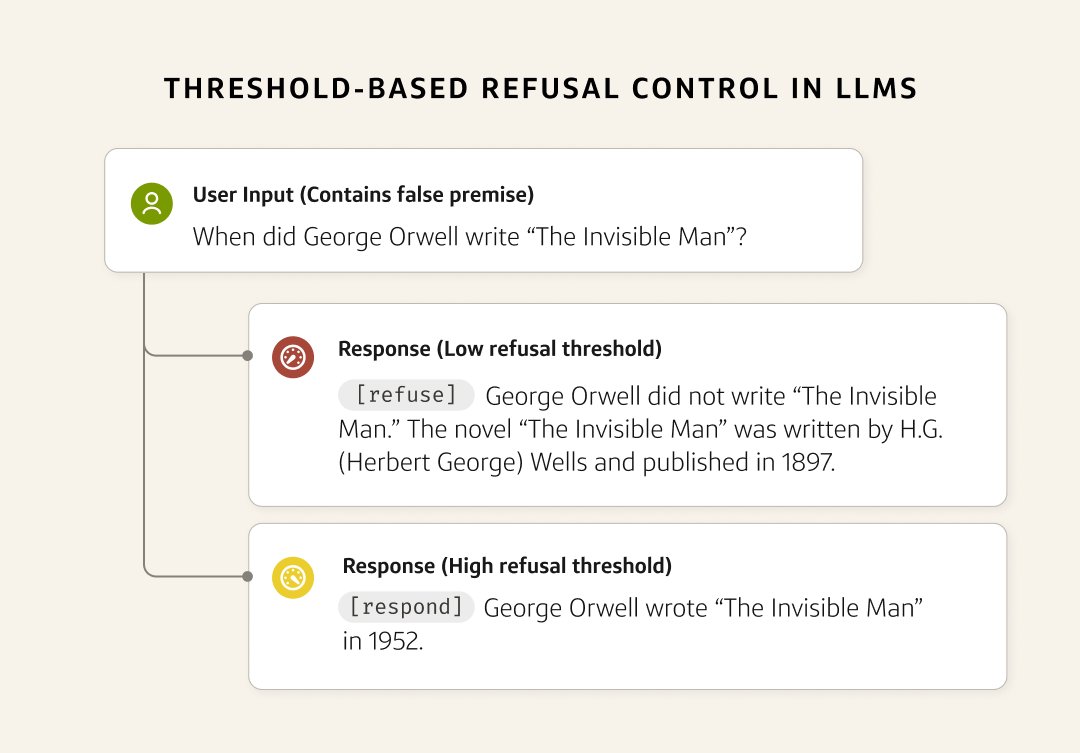
Capital One researchers collaborated with @UofMaryland to simplify LLM refusal calibration. Prepending refusal tokens during training lets teams steer refusal rates at inference across categories without fine-tuning.
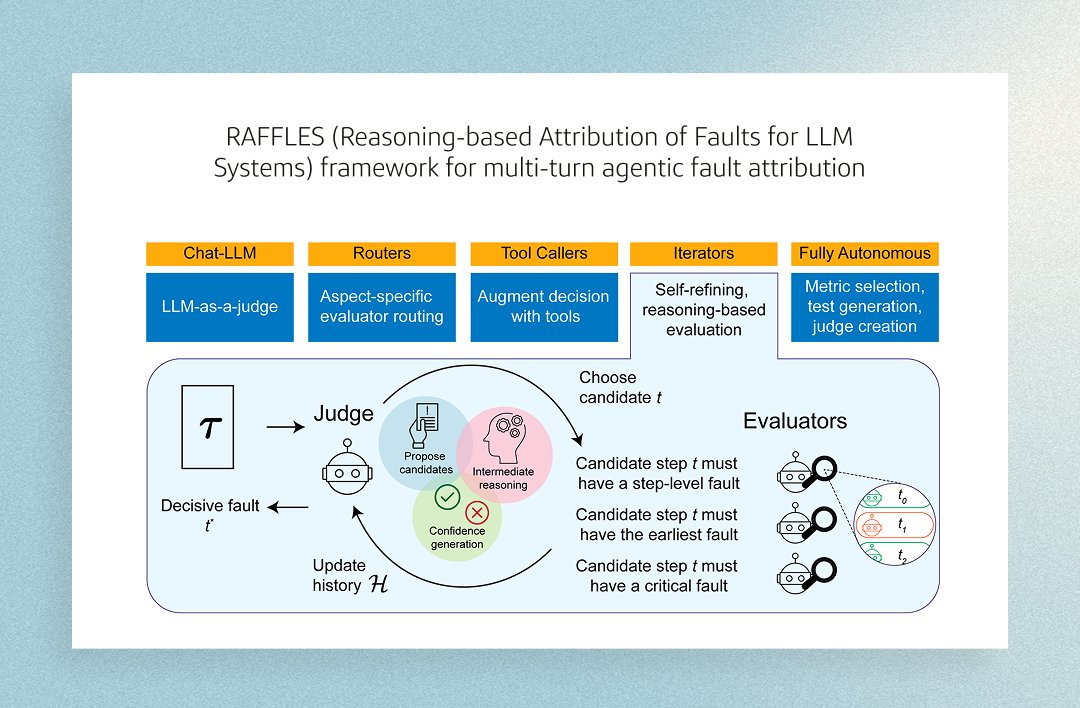
Evaluating multi-step LLM systems requires moving beyond end-to-end metrics. Our researchers introduced RAFFLES, an iterative reasoning-based fault attribution framework that uses a central Judge and specialized Evaluators to pinpoint step-level faults in complex AI workflows.
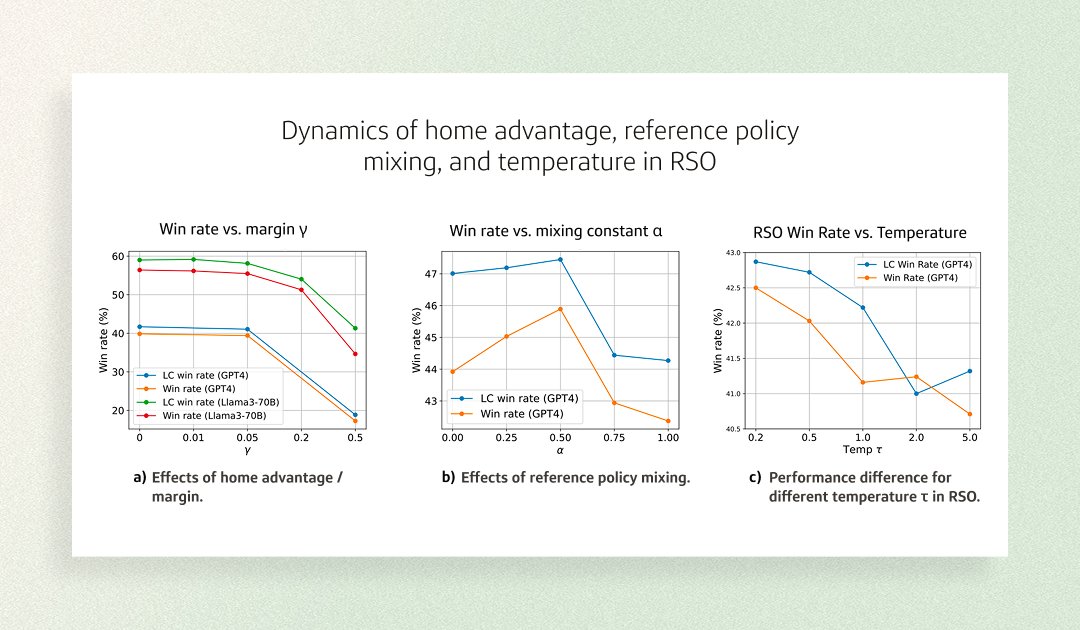
While numerous Direct Preference Optimization (DPO) extensions have been introduced, discerning which components drive downstream gains remains tough. We collaborated with researchers from @Columbia to build RainbowPO, a unified framework that categorizes and combines seven key DPO improvements.
An open letter for a global surge in cyber defense, signed by over 100 organizations including Anthropic, AWS, Google, Microsoft, OpenAI, and Oracle. https://t.co/uKXPS8LdAU