The Crazy Horse Memorial in South Dakota is one of the world’s largest mountain carvings in progress.
The top image shows the full design plan — a Native American warrior named Crazy Horse sitting on a horse and pointing ahead, honoring Native pride and history.
@ChristinaWPLG If the local government moves out of the building it should be preserved and turned into a dual use government meeting and historic museum. Like when visiting the United Nations building in New York. Tourists and local visitors would pay for the maintenance & future improvements
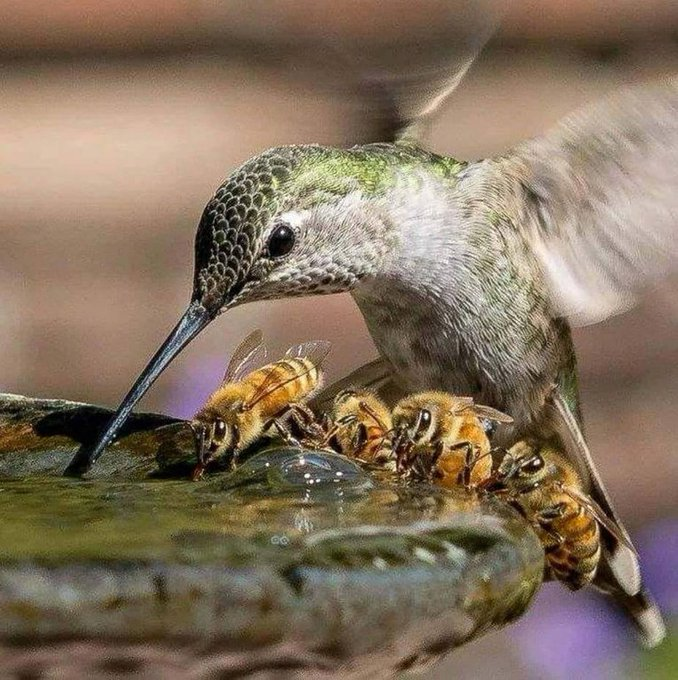
Morgan Freeman is turning his entire 124-acre ranch in Mississippi into sanctuary for bees.
Alarmed by collapsing bee populations, Freeman decided to act back in 2014. He imported 26 beehives from Arkansas to his ranch in Mississippi and planted fields of clover, lavender, and magnolia – creating a pollinator paradise across the entire property.
What began as a personal hobby quickly became a full-scale conservation effort. Bees pollinate about 80% of the world’s flowering crops – including many fruits, nuts, and vegetables. One healthy colony can pollinate up to 300 million flowers in a single day. Without bees, ecosystems collapse. Food systems follow.
@Rainmaker1973 Awesome! 😎 He could use some high tech Flow Bee Hives! https://t.co/QvVR0Lat9o and join in with a bee charity organization like Save The Bees! https://t.co/TnIaLPXCfW
Three 16-year-old Indian students turned a simple observation into a groundbreaking environmental innovation.
While visiting a rural village, Avyana Mehta, Ariana Agarwal, and Vivaan Chhawchharia noticed a young child drinking water from a communal plastic container. That moment sparked their concern about invisible microplastics contaminating drinking water.
Motivated to find a solution, the trio developed Plas Stick, a biodegradable powder made from waste tamarind seeds. When added to water, the powder causes microplastic particles to clump together, making them easier to filter out. The invention requires no electricity, no expensive equipment, and is designed to be affordable and practical for communities lacking advanced water treatment systems.
Their innovation earned them a historic achievement in 2026: they became the first Indian team to win The Earth Prize, one of the world’s most prestigious environmental awards for teenagers.
Beyond the award, the students have conducted workshops reaching over 8,000 people across India, raising awareness about microplastic pollution and sustainability.
Their story proves that meaningful change can start with curiosity, compassion, and the courage of young minds determined to solve real-world problems.
Oh my gourd!
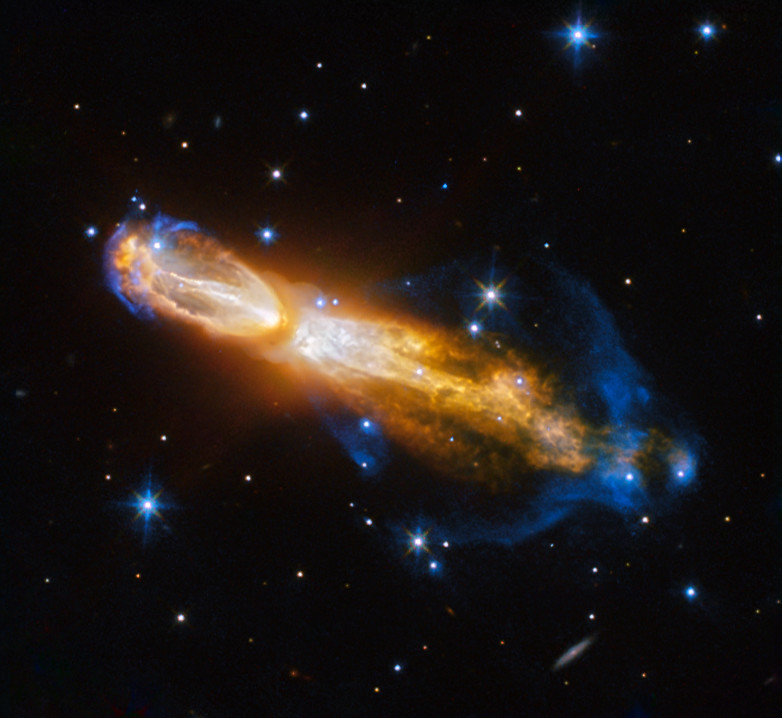
Hubble captured a view fit for a Thanksgiving feast: The Calabash Nebula!
Calabashes are a type of gourd, and just like this dying star, they're lopsided in shape: https://t.co/Odn2XH0HO8