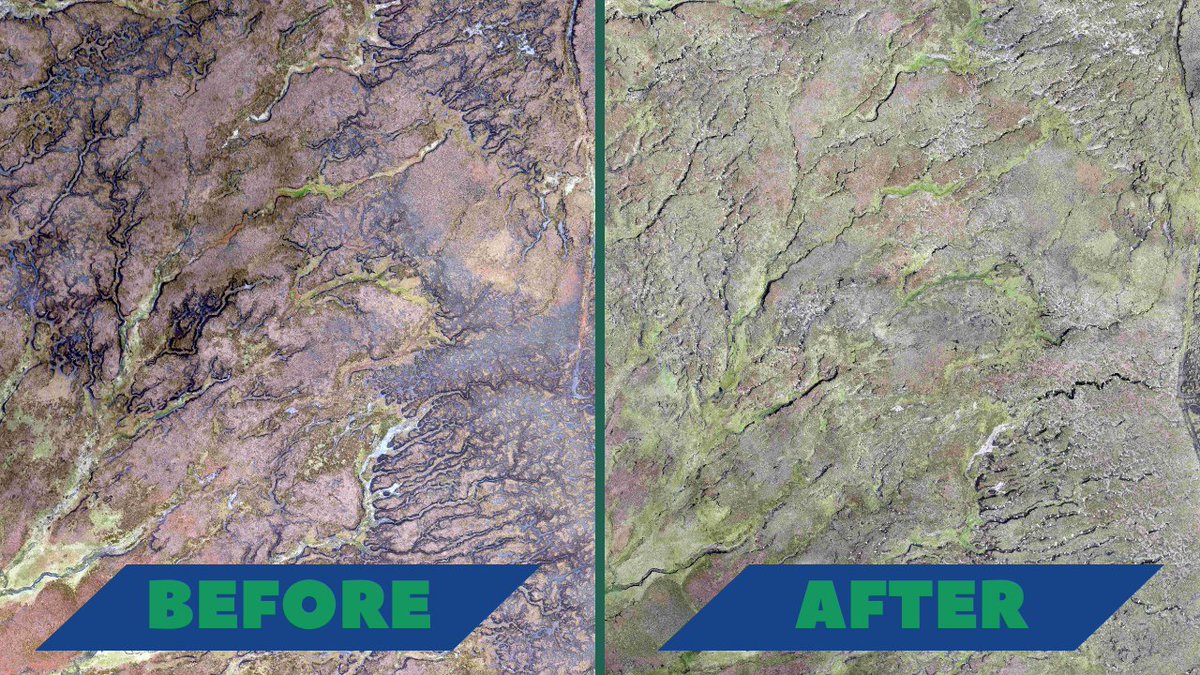
🌱 2020 vs. 2023 🌱
In 2020, restoration work kicked off at the County Durham upland peatland site. The change we've seen over the past three years is remarkable
🌿 IIntroducing Wilder Carbon: A Not-for-Profit Natural Climate Solution🌍
Wilder Carbon is a not-for-profit initiative that ensures top-quality conservation projects in the UK.
Discover more details at: https://t.co/Kcm9jsp3Vh
#WilderCarbon#ClimateSolution#Conservation
Uncovering the Benefits of Paludiculture: @Radboud_Uni Releases study on Wetland Plant Development and its Impact on Methane Emissions.
Access the full paper now: https://t.co/vqnuL283Jh
On 13 January, Waterschap Aa and Maas in cooperation with Innovation House De Peel, is organising the Cattail Harvest event at the CConnects pilot site in Helmond (NL).
you can find more information via this link: https://t.co/guxOsEN2Cz
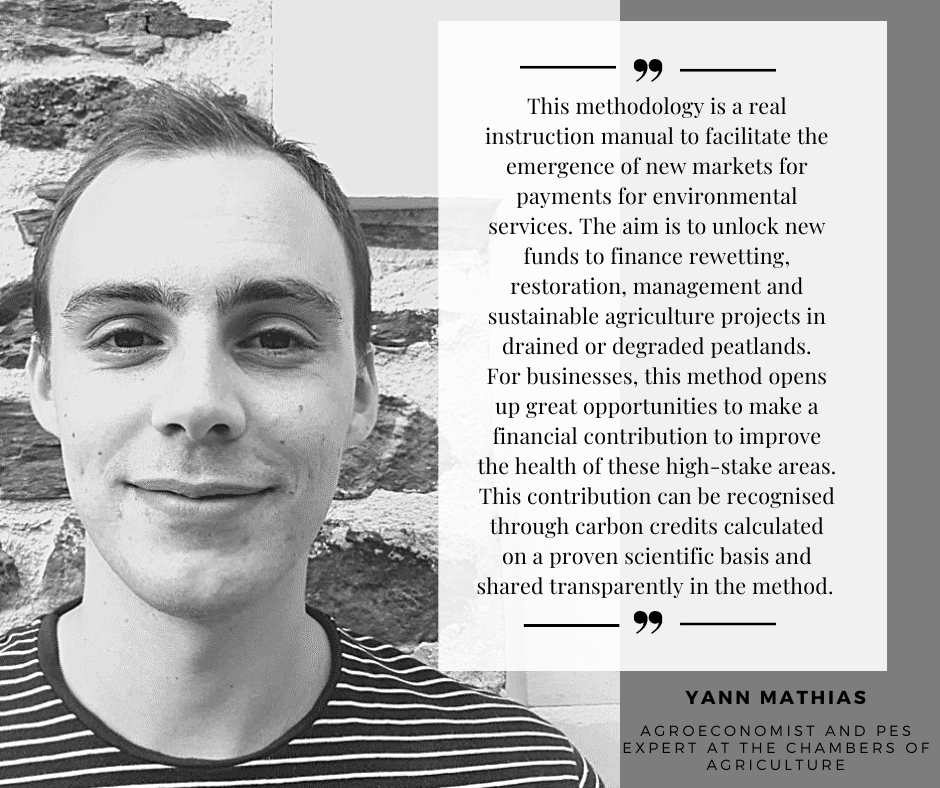
Great news for Europe's peatlands! AC3A and its European partners in the Interreg Carbon Connects project have published a carbon crediting methodology for valuing these carbon and biodiversity rich areas.
https://t.co/mG8OAE3BBR
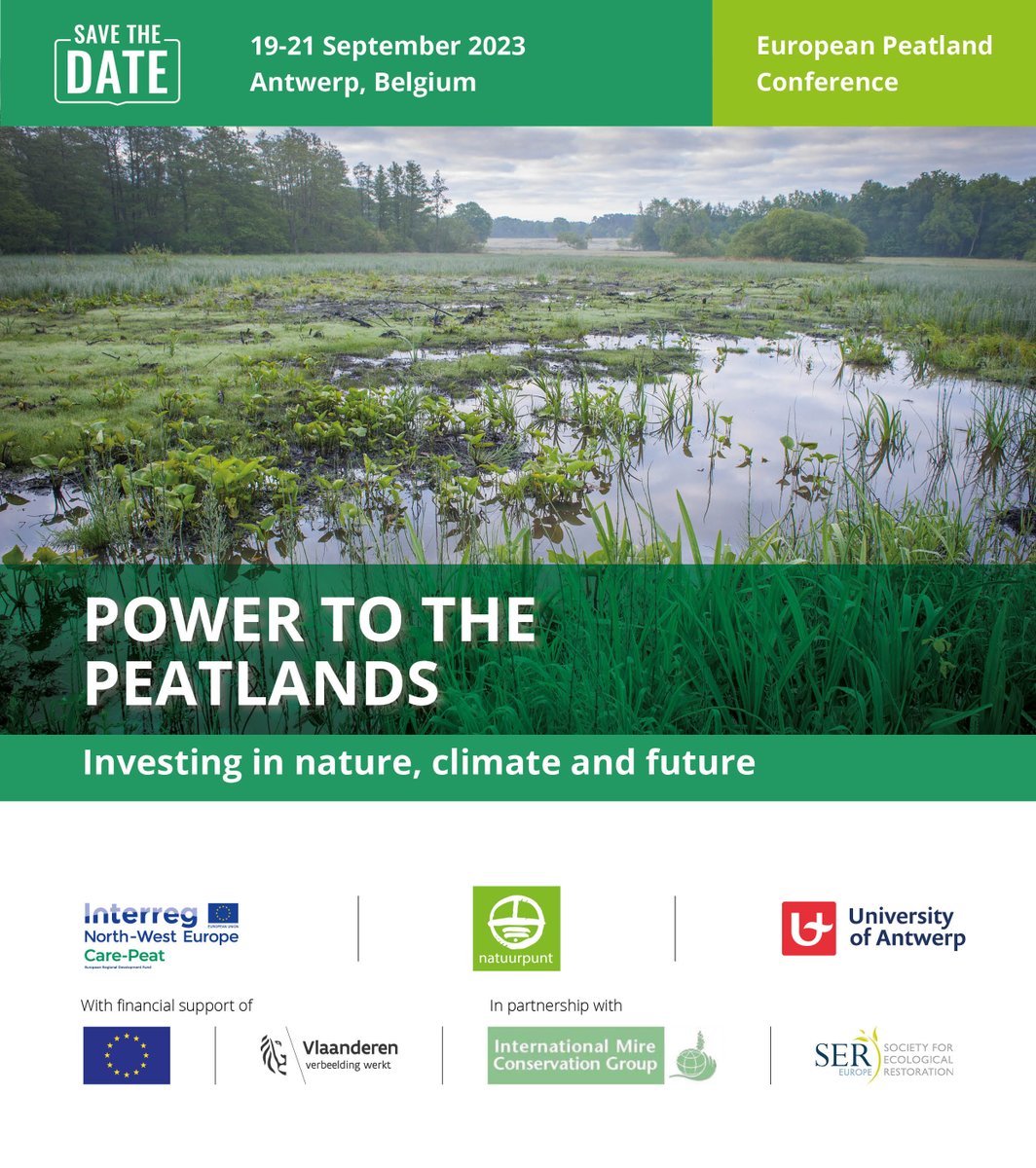
In September, the European Peatland Conference will be organised in Antwerp. During the conference questions and solutions will be discussed through lectures, workshops and field visits.
Stay informed about the conference: https://t.co/oPK5xIDZ0I
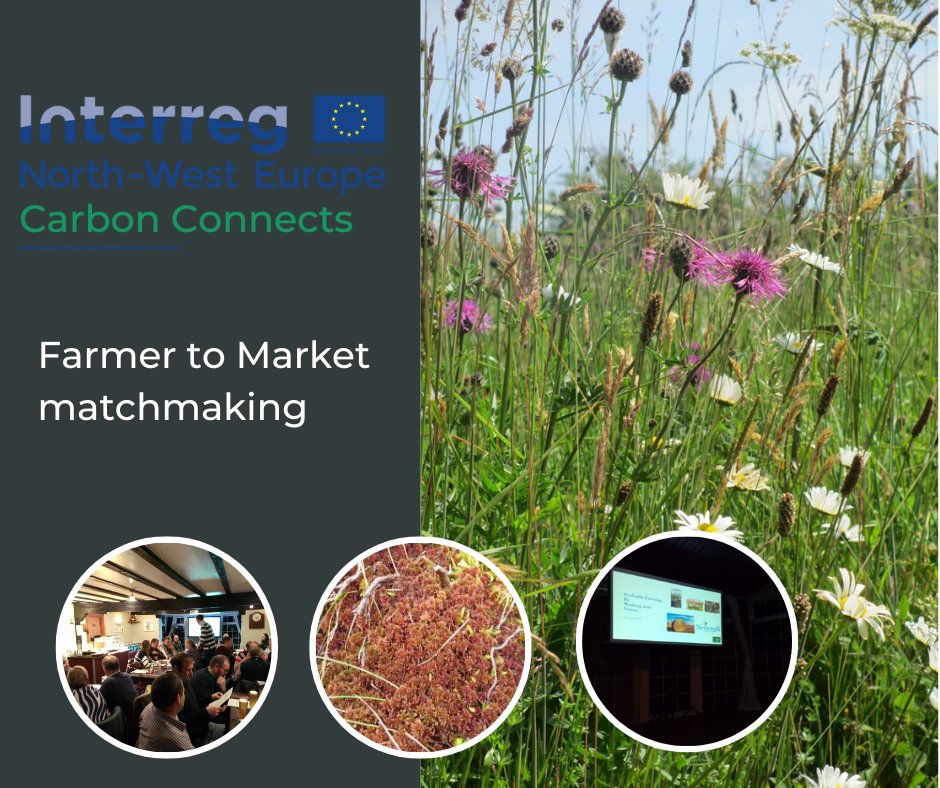
Wear Rivers Trust (WRT) organised a Farmer to Market matchmaking event to introduce farmers to Maximum Sustainable Output (MSO) approach as an alternative way of working to land management as a precursor to potential routes to market and investor contact.
#CarbonConnects
The @AC3Atlantique together with Carbon Connects partners, has prepared a report on the methodology for certification of carbon credits for peatlands.
You can read the paper on the website of carbon connects!
👇👇
https://t.co/xEM9GmwGBV
#CarbonConnects
@NorthPennAONB uses the reintroduction of spaghnum moss as a means of restoring degraded peatlands. In the video below, you can see the planting of spaghnum moss on a Carbon Connects pilot site.
#CarbonConnects#Peatlandsmatter
https://t.co/b0ABQQd9m8
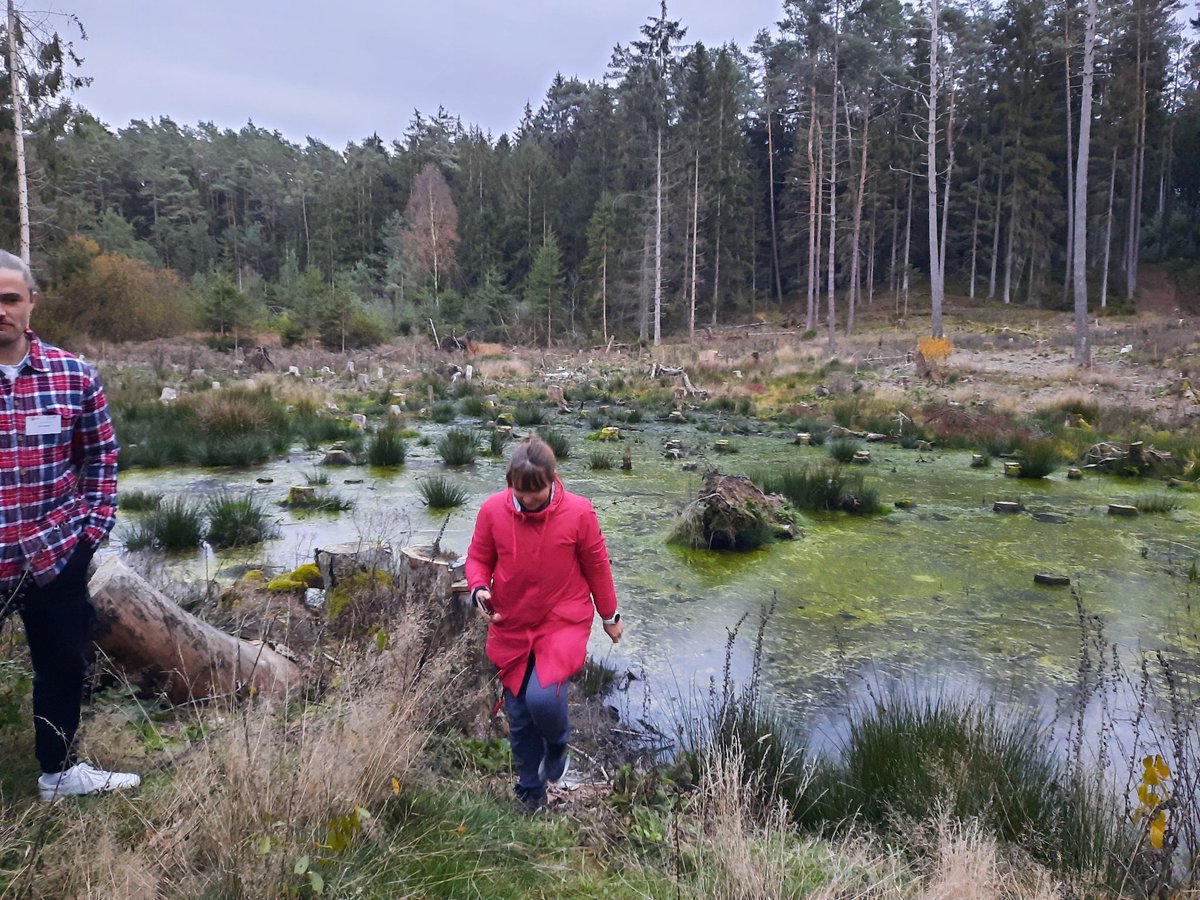
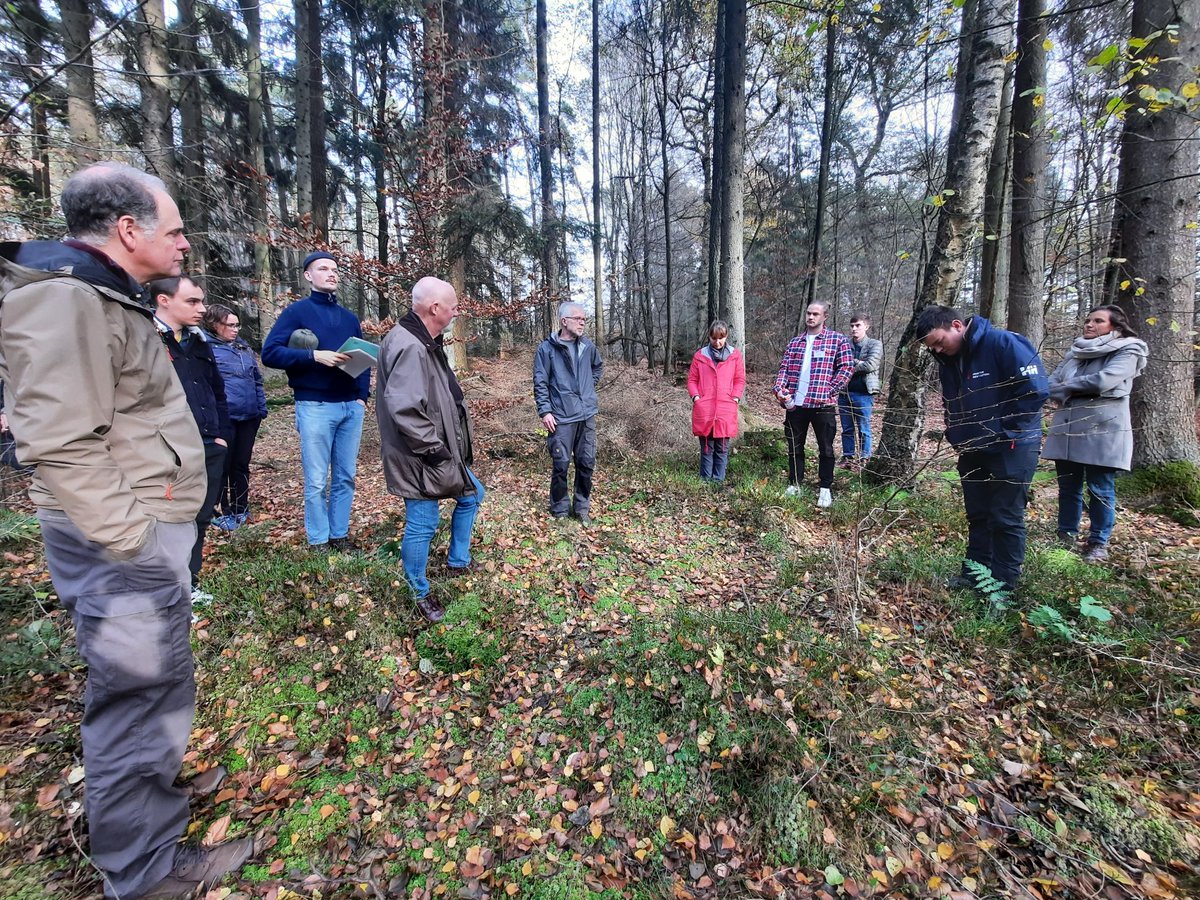
Excursion to Burgwald Münchhausen during the partner meeting in Marburg, interesting learning material for Carbon Connects partners!
#CarbonConnects#PeatlandMatters
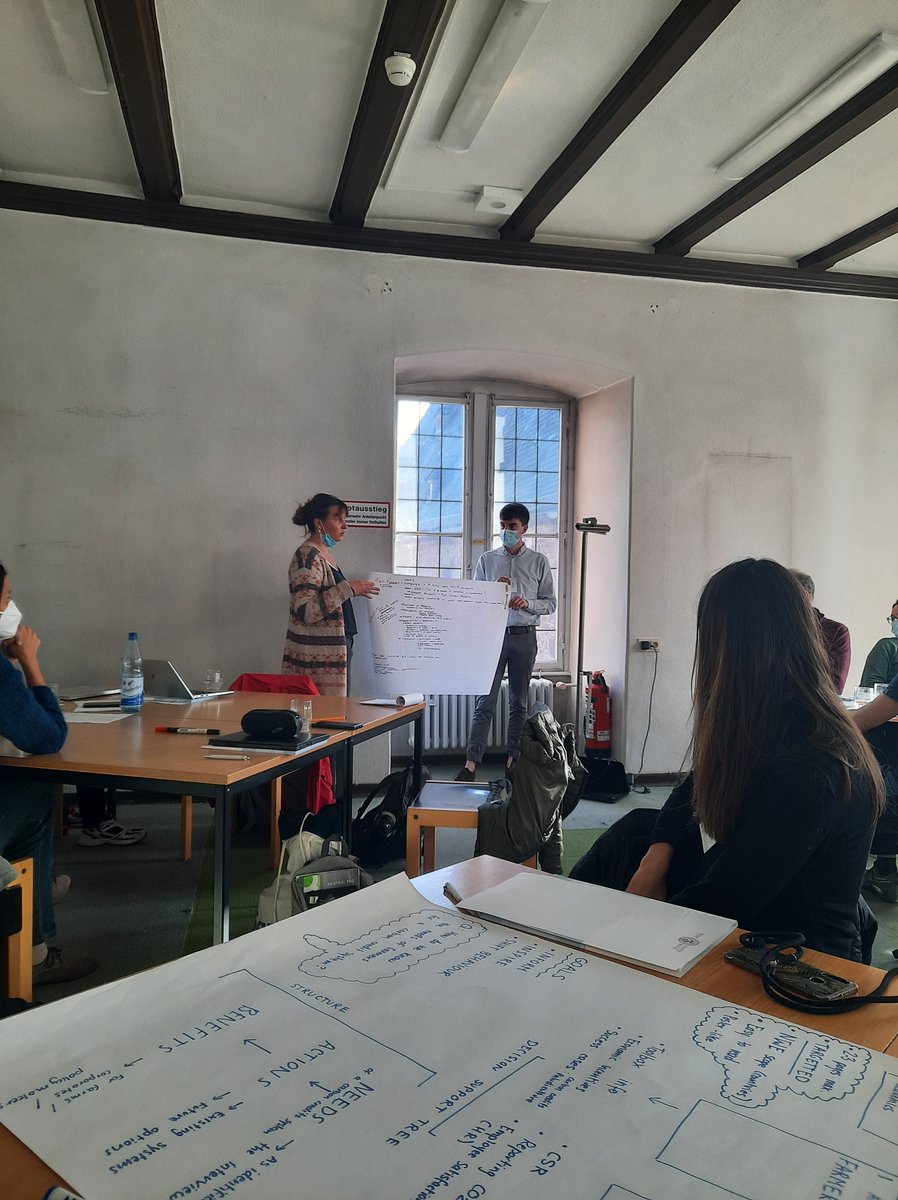
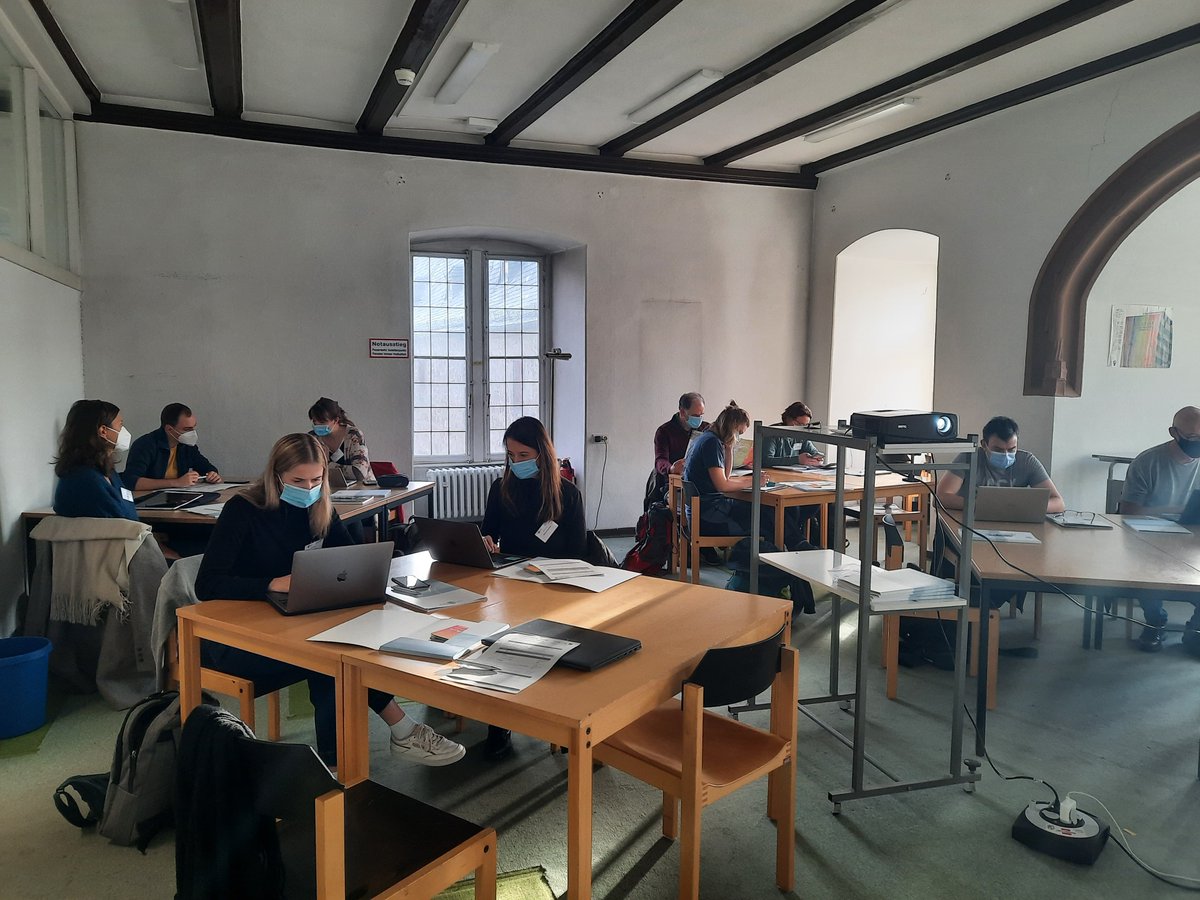
Carbon Connects' 10th partner meeting has kicked off in Germany at the @uni_MR_GP where we will discuss peatland restoration together over the next few days!
#PeatlandsMatter#CarbonConnects
The National Parks and Wildlife Service recently published a report exploring the need for more pan-European cooperation on sustainable management of peatlands. Several carbon connects partners contributed.
you can read the study here👇👇
https://t.co/kmI8LNYech
Below, a testimonial of advisors to the Pays de la Loire Chamber of Agriculture, presenting the work carried out as part of the Carbon Connects project in the Grand-Lieu wetlands, to assess the potential for carbon storage in the soil.
@AC3Atlantique
https://t.co/TDqgWDUIhD
The video below shows an event on cattail cultivation at the Dutch Carbon Connects pilot site in Helmond, organised by @aaenmaas together with @VHL_uas. It shows that cattail can be a successful solution for paludiculture on rewetted peatlands.
https://t.co/8xc0FLnRWz
In September, WAM was present at the "Agrarische dagen" in Someren
One farmer said, "I have a dairy farm near the Peel Bog; my land is not suitable for paludiculture, but I would like to manage a field of cattail nearby, because cattail is a promising crop."
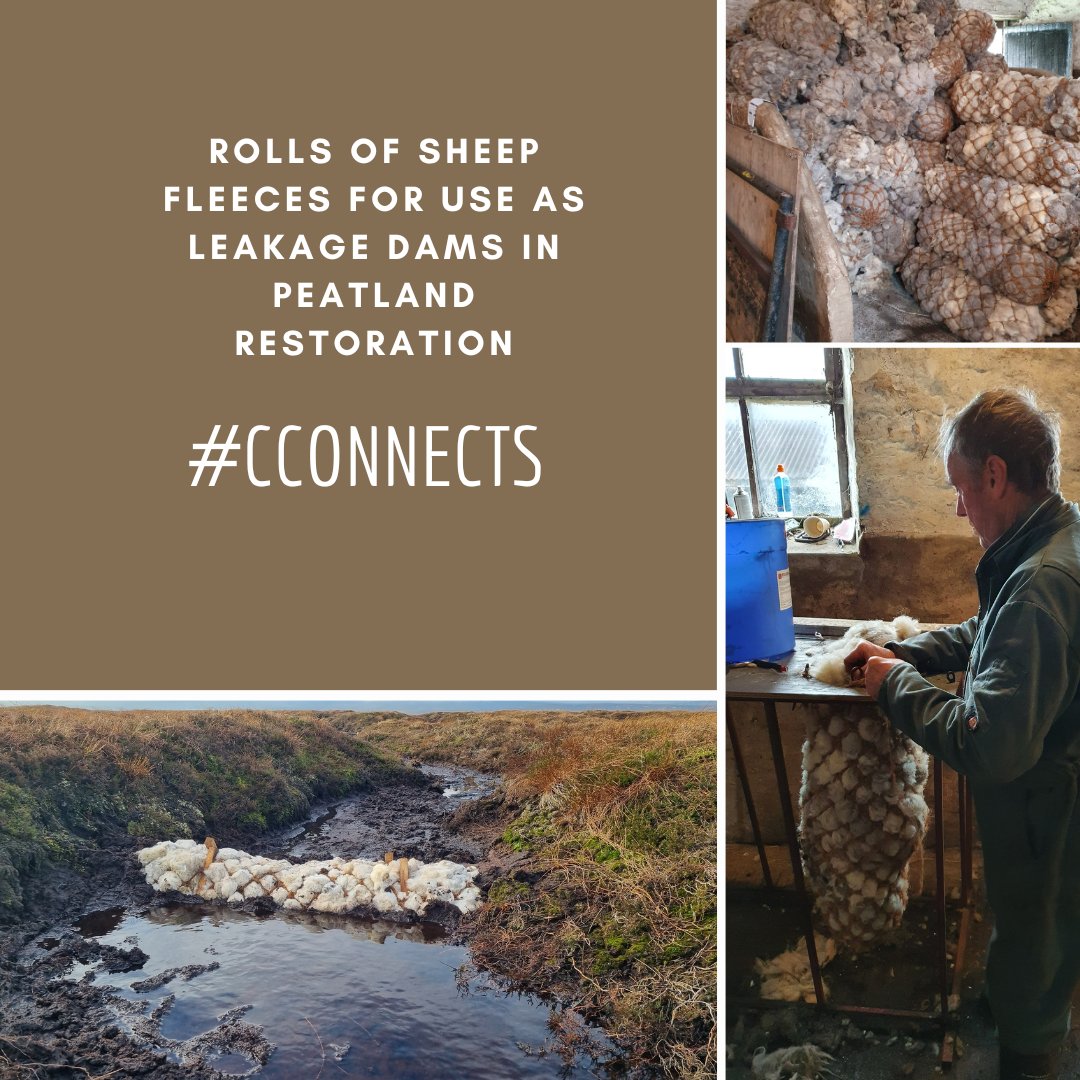
These are some photos of a local farmer involved in the Carbon Connects project.
He made rolls from his sheepskin to test as an alternative to the coir rolls commonly used as leak dams in peatlands.
#CConnects#peatlandsmatter
Discover the story of Erwan Briant, an organic dairy farmer on the Grand-Lieu marsh. In his testimony, he talks about how value can be added to agricultural products from wetlands! @AC3Atlantique#Cconnects#peatlandsmatter#wetlands
👇👇👇
https://t.co/96QTTY8Ehq
Spaghnum plugs and clumps were planted at one of CC's pilot sites, a degraded bog in the North Pennines. For some time, patches of bare peat had been visible on the site and the number of spaghnum mosses was decreasing. Below, the evolution in 2 years! @NorthPennAONB