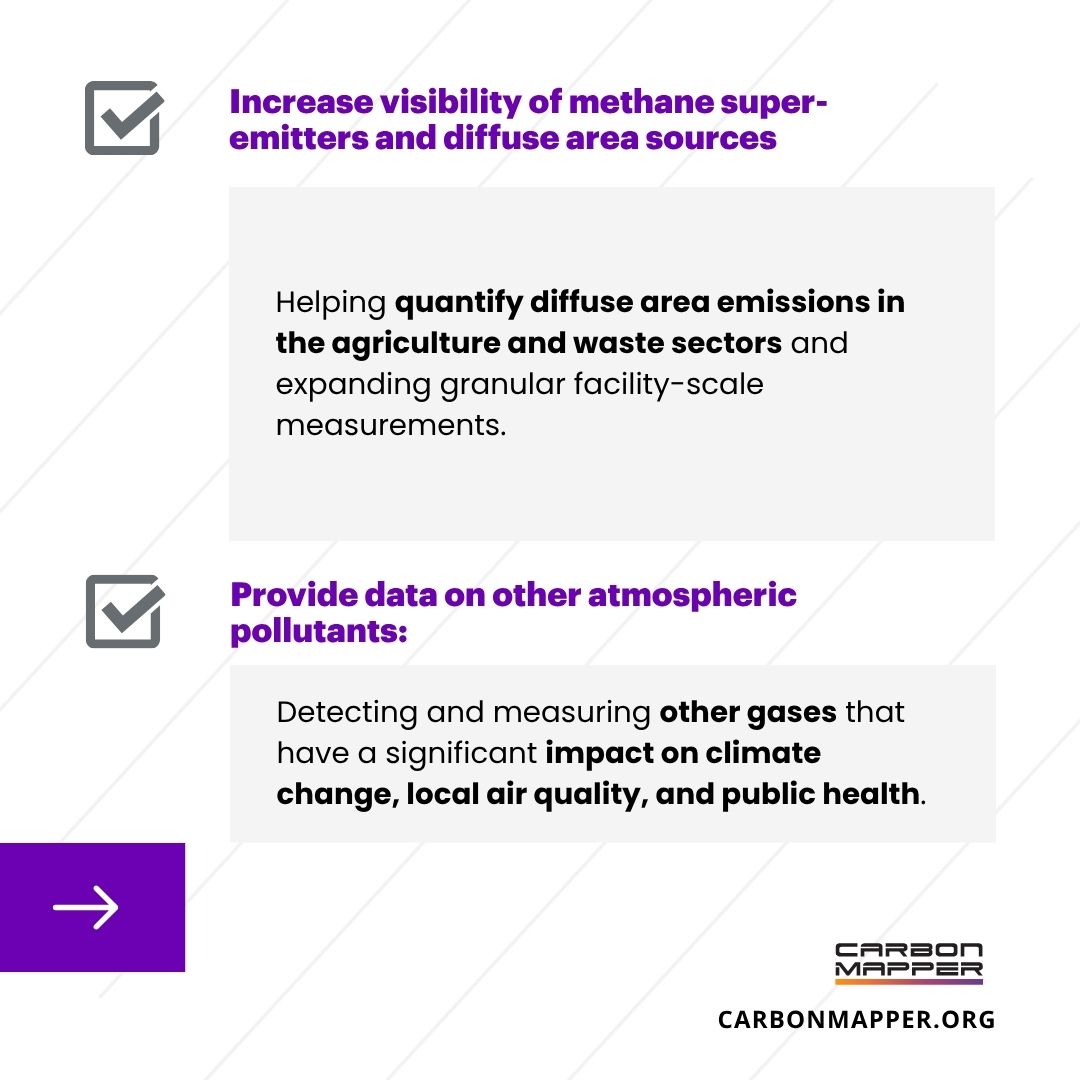
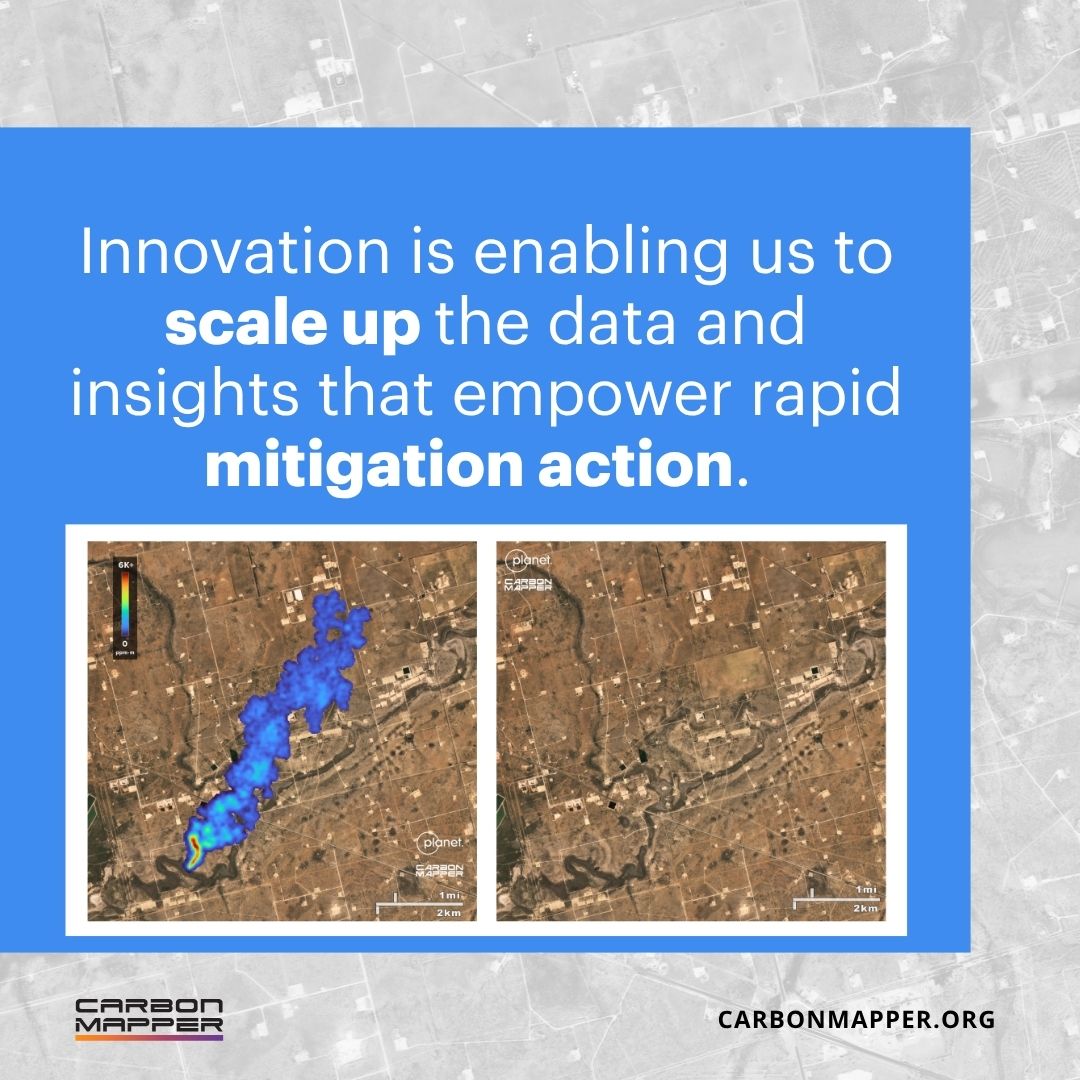
📣Big News: We’re planning to develop and deploy tech additions to our remote sensing constellation, leveraging advancing imaging on aircraft & satellite to increase our ability to pinpoint #MethaneEmissions & other pollutants for rapid mitigation. 👉More: https://t.co/5shtcYtYqm
Join us at #LACW2026 for an in-person panel on how data & policy leadership can help #CutMethane in Europe & beyond.
🎤 Unlocking Scale & Impact on Methane: Data, Policy & Pathways to Action
📅 June 22, 2026
⏰ 2:30–4:30 PM BST
📍 London, UK
Register: https://t.co/ilhLpl9MQw
🌍 #PlumeOfTheWeek — #Methane emissions detected at a natural gas storage facility in Louisiana, U.S., using @planet's Tanager-1 🛰️ . Visible in this scene: Compressor engines & multiple transmission lines feeding into an #OilAndGas facility.
🔎 Explore https://t.co/jzAxioQ85o
🌍 Plume of the Week — #Methane emissions from an underground mine in Russia, observed using @planet's Tanager-1 satellite 🛰️. Mining operations and processes can often emit methane, and both emissions and mines are plentiful in this coalfield.
🔎 Explore https://t.co/jzAxioQ85o
The study highlights how satellite-and-air-based data can help improve methane inventories and support more accurate emissions reporting across the coal sector. 📊 Read more: https://t.co/GbkQejFzoF
Cutting fossil fuel #methane could rapidly slow warming, but major gaps exist. New research from @Harvard, Carbon Mapper & others found that aircraft-based methane measurements from U.S. underground coal mines were within 40% of direct on-site estimates.⬇️ https://t.co/GbkQejFzoF
The findings also come as coal development becomes increasingly centralized globally. According to @GlobalEnergyMon, 97% of coal power development worldwide is now concentrated in just 10 countries. 🔎
🌍 Plume of the Week — #Methane emissions from a chemical facility in Algeria, observed using @planet's Tanager-1 🛰️. This plume extends 7km and covers multiple residential areas, highlighting #Mitigation benefits for climate & #PublicHealth.
🔎 Explore https://t.co/jzAxioQ85o
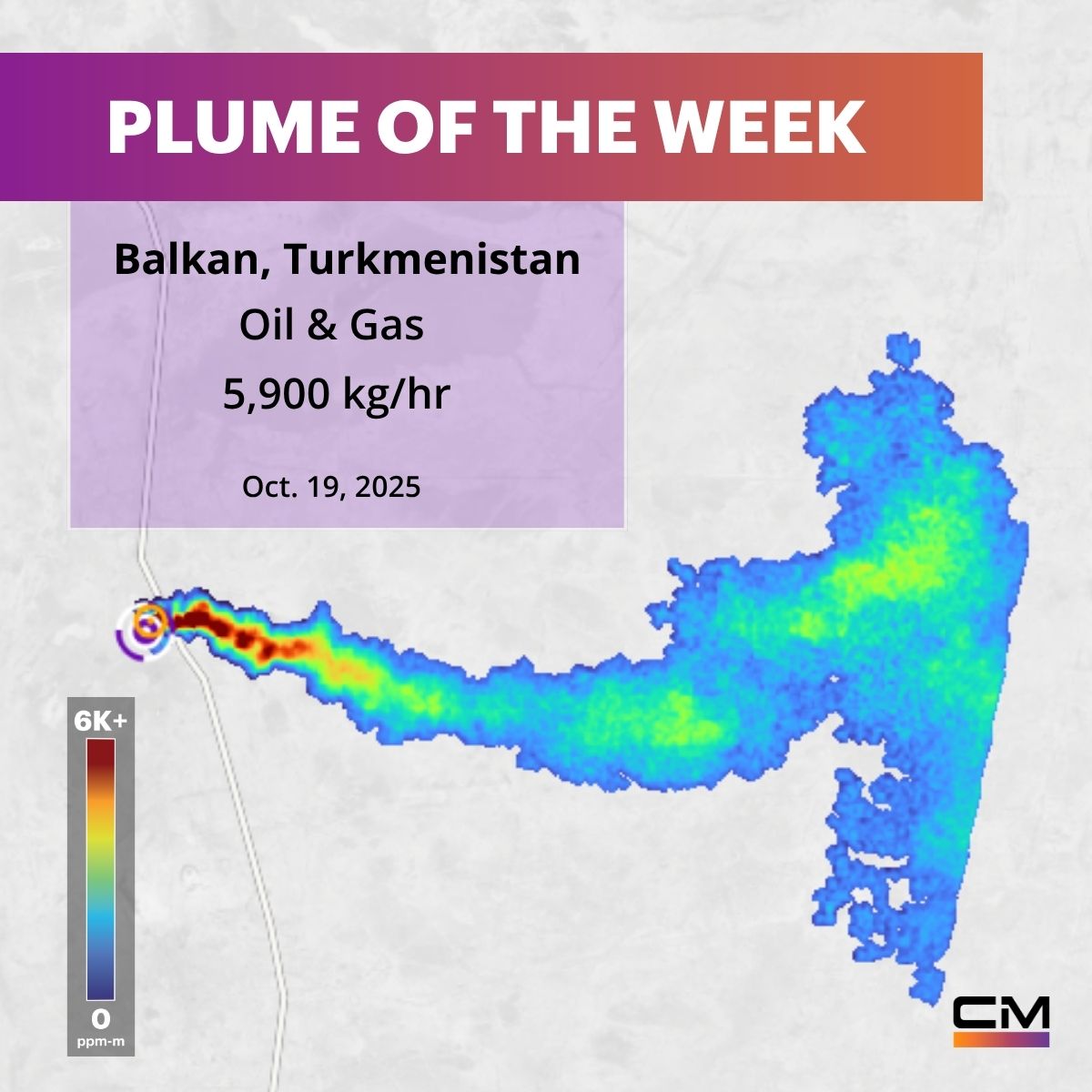
🌍 Plume of the Week – #Methane observed by @planet's Tanager-1 satellite in Turkmenistan. The plume appears to originate from an #OilAndGas flare. High-res data can help link emissions to infrastructure/equipment for focused mitigation action.
🔎 Explore https://t.co/CelmmwpHfC
🌍 Plume of the Week — #methane detected by Carbon Mapper using observations from Planet’s Tanager-1 satellite.
Observations like these can help grow understanding of waste emissions & support targeted mitigation.
#Waste#MethaneData#Emissions#EarthObservation
This year’s Global Methane Tracker from @IEA highlights how Carbon Mapper data is revealing the scope of large emissions from oil and gas upstream and midstream production. These emissions are often persistent, emitting over days, weeks & months. ⛽ More: https://t.co/Oorq2cNSUY
Urgency & opportunity for #methane action was underscored in today’s @IEA Global Methane Tracker release. It shared our data & insights from the #OilAndGas sector, showcasing how tackling persistent methane leaks can reduce methane product waste.
🔗 More: https://t.co/2yTHWSYRkr
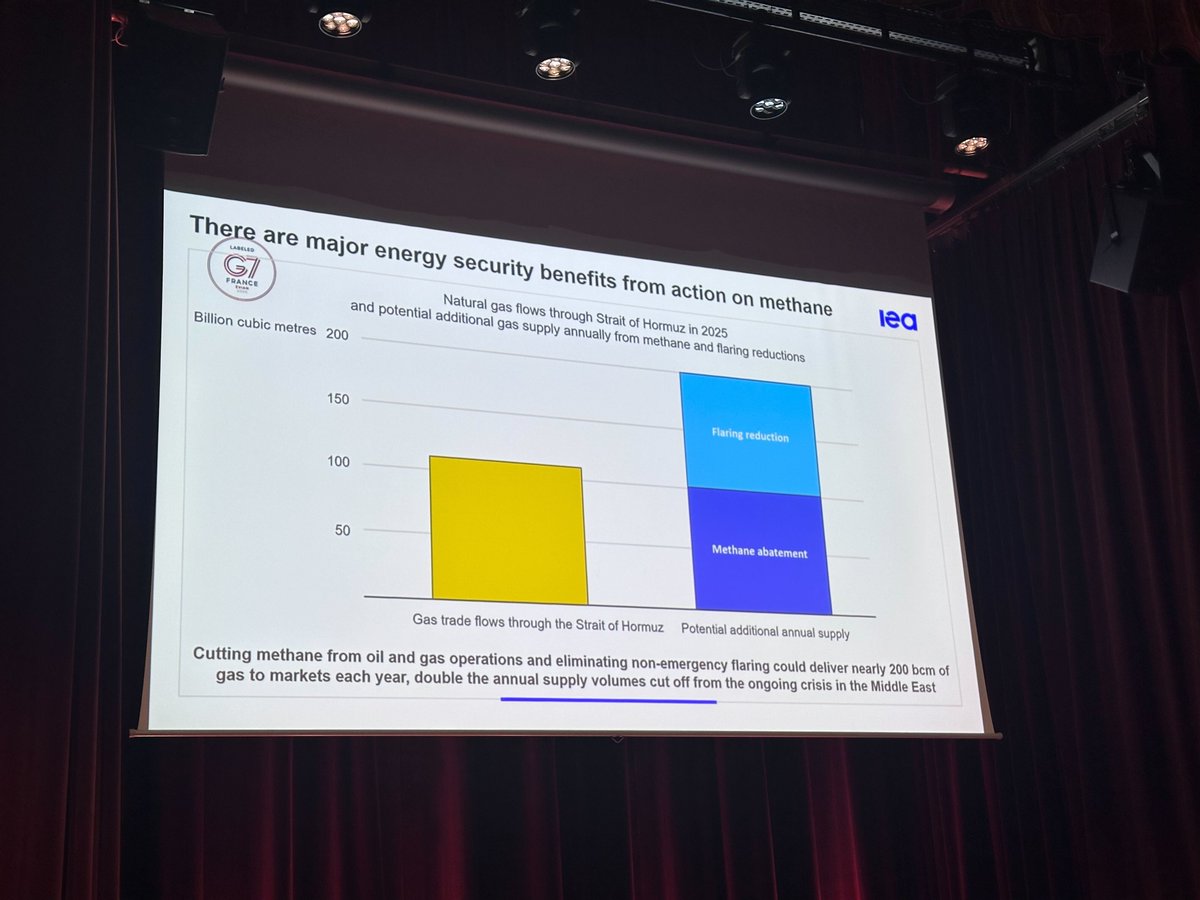
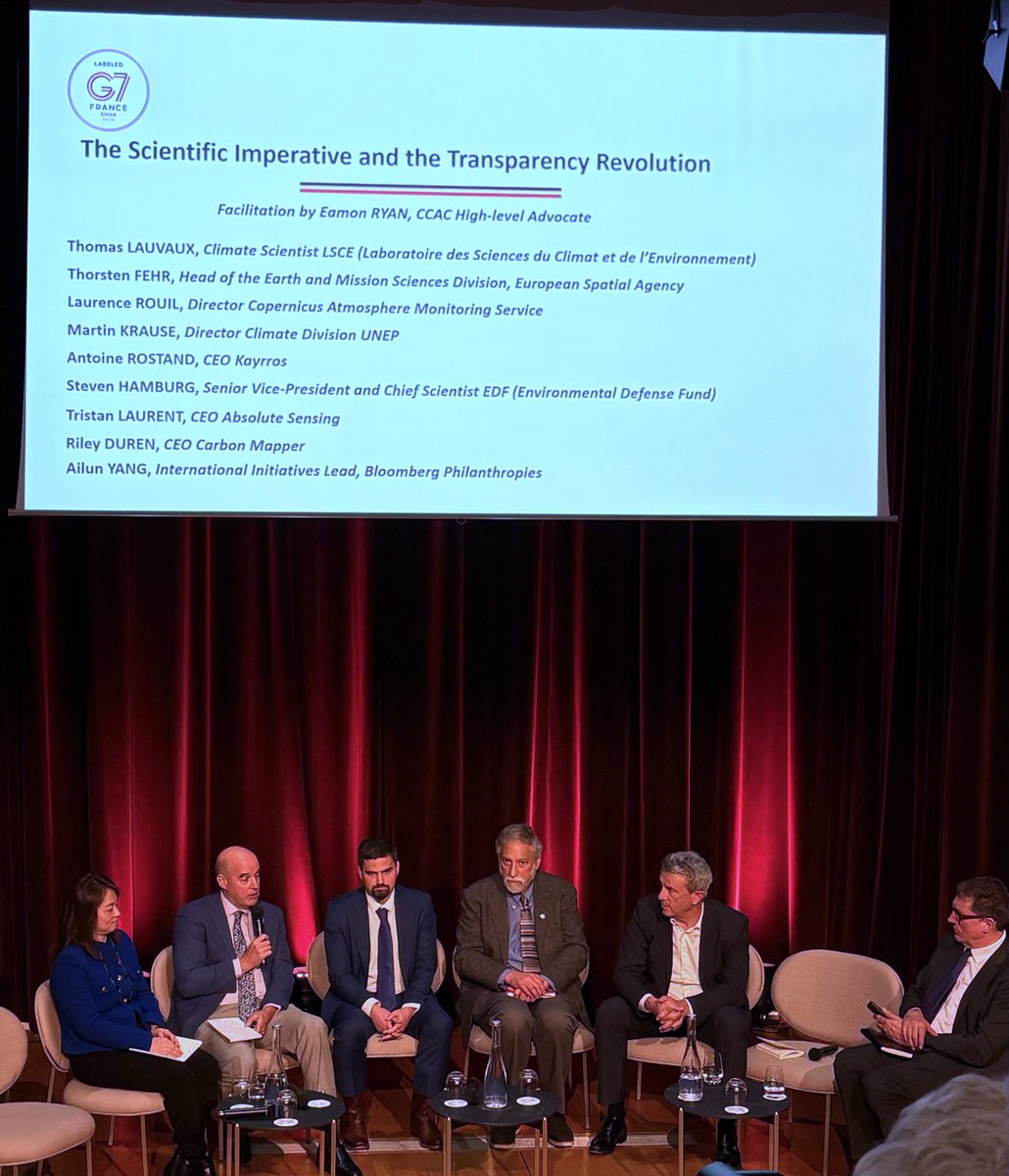
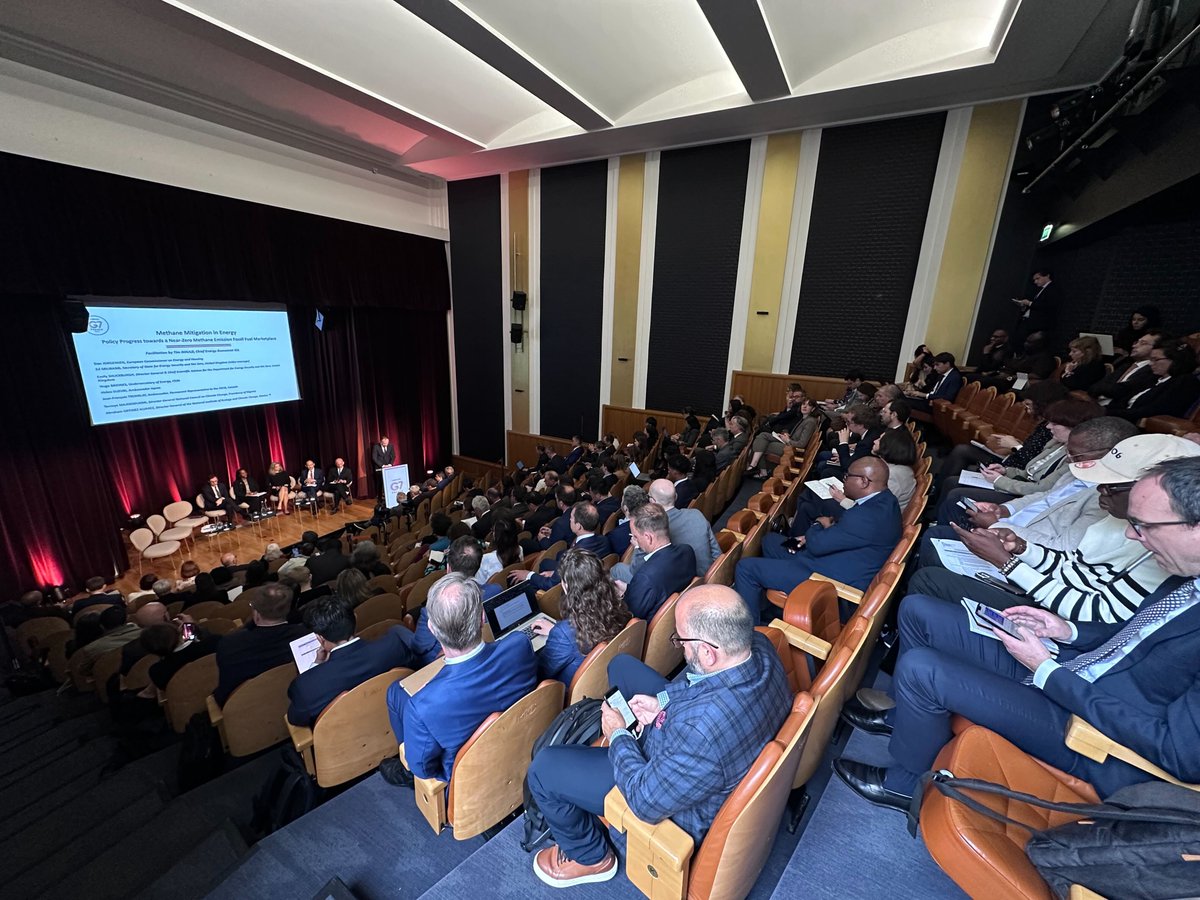
Global leaders convened in Paris for a #G7#methane summit. Carbon Mapper’s CEO shared how our data is unlocking fast mitigation action & what’s next for our tech & impact. Bold leadership, innovation & collaboration will pull the methane emergency brake to slow #climate warming.
These additions will help us continue to deliver on our mission to mitigate GHGs with actionable, science-based #data and insights.
➡️ Read more: https://t.co/5shtcYtYqm
📣Big News: We’re planning to develop and deploy tech additions to our remote sensing constellation, leveraging advancing imaging on aircraft & satellite to increase our ability to pinpoint #MethaneEmissions & other pollutants for rapid mitigation. 👉More: https://t.co/5shtcYtYqm