Cardano Series REDUX NFTs - Coming Q2 2023! The Cardano Series is a story NFT collection based on the people and mythology of Cardano. Produced by @nftynfty.
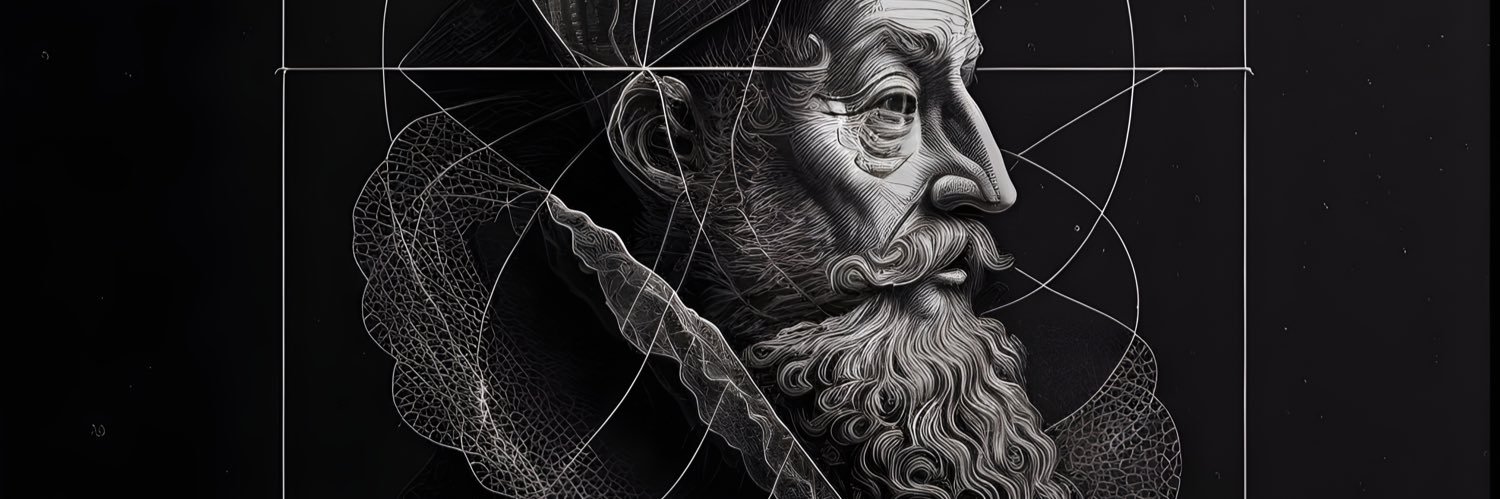
🔥Our Mount Cardano Twitter banner NFT claim is now live!
Visit: https://t.co/pDaRYTbMoq
Free for all Cardano Series 1 & 2 collectors!
Must hold any #Cardano Series 1 or 2 #NFT in the same wallet you're claiming from. (5 #Ada mint fee)
Dear @IOHK_Charles, perhaps you'll remember me as the "random person who did something at some point on the chain".
I have a genuine question and would love to hear your opinion.
I think we can both agree that most people start their crypto journey through a cextralized exchange. It's much simpler, you don't need to write down your seedphrase, you don't need to learn how to use a wallet, you don't need to worry about being drained and you have direct access to many assets from different chains. It's just easier for new comers.
Yesterday alone, the daily trading volume coming from the top 10 CEX was ~$28B USD. For reference, last year, #cardano total DEX volume was ~$1.5B USD. Volume is both visibility and liquidity in this market. Why aren't we trying harder to get a share of it?
I believe CNTs and #cardano as a chain would benefit immensely if our top projects were listed on more centralized exchanges. It seems to me like it could be an easy win for everyone. Liquidity would flow into the ecosystem, projects would generate more fees and it would accelerate the adoption of #Cardano.
What are we waiting for?
What is Hydra?
In Greek Mythology, Hydra is a monstrous serpent-like creature with multiple heads and poisonous breath. It was said to have been born from the union of Typhon and Echidna, two other monstrous creatures. The Hydra was notorious for being almost invincible due to its ability to regrow its heads. According to legend, whenever one of its heads was cut off, two new heads would grow in its place.
The Hydra was eventually defeated by the hero Heracles (also known as Hercules). As one of his twelve labors, Heracles was tasked with killing the Hydra. He used a sword to cut off its heads, but soon realized that they kept growing back. He then enlisted the help of his nephew Iolaus, who helped him cauterize the stumps of the necks before new heads could grow back. Heracles finally managed to kill the Hydra by cutting off its last head and burying it under a rock.
(image below from Cardano Series 1 collection)
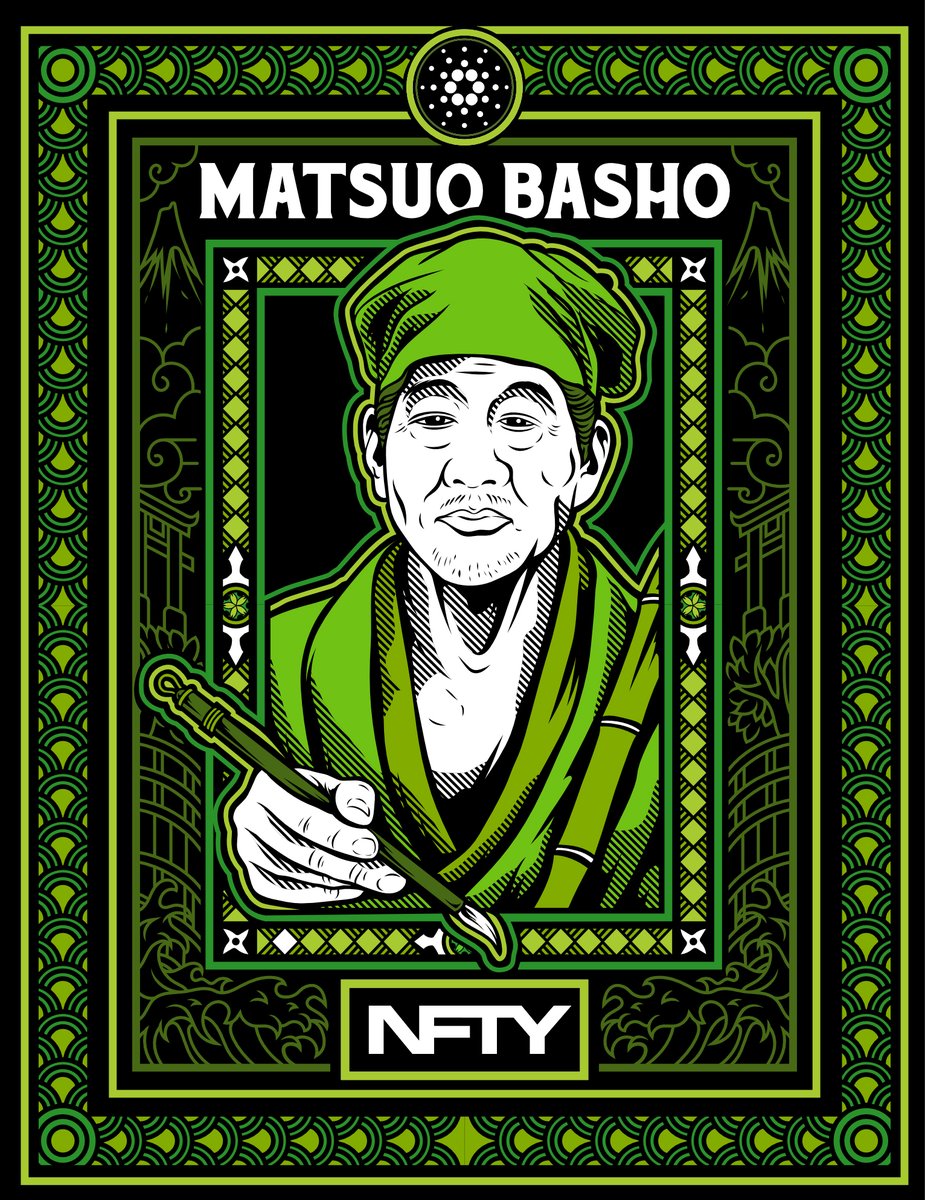
Who is Matsuo Basho?
Matsuo Basho (1644-1694) is one of the most famous and revered Japanese haiku poets. He is often regarded as the master of haiku, a traditional form of Japanese poetry characterized by its brevity and focus on capturing a single moment in nature.
Basho was born in the Iga Province of Japan (present-day Mie Prefecture) and later moved to Edo (modern-day Tokyo) to pursue a career in poetry. He studied various forms of Japanese poetry and became deeply influenced by the Zen philosophy, which emphasized the importance of simplicity and direct experience.
Basho's haiku poetry reflects his deep connection to nature and his travels throughout Japan. He is renowned for his ability to distill profound insights into just a few words, capturing the essence of a scene or an emotion in a single image. His works often convey a sense of transience and the beauty of fleeting moments.
One of Basho's most famous works is "Oku no Hosomichi" (The Narrow Road to the Interior), a travelogue written in both prose and haiku. In this work, Basho documented his journey through northern Japan, reflecting on his experiences, encounters, and the natural landscapes he encountered along the way. "Oku no Hosomichi" has had a significant influence on Japanese literature and continues to be studied and admired to this day.
Basho's contributions to haiku and his ability to evoke the essence of nature in his poetry have had a lasting impact on Japanese literature and poetry. His works continue to be studied and celebrated, and he is considered a key figure in the development of haiku as a distinctive art form.
(image from Cardano Series 2 collection - https://t.co/t3bEPyKTee)
Who is Matsuo Basho?
Matsuo Basho (1644-1694) is one of the most famous and revered Japanese haiku poets. He is often regarded as the master of haiku, a traditional form of Japanese poetry characterized by its brevity and focus on capturing a single moment in nature.
Basho was born in the Iga Province of Japan (present-day Mie Prefecture) and later moved to Edo (modern-day Tokyo) to pursue a career in poetry. He studied various forms of Japanese poetry and became deeply influenced by the Zen philosophy, which emphasized the importance of simplicity and direct experience.
Basho's haiku poetry reflects his deep connection to nature and his travels throughout Japan. He is renowned for his ability to distill profound insights into just a few words, capturing the essence of a scene or an emotion in a single image. His works often convey a sense of transience and the beauty of fleeting moments.
One of Basho's most famous works is "Oku no Hosomichi" (The Narrow Road to the Interior), a travelogue written in both prose and haiku. In this work, Basho documented his journey through northern Japan, reflecting on his experiences, encounters, and the natural landscapes he encountered along the way. "Oku no Hosomichi" has had a significant influence on Japanese literature and continues to be studied and admired to this day.
Basho's contributions to haiku and his ability to evoke the essence of nature in his poetry have had a lasting impact on Japanese literature and poetry. His works continue to be studied and celebrated, and he is considered a key figure in the development of haiku as a distinctive art form.
(image from Cardano Series 2 collection - https://t.co/t3bEPyKTee)
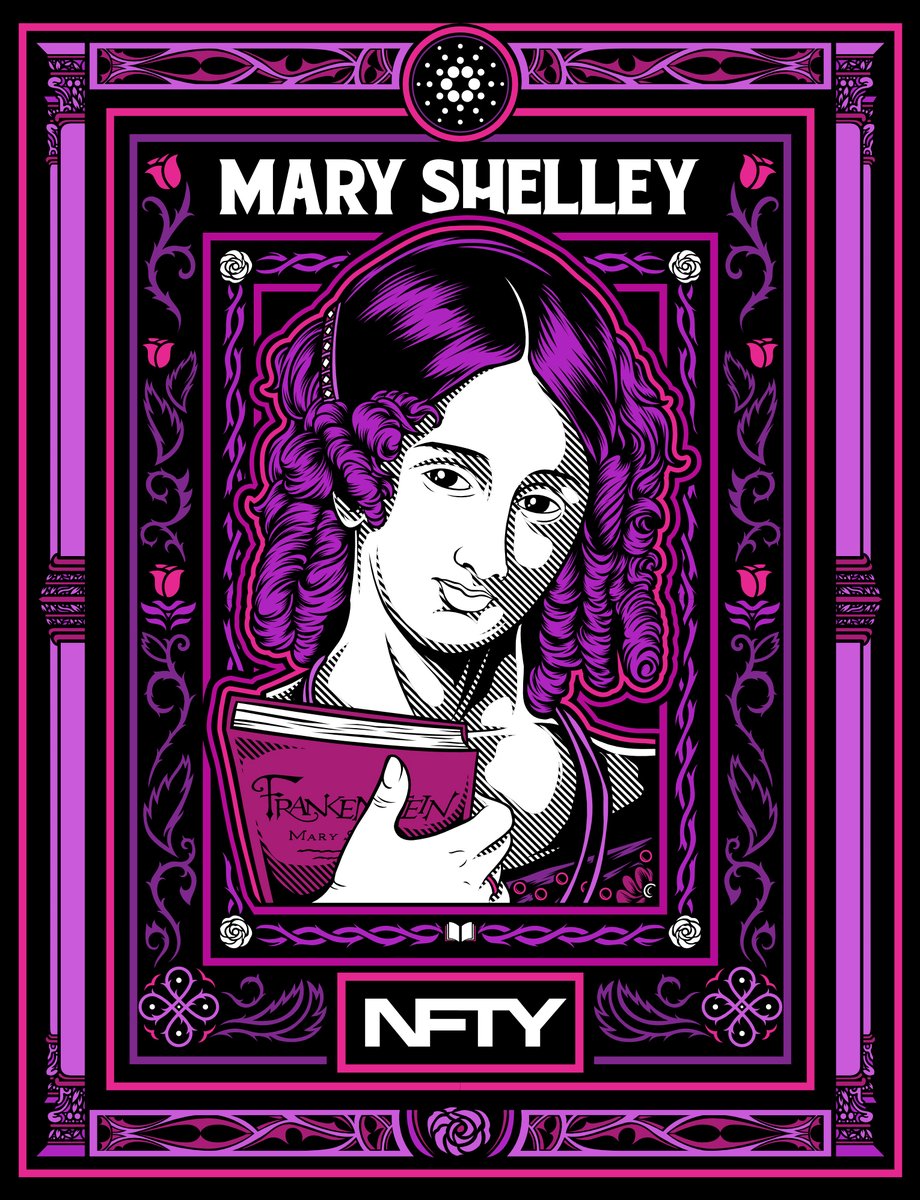
Who were Percy and Mary Shelley?
Percy Bysshe Shelley (1792-1822) and Mary Shelley (1797-1851) were both significant figures in English literature and were married to each other. Here's more information about each of them:
Percy Bysshe Shelley: Percy Bysshe Shelley was an English Romantic poet and philosopher. He was born on August 4, 1792, in Sussex, England. Shelley's poetry explored themes of nature, imagination, social justice, and the power of the individual. His works, including "Prometheus Unbound," "Ode to the West Wind," and "Ozymandias," are considered some of the finest examples of Romantic poetry.
Shelley was known for his radical political and social beliefs and his advocacy for social reform. He believed in the power of poetry to inspire change and challenge oppressive systems. His life was marked by personal struggles, financial difficulties, and controversies surrounding his unconventional beliefs and lifestyle.
Percy Bysshe Shelley met Mary Godwin (later Mary Shelley) in 1814, and they eloped to Europe in 1814, facing numerous challenges and tragedies together. Shelley's life was cut short when he tragically drowned in a boating accident in Italy on July 8, 1822, at the age of 29. Despite his relatively short life, he left a lasting impact on English literature and is considered one of the greatest Romantic poets.
Mary Shelley: Mary Shelley, born Mary Wollstonecraft Godwin, was an English writer and novelist. She was born on August 30, 1797, in London, England, to the philosopher William Godwin and the feminist writer Mary Wollstonecraft. Unfortunately, her mother died shortly after her birth. Mary grew up in a literary and intellectual environment, greatly influenced by her parents' ideas and their circle of intellectuals.
Mary Shelley is best known for her novel "Frankenstein; or, The Modern Prometheus." She conceived the idea for the novel during a summer stay in Switzerland in 1816 and published it anonymously in 1818. "Frankenstein" is a groundbreaking work of science fiction and Gothic literature, exploring themes of creation, responsibility, and the consequences of unchecked scientific ambition.
In addition to "Frankenstein," Mary Shelley wrote other novels such as "The Last Man" and "Lodore" and edited and promoted the poetry of her late husband, Percy Shelley. She also wrote travelogues, biographies, and short stories throughout her life.
Mary Shelley passed away on February 1, 1851, in London. While she wrote other works, "Frankenstein" remains her most enduring and influential contribution to literature. Her writing continues to captivate readers and provoke discussions about science, morality, and the human condition.
(images from Cardano Series 2 collection - https://t.co/t3bEPyKloG)
Who were Percy and Mary Shelley?
Percy Bysshe Shelley (1792-1822) and Mary Shelley (1797-1851) were both significant figures in English literature and were married to each other. Here's more information about each of them:
Percy Bysshe Shelley: Percy Bysshe Shelley was an English Romantic poet and philosopher. He was born on August 4, 1792, in Sussex, England. Shelley's poetry explored themes of nature, imagination, social justice, and the power of the individual. His works, including "Prometheus Unbound," "Ode to the West Wind," and "Ozymandias," are considered some of the finest examples of Romantic poetry.
Shelley was known for his radical political and social beliefs and his advocacy for social reform. He believed in the power of poetry to inspire change and challenge oppressive systems. His life was marked by personal struggles, financial difficulties, and controversies surrounding his unconventional beliefs and lifestyle.
Percy Bysshe Shelley met Mary Godwin (later Mary Shelley) in 1814, and they eloped to Europe in 1814, facing numerous challenges and tragedies together. Shelley's life was cut short when he tragically drowned in a boating accident in Italy on July 8, 1822, at the age of 29. Despite his relatively short life, he left a lasting impact on English literature and is considered one of the greatest Romantic poets.
Mary Shelley: Mary Shelley, born Mary Wollstonecraft Godwin, was an English writer and novelist. She was born on August 30, 1797, in London, England, to the philosopher William Godwin and the feminist writer Mary Wollstonecraft. Unfortunately, her mother died shortly after her birth. Mary grew up in a literary and intellectual environment, greatly influenced by her parents' ideas and their circle of intellectuals.
Mary Shelley is best known for her novel "Frankenstein; or, The Modern Prometheus." She conceived the idea for the novel during a summer stay in Switzerland in 1816 and published it anonymously in 1818. "Frankenstein" is a groundbreaking work of science fiction and Gothic literature, exploring themes of creation, responsibility, and the consequences of unchecked scientific ambition.
In addition to "Frankenstein," Mary Shelley wrote other novels such as "The Last Man" and "Lodore" and edited and promoted the poetry of her late husband, Percy Shelley. She also wrote travelogues, biographies, and short stories throughout her life.
Mary Shelley passed away on February 1, 1851, in London. While she wrote other works, "Frankenstein" remains her most enduring and influential contribution to literature. Her writing continues to captivate readers and provoke discussions about science, morality, and the human condition.
(images from Cardano Series 2 collection - https://t.co/t3bEPyKloG)
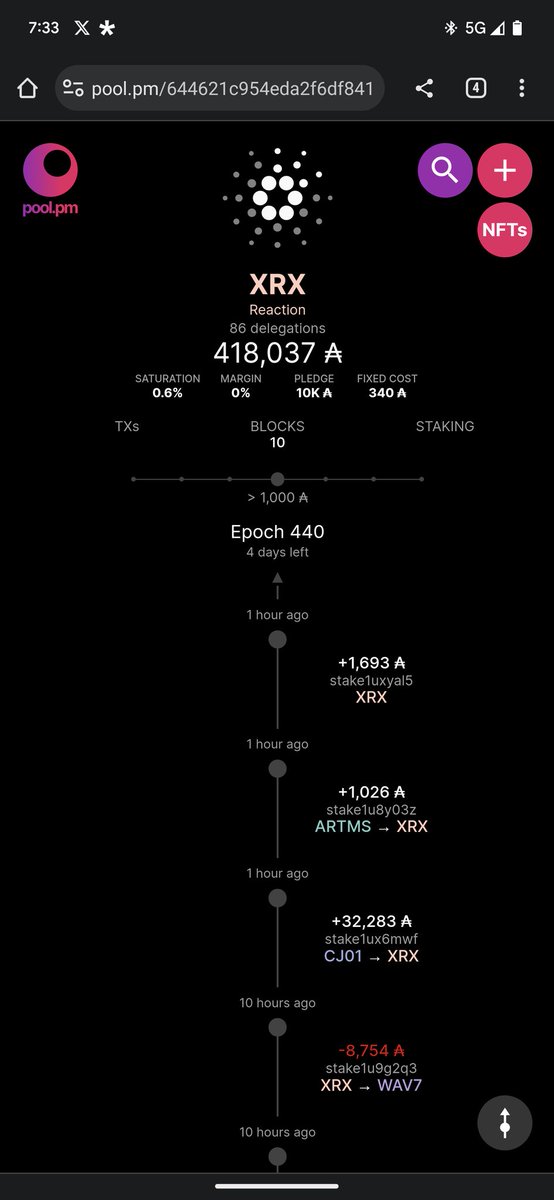
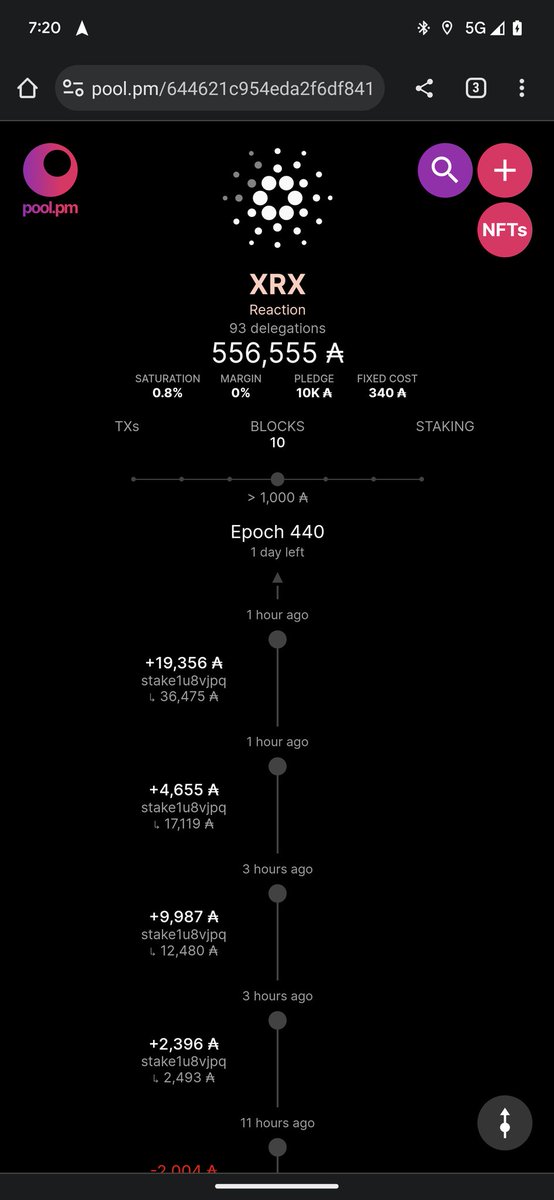
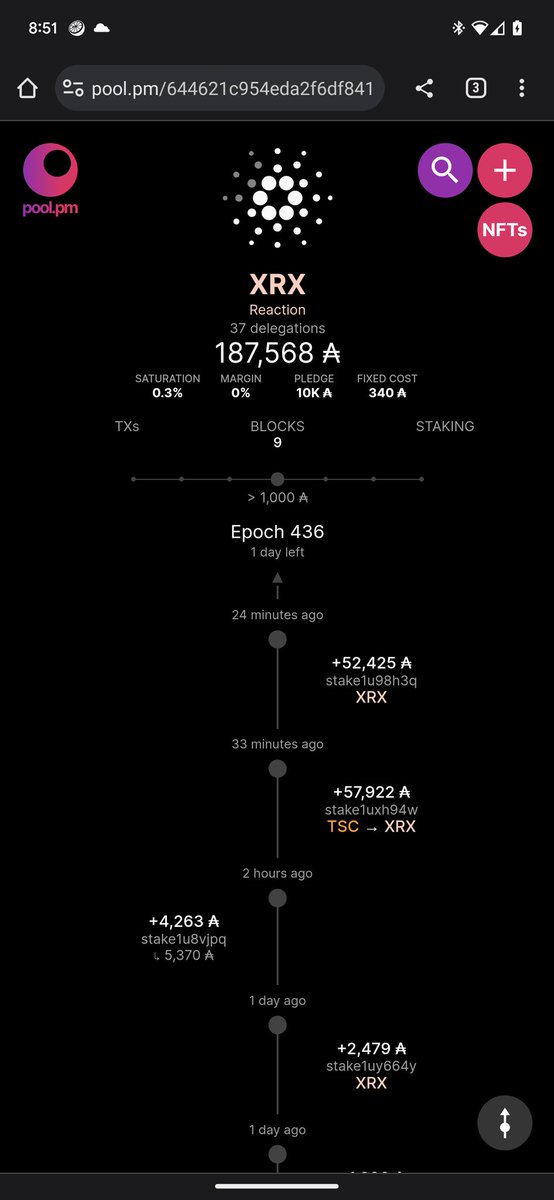
Looking for a reliable stake pool to delegate your ADA?
Check out our friends @reactionpool (Ticker: XRX).
✅0% fees
✅Operating since March 2021
✅Redundant relay nodes
✅Run by a Cyber Security Pro/Linux Enthusiast
✅Currently hosting 21 delegators with 35K delegated
✅Cardano Series supporter
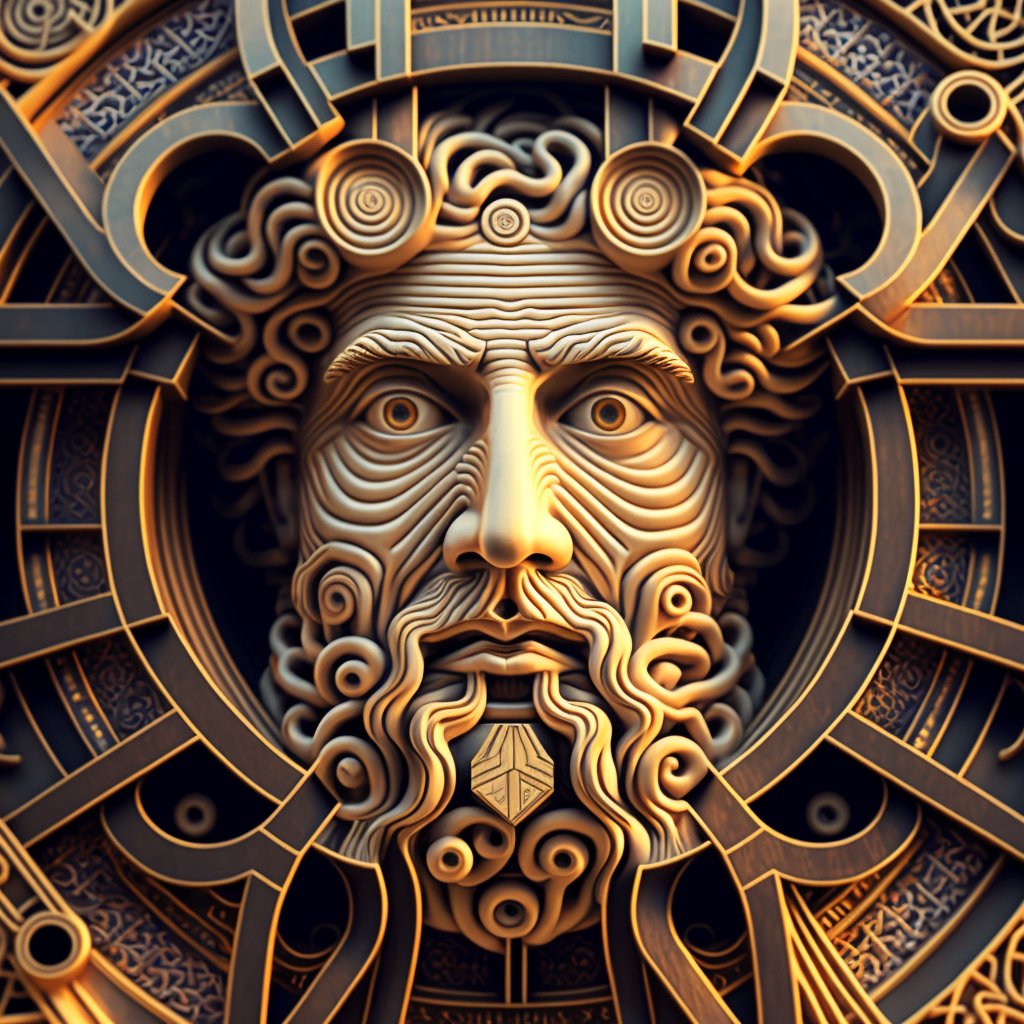
Who was Daedalus?
In Greek mythology, Daedalus was a legendary craftsman and artist who is known for his invention of various mechanical devices and for his role in the myth of the Labyrinth and the Minotaur.
According to legend, Daedalus was a skilled craftsman who was appointed by King Minos of Crete to design and construct the Labyrinth, a complex maze-like structure that was designed to contain the monstrous Minotaur. Daedalus also constructed wings made of feathers and wax for himself and his son Icarus to escape from Crete, where they were imprisoned by King Minos.
Daedalus is often portrayed as a symbol of human ingenuity and creativity, as well as a cautionary tale about the dangers of hubris and overreaching. The story of Daedalus and Icarus is often used as a metaphor for the consequences of disobedience and reckless ambition.
(image from the upcoming Cardano Series REDUX collection)