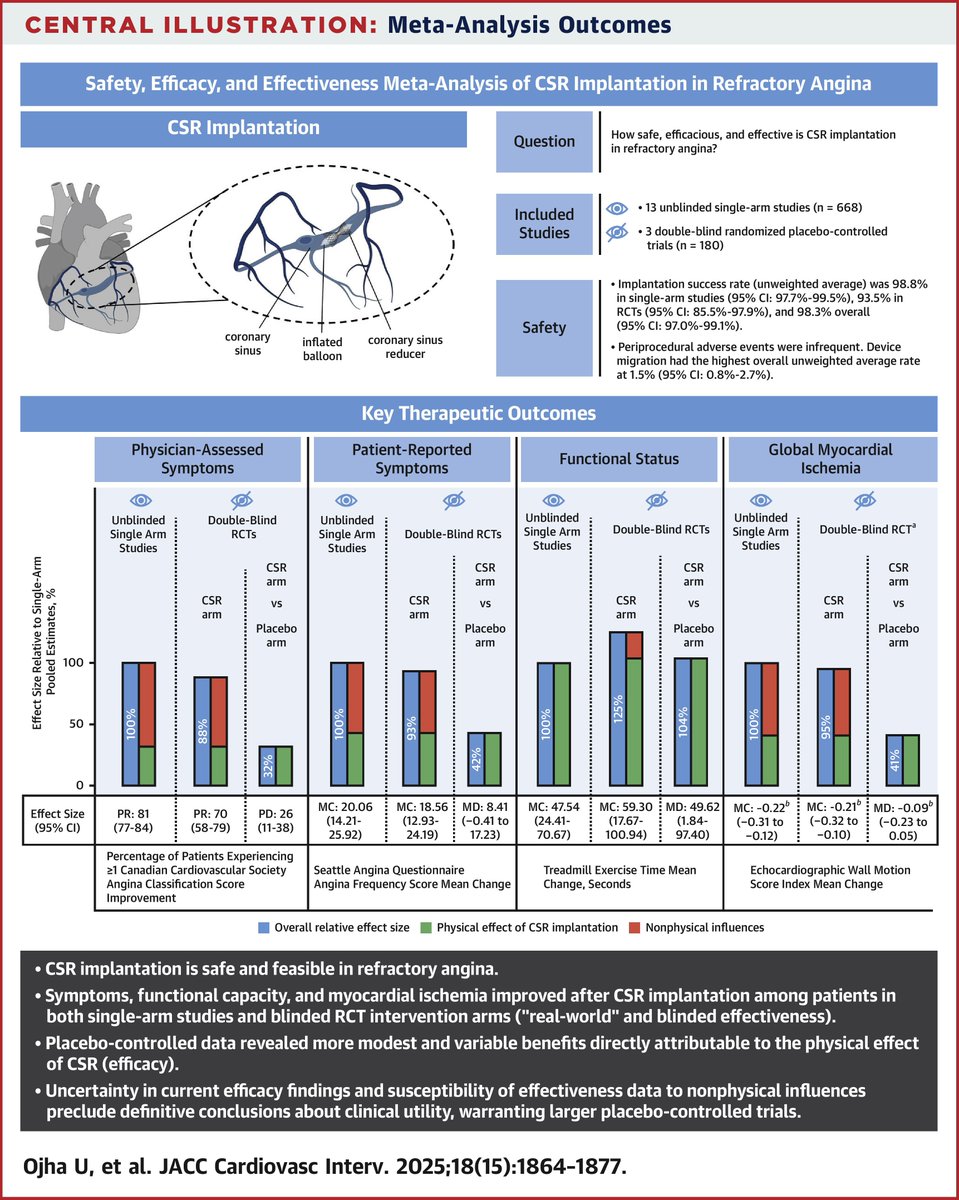
Safety, Efficacy, and Effectiveness of Coronary Sinus Reducer Implantation in Refractory Angina: A Meta-Analysis | JACC: Cardiovascular Interventions https://t.co/Qq1xQc5K8c
Door-to-defecation time…
Defecation Patterns and Cardiovascular Outcomes in Acute Coronary Syndrome: The Influence of Stimulant Laxative Use
https://t.co/wypacDc2aH
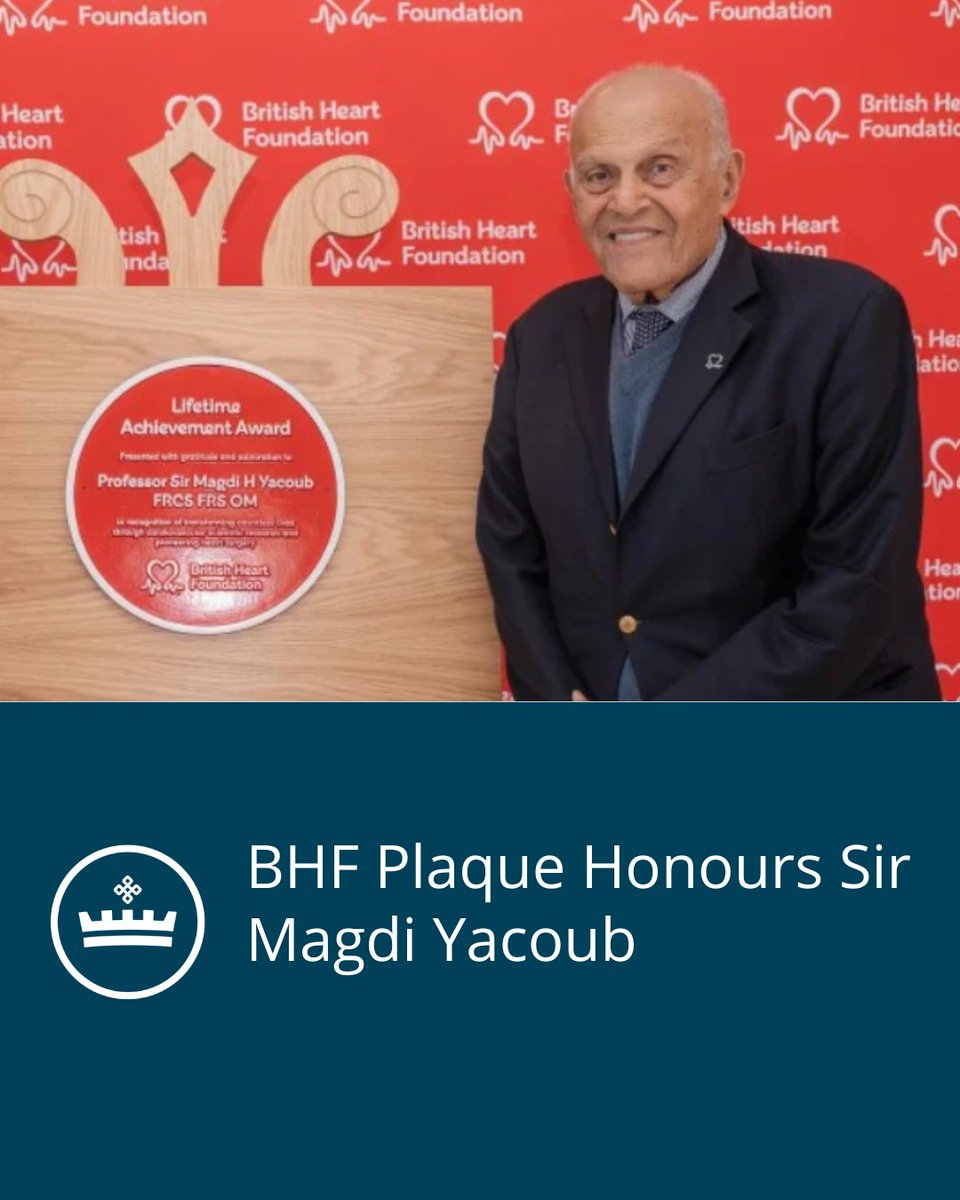
An honour and a privilege to be part of this very special occasion at Harefield Hospital as Sir Magdi Yacoub being awarded the first ever @TheBHF Lifetime Achievement Award. Can’t be more proud! 🇪🇬🇬🇧
A British Heart Foundation red plaque at Harefield hospital honours Professor Sir Magdi Yacoub for his extraordinary contribution to cardiovascular medicine and clinical education.
His legacy continues to shape heart care and the training of future generations.
#MedEducation
The American Heart Association mourns the passing of the legendary cardiologist Eugene Braunwald, M.D., widely recognized as one of the most influential figures in the history of cardiovascular medicine. Over seven decades, his work reshaped the understanding and treatment of heart disease, leading many to call him the father of modern cardiology.
Braunwald was a lifelong contributor to the American Heart Association, helping advance its research and scientific mission, and was honored with some of the Association’s highest honors for his lasting influence on cardiovascular care and research. His influence extended well beyond his own discoveries, as generations of Association‑supported investigators, clinicians and academic leaders were trained by Braunwald or guided by the clinical trial standards and mentorship models he helped establish.
https://t.co/ieZuHYMyOP
Dr. Deepak Bhatt and Dr. C. Michael Gibson discuss the MOMENTUM study: Among U.S. patients with resistant HTN, 27.3% were found to have endogenous hypercortisolism, a significantly higher prevalence than previously recognized. #ACC26 Watch video here: https://t.co/v9ojWxUmYR
Cardiac surgical societies should require all “experts” to turn in a case list before they can sit on a national meeting panel and lecture the audience about “how I do it” or “how I teach it”.
Following many requests from colleagues worldwide for access to my recorded webinars, I’ve reactivated my dormant YouTube channel where you’ll find a dedicated playlist with 20+ full-length lectures from previous open-access sessions — all freely available — and I’ll continue adding more.
Explore here:
https://t.co/b8qv9JkQHl
Hoping these resources continue to support global learning and collaboration in critical care echocardiography & POCUS.
#EchoFirst #POCUS #EACVI
This video witnesses the chaotic rhythm of ventricular fibrillation, a precursor to sudden cardiac arrest.
Treatment : immediate defibrillation and cpr
Source: @medi_cosity
Delighted to share the final typeset version of the 1st Joint EACVI/ACVC/@EACTAIC Expert Consensus on Cardiac Ultrasound in Cardiovascular Emergency & Critical Care — now the most-read article in EHJ–CV Imaging! 🫀
#EACVI #EchoFirst #POCUS #CriticalCare
Open access 👇
https://t.co/BFg0xe9f8k
The main reason to read this paper is as an example of observational study run amok
“Among 253 pts at a single center…”
With all due respect, please, resist the urge to do (and publish) such folly. Look at the early curve separation
https://t.co/zUnkmvQmGA
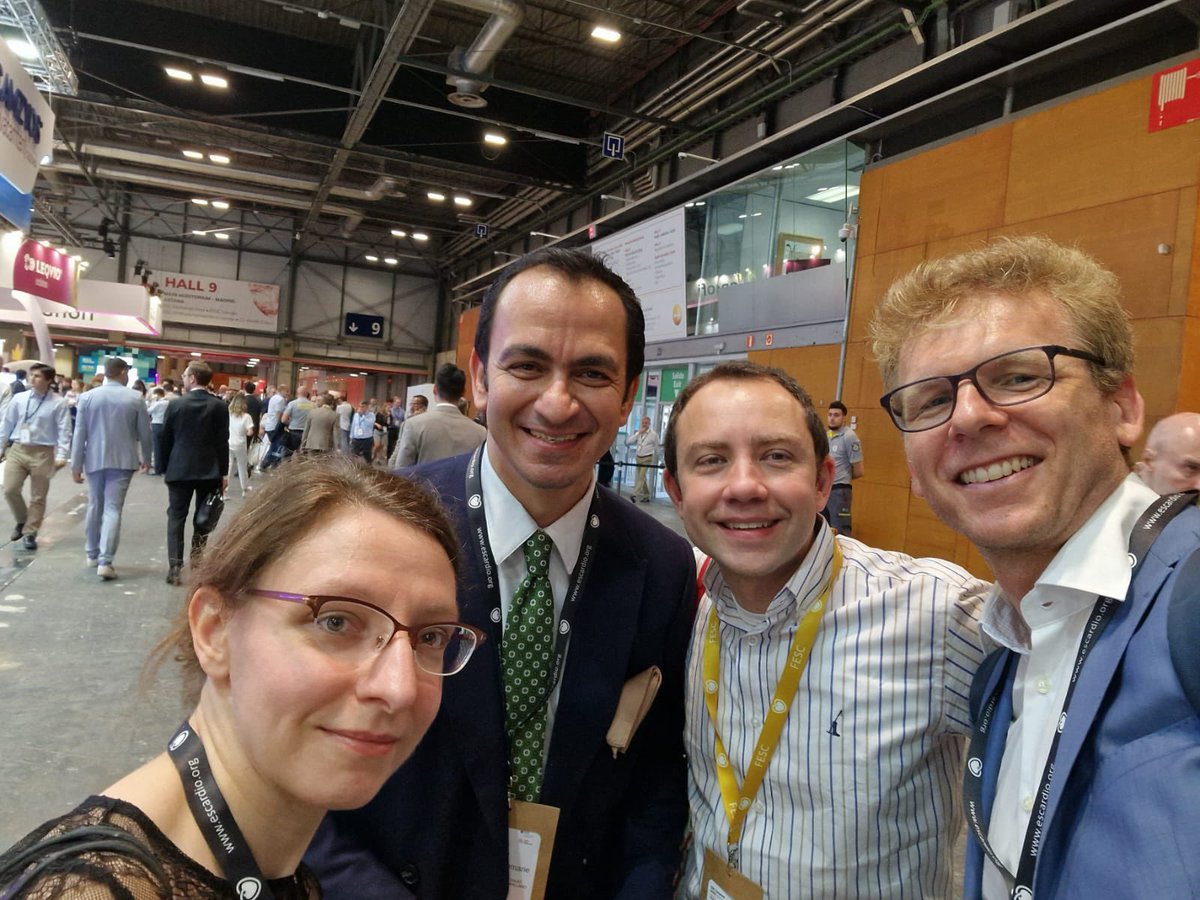
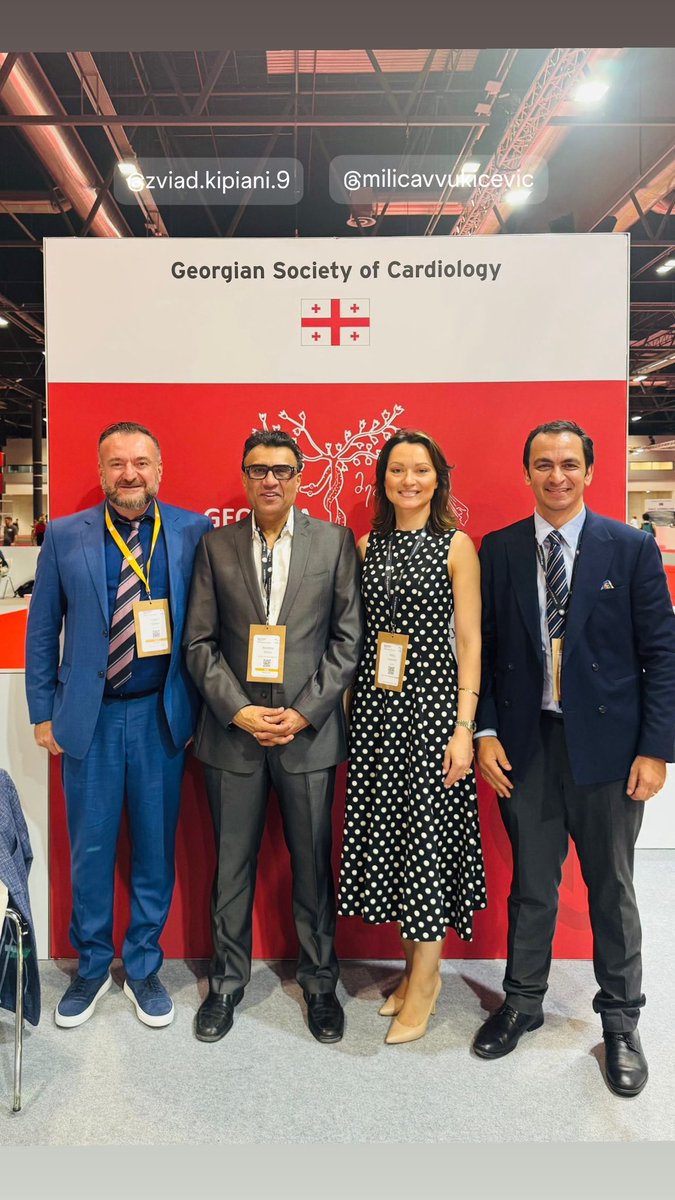
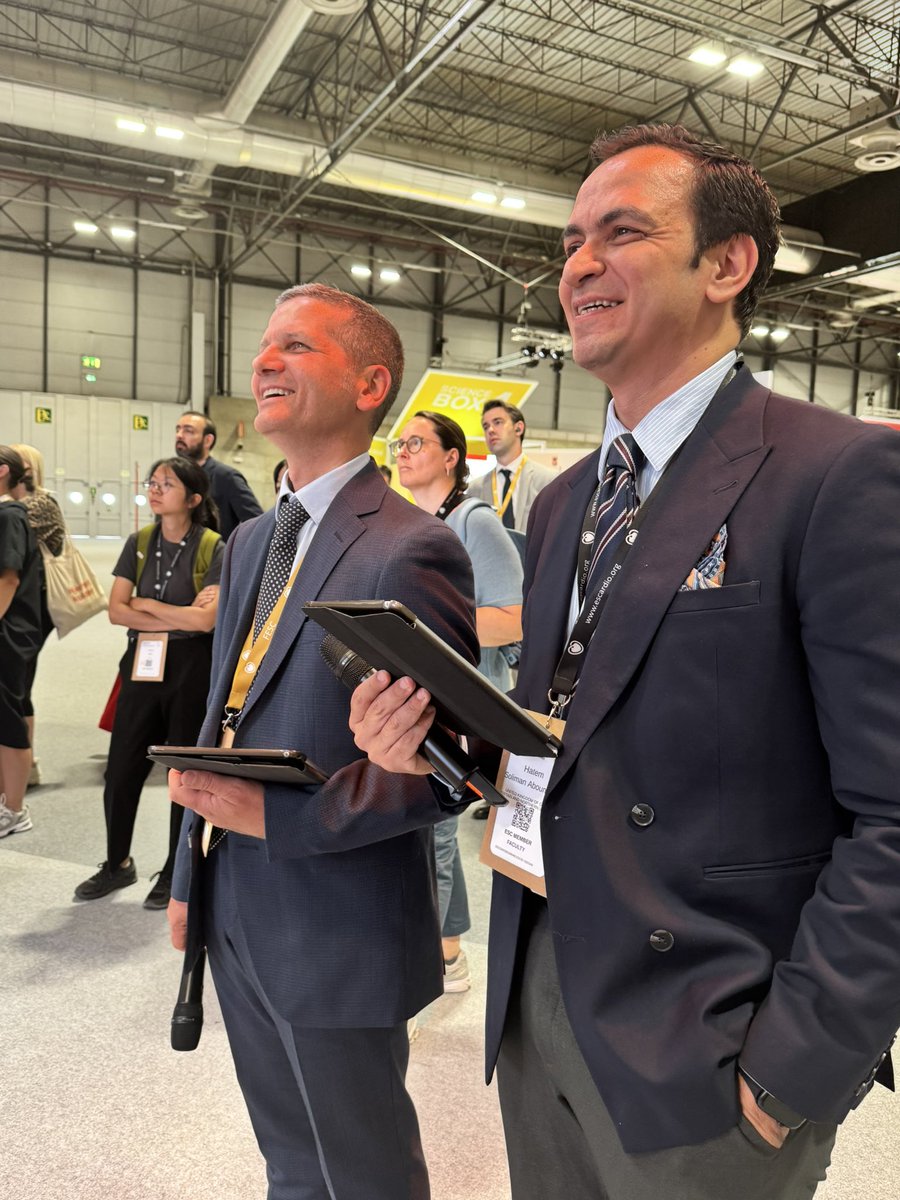
🚀 #ESCCongress 2025 was a great success! Honoured to serve as Faculty & Chair in sessions on HF, cardiogenic shock & novel #echofirst techniques.
📊 As #EACVI Secretary, we had a
very fruitful board meeting where discussed the upcoming Vienna Congress (11–13 Dec) — EuroEcho, EuroCMR & ICNIC-CT under one roof! Our programme committee worked tirelessly to deliver cutting edge programme with lots of tutorials and workshops!
🤝 It was also wonderful to reconnect with friends and colleagues from around 🌍. With 33k+ attendees, A great success for the world's leading cardiology meeting ❤️.
Really enjoyed @drjohnm’s take on our Coronary Sinus Reducer meta-analysis → https://t.co/tP5gcC2it5
CSR shows promise. COSIRA-II may give conclusive answers.
Novel procedures need to be tested in double-blind RCTs where feasible. #EBM
📝 Our paper: https://t.co/xa7Z7lW0AF
Coronary sinus reducer implantation may be safe & feasible, w/ promising antianginal efficacy in patients w/ refractory angina, according to a meta-analysis published in #JACCINT. However, larger trials are needed to assess efficacy.
Read more: https://t.co/6jVtZIAJ1s