🔥 New study:
For cancer patients with coronary disease, ICI immunotherapy spikes major heart risks by 2.86 times.
💔 Over 32% faced serious heart issues within just 4 months. Click for full safety insights. 👇
https://t.co/VOHVbcXYpw
A complex chronic total occlusion with multi-vessel disease is successfully revascularized using the innovative RPR technique. 🫀
This case highlights a practical strategy for challenging coronary interventions.
Watch the full video to see how the approach unfolds. 🎥✨
Discover a rare case of Rosai-Dorfman disease causing severe aortic stenosis. 🫀
See how surgical management resolved a unique vascular mass and refractory hypertension. 🔬
Watch the full video for key insights into complex vascular pathology. 🎥
The latest issue of Cardiology Plus (Vol. 11, No. 1) is now live! Discover groundbreaking research on interventional cardiology, heart failure mechanisms, and the 2025 hypertension consensus. Read the full collection of articles here:
https://t.co/KQbStCmn8W
🫀 New Opinion in Cardiology Plus: cardio-oncology is growing fast, but training is still not standardized.
⚠️ Nearly 50% of anthracycline-treated patients missed guideline recommended cardiac assessment. Read more:
https://t.co/mZg7tHVpoW
🫀 New Perspective in Cardiology Plus: precision cardio oncology could help detect cardiotoxicity earlier and personalize follow up through biomarkers, imaging, genetics, and AI.
https://t.co/Jw76mHVX86
🫀🎗️ New editorial in Cardiology Plus. This piece shows how cardio-oncology is moving from reacting to cardiotoxicity to predicting and preventing it earlier, with help from imaging, biomarkers, and AI. A timely look at the field’s clinical future.
https://t.co/l07XlTIjz7
🫀 New in Cardiology Plus: IVUS-documented coronary plaque regression with moderate-intensity statin therapy.
Plaque burden fell from 71% to 45% in the proximal LAD.
Read more:
https://t.co/uTxuHTkp22
🫀 New Review in Cardiology Plus: coronary physiology in the cath lab, from FFR/iFR to image based tools like QFR/μFR.
⚡ Why it matters: physiology is used in only ~20% of cases, and even after “successful” PCI, residual ischemia can persist in ~24%.
https://t.co/Y4kCoZ2Z61
Cardiology Plus Special Issue now open: “Cardiovascular Metabolism: From Molecular Mechanisms to Early Clinical Intervention”.
Submit your manuscript by May 15, 2026.
Join this timely collection and submit today.
https://t.co/3XM9M6pU0E
Think statins are enough for your heart? 🫀 High triglycerides still pose a major risk. This study shows how pure EPA (IPE) slashes cardiovascular events by 25%! 📉 Click to see why this therapy is a game-changer. 🚀
Full paper here:
https://t.co/y3oPV8WMHU
Cardiac rehab significantly speeds up blood pressure recovery after a heart attack. This study shows SBPR ratios improved from 0.92 to 0.87 in just 3 months. Check out how it boosts heart health below! 🫀📈
Full paper here: 🔗👇
https://t.co/Rmpn0g6PnA
The latest issue of Cardiology Plus is now live! Explore groundbreaking research on cardio-oncology, heart failure, and hypertension.
Read the full Table of Contents and latest findings here:
https://t.co/KQbStCmUYu
Cardiology Plus invites submissions to the Special Issue Transcatheter Therapies for Structural Heart Disease: Present and Futures!
Deadline is February 28, 2026!
Submit your work now and lead the future of transcatheter cardiology!
https://t.co/LbcBiXequN
🚗❤️ New Original Article, cross-sectional study in 924 commercial drivers in Northeast Nigeria.
📏 Central obesity was 51.6% by WHR, while BMI obesity was only 7.6%; hypertension was 35.8%.
https://t.co/lCPSkwXxMz
New original study on myocardial bridging.
AI-aided μQFR enables wire-free functional assessment and shows high diagnostic accuracy.
Read the article:
https://t.co/ydmxHqkjIF
New original research in Cardiology Plus!
In over 24,000 DOAC-treated patients, very low LDL-C (<70 mg/dL) was linked to higher intracranial hemorrhage risk.
A key insight for balancing stroke prevention and bleeding risk.
Full text: https://t.co/kHvRy5oJWd
Original Article. Single nucleus RNA sequencing shows empagliflozin improves HFpEF by enhancing myocyte communication with Schwann and endothelial cells through Cdh2 and Vegfa. Read the mechanism and clinical promise: https://t.co/JSonRoSXJq
🚨 New Issue Out Now! 🚨
Explore cutting-edge research in cardiology—from heart failure mechanisms to cardiovascular risk factors.
Don’t miss the latest insights in #CardiologyPlus! Read here: https://t.co/KQbStCmn8W
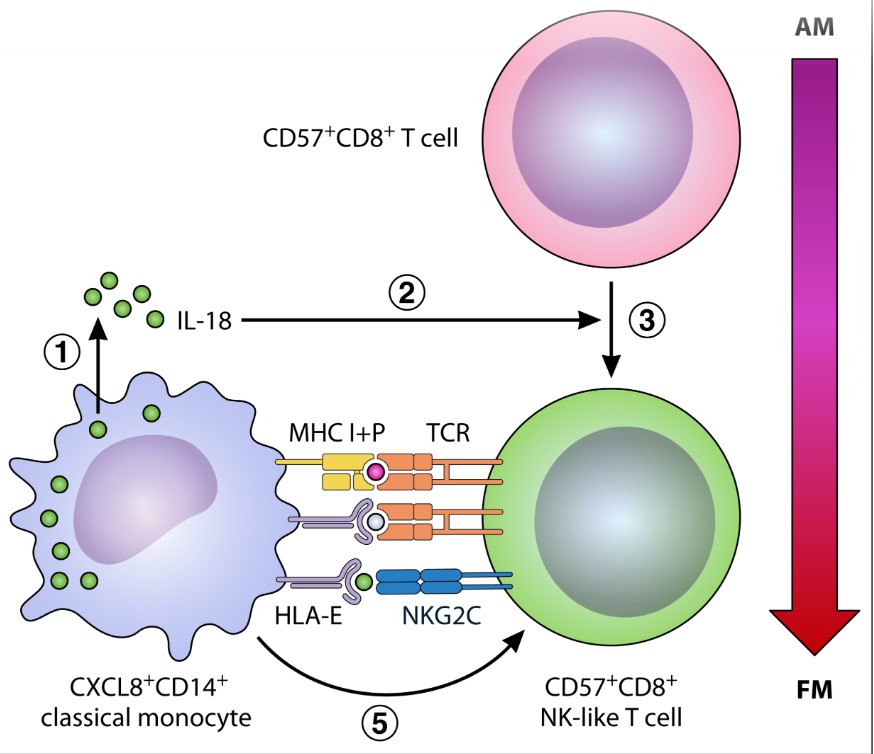
Zhang et al have identified a novel immune-mediated mechanism of injury in acute myocarditis that is immediately proximate to myocyte injury and holds promise as a potential biomarker and therapeutic target in severe myocarditis. @mohiddinsam https://t.co/FcKhF0ol3D