@AnrPicture It looks like the deadline will be extended by a few days (still waiting official announce from the chairs). Could you please register at least the title and the abstract by the original deadline though ?
#CARDIS2023 will be in Amsterdam 🤓😎🚲🍻🎉
Submission deadline (June, 30th) is approaching, get your papers ready!
All information at https://t.co/hzKUhSMwJw.
It was my privilege to introduce @danpag3 as the keynote speaker today at @CardisConf where he talked about the role of ISA in designing secure crypto implementations. The slides will be online and I will for sure revisit them
Last but least, Corentin Verhamme, presents an in-depth side-channel analysis of the NIST lightweight candidates, see Analyzing the Leakage Resistance of the NIST’s Lightweight Crypto Competition’s Finalists, co-authored with Gaëtan Cassiers, François-Xavier Standaert
Luk Bettale, is talking about the challenges of using of post-quantum protocols for banking applications, work he co-authored with Marco De Oliveira, Emmanuelle Dottax
In the tast talk before the lunch, Luk Bettale presents the Security Assessment of NTRU Against Non-Profiled SCA, work done with Julien Eynard, Simon Montoya, Guénaël Renault, Rémi Strullu, the dataset and code will be available soon
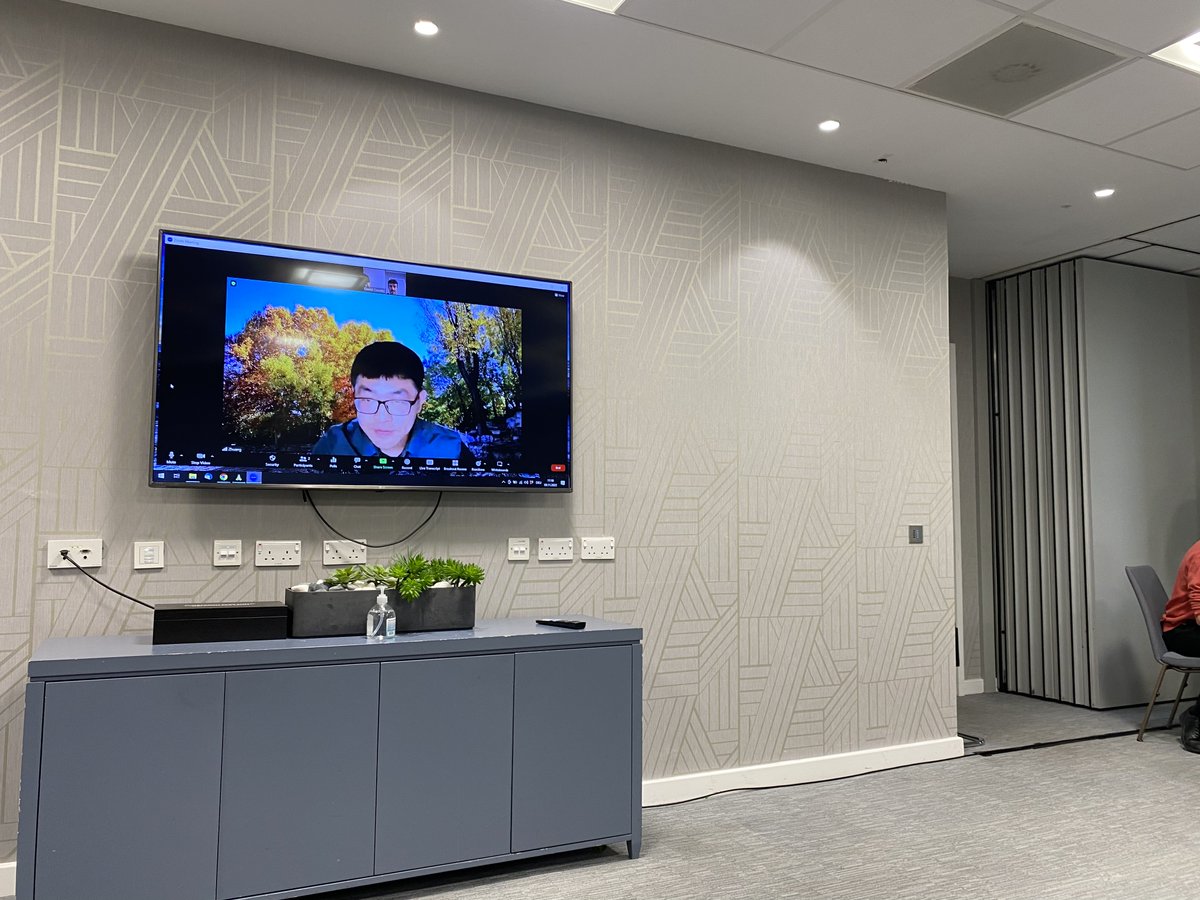
Two new attacks on NTRU are presented by Zhuang Xu, Reveal the Invisible Secret: Chosen-Ciphertext Side-Channel Attacks on NTRU Owen Pemberton, @sublevado Zhiming Zheng
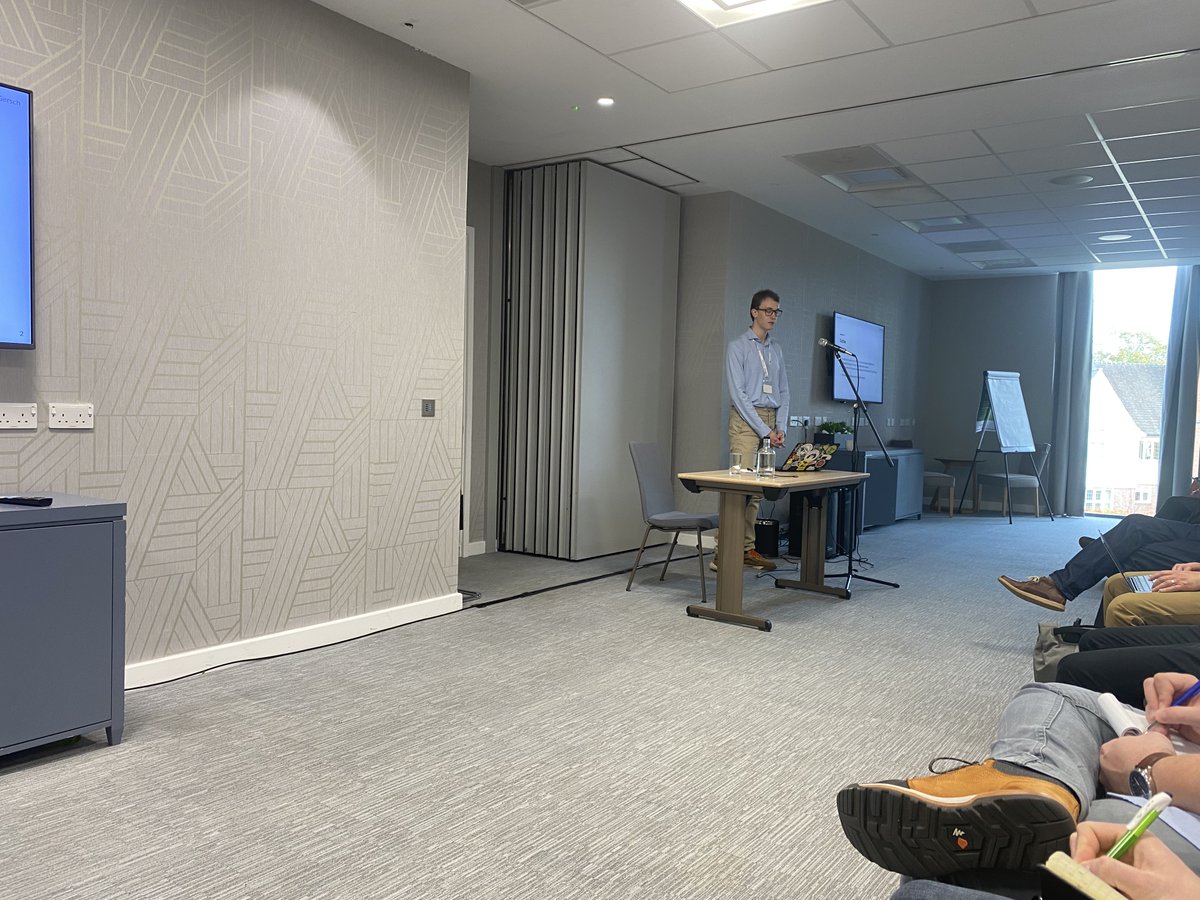
Patrick Gersch talks about collecting accurate measurements Cycle-Accurate Power Side-Channel Analysis Using the ChipWhisperer: a Case Study on Gaussian Sampling
Nils Wisiol, Jean-Pierre Seifert
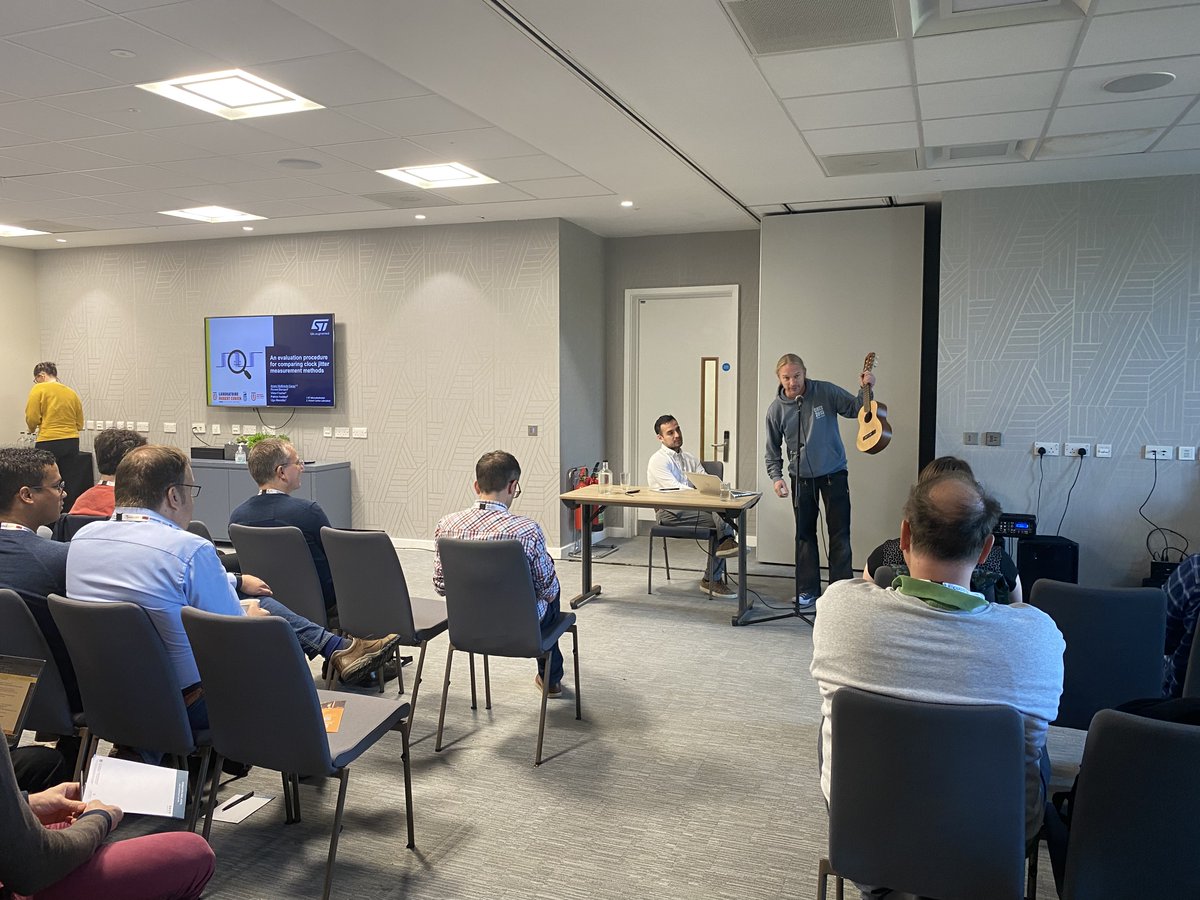
Timo Kasper gives an original introduction to Arturo Mollinedo Garay and his paper An Evaluation Procedure for Comparing Clock Jitter Measurement Methods, co-authored with Florent Bernard, Viktor Fischer, Patrick Haddad, Ugo Mureddu
Rebecca Young gives interesting insights when Comparing Key Rank Estimation Methods and dispels the myth of synthetic data, work with Luke Mather, Elisabeth Oswald @zwitschermitzi
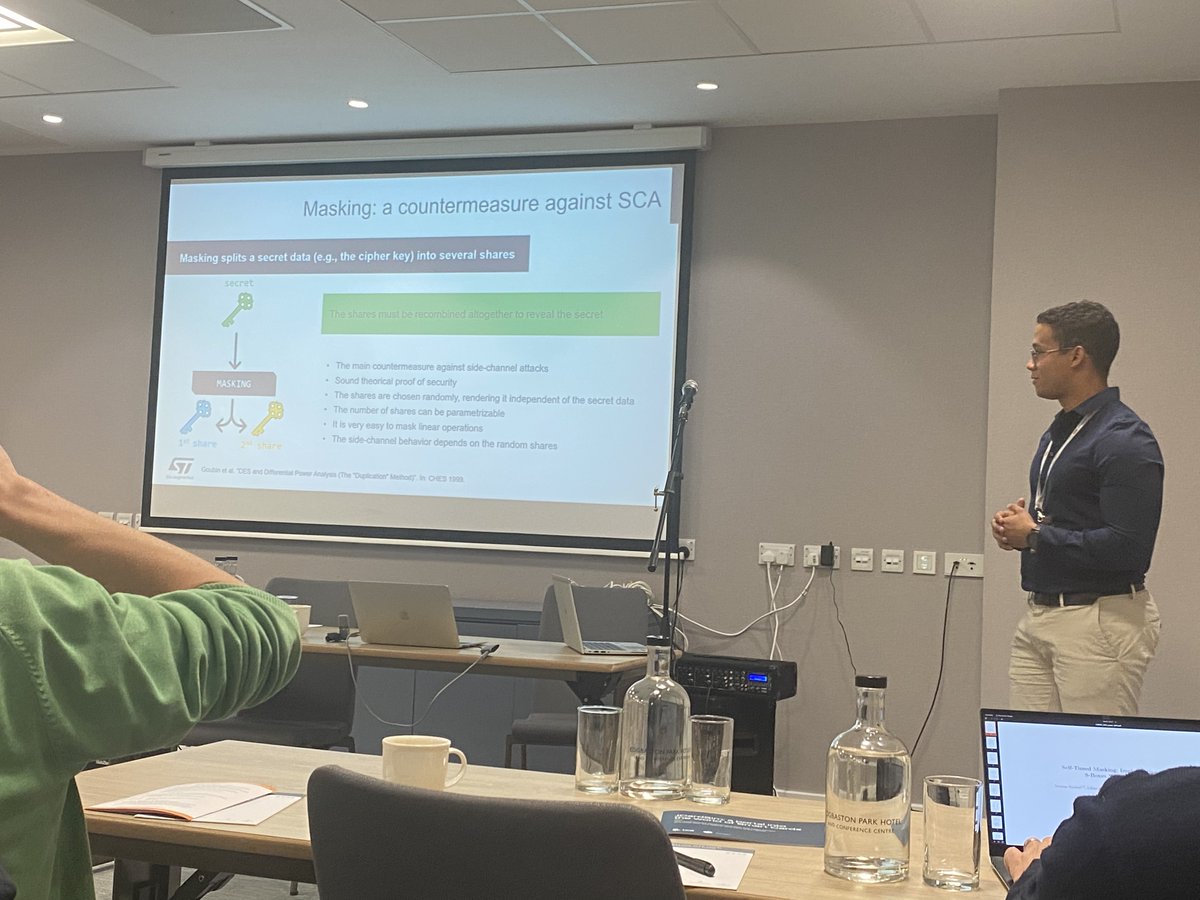
The final talk of the day, shows how to implement masked AES without using registers. The secret is in using Muller-C elements, work by Mateus Simões, Lilian Bossuet, Nicolas Bruneau, Vincent Grosso, Patrick Haddad, Thomas Sarno
Getting rid of the zero-operands makes for an efficient implementation, Rivain-Prouff on Steroids: Faster and Stronger Masking of the AES in the presentation given by Johann Groszschaedl, co-authored with Luan Cardoso dos Santos, Francois Gerard, Lorenzo Spignoli
The first talk this afternoon is Guarding the First Order: The Rise of AES Maskings, presented by Zhenda Zhang and co-authored by
Amund Askeland, Siemen Dhooghe, Svetla Nikova, Vincent Rijmen. The talk presents three interesting new designs for masked AES;
Final talk for this morning is Short-Iteration Constant-Time GCD and Modular Inversion by Yaoan Jin, Atsuko Miyaji, the code will be released on github.
Discussing security bounds on masked implementation in the new work proposed A Nearly Tight Proof of Duc et al.s Conjectured Security Bound for Masked Implementations, in the work by Loïc Masure, Olivier Rioul, François-Xavier Standaert
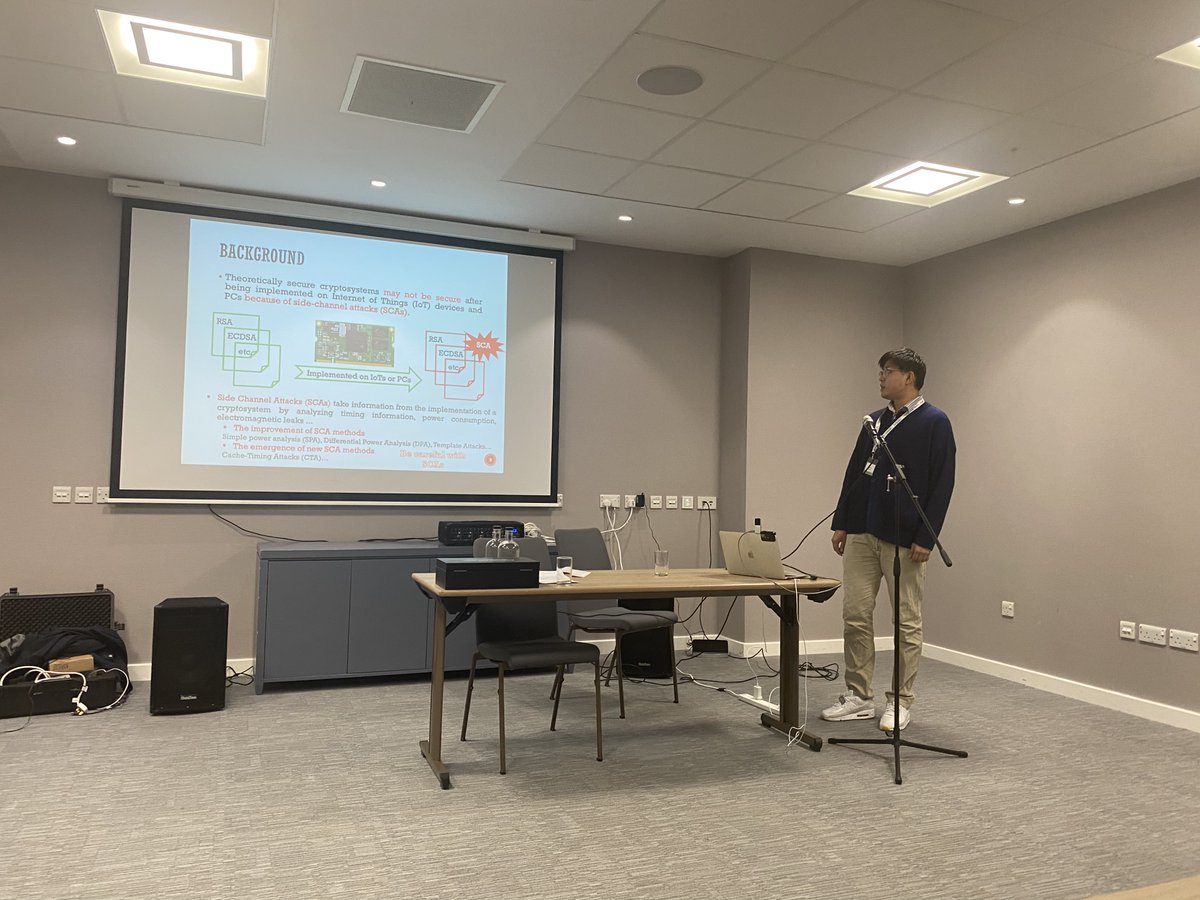
A new powerful covert-channel for the ARM Trustzone is being uncovered at #CARDIS22
Time's a Thief of Memory: Breaking Multi-tenant Isolation in TrustZones through Timing based Bidirectional Covert Channels presented by Nimish Mishra
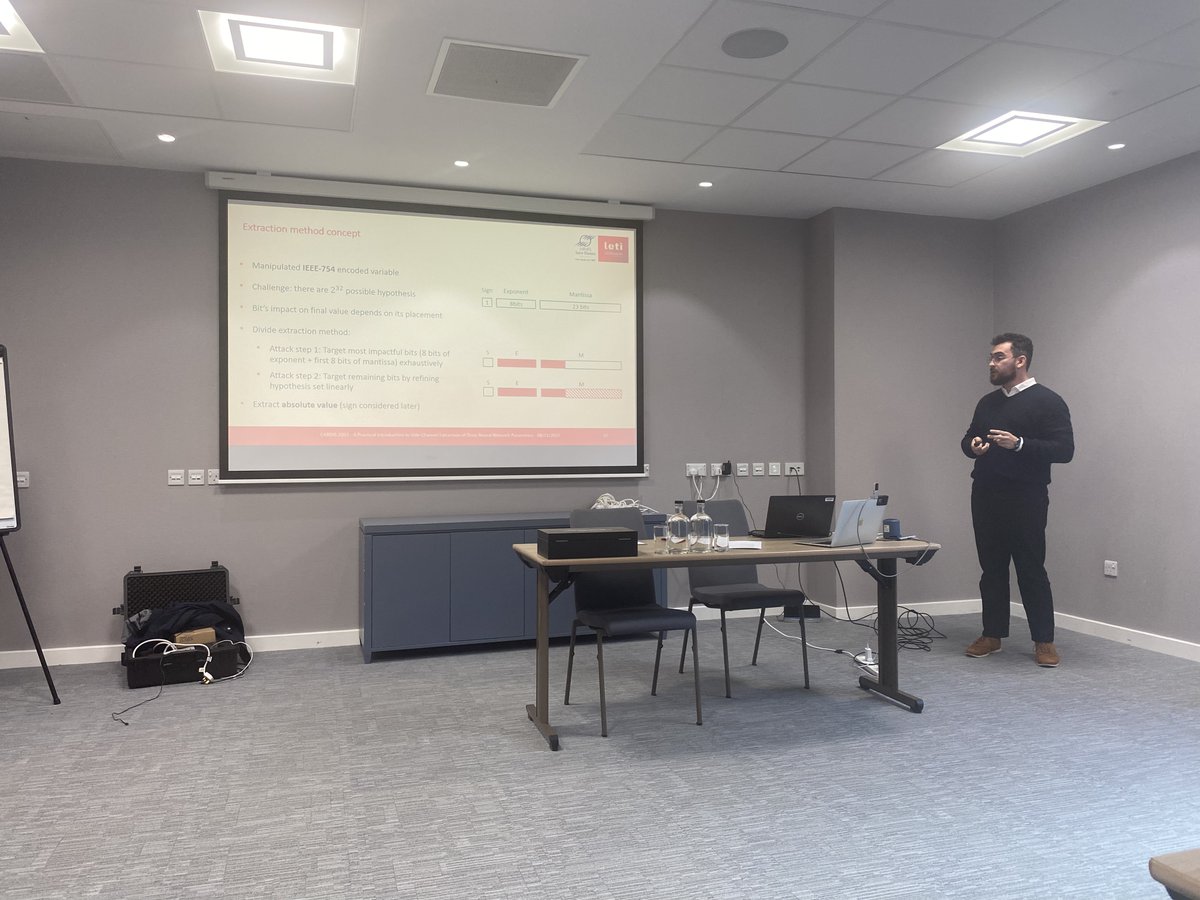
Learning #CARDIS22 how to extract high-fidelity NN models with the talk from Raphaël Joud titled “A Practical Introduction to Side-Channel Extraction of Deep Neural Network Parameters”