Seeing some of the embarrassingly hateful reactions to Starmer's resignation today, I thought it was worth resharing this.
The level of personal hostility directed at Keir Starmer deserves scrutiny in its own right. Not because he should be immune from criticism, but because the tone and intensity of the attacks tell us something unhealthy about the state of democratic politics.
Starmer is a conventional political figure. Cautious, legalistic, incremental. He frustrates people precisely because he is managerial rather than messianic. Yet the reaction to him often goes far beyond disagreement, tipping into visceral hatred more commonly reserved for authoritarians or demagogues.
Much of this hostility is disconnected from concrete policy. It is not about specific votes, proposals or outcomes, but about projection. A belief that Starmer embodies betrayal, bad faith or hidden malice. That kind of politics runs on suspicion rather than evidence.
This matters because democracy depends on the assumption of good faith among opponents. You can think a leader is wrong, timid, or misguided without believing they are fundamentally illegitimate. Once politics becomes moralised to the point of demonisation, compromise is reframed as treachery and pluralism as weakness.
The pattern is familiar. In fragmented, polarised systems, anger concentrates not on extremists, whose intentions are clear, but on moderates, who disappoint maximalists on all sides. The centre becomes the lightning rod precisely because it resists totalising narratives.
There is also a media and online dynamic at work. Incentives reward outrage, not proportionality. Algorithms favour contempt over analysis. Over time, this creates a political culture in which relentless personal attack feels normal, even virtuous, rather than disgusting.
None of this is a defence of Starmer’s decisions, instincts or record. Those should be argued over robustly as you do in a democracy. The problem is the substitution of critique with hostility and the quiet erosion of democratic norms that follows when political opponents are treated as enemies rather than rivals.
A democracy cannot function if every election is framed as an existential struggle against internal evil. At some point, the target may change, but the damage to trust, restraint and culture remains.
Trump claims Starmer has "failed very badly" on immigration. But migration surged under the previous Conservative government and has fallen sharply under Starmer. Here's the National Institute of Economic and Social Research:
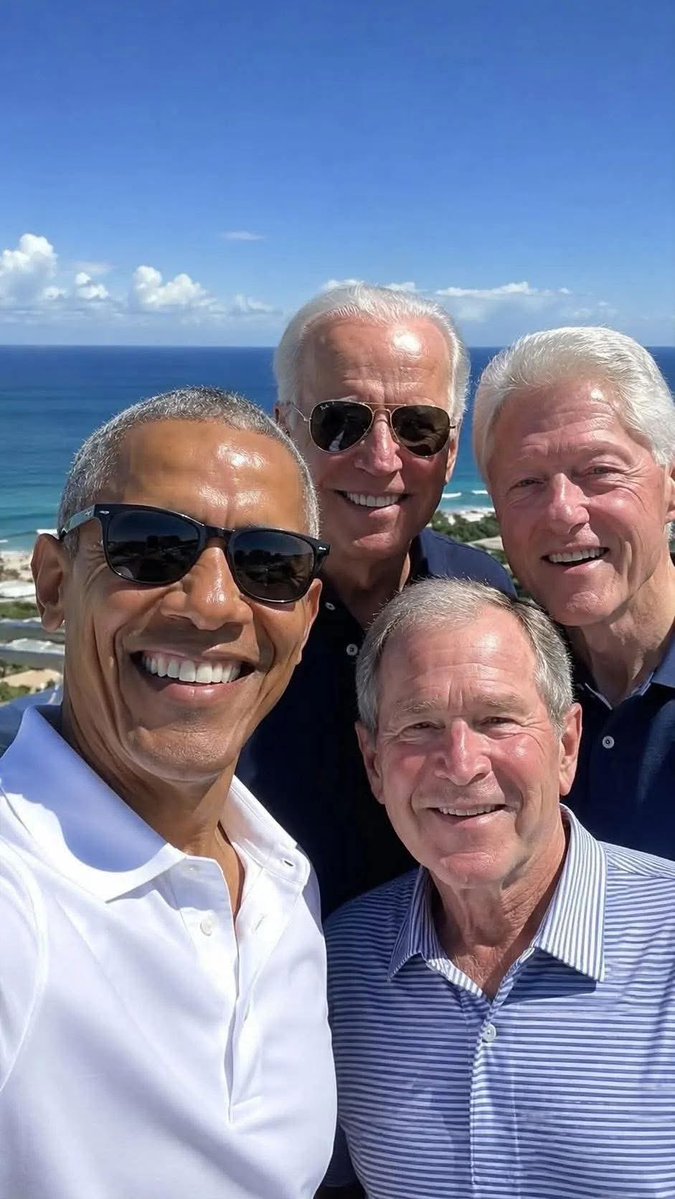
Imagine Trump ever being invited to join a photo like this — not in a million years.
Four presidents. Zero drama. Just smiles, respect, and a shared love of country. 🇺🇸
Yesterday I felt sick at hearing this.
Nobody who understood the impact of having an unsafe home would say something this stupid.
Today, I feel full of hope that the divisive, toxic views of Reform UK can and will be beaten. 🌹
1/ EXCLUSIVE: A Reform UK donor who owns 55 Tufton Street - home of Britain's dark-money Brexit lobby - is bankrolling a network pushing the forced removal of millions of ethnic-minority Britons. Its own architects call it a "right-wing arms race." 🧵https://t.co/NFggacts4G
I have not seen one person supporting the #AssistedDyingBill address any of the concerns about the specific legislation
Every single post is about the principle and not the substance
Absolutely infuriating that one of my colleagues has decided that what Parliament should focus on in the coming months - given everything going on in the world and here at home - is bringing back the assisted dying bill. Head in hands.
If you're rich and well looked after, this bill is probably safe. If however, you are in any way vulnerable, maybe by virtue of age, coercion, depression, eating disorder, a victim of domestic violence this bill is extremely dangerous. Amazing to see Labour MPs backing this.