I’m building the kind of Africa my grandchildren will thank me for—through disciplined leadership, visionary education, and a return to cultural excellence.
📍📍JUST IN 📍📍
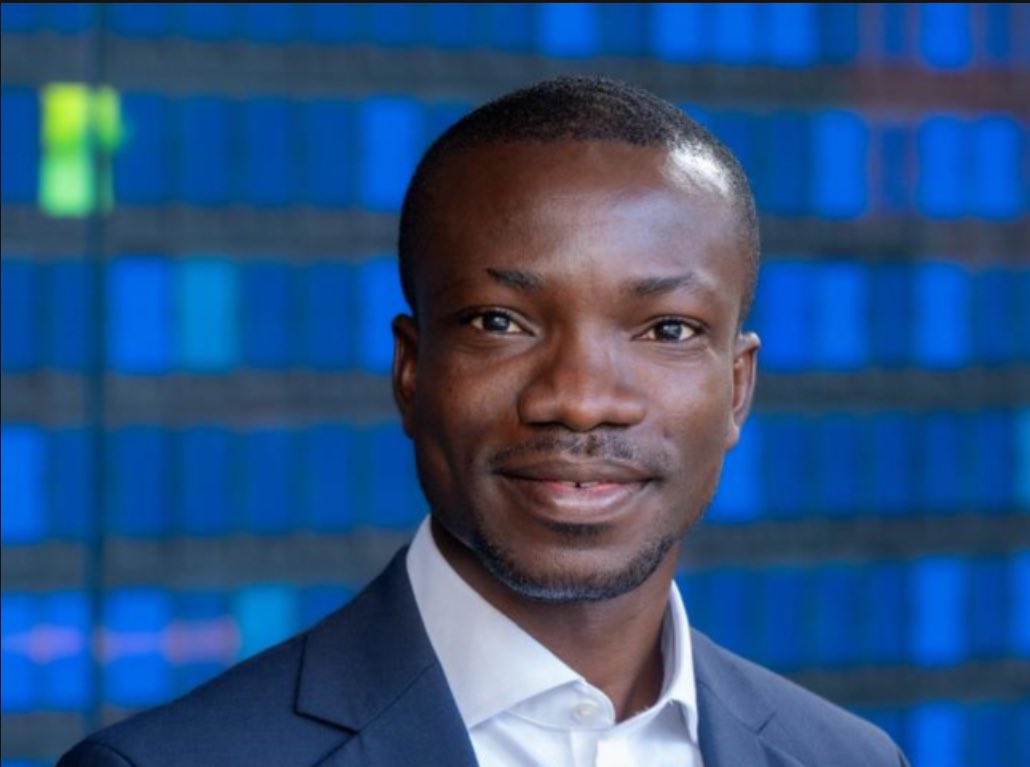
Evans Adanya, a brilliant Ghanaian who gained admission to study for his MBA at the highly selective Stanford Graduate School of Business, has won the 2026 Stanford Impact Leader Prize of $20, 000. He completes his studies in 2026 and is already making waves globally. 🇬🇭🇺🇸
This finance prodigy has demonstrated a profound commitment to African development, turning down lucrative opportunities in the USA to focus on the continent. Here are 4 incredible feats he has achieved:
✅ Just won the 2026 Stanford Impact Leader Prize: He was named one of only four winners of this prestigious award out of his entire MBA class, securing a $20,000 grant for his commitment to global social impact.
✅ Pan-African Infrastructure Leader: Before Stanford, he worked as an Investment Associate at Africa50, where he successfully led Africa's very first asset recycling transaction in The Gambia.
✅ Top-Tier Stanford Executive: During his rigorous studies, he served as the Portfolio Operations Lead at the Stanford GSB Impact Fund and the Chief Financial Officer of the GSB Private Equity Club.
✅ Master of Social Innovation: He earned the Certificate in Public Management and Social Innovation, awarded only to top graduates dedicating their academic experience to cross-sector impact work.
He aims to return to Africa after graduation to establish his own Africa-focused fund, investing in infrastructure to enable inclusive economic growth across the continent. 🧠⭐️✅
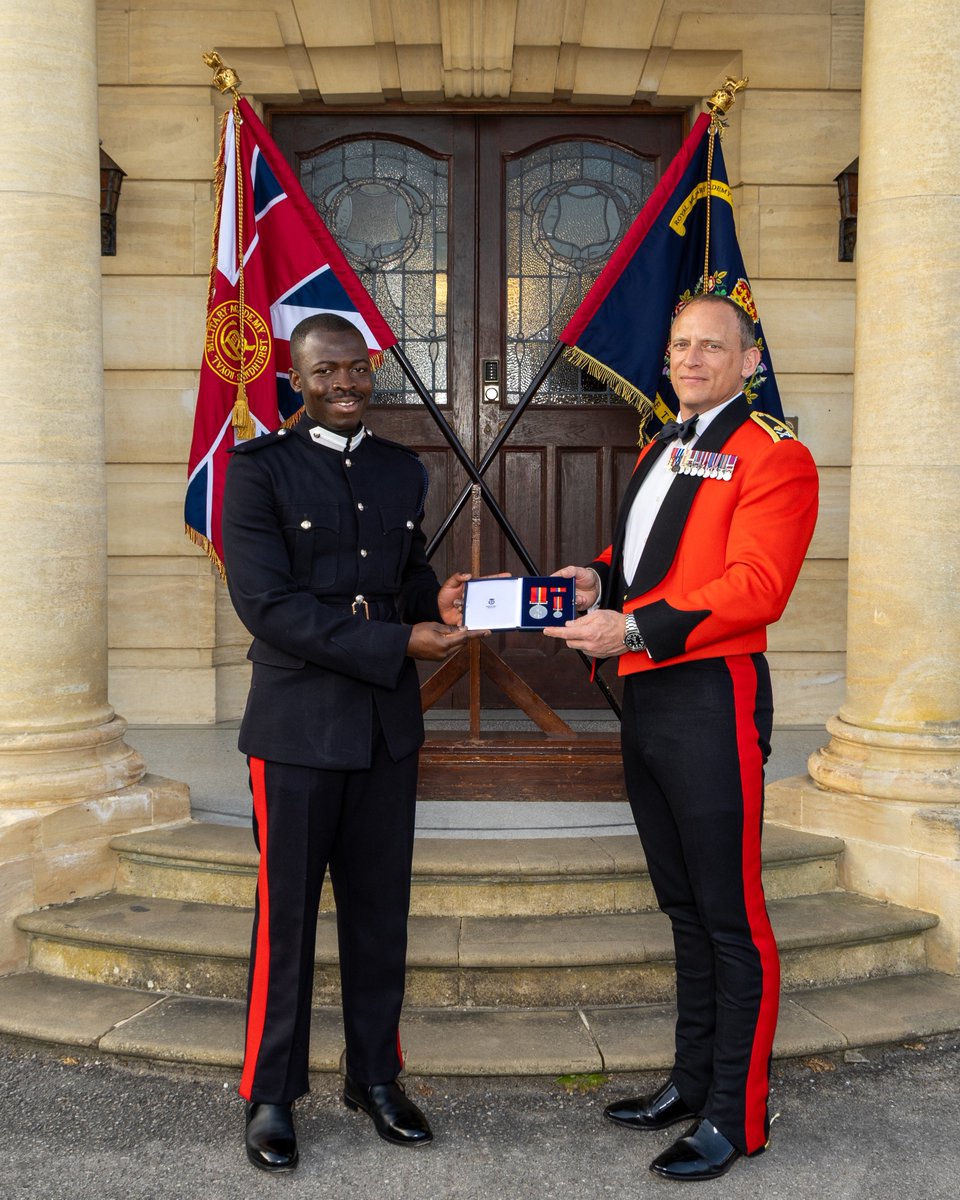
Congratulations to Officer Cadet Prince Andrew Adamtey, commissioning today from the Royal Military Academy Sandhurst and receiving the International Award for best all‑round performance!
His success reflects the strong impact of UK training and Ghana’s exceptional talent, following last year’s Sandhurst Medal awarded to Thelma Gbewonyo.
#UKinGhana
There's a physicist at Stanford named Safi Bahcall who modeled this exact principle and the math is wild.
He calls it "phase transitions in human networks." When you're stationary, your probability of a lucky event is limited to your existing surface area: the people you already know, the places you already go, the ideas you've already been exposed to. Your opportunity window is fixed.
When you move, your collision rate with new nodes in a network increases nonlinearly. Double your movement (new conversations, new cities, new projects) and your probability of a serendipitous encounter doesn't double. It roughly quadruples. Because each new node connects you to their entire network, not just to them.
Richard Wiseman ran a 10-year study at the University of Hertfordshire tracking self-described "lucky" and "unlucky" people. The single biggest differentiator wasn't IQ, education, or family money. Lucky people scored significantly higher on one trait: openness to experience. They talked to strangers more, varied their routines more, and said yes to invitations at nearly twice the rate.
The "unlucky" group followed the same routes, ate at the same restaurants, and talked to the same 5 people. Their networks were closed loops. No new inputs, no new collisions.
Luck isn't random. Luck is surface area. And surface area is a function of movement.
The lobster emoji is doing more work than most people realize. Lobsters grow by shedding their shell when it gets too tight. The growth requires a period of total vulnerability. No protection, no armor, soft body exposed to the ocean.
That's the cost of movement nobody posts about. You have to be uncomfortable first. The new shell only hardens after you've already moved.