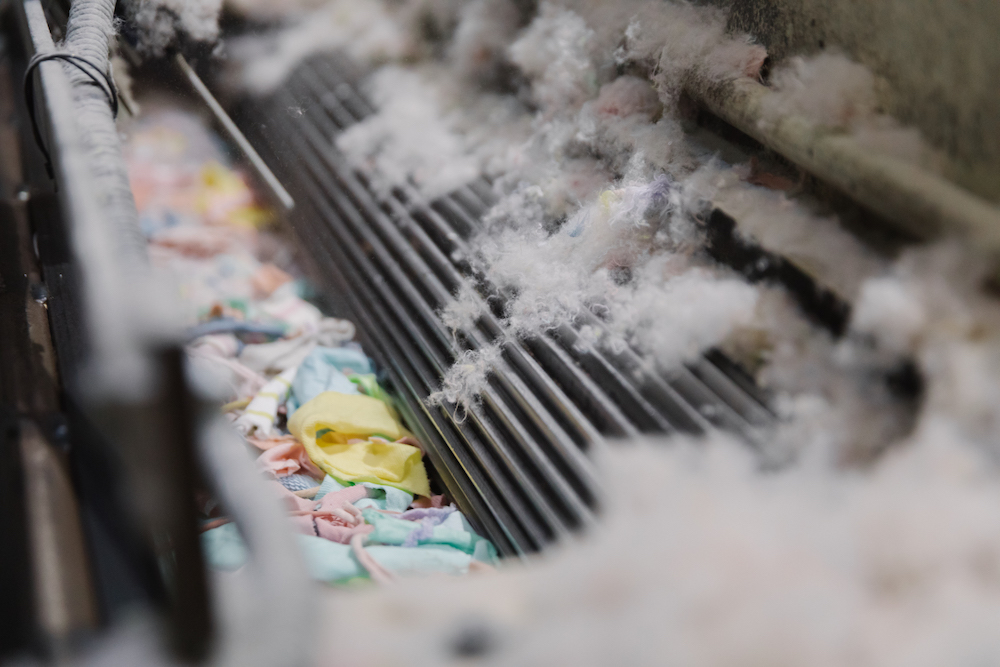
An insightful podcast episode here featuring Esther Knight, CEO of FanFare Label on #circular models for fashion and innovations in the #textiles recycling space.
https://t.co/QHW4Vccpt4
Realistic #AR clothing is becoming closer to reality-- this means more digital clothing sales, less returns and ultimately less #textileswaste produced. An interesting overview here of what's next in the #AR clothing space. https://t.co/IzKprdgD8z
A helpful explainer of the difference between the circular and linear economy here. In a linear economy, natural resources are transformed into products, and then disposed of. By comparison, the #circulareconomy focuses on designing-out waste.
https://t.co/5h3GC3L7uS
Considering circularity on a systems-level and involving everyone from policy-makers to business owners can promote new investment opportunities, business models and an economy that will be far more resilient against future disruptions. https://t.co/jQz6hAUCOM
This year, a youth-led network of Hubs initiated by the WEF is developing a pilot to support the development of #circulareconomy solutions in Thailand. Some insightful lessons to be learnt from the pilot trial here that could be applied to Aus too.
https://t.co/eblJ6oXAIp
A recent study from WSU has found that Gen Z-ers are increasingly interested in using clothing rental services to reduce textiles waste. Gen-Zers value usage over ownership, and #sustainable consumerism. An interesting read.
#GenZ#fashion
https://t.co/sal9hemz4x
Such an inspiring story from Chris Halim and Raena Lim on building ‘Style Theory,’ a Singaporean #fashion rental platform that allows subscribers to loan unlimited items of clothing for a monthly fee.
#fashionresale#circulareconomy#innovation
https://t.co/LPwnRpGGHW
As Australia starts building sustainable textiles production chains, focusing on waste is only half the story. To make real progress, we need to look at textiles from a circular POV, paying attention to the input stage, which is often ignored.
https://t.co/TzDGa0eh5l
As new trends hit shops at cheaper and cheaper prices, the clothes we wear have an even bigger collective impact on the climate than the aviation industry. A great primer on fast #fashion and what we can do slow it down.
https://t.co/WNqdndGbUI
What do the words #circular and #regenerative mean in practice when it comes to #fashion? An interesting podcast episode on what regenerative fashion really is and how we can build a regenerative system.
https://t.co/YsT2G5D0R3
Medals awarded at the #Olympics this year will be made from metals extracted from used electronics-- that's just one aspect of the #circular strategy behind this year's Tokyo games. An insightful dive into the Olympic's strategy here.
https://t.co/6yGghaDh8T
While most Australians believe that buying ethical fashion is important, just 46 per cent of Australians regularly purchase from #sustainable brands. An interesting look into what's behind this gap in consumer beliefs and action.
https://t.co/ezFbEEdYXa
An insightful podcast episode with Jim Goddin, Head of Circular Economy at thinkstep-anz on what most people get wrong about the #circulareconomy and the crucial part measurement plays in enabling circularity at scale.
https://t.co/C7BgUtn2LN
The desire for new clothing and clothing as a way of expressing self-identity is nothing new. But how does #fastfashion fit into the picture with the move towards sustainability, especially among #GenZ consumers?
https://t.co/Fp3MuiH2Kp
An insightful podcast with Helen Burdett, who leads the World Economic Forum's work on #circulareconomy innovation. Some great insights on #innovators within the circular economy and opportunities for both job creation and economic development.
https://t.co/juFuISCB1p
Materials science company Recover has been refining its #textilesrecycling tech ever since it saw the potential in recycling fibres as a way to transform #fashion, also showing other companies how it's possible to do so at scale.
https://t.co/5Mdwu3wJwj
How can #SMBs join in on the move towards a #circulareconomy? Some great insights here on how small businesses can easily add #circularity to their existing business model and drive positive change.
https://t.co/vDmJRsjaub
The rise of re-sale has made #fashion less 'trend-centric.' Shoppers today want to buy clothes that reflect their values and individuality rather than just the latest season's trends. An interesting breakdown on how #resale has shifted shopping habits.
https://t.co/lrhJLnkkRv
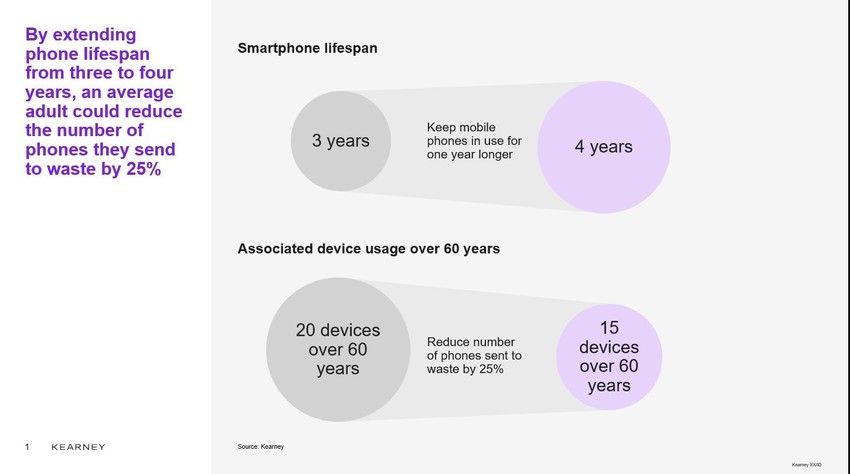
As smartphone sales skyrocket, so do their contribution to waste and carbon emissions. Just as in the fashion industry, a move to #circularity and a shift to business models and consumer habits when it comes to electronics is critical.
https://t.co/cmgC9JtBAR